Homemade Gluten Free Pasta Ideas Pasta Machine : Best Flours, Flavor Ideas, and Pasta Machine Tips
Many people think that a gluten-free diet means you cannot eat fresh pasta. This is not true! You can make amazing pasta at home. You do not need wheat to make a delicious noodle. You only need a few simple ingredients and a good pasta machine. Making your own food is fun. It also tastes much better than the boxes you buy at the store.
In this guide, you will learn how to use your pasta machine for gluten-free dough. We will look at different flours and fun flavor ideas. You will see that making pasta is a great hobby for the whole family.
Why Make Your Own Gluten-Free Pasta?
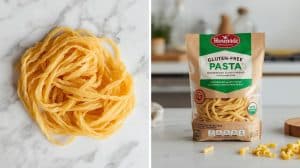
Fresh pasta has a special texture. It is soft and chewy at the same time. Store-bought gluten-free pasta often feels like plastic. It can also fall apart when you boil it. When you make it yourself, you control the ingredients. You know exactly what is in your food. This is very important for people with celiac disease or gluten allergies.
Better Flavor and Texture
Homemade dough uses fresh eggs and high-quality flour. This gives the noodles a rich taste. Gluten-free flours like brown rice or chickpea flour have great flavors. You can also add spices directly into the dough. This makes the pasta taste good even without sauce.
Saving Money Over Time
Gluten-free products at the grocery store are expensive. A small bag of pasta can cost five dollars. If you buy flour in bulk, you save a lot of money. One bag of rice flour can make many batches of noodles. Your pasta machine will pay for itself very quickly.
Choosing the Right Pasta Machine for Gluten-Free Dough
There are two main types of pasta machines. Both work well for gluten-free flour. You just need to know how to use them.
Manual Roller Machines
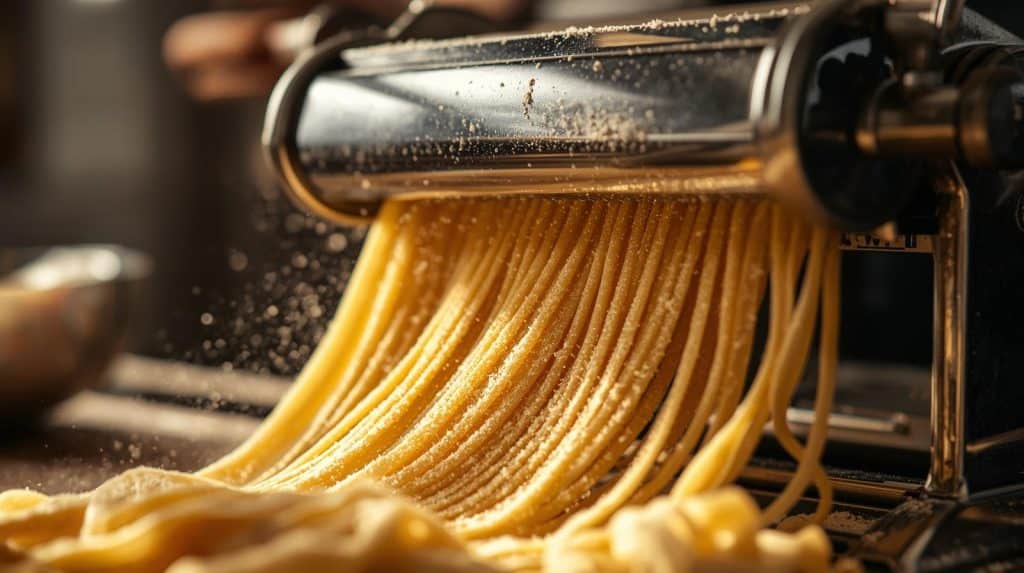
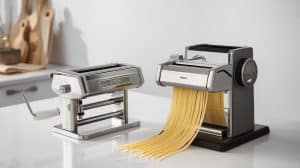
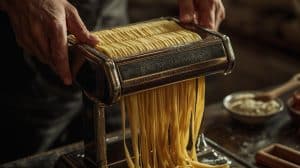
A manual machine has a hand crank. You pull the dough through metal rollers. This flattens the dough into a sheet. Then, you run the sheet through a cutter. This type is great for long noodles like fettuccine.
Using the Hand Crank
You must go slowly with gluten-free dough. It does not have gluten to hold it together. If you crank too fast, the dough might tear. Use your other hand to guide the dough gently as it comes out.
Electric Extruder Machines
An electric extruder is different. It mixes the dough for you. Then, it pushes the dough through a small hole. This creates shapes like penne or macaroni. These machines are very fast. They are perfect for busy families.
How Extruders Work
You put the dry flour in the bin. You pour the liquid in slowly while the machine spins. The machine does all the hard work. It creates a lot of pressure to form the pasta. This pressure helps keep gluten-free dough from falling apart.
| Machine Type | Best For | Ease of Use |
| Manual Roller | Lasagna and Fettuccine | Takes some practice |
| Electric Extruder | Penne and Macaroni | Very easy and fast |
| Ravioli Attachment | Stuffed Pasta | Needs a steady hand |
The Secret Ingredients for Perfect Gluten-Free Dough
Gluten is like glue. It helps the dough stretch. Without it, the dough can be crumbly. You need to use special ingredients to replace that “glue.”
Choosing Your Flour Blend
You should not use just one type of flour. A blend works best. Most people use a mix of rice flour, potato starch, and tapioca flour. This mix mimics the feel of wheat flour.
-
Brown Rice Flour: Gives a nutty flavor and good structure.
-
Tapioca Starch: Makes the pasta chewy and bouncy.
-
Corn Starch: Helps the pasta stay firm when cooking.
-
Chickpea Flour: Adds protein and a golden color.
The Power of Xanthan Gum
Xanthan gum is the most important ingredient. It acts as the replacement for gluten. It makes the dough stretchy. Without it, your pasta will turn into mush in the pot. You only need a small amount, usually one or two teaspoons.
Step-by-Step: Using Your Pasta Machine
Now you are ready to make the dough. Follow these steps for the best results.
Mixing the Dough
Start by making a mound of flour on a clean table. Make a hole in the middle like a volcano. Crack your eggs into the hole. Use a fork to whisk the eggs slowly. Gradually pull the flour into the eggs.
Kneading the Dough
Once a ball forms, you must knead it. Use the heels of your hands to push the dough away from you. Fold it back and repeat. Do this for about five minutes. The dough should feel like play-dough. It should be smooth and not stick to your fingers.
Rolling the Sheets
Cut your dough into four small pieces. Keep the pieces you are not using under the plastic wrap. If the dough dries out, it will crack.
Passing Through the Rollers
Flatten the dough with your hand first. Dust it with a little extra rice flour. Pass it through the widest setting on your machine. Fold the dough in half and pass it through again. Do this three times. This “builds” strength in the gluten-free dough.
Exciting Flavor Ideas for Your Pasta Machine
Plain pasta is good, but flavored pasta is better. You can add vegetables and herbs to your dough. This makes your meal look like it came from a fancy restaurant.
Green Spinach Pasta
Spinach adds a bright green color and vitamins. You must cook the spinach first and squeeze out all the water. If the spinach is wet, your dough will be a mess.
Blending the Spinach
Put the cooked spinach and your eggs in a blender. Blend until the liquid is smooth and bright green. Use this green liquid as your “egg” mixture in the flour volcano.
Red Beet or Tomato Pasta
You can make red or pink pasta using beets or tomato paste. For beets, use roasted beet puree. For tomato, use two tablespoons of thick tomato paste.
-
Beet Pasta: Has an earthy, sweet taste.
-
Tomato Pasta: Tastes like sun-dried tomatoes.
-
Turmeric Pasta: Turns a bright orange and adds a healthy spice.
Using Dry Spices
If you do not want to use wet vegetables, use dry spices. Add black pepper, dried oregano, or garlic powder to your flour before you add the eggs. This adds tiny flecks of color and flavor throughout the noodle.
Different Shapes You Can Create
A pasta machine allows you to make more than just flat noodles. You can get very creative with your shapes.
Long Ribbon Noodles
These are the easiest to make with a roller machine. You can make wide noodles or thin ones.
-
Pappardelle: Very wide ribbons. Great for heavy meat sauces.
-
Fettuccine: Medium ribbons. Perfect for Alfredo sauce.
-
Tagliolini: Very thin ribbons. Best with light oil and herbs.
Making Homemade Ravioli
You can use your flat sheets to make stuffed pasta. Lay one sheet down. Place small mounds of cheese or meat on the sheet. Cover it with a second sheet. Press around the mounds to seal the air out. Cut them into squares with a knife or a cookie cutter.
Short Extruded Shapes
If you have an electric machine, you can make shapes that hold sauce in their centers.
-
Penne: Tube shapes with ridges.
-
Rigatoni: Large tubes.
-
Fusilli: Spiral shapes that kids love.
Cutting the Noodles
As the machine pushes the pasta out, you must cut it. Most machines have a built-in cutter. Cut the noodles at about two inches long. If you wait too long, the noodles will get too heavy and stretch out.
Tips for Success and Common Mistakes
Making gluten-free pasta can be tricky at first. Do not get discouraged if your first batch is not perfect.
Dealing with Sticky Dough
If the dough sticks to the machine, it is too wet. Add a tablespoon of flour and knead it in. Always keep a bowl of extra flour nearby. Dust the machine rollers and your hands often.
Dealing with Dry Dough
If the dough cracks and looks like sand, it is too dry. Do not add water. Instead, wet your hands and knead the dough. The moisture from your hands is usually enough to fix the problem.
Cleaning Your Machine
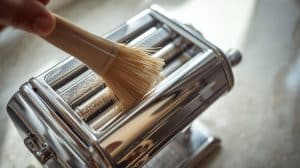
Never wash your pasta machine with soap and water! Water will make the internal gears rust. It also makes the leftover flour turn into a hard glue.
-
Let the machine sit for an hour after use.
-
Use a dry brush to flick away the dried flour.
-
Use a toothpick to get dough out of the small corners.
-
Wipe the outside with a slightly damp cloth and dry it immediately.
Cross-Contamination Warning
If you share your kitchen with people who eat wheat, be careful. A pasta machine is hard to clean perfectly. If you have a severe allergy, you should have a dedicated “Gluten-Free Only” machine. Even a tiny speck of wheat flour can cause a reaction.
How to Store and Cook Your Fresh Pasta
Fresh pasta cooks much faster than dried pasta. You need to watch the pot closely.
The Boiling Process
Use a very large pot of water. Add a lot of salt. The water should taste like the ocean. This is your only chance to season the inside of the noodle. Wait for a rolling boil before adding the pasta.
Cooking Times
Fresh gluten-free pasta usually cooks in 2 to 4 minutes. As soon as the noodles float to the top, they are almost done. Taste one noodle. It should be firm but not crunchy. This is called “al dente.”
Saving Your Leftovers
If you made too much dough, you can save it for later. You can also save the finished noodles.
-
Freezing Dough: Wrap the dough ball tightly in plastic. It stays good for one month. Thaw it in the fridge overnight before using.
-
Drying Noodles: Hang long noodles on a drying rack. Let them sit for 24 hours until they are brittle. Store them in a jar.
-
Freezing Noodles: Place fresh noodles on a baking sheet in a single layer. Freeze them for one hour. Then, move them to a freezer bag. You can cook them straight from the freezer!
Reheating Tips
If you have cooked pasta in the fridge, do not microwave it alone. It will get dry and hard. Put a little water or sauce on it first. Cover it with a lid to trap the steam. This makes the noodles soft again.
Frequently Asked Questions
Why Make Gluten-Free Pasta at Home?
Homemade gluten-free pasta tastes better, has better texture, and avoids preservatives. You control the ingredients, making it safer for people with celiac disease or gluten allergies.
What Flours Work Best for Gluten-Free Pasta?
A blend works best. Rice flour, potato starch, tapioca flour, and chickpea flour combine to mimic wheat flour and give pasta structure, flavor, and chewiness.
Do I Need Special Ingredients?
Yes. Xanthan gum is essential because it replaces gluten’s stretchiness. Without it, pasta falls apart when cooked.
Which Pasta Machine Should I Use?
Manual roller machines are great for flat noodles like fettuccine. Electric extruders are faster and make shapes like penne or macaroni. Both work well with gluten-free dough.
How Long Does Fresh Gluten-Free Pasta Take to Cook?
Fresh gluten-free pasta cooks in 2–4 minutes. Once noodles float, taste one for firmness. Cook until al dente.
Can I Store Homemade Gluten-Free Pasta?
Yes. Freeze dough for up to a month, dry noodles for long storage, or freeze fresh noodles in bags. Cook frozen pasta directly without thawing.
Conclusion
Making gluten-free pasta at home with a pasta machine is fun, healthy, and cost-effective. You can experiment with different flours, add vegetables or spices for flavor, and create unique shapes from ribbons to stuffed ravioli. Fresh pasta cooks quickly, tastes better than store-bought, and supports a healthier lifestyle.
With practice, you’ll master the dough and enjoy meals that look and taste gourmet — all while staying gluten-free. Keep experimenting, enjoy the process, and share your creations with family and friends.
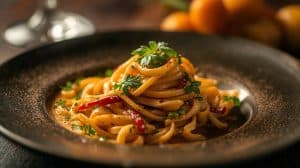
Final Thoughts on Your Pasta Journey
Using a Gluten Free Pasta Ideas Pasta Machine opens up a world of food. You are no longer limited by what is on the store shelf. You can make purple pasta, spicy pasta, or giant lasagna sheets. You can host dinner parties and surprise your friends. They will not even know the pasta is gluten-free!
Keep Experimenting
The best part of cooking is trying new things. Maybe you will find a new flour blend that you love. Maybe you will invent a new shape. Every time you use your machine, you get better at it.
A Healthy Lifestyle
Making your own food is a big step toward a healthy life. You avoid preservatives and strange chemicals. You eat fresh, whole foods. Plus, the joy of creating something with your hands is good for your mind.