Imagine the aroma of fresh ravioli pasta filling your kitchen, tempting your taste buds with its delicious promise. If you’ve ever thought about trying your hand at cooking this Italian classic, you’re in the right place.
This guide will take you through each step of the process, ensuring you achieve that perfect balance of texture and flavor. Whether you’re a seasoned chef or a beginner in the kitchen, making fresh ravioli can be an exciting and rewarding experience.
You’ll discover how simple ingredients transform into a delightful dish that will impress your family and friends. So, get ready to roll up your sleeves and dive into the art of ravioli making. Your culinary adventure awaits, and the satisfaction of creating a homemade masterpiece is just a few steps away. Keep reading to unlock the secrets of cooking fresh ravioli pasta like a pro!
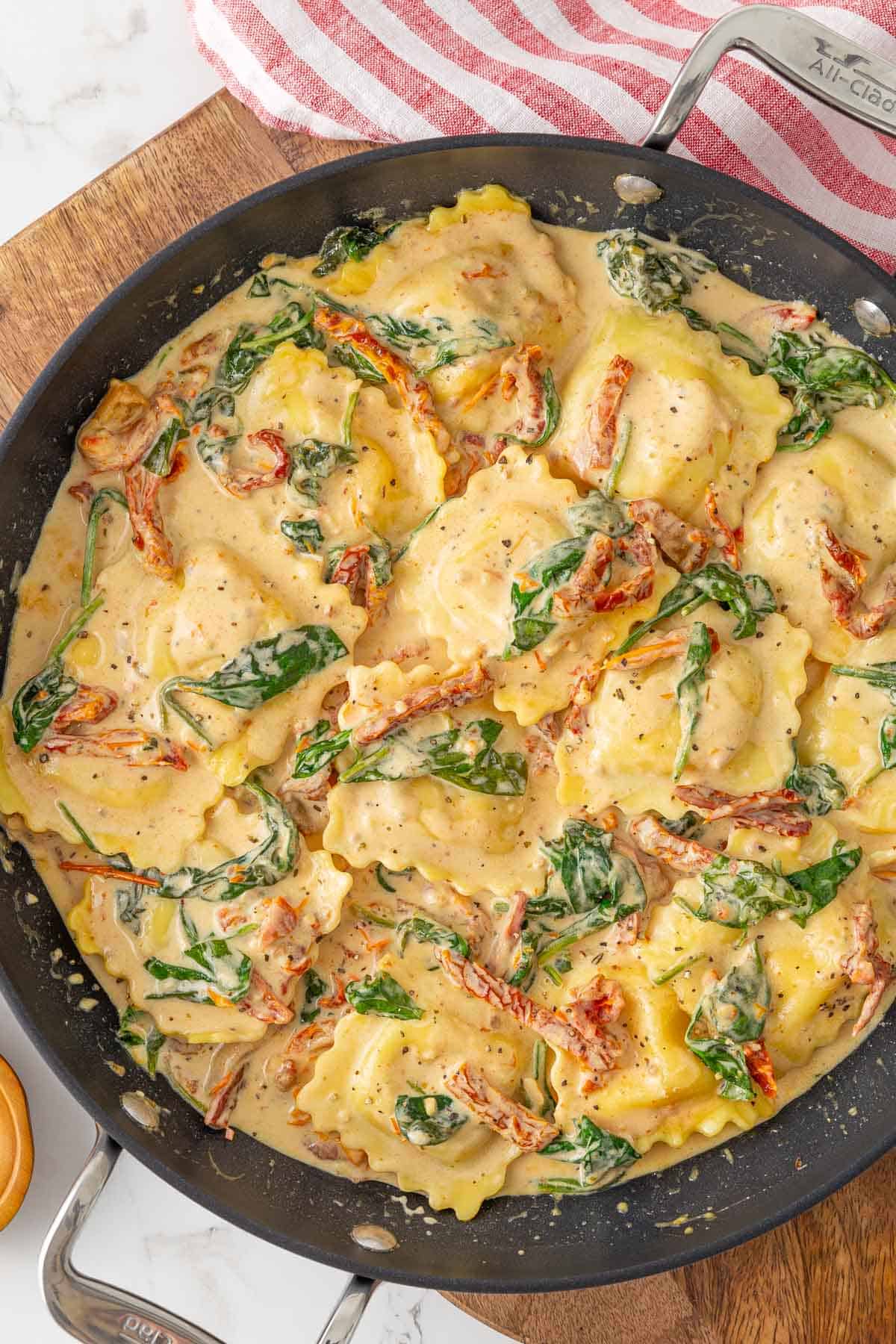
Credit: theblondcook.com
Choosing Fresh Ravioli
Fresh ravioli tastes better than dried or frozen pasta. It cooks quickly and feels soft on your tongue.
Picking the right fresh ravioli helps you make a delicious meal. Look for quality and freshness.
Types Of Fresh Ravioli
Fresh ravioli comes in many types. The filling and dough can change the taste and texture.
- Cheese ravioli: filled with ricotta or mixed cheeses
- Meat ravioli: filled with ground beef, pork, or chicken
- Vegetable ravioli: filled with spinach, mushrooms, or pumpkin
- Seafood ravioli: filled with crab, shrimp, or fish
- Herb ravioli: mixed with fresh herbs for extra flavor
Try different types to find your favorite. Each filling needs a slightly different sauce or seasoning.
Selecting Quality Ingredients
Good ingredients make fresh ravioli taste fresh and rich. Check the dough and filling carefully.
Look for pasta that is soft but not sticky. The filling should smell fresh and not dry or sour.
- Dough: smooth, elastic, and slightly moist
- Filling: bright colors and fresh aroma
- Packaging: sealed well to keep ravioli fresh
- Expiration date: choose the freshest option
Preparing The Cooking Water
Cooking fresh ravioli pasta starts with preparing the right water. This step helps your pasta cook evenly and taste great.
Using enough water and the right amount of salt makes a big difference in the final dish.
Ideal Water Quantity
Use plenty of water to keep the ravioli from sticking together. A large pot with enough water lets the pasta move freely.
About 4 to 6 quarts of water per pound of ravioli is a good amount. This keeps the water temperature steady.
- Use a large pot to hold the water.
- Fill with 4 to 6 quarts of water for 1 pound of ravioli.
- More water means less chance of sticking.
Adding Salt For Flavor
Add salt to the cooking water to enhance the ravioli’s taste. Salt helps bring out the pasta’s natural flavor.
Use about 1 to 2 tablespoons of salt for every 4 quarts of water. This creates a balanced flavor without being too salty.
- Use kosher or sea salt for best results.
- Add salt once the water boils.
- Do not add oil; it can make sauce stick poorly.
Cooking Fresh Ravioli
Fresh ravioli cooks quickly and tastes best when handled gently.
Knowing how to boil and check it helps avoid mushy or undercooked pasta.
Boiling Time Tips
Use plenty of water to stop ravioli from sticking together. Add salt for flavor.
- Bring water to a full boil before adding ravioli.
- Gently place ravioli into the boiling water.
- Cook fresh ravioli for 2 to 4 minutes.
- Stir gently to prevent sticking.
- Drain carefully using a slotted spoon or colander.
Checking For Doneness
Fresh ravioli is done when it floats to the top and feels tender.
| Test Method | What to Look For |
| Floating | Ravioli rises to the surface of the water |
| Texture | Pasta feels soft but not mushy when bitten |
| Appearance | Edges remain intact without breaking |
Draining And Handling
After cooking fresh ravioli pasta, draining and handling are important steps. Proper care keeps ravioli intact and tasty.
Use gentle methods to drain water and avoid breaking the delicate pasta shells. This guide shows the best ways to do it.
Best Methods To Drain
Draining ravioli correctly stops overcooking and keeps the pasta from sticking together.
- Use a slotted spoon to lift ravioli from boiling water one by one.
- Pour the pot contents into a fine mesh strainer quickly but carefully.
- Shake the strainer gently to remove excess water without shaking too hard.
- Avoid pouring ravioli directly into a colander with large holes.
- Set a bowl under the strainer to catch any falling ravioli.
Avoiding Ravioli Damage
Handle ravioli with care to keep their shape and filling intact. Rough treatment can cause tearing or leaking.
| Tip | Reason |
| Use wide, shallow pans for cooking | Gives ravioli room to move without sticking |
| Stir gently with a soft spoon | Prevents tearing the pasta |
| Drain quickly but gently | Stops overcooking and softening |
| Transfer ravioli with a slotted spoon | Keeps pasta whole and avoids damage |
| Serve immediately or toss with sauce | Prevents sticking and breaks |
Choosing The Right Sauce
Fresh ravioli pasta tastes best with the right sauce. The sauce adds flavor and enhances the filling.
Choosing the right sauce can make your ravioli dish simple or rich. Think about the filling and sauce balance.
Classic Sauces For Ravioli
Some sauces are popular choices for ravioli. They bring out the pasta’s flavor without overpowering it.
- Marinara Sauce:A simple tomato sauce with garlic and herbs. It is light and fresh.
- Brown Butter Sauce:Butter cooked until golden with sage leaves. It adds a nutty taste.
- Alfredo Sauce:Creamy sauce made with butter, cream, and Parmesan cheese. It is rich and smooth.
- Pesto Sauce:Made from basil, pine nuts, garlic, and olive oil. It is fragrant and fresh.
Pairing Sauces With Fillings
Match your sauce to the ravioli filling to create balance. Light fillings need lighter sauces.
- Cheese-filled ravioli:Use tomato-based or pesto sauce for a fresh taste.
- Meat-filled ravioli:Brown butter or marinara sauce works well with rich flavors.
- Vegetable-filled ravioli:Try a light cream sauce or brown butter with herbs.
- Seafood-filled ravioli:Use a delicate cream sauce or lemon butter sauce to keep it light.
Serving Suggestions
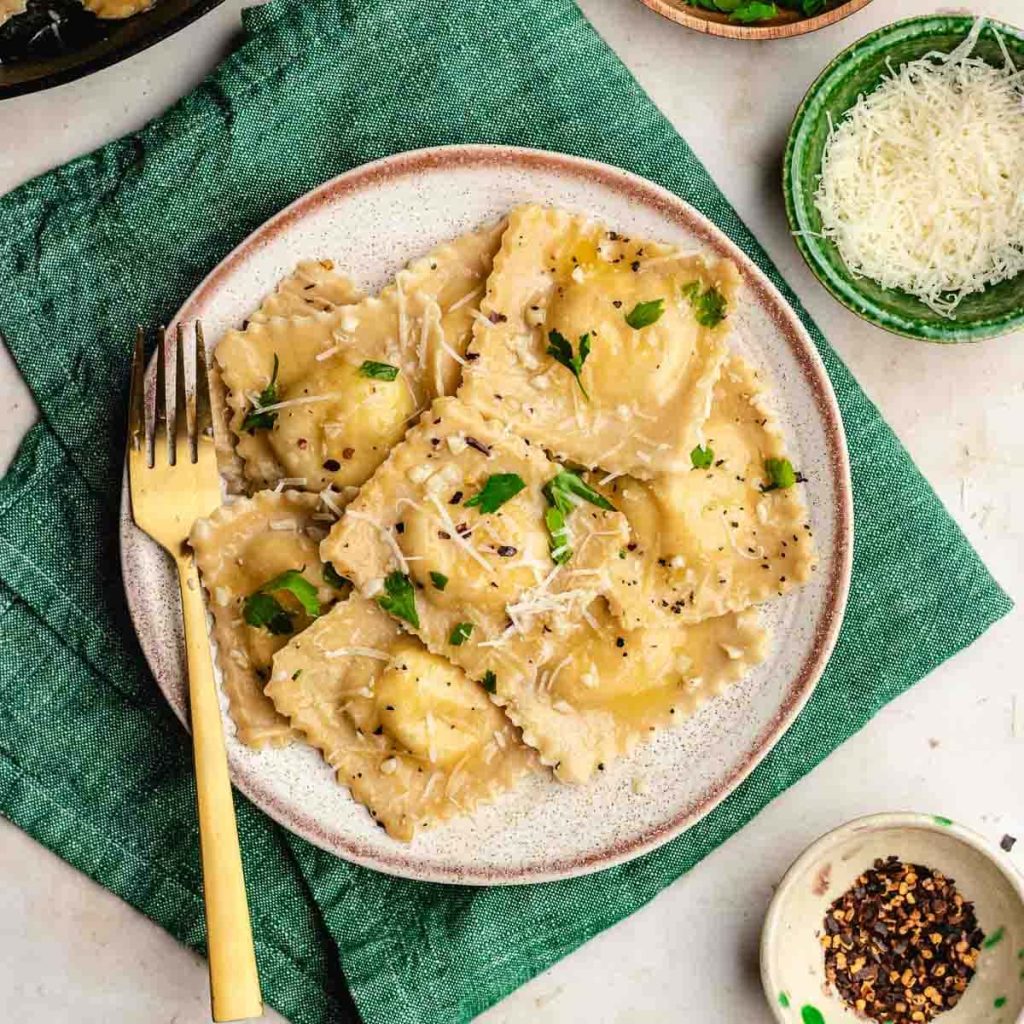
Fresh ravioli pasta tastes best when served with simple and fresh ingredients. You can use different garnishes and toppings to add flavor and texture.
How you present your ravioli also makes a big difference. A nice plate can make your meal look more inviting and delicious.
Garnishes And Toppings
Adding garnishes and toppings brings extra taste and color to your ravioli. Fresh herbs, grated cheese, and nuts work well to enhance the dish.
- Fresh basil or parsley for a bright green touch
- Grated Parmesan or Pecorino cheese for a salty flavor
- Toasted pine nuts or walnuts for crunch
- Light drizzle of good olive oil for richness
- Cracked black pepper for a mild spice
Plating For Appeal
How you arrange ravioli on the plate can make it look more appealing. Use contrasting colors and neat shapes to catch the eye.
Serve ravioli in small groups, not crowded, to show off the pasta and toppings clearly.
- Use a wide, shallow plate for better display
- Place ravioli in a circle or line to create order
- Leave some empty space around the food
- Add a small spoon of sauce beside or under ravioli
- Finish with a sprinkle of herbs or cheese on top
Storing Leftover Ravioli
After cooking fresh ravioli, you may have some leftovers. Proper storage helps keep the pasta fresh and tasty for later.
Storing ravioli the right way prevents it from drying out or spoiling too fast. Follow simple tips to save your pasta well.
Refrigeration Tips
Cool the ravioli before putting it in the fridge. Warm pasta can create moisture that causes spoilage.
Use an airtight container or cover the ravioli tightly with plastic wrap. This keeps air out and prevents drying.
- Place ravioli in a shallow container for quick cooling.
- Cover the container with a lid or plastic wrap.
- Store in the refrigerator for up to 3 days.
- Label the container with the date for freshness tracking.
Reheating Methods
Reheat ravioli gently to keep its texture and taste. Avoid overheating to prevent the pasta from becoming mushy.
Choose a reheating method that fits your time and tools. Each way keeps ravioli delicious and ready to eat.
- Microwave: Place ravioli in a microwave-safe dish, cover loosely, and heat in short intervals.
- Boiling water: Drop ravioli in hot water for 1-2 minutes until warm.
- Sauté: Heat a pan with a little oil or sauce, then cook ravioli for a few minutes.
- Oven: Warm ravioli in a covered dish at 350°F (175°C) for 10-15 minutes.
Credit: cesarine.com
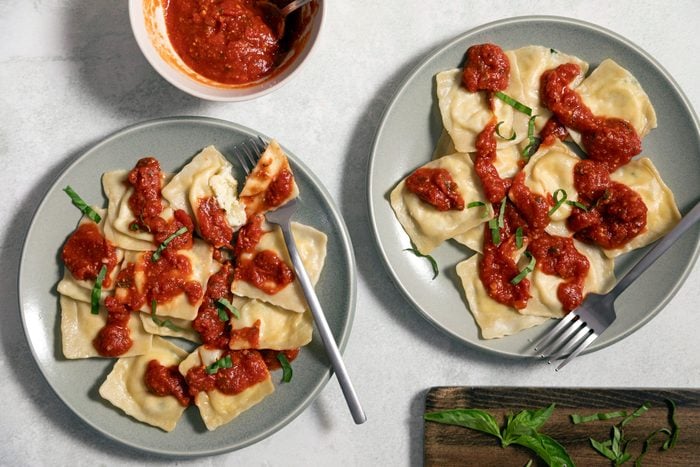
Credit: www.tasteofhome.com
Frequently Asked Questions
How Long Should Fresh Ravioli Cook?
Fresh ravioli typically cooks in boiling water for 3 to 4 minutes. When they float to the surface, they are ready. Avoid overcooking to maintain a tender texture and prevent them from breaking apart.
Can I Freeze Fresh Ravioli Before Cooking?
Yes, fresh ravioli can be frozen. Arrange them on a tray without touching and freeze until solid. Then transfer to a sealed bag. Cook frozen ravioli directly; just add an extra minute to the boiling time.
What Sauce Pairs Best With Fresh Ravioli?
Light sauces like sage butter or marinara complement fresh ravioli well. Cream-based sauces also work for richer fillings. Choose a sauce that enhances, not overwhelms, the delicate pasta and filling flavors.
How Do I Prevent Ravioli From Sticking Together?
To prevent sticking, toss fresh ravioli gently with a little flour or oil. Cook in plenty of boiling water and stir occasionally. Drain carefully and serve immediately to keep them separate.
Conclusion
Fresh ravioli pasta cooks quickly and tastes delicious. Boil water, add salt, and cook ravioli gently. Watch for them to float—that means they are done. Drain carefully to keep pasta whole and soft. Serve with your favorite sauce and enjoy a fresh meal.
Practice makes perfect; cooking gets easier each time. Try different fillings and sauces for variety. Cooking fresh ravioli is fun and rewarding. You can make a tasty dinner with simple steps. Give it a try and enjoy your homemade pasta!