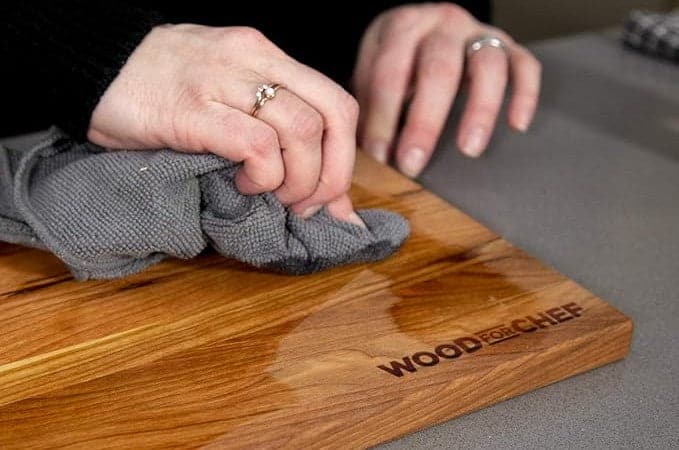
How to Care for Wood Cutting Boards: Do you want to keep your wood cutting boards looking as good as new? Proper care is the key to preserving their beauty and functionality.
Whether you’re a culinary enthusiast or someone who just enjoys cooking at home, knowing how to care for your wood cutting boards is essential. Not only does it enhance their lifespan, but it also keeps your kitchen more hygienic. Imagine slicing through fresh ingredients on a smooth, well-maintained surface that doesn’t just serve a purpose but also adds a touch of elegance to your kitchen.
Dive into this guide to discover simple, effective ways to ensure your wood cutting boards stay in pristine condition. Your culinary creations deserve the best, and so do you. Keep reading to unlock the secrets of wood cutting board care that will transform your kitchen routine.

Credit: homewithgraceandjoy.com
Choosing The Right Wood Board
Wood cutting boards are a popular choice in kitchens. They look good and last long with proper care.
Picking the right wood board is important. It affects how well the board works and how long it stays in shape.
Hardwood Vs Softwood
Hardwood boards come from trees like maple and walnut. Softwood boards come from trees like pine and cedar.
Hardwood is strong and resists cuts better. Softwood is softer and can get damaged easily. For cutting boards, hardwood is best because it lasts longer and is safer for knives.
Grain Patterns And Durability
Wood grain affects how the board wears over time. End grain boards show the wood fibers on the surface. Face grain boards show the wood rings. Edge grain boards show the wood edges.
- End grain boards are very durable and gentle on knives.
- Face grain boards are less durable but look nice.
- Edge grain boards balance durability and price well.
Size And Thickness Considerations
| Size | Use | Recommended Thickness |
|---|---|---|
| Small (8×10 inches) | Light chopping, small kitchens | 0.5 to 0.75 inches |
| Medium (12×18 inches) | Everyday use, most kitchens | 0.75 to 1.25 inches |
| Large (18×24 inches and up) | Heavy chopping, professional use | 1.25 to 1.5 inches |
Cleaning Techniques
Wood cutting boards need careful cleaning to last long and stay safe. Proper cleaning stops bacteria from growing.
Use gentle cleaning methods to protect the wood and keep it looking good.
Daily Cleaning Routine
Wash your wood cutting board after each use. Use warm water and mild soap. Scrub the board with a soft sponge or brush.
Rinse the board well to remove all soap. Dry it with a clean towel. Stand it up or lay it flat to air dry completely.
Avoiding Harsh Chemicals
Do not use bleach or strong detergents on wood boards. These chemicals can damage the wood and remove natural oils.
Stick to natural cleaners or gentle dish soap. This helps keep the board safe and healthy for food.
Dealing With Stains And Odors
To remove stains, sprinkle coarse salt or baking soda on the board. Rub with a lemon half to clean and freshen it.
Let it sit for a few minutes, then rinse with warm water. Dry the board well after cleaning.
- Use baking soda or salt to lift stains
- Rub with lemon juice to remove odors
- Rinse and dry thoroughly after treatment
Drying And Storage
Wood cutting boards need special care to last long. Drying and storing them correctly keeps them safe from damage. This guide covers the best ways to dry and store your wood boards.
Proper drying stops moisture build-up. Good storage keeps the board flat and dry. Both help avoid cracks and warping.
Proper Drying Methods
After washing your wood cutting board, dry it right away. Use a clean towel to remove extra water. Then, let it air dry fully before storing.
- Dry both sides evenly to prevent moisture traps.
- Stand the board upright or lean it on its edge.
- Do not leave the board flat on a wet surface.
- Avoid direct sunlight or heat sources for drying.
Best Storage Practices
Store wood cutting boards in a dry, ventilated place. Keep them away from damp areas to avoid mold growth.
| Storage Location | Recommended | Not Recommended |
| Kitchen Counter | Yes, if dry and clean | Near sink or dishwasher |
| Cabinet | Yes, with ventilation | Closed, humid cabinets |
| Wall Hanger | Yes, upright position | Lying flat on surface |
Preventing Warping And Cracking
Wood boards can warp or crack if they dry unevenly or stay wet too long. Keep them in shape by following these tips.
- Oil your board regularly to keep wood moist.
- Rotate the board during air drying.
- Do not soak the board in water.
- Use both sides to cut food evenly.

Credit: www.amazon.ca
Conditioning And Oiling
Wood cutting boards need regular care to last long. Conditioning and oiling help keep the wood strong and clean.
Oiling stops the wood from drying out and cracking. It also protects the board from stains and smells.
Choosing The Right Oil
Pick an oil safe for food contact. Avoid oils that can go bad or smell bad over time.
Mineral oil is a good choice. It is clear, odorless, and does not spoil. Other good options include beeswax blends or coconut oil labeled for cutting boards.
- Food-grade mineral oil
- Beeswax and mineral oil blends
- Food-safe coconut oil
How Often To Oil Your Board
Oil your cutting board every few weeks. If you use it often, oil it once a week.
Look for dryness or dull spots on the board. These signs mean it needs oil. Oiling too often is not harmful but may waste oil.
- Oil every 3-4 weeks with light use
- Oil weekly with heavy use
- Oil when board looks dry or dull
Step-by-step Oiling Process
Start with a clean, dry cutting board. Wash with warm water and mild soap. Let it dry fully before oiling.
Apply a small amount of oil to the board. Use a soft cloth to spread the oil evenly. Cover all surfaces and edges.
- Clean and dry the board
- Pour a small amount of oil on the board
- Rub oil evenly with a soft cloth
- Let the oil soak in for at least 3 hours
- Wipe off extra oil with a clean cloth
Let the board sit for a few hours to absorb the oil. Wipe off any extra oil. Your board is ready to use and protected.
Repairing Minor Damage
Wood cutting boards can get small damages over time. Fixing these helps keep your board safe and useful.
Simple repairs can make your board look fresh and last longer. Let’s learn easy ways to fix common problems.
Sanding Out Scratches
Small scratches on your board’s surface are normal. Sanding smooths the wood and removes these marks.
Use fine-grit sandpaper and sand in the wood grain direction. Clean dust with a damp cloth before drying.
- Choose 120 to 220 grit sandpaper
- Sand lightly and evenly
- Wipe clean and dry well
- Apply food-safe oil after sanding
Fixing Cracks And Splits
Cracks can let bacteria grow and weaken your board. Small cracks can be fixed with wood glue.
Apply food-safe wood glue into the crack. Press the crack tightly and wipe off extra glue. Let it dry fully.
- Use food-safe wood glue only
- Clamp or press the crack for tight bonding
- Remove glue before it dries
- Sand lightly after drying if needed
When To Replace Your Board
Replace your cutting board if damage is deep or large. Unsafe cracks or deep grooves can cause harm.
Boards with heavy warping or that absorb odors should be replaced. A new board keeps food safe and clean.
- Deep cracks or splits that glue can’t fix
- Large grooves that trap food
- Strong odors or stains that won’t wash out
- Warped boards that don’t lay flat
Preventive Measures
Wood cutting boards need special care to last long. Preventive steps keep them safe from damage and bacteria.
Using the right methods helps keep your boards clean and strong. This guide shows key ways to protect them.
Using Separate Boards For Different Foods
Using different boards for meats, vegetables, and fruits stops cross-contamination. It keeps your food safe and your board clean.
- Use one board for raw meat and poultry
- Use another for fruits and vegetables
- Keep a separate board for cooked foods
- Label your boards if needed to avoid mix-ups
Avoiding Excessive Moisture
Too much water can warp or crack wood boards. Dry them well after washing to keep their shape and strength.
| Common Mistake | Better Practice |
| Soaking board in water | Wash quickly and dry immediately |
| Leaving board in dishwasher | Hand wash only, then air dry |
| Storing wet board flat | Stand board upright to air dry |
Cutting Techniques To Minimize Damage
Proper cutting methods keep your board smooth and free from deep cuts. This helps it last longer and stay easier to clean.
- Use gentle, even pressure while cutting
- Avoid chopping hard bones or frozen food on wood
- Cut with the grain when possible to reduce scratches
- Use sharp knives to make clean cuts that damage less

Credit: food52.com
Frequently Asked Questions
How Often Should I Oil My Wood Cutting Board?
You should oil your wood cutting board once a month. This prevents drying and cracking. Use food-grade mineral oil for best results. Regular oiling keeps the board smooth and extends its lifespan.
Can I Wash Wood Cutting Boards With Soap?
Yes, you can wash wood cutting boards with mild soap. Avoid soaking or dishwasher use. Hand wash with warm water and soap immediately after use. Dry thoroughly to prevent warping and bacterial growth.
How Do I Remove Stains From Wood Cutting Boards?
To remove stains, sprinkle coarse salt on the board. Rub with half a lemon to lift stains and odors. Rinse with warm water and dry. This natural method refreshes the board without harsh chemicals.
Is It Safe To Use Wood Cutting Boards For Raw Meat?
Wood cutting boards are safe for raw meat if cleaned properly. Wash immediately with hot soapy water after use. Sanitize occasionally with diluted vinegar or hydrogen peroxide. Proper care prevents bacterial contamination and cross-contamination.
Conclusion
Caring for wood cutting boards keeps them safe and long-lasting. Clean them well after each use to avoid germs. Dry boards fully to stop cracks and warping. Use oil regularly to keep wood strong and smooth. Avoid soaking boards in water or putting them in dishwashers.
Small steps make a big difference in care. Treat your cutting board right, and it will serve you well. Simple habits protect your kitchen tool every day.