Your wooden cutting board is more than just a kitchen tool; it's a trusted companion for meal prep, bearing the marks of countless family dinners and Sunday roasts. But amidst the hustle and bustle of chopping and slicing, have you thought about how clean it really is?
Hidden between the grooves of your well-loved board could be bacteria that you definitely don't want near your next meal. Imagine the peace of mind you'll feel knowing that your cutting board is not only spotless but also safe for your family.
In this guide, you'll discover simple yet effective ways to sanitize your wood cutting board, ensuring it stays in top condition and keeps your kitchen hygienic. Ready to learn how to keep your culinary workspace safe and sparkling? Let's dive in!
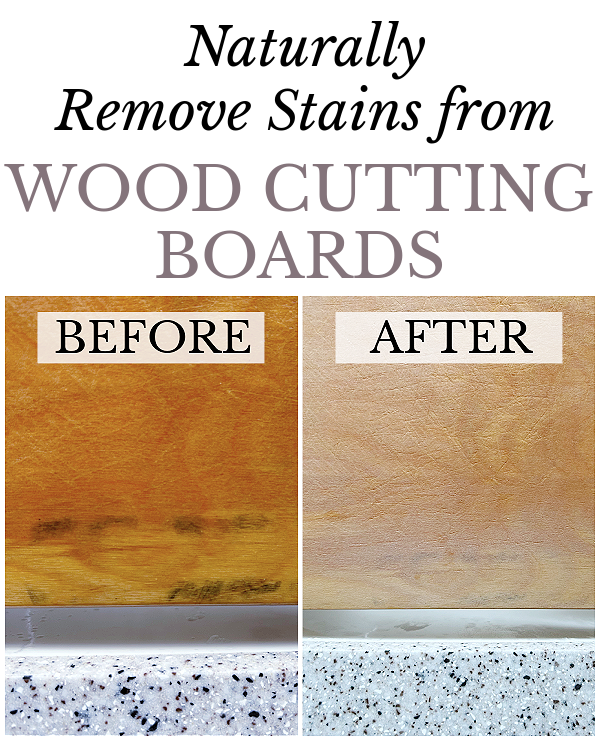
Credit: www.lemonslavenderandlaundry.com
Choosing The Right Wood Board
Wood cutting boards are popular for their durability and beauty. Picking the right wood board helps keep your kitchen safe and clean.
Different woods offer different qualities. Knowing these helps you choose a board that lasts long and stays sanitary.
Types Of Wood Boards
Wood boards come in many types. Each type has unique features that affect how you use and clean it.
- Maple:Hard and dense, it resists cuts and dents well.
- Walnut:Dark wood that is gentle on knives.
- Cherry:Smooth surface and rich color, ages nicely.
- Bamboo:Technically grass, very hard and eco-friendly.
- Beech:Close-grained, it is tough and durable.
Benefits Of Wooden Cutting Boards
Wood cutting boards offer many advantages in the kitchen. They are safe and easy to maintain if cleaned well.
- Wood naturally kills bacteria better than plastic.
- It is gentle on knife edges, keeping them sharp.
- Wood boards last a long time with proper care.
- They do not dull knives quickly like glass or stone.
- Wood absorbs moisture, reducing slipping during use.
Daily Cleaning Routine
Keeping your wood cutting board clean every day is key to safe food prep. Dirt and germs can hide in the wood if not cleaned well.
Follow simple steps to wash and dry your board. This helps stop bacteria from growing.
Washing With Soap And Water
Use warm water and mild soap to wash your wood cutting board. Avoid soaking it in water to keep the wood from swelling.
- Rinse the board under warm running water.
- Apply a small amount of mild dish soap.
- Scrub the surface gently with a soft sponge or brush.
- Rinse off all soap with warm water.
- Dry the board immediately after washing.
Drying Techniques
Drying your board well stops moisture damage and mold growth. Use air and cloth drying methods for best results.
| Drying Method | Instructions |
| Air Dry | Stand the board upright on its edge. Let air flow around it. |
| Towel Dry | Use a clean towel to wipe off water on all sides. |
| Sunlight | Place the board in indirect sunlight for a short time only. |
Deep Sanitizing Methods
Sanitizing a wood cutting board keeps it safe and clean. Deep sanitizing removes germs and bacteria from the surface.
There are natural ways to sanitize your board without harsh chemicals. These methods use simple household items.
Using Vinegar And Lemon
Vinegar kills many types of bacteria on wood boards. Lemon adds extra cleaning power and a fresh scent.
Spray white vinegar on the board and let it sit for a few minutes. Rub the board with half a lemon to scrub and remove stains.
- Use undiluted white vinegar for best results
- Let vinegar sit for at least 5 minutes
- Rub lemon juice on all board surfaces
- Rinse with warm water and dry fully
Applying Hydrogen Peroxide
Hydrogen peroxide disinfects by killing bacteria and viruses. It is safe on wood if used correctly.
Pour 3% hydrogen peroxide over the board and spread it evenly. Let it bubble and work for a few minutes before wiping clean.
- Use 3% hydrogen peroxide only
- Cover the entire board surface
- Wait 5 to 10 minutes before rinsing
- Dry the board well after cleaning
Salt Scrub Technique
Coarse salt helps scrub away food particles and bacteria. It works well with lemon to sanitize wood boards.
Sprinkle salt on the board and scrub with half a lemon. The salt scrubs, and the lemon cleans and freshens the board.
- Use coarse sea salt or kosher salt
- Rub the salt and lemon mixture in circular motions
- Let it sit for 5 minutes after scrubbing
- Rinse with warm water and dry completely
Avoiding Damage During Cleaning
Cleaning a wood cutting board keeps it safe for food. You must be gentle to avoid damage. Using the wrong cleaners or tools can hurt the wood.
Proper care helps the board last longer. It also keeps it looking good and working well.
What Not To Use
Avoid harsh chemicals and tools that can harm wood. Strong detergents and scrubbers can dry out or scratch the board. Stay away from these items to keep your board safe.
- Bleach or strong chemical cleaners
- Steel wool or rough scrubbing pads
- Dishwasher or soaking in water
- Oven or microwave drying
These can cause cracks, warping, or loss of finish. Use mild soap and soft sponges instead.
Maintaining Board Integrity
Keep the board dry and well-oiled. Water can damage wood by causing it to swell or crack. Oil protects the surface and prevents drying out.
- Dry the board with a towel right after washing
- Apply food-safe mineral oil regularly
- Store the board upright to air dry fully
- Use both sides to avoid uneven wear
Following these steps keeps your wood cutting board strong and safe for food preparation.
Regular Maintenance Tips
Keeping a wood cutting board clean and safe takes regular care. Simple maintenance helps prevent bacteria and damage.
Use easy routines to keep your board smooth and strong for a long time.
Oiling The Board
Oiling your wood board stops it from drying out and cracking. Use food-safe mineral oil for best results.
Apply oil evenly and let it soak in overnight. Wipe off any extra oil before use.
- Clean the board before oiling
- Use a clean cloth to apply oil
- Oil the board once a month or when dry
- Store board in a dry place
Sanding For Smoothness
Sanding removes scratches and deep stains from your board. It also smooths the surface for safer cutting.
Use fine-grit sandpaper and sand in the direction of the wood grain. Clean the dust off before oiling.
- Sand when the surface feels rough
- Start with medium grit, finish with fine grit
- Sand evenly across the entire board
- Oil the board after sanding

Credit: homewithgraceandjoy.com
Signs To Replace Your Board
Wood cutting boards can last a long time with good care. You must check your board often. Some signs mean it is time to get a new one.
Look closely for damage or smells that do not go away. These are clues that your board might not be safe to use.
Cracks And Deep Grooves
Cracks and deep grooves in a wood board let bacteria hide. These areas are hard to clean well. Over time, the wood may break apart or splinter.
- Check the surface for any cracks or deep cuts.
- Run your fingers over the board to feel rough spots.
- Replace the board if cracks are large or deep.
- Small grooves can hold germs even after washing.
Persistent Odors And Stains
Some smells and stains stay even after cleaning. These signs show that your board has absorbed too much moisture or food.
| Odor Type | Possible Cause | Action to Take |
| Strong sour smell | Old food trapped in wood | Replace board |
| Musty or moldy smell | Moisture buildup | Replace board |
| Dark stains | Food juices soaked in | Check if stains can be sanded out |
| Unpleasant lingering odor | Deep wood absorption | Replace board |

Credit: www.youtube.com
Frequently Asked Questions
How Often Should I Sanitize A Wood Cutting Board?
Sanitize your wood cutting board after every use, especially after cutting raw meat. Regular cleaning prevents bacteria buildup and keeps the board safe for food preparation.
What Natural Ingredients Can Sanitize Wood Cutting Boards?
Use white vinegar or lemon juice for natural sanitizing. Both are effective against bacteria and safe for wood surfaces, maintaining the board’s integrity without harsh chemicals.
Can Bleach Be Used To Sanitize Wood Cutting Boards?
Bleach can sanitize wood boards but should be diluted properly. Use a mild bleach solution and rinse thoroughly to avoid damaging the wood or leaving harmful residues.
How Do I Prevent Odor On A Wood Cutting Board?
Prevent odor by regularly cleaning and drying your board. Rubbing it with salt and lemon also helps eliminate smells and keeps the surface fresh.
Conclusion
Sanitizing your wood cutting board keeps it safe and clean. Use simple steps like washing with soap and water. Then, apply natural sanitizers such as vinegar or lemon juice. Dry the board completely to stop bacteria growth. Regular care helps your board last longer and stay fresh.
Clean boards protect your food and your health. Keep these tips in mind every time you cook. Safe food starts with a clean cutting board. Easy and quick habits make a big difference.