How to Sanitize Cutting Boards: Are you aware of how much bacteria can lurk on your cutting board?
Every time you chop, slice, or dice, your cutting board becomes a potential breeding ground for germs. How to sanitize cutting boards properly is an important step in keeping your kitchen safe.
But don’t worry—keeping it clean and safe for your family is easier than you might think. In this guide, you’ll discover simple and effective methods to sanitize your cutting boards, ensuring your kitchen remains a safe space for meal preparation.
Stick around to learn the best practices that will give you peace of mind and keep your kitchen healthy. Your cutting board might just become your most trusted kitchen ally once again!

Credit: food52.com
Types Of Cutting Boards
Cutting boards come in different materials. Each type needs a proper way to clean and sanitize. Knowing the board type helps keep food safe and supports kitchen cutting board hygiene.
This guide explains wooden, plastic, bamboo, and composite boards. Learn how to care for each one well.
Wooden Boards
Wooden boards are popular for their durability and knife-friendly surface. They can absorb liquids if not cleaned properly.
- Use hot soapy water to clean after each use.
- Do not soak wooden boards in water to avoid warping.
- Apply food-safe mineral oil regularly to protect the wood.
- Sanitize by wiping with a vinegar solution or diluted bleach carefully.
Plastic Boards
Plastic boards are lightweight and dishwasher safe. They can show knife marks where bacteria hide.
| Cleaning Tip | Details |
|---|---|
| Dishwasher | Use high heat to kill germs. |
| Bleach Solution | Mix 1 tablespoon bleach with 1 gallon water for sanitizing. |
| Replace Often | Change boards if deep cuts appear. |
Bamboo And Composite Options
Bamboo boards are hard and eco-friendly. Composite boards mix wood fibers with resin for strength.
Tips for cleaning bamboo and composite boards:
- Wash with warm soapy water after use.
- Dry boards immediately to prevent cracking.
- Avoid soaking to keep materials strong.
- Apply mineral oil on bamboo to keep moisture balance.
Why Sanitize Cutting Boards
Cutting boards can carry bacteria and germs from food. Proper cutting board sanitation keeps them clean and safe to use.
Sanitizing cutting boards helps stop germs from spreading to other foods. This protects your health.
Risks Of Cross-contamination
Cross-contamination happens when germs move from one food to another. It can cause food poisoning.
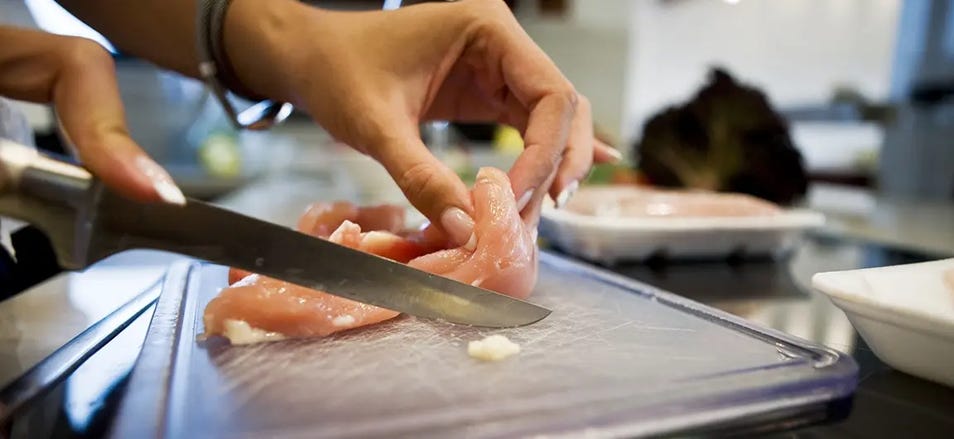
Using the same cutting board for raw meat and vegetables without cleaning it well spreads germs fast.
- Raw meat juices carry harmful bacteria
- Vegetables can pick up these bacteria
- Eating contaminated food causes illness
Common Germs On Cutting Boards
Many germs can live on cutting boards if not cleaned well. Some can make people very sick.
- Salmonella:Found in raw meat and eggs, causes stomach pain and fever
- E. coli:Found in raw beef and contaminated food, leads to diarrhea and cramps
- Listeria:Grows on cold foods, can harm pregnant women and babies
Daily Cleaning Methods
Keeping cutting boards clean every day helps stop germs from spreading. Regular cleaning removes food bits and bacteria.
Two common ways to clean cutting boards are using soap with warm water and dishwasher cleaning. Each method works well for daily use.
Soap And Warm Water
Soap and warm water is a simple way to clean your cutting board. It removes dirt and kills many germs quickly.
- Rinse the board with warm water to remove loose debris.
- Apply dish soap and scrub the surface with a sponge or brush.
- Wash all sides, including edges and handles.
- Rinse thoroughly with warm water to remove soap.
- Dry the board with a clean towel or air dry upright.
Dishwasher Use
Some cutting boards can go in the dishwasher for a deep clean. This method uses hot water and strong detergents to sanitize.
| Board Type | Dishwasher Safe | Notes |
|---|---|---|
| Plastic | Yes | Stays durable in dishwasher heat |
| Wood | No | Can crack or warp from heat and water |
| Bamboo | No | May dry out and split |
| Composite | Yes | Usually safe but check manufacturer advice |
Credit: www.lysol.com
Deep Sanitizing Techniques
Cutting boards can hold bacteria even after washing. Deep sanitizing helps remove germs and keep your kitchen safe.
This guide covers three natural and effective ways to sanitize cutting boards deeply.
Bleach Solution
Use a bleach solution to kill bacteria on plastic and wooden cutting boards. Mix one tablespoon of bleach with one gallon of water.
Soak the cutting board in the solution for two minutes. Then rinse well with clean water and dry completely.
Vinegar And Hydrogen Peroxide
This method uses two natural disinfectants. Spray white vinegar on the board and let it sit for a few minutes.
Afterwards, spray hydrogen peroxide on the board. Do not mix them in one container. Wipe the board with a clean cloth and rinse.
- Spray vinegar first and wait 5 minutes
- Spray hydrogen peroxide next
- Wait 5 minutes again
- Rinse with water and dry
Lemon And Salt Scrub
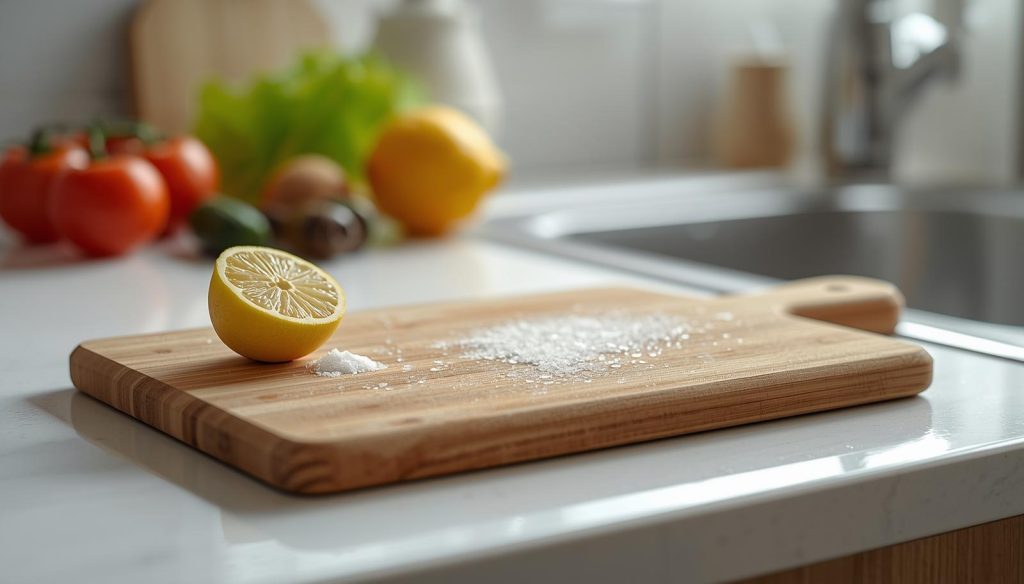
Use lemon juice and coarse salt for a natural scrub that removes stains and bacteria. Sprinkle salt on the board.
Cut a lemon in half and rub it over the salted board. Let it sit for five minutes before rinsing with warm water.
| Ingredient | Purpose |
| Lemon Juice | Kills germs and removes odors |
| Coarse Salt | Acts as a scrub to remove dirt |
Drying And Storage Tips
Sanitizing cutting boards is important for food safety. After cleaning, drying and storing them properly keeps them safe to use.
Drying and storing cutting boards the right way prevents bacteria growth. Follow simple steps to keep your boards clean and dry.
Proper Air Drying
After washing, dry your cutting board in open air. Avoid putting it away while it is still wet or damp.
- Place the board upright to let both sides dry.
- Keep it in a clean, well-ventilated area.
- Do not stack boards on top of each other while drying.
- Use a drying rack or stand if available.
Safe Storage Practices
Storing cutting boards correctly keeps them dry and clean. Proper storage stops mold and bacteria from growing.
| Storage Tip | Description |
| Keep upright | Store boards standing up to allow air flow. |
| Separate by material | Store wooden and plastic boards separately. |
| Use a clean place | Store in a dry, clean cabinet or shelf. |
| Check regularly | Look for cracks or damage before use. |
Replacing Cutting Boards
Cutting boards can get worn out after long use. It is important to replace them to keep your kitchen safe and clean.
Old boards can harbor bacteria and cause food contamination. Knowing when to replace your cutting boards helps prevent health risks.
Signs Boards Are Worn Out
Look for cracks, deep cuts, or grooves on your cutting board. These can trap bacteria and make cleaning hard.
Boards that are warped or stained may also be unsafe. Warping can cause the board to move while cutting.
- Cracks or deep cuts on the surface
- Warping or bending of the board
- Stains that do not wash off
- Strong odors that remain after cleaning
- Loose or broken pieces of wood or plastic
When To Buy New Boards
Buy new cutting boards when you notice damage you cannot fix. Also replace them if cleaning does not remove smells or stains.
It is good to have different boards for meat and vegetables. Replace boards used for raw meat more often to avoid germs.
- Replace boards with cracks or deep cuts
- Get new boards if they warp or bend
- Change boards that keep bad smells
- Buy new boards for raw meat regularly
- Replace plastic boards after heavy use
:max_bytes(150000):strip_icc()/GettyImages-2195439933-114e75009db444fd816a82aeb8f7a5a8.jpg)
Credit: www.southernliving.com
Frequently Asked Questions
How Often Should I Sanitize My Cutting Board?
You should sanitize your cutting board after every use, especially after cutting raw meat. This prevents cross-contamination and bacterial growth. Regular cleaning with soap and water followed by sanitizing keeps your board safe and hygienic.
What Is The Best Sanitizer For Cutting Boards?
A mixture of one tablespoon of bleach in one gallon of water is a highly effective sanitizer. Alternatively, white vinegar or hydrogen peroxide can also kill bacteria safely on cutting boards.
Can I Use The Dishwasher To Sanitize Cutting Boards?
Yes, most plastic cutting boards are dishwasher safe and can be sanitized using high heat. Wooden boards should not go in the dishwasher as it can damage the wood and reduce lifespan.
How Do I Sanitize Wooden Cutting Boards Safely?
Use a solution of vinegar or diluted bleach to sanitize wooden boards. Avoid soaking wood in water or harsh chemicals to prevent cracking and warping.
Conclusion
Sanitizing cutting boards keeps your kitchen safe and clean. Regular cleaning stops germs from spreading to food. Use simple household items like vinegar or bleach solutions. Always dry boards well to avoid bacteria growth. Remember, a clean board means healthier meals for you.
Small habits make a big difference in food safety. Keep your cutting boards fresh and protect your family’s health. Safe cooking starts with clean tools every time.