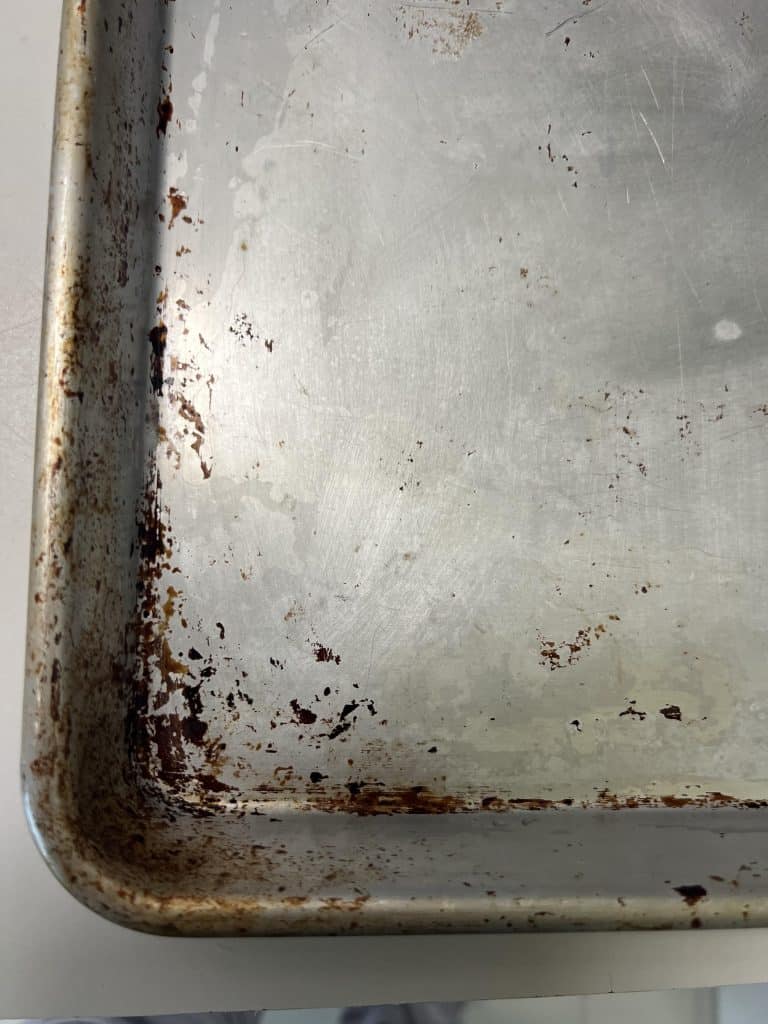
Have you ever pulled out your favorite baking pan, only to find it covered in stubborn, greasy residue? It’s a common frustration for anyone who loves to bake.
Knowing how to clean greasy baking pans can save your bakeware—and your sanity. Those sticky, baked-on stains can seem impossible to remove, leaving you feeling defeated in your own kitchen. But don’t worry, you’re not alone in this battle against grime.
Imagine the satisfaction of a sparkling clean pan, ready for your next culinary adventure. With the right approach, you can make this a reality.
Dive into our simple, effective methods for cleaning greasy baking pans, and discover how easy it can be to restore them to their former glory. Let’s transform your kitchen cleanup routine and bring back the joy of baking without the mess!
Common Causes of Greasy Pans
Greasy baking pans can make cooking and cleaning difficult. Knowing why pans get greasy helps you keep them cleaner.
Many factors cause grease build-up. Some come from cooking habits, while others come from the pan itself.
Using Too Much Oil Or Butter
Adding more oil or butter than needed leaves a greasy layer on the pan. This layer sticks and is hard to wash off.
High Cooking Temperatures
Cooking at high heat burns fats and oils. Burned grease sticks tightly to the pan and creates a sticky, greasy film.
Not Cleaning Pans Quickly
Waiting too long to clean pans lets grease harden. Hardened grease is tougher to remove and builds up over time.
- Clean pans right after use
- Use warm water and soap to break down grease
- Avoid leaving pans soaking too long
Using Nonstick Pans Incorrectly
Nonstick pans need gentle care. Using metal tools or harsh cleaners can damage coating and trap grease.
| Common Mistake | Effect on Pan |
|---|---|
| Metal utensils | Scratches coating, traps grease |
| Abrasive sponges | Wears off nonstick surface |
| Cooking sprays | Leaves sticky residue |
Residual Food Particles
Leftover food bits mix with oils and form greasy spots. These spots grow if pans are not cleaned well.
Essential Cleaning Supplies
Cleaning greasy baking pans can be tough without the right tools. Using the correct supplies makes the job easier and faster.
This guide lists the essential cleaning supplies you need to clean your baking pans well.
Dish Soap
Dish soap is a must-have for breaking down grease. It helps remove oily residue from baking pans.
Use a strong, grease-cutting dish soap for best results.
Baking Soda
Baking soda is a gentle abrasive that helps lift stuck-on grease. It also deodorizes pans naturally.
Sprinkle baking soda on the pan and scrub with a sponge or brush.
White Vinegar
White vinegar cuts through grease and helps dissolve baked-on food. It also shines your pans.
Mix vinegar with water to soak pans for a quick clean.
Scrubbing Sponge
A scrubbing sponge removes grease without scratching pans. Use one with a soft side and a rough side.
The soft side cleans gently, and the rough side handles tough spots.
Plastic Or Silicone Scraper
Plastic or silicone scrapers help lift baked-on grease without damaging the pan’s surface.
Use the scraper to remove stubborn bits before washing.
Hot Water
Hot water loosens grease and food particles. It makes scrubbing easier and more effective.
Always rinse pans with hot water after applying cleaning agents.
Pre-soaking Techniques
Greasy baking pans can be hard to clean with just soap and water. Pre-soaking helps loosen stuck-on grease and food.
Using the right pre-soaking methods makes scrubbing easier and saves time.
Warm Water And Dish Soap Soak
Fill the pan with warm water and add a few drops of dish soap. Let it soak for 15 to 30 minutes.
The soap breaks down grease, making it easier to remove with a sponge or brush.
Baking Soda Paste Soak
Mix baking soda with warm water to make a thick paste. Spread the paste on greasy spots and let it sit for 30 minutes.
Baking soda helps lift grease without scratching the pan’s surface.
Vinegar And Baking Soda Soak
Pour vinegar over the pan, then sprinkle baking soda on top. The mix will bubble and fizz. Let it soak for 20 minutes.
This method breaks down tough grease and makes scrubbing easier.
Hot Water And Salt Soak
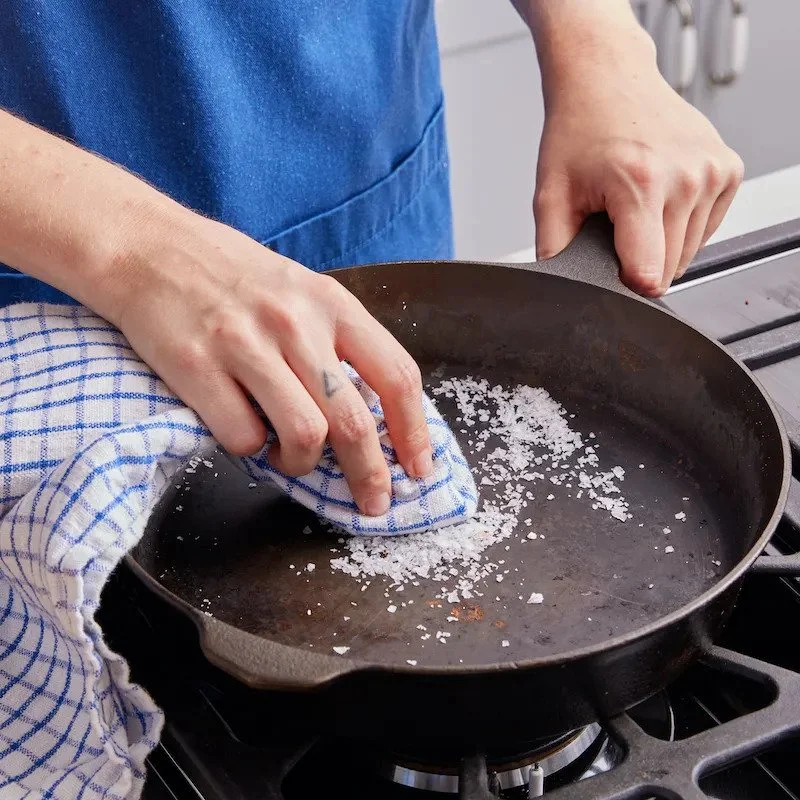
Fill the pan with hot water and add a few tablespoons of coarse salt. Let it soak for 15 minutes.
The salt acts as a gentle scrubber to help loosen grease during soaking.
Credit: ourwabisabilife.com
Using Baking Soda And Vinegar
Cleaning greasy baking pans can be tough. Baking soda and vinegar are natural cleaners. They help remove grease without harsh chemicals.
These two ingredients work well together. Baking soda scrubs away stuck-on food. Vinegar breaks down grease and grime.
Prepare The Baking Pan
Start by removing loose food bits from the pan. Use warm water and a cloth or sponge to rinse the pan. This step makes cleaning easier.
Apply Baking Soda
Sprinkle a thick layer of baking soda over the greasy areas. Make sure to cover all spots with stuck-on residue. Baking soda helps lift the grime.
Add Vinegar And Let It Sit
Pour white vinegar over the baking soda. You will see bubbles form. This reaction helps break down the grease.
- Let the mixture sit for 15 to 30 minutes.
- Do not scrub yet to allow the reaction time.
- This softens baked-on grease for easier cleaning.
Scrub And Rinse The Pan
Use a sponge or scrub brush to clean the pan. Apply pressure to greasy spots. Baking soda acts as a mild abrasive.
| Tools Needed | Description |
| Sponge | For gentle scrubbing of the pan surface |
| Scrub Brush | For tougher grease and stuck-on food |
| Warm Water | Helps rinse away loosened grease and residue |
Final Cleaning Tips
For very greasy pans, repeat the baking soda and vinegar treatment. Dry the pan fully after washing. Store pans in a dry place to avoid rust.
Applying Dish Soap And Hot Water
Cleaning greasy baking pans is easy with the right method. Dish soap and hot water work well to remove stuck-on grease.
This guide explains how to use these simple ingredients to get your pans clean and ready for your next bake.
Prepare Your Baking Pan
Start by removing any loose crumbs or burnt bits from the pan. Use a soft cloth or paper towel for this step.
Apply Dish Soap
Pour a good amount of dish soap directly onto the greasy areas. Use soap designed to cut grease for better results.
Add Hot Water And Soak
Fill the pan with hot water until the greasy spots are covered. Let the pan soak for 15 to 30 minutes.
- Use water as hot as you can safely handle
- Soaking loosens the grease and baked-on food
- Do not use boiling water on non-stick pans
Scrub And Rinse
After soaking, scrub the pan gently with a sponge or brush. Rinse thoroughly with clean water to remove soap and grease.
Tip: If grease remains, repeat the process or use a paste of baking soda and water for extra cleaning power.
Credit: www.yahoo.com
Scrubbing Tips Without Damaging Pans
Cleaning greasy baking pans can be tough. Scrubbing too hard may damage the surface. Use gentle methods to keep your pans safe and clean.
This guide shares simple scrubbing tips that protect your pans while removing grease effectively.
Use Soft Scrubbing Tools
Choose soft sponges or cloths instead of steel wool. Hard scrubbers can scratch non-stick or coated pans. Soft tools clean well without harm.
Apply Gentle Cleaning Agents
Use mild dish soap or baking soda paste to break down grease. Avoid harsh chemicals that wear down pan surfaces over time.
Soak Pans Before Scrubbing
Fill your pan with warm water and a little soap. Let it soak for 15 to 30 minutes. This softens baked-on grease and reduces scrubbing effort.
Scrubbing Techniques To Protect Pans
- Rub gently in circular motions
- Focus on greasy spots without pressing hard
- Use a plastic scraper for stuck residue
- Rinse often to check progress
- Dry pans immediately after cleaning
Avoid These Scrubbing Mistakes
| Mistake | Effect on Pan |
| Using steel wool | Scratches surface |
| Scrubbing dry pan | Wears coating |
| Harsh chemicals | Dulls finish |
| High-pressure scrubbing | Deforms pan shape |
Removing Stubborn Grease Spots
Greasy baking pans can be hard to clean. Stubborn grease spots stay even after washing.
This guide shows easy ways to remove tough grease from your pans. Follow these tips to get them clean again.
Use Baking Soda And Vinegar
Baking soda and vinegar work well to break down grease. They create a gentle fizz that lifts stains.
Sprinkle baking soda over the greasy spots. Then, spray or pour vinegar on top. Let it sit for 15 minutes.
Apply Dish Soap And Hot Water
Dish soap cuts through grease fast. Use hot water to help dissolve the oily residue.
- Fill the pan with hot water.
- Add a few drops of strong dish soap.
- Let it soak for 30 minutes.
- Scrub gently with a sponge or brush.
- Rinse with clean water.
Try Lemon Juice For Extra Cleaning
Lemon juice acts as a natural cleaner. It cuts grease and leaves a fresh scent.
Rub lemon juice directly on grease spots. Let it sit for 10 minutes. Then scrub and rinse.
Use A Table To Compare Cleaning Methods
| Method | Time Needed | Effectiveness |
| Baking Soda & Vinegar | 15 minutes | Good for light to medium grease |
| Dish Soap & Hot Water | 30 minutes | Best for heavy grease |
| Lemon Juice | 10 minutes | Good for fresh grease spots |
Credit: blog.blueapron.com
Cleaning Non-stick Vs. Metal Pans
Greasy baking pans can be hard to clean. Different pans need different care to keep them safe and last longer.
Non-stick pans and metal pans require different cleaning methods. Using the wrong way can damage your pans.
Cleaning Non-stick Pans
Non-stick pans have a coating that stops food from sticking. This coating is delicate and can scratch easily.
Use gentle cleaning tools and mild soaps. Avoid steel wool or harsh scrubbers that can ruin the coating.
- Let the pan cool before washing
- Use warm water and dish soap
- Clean with a soft sponge or cloth
- Soak the pan if grease is stuck
- Dry with a soft towel to avoid water spots
Cleaning Metal Pans
Metal pans are strong and can handle tough cleaning. They can develop burnt grease, which needs scrubbing.
Use scrubbing pads or brushes safely. Avoid harsh chemicals that can damage the metal surface.
- Soak the pan in hot, soapy water
- Scrub with a non-abrasive scrubber or brush
- Use baking soda for tough grease stains
- Rinse well to remove all soap
- Dry completely to stop rust
Preventing Future Grease Build-up
Greasy baking pans are hard to clean and slow you down. Preventing grease build-up saves time and effort.
Use simple habits to keep your pans cleaner for longer. These tips make cleanup easier after baking.
Use Parchment Paper Or Silicone Mats
Line your baking pans with parchment paper or silicone mats. These create a barrier between food and pan.
This stops grease from sticking directly to the pan. Cleanup becomes much faster and easier.
- Cut parchment paper to fit pan size
- Place silicone mats flat in the pan
- Reuse silicone mats for many bakes
Apply A Light Coat Of Oil
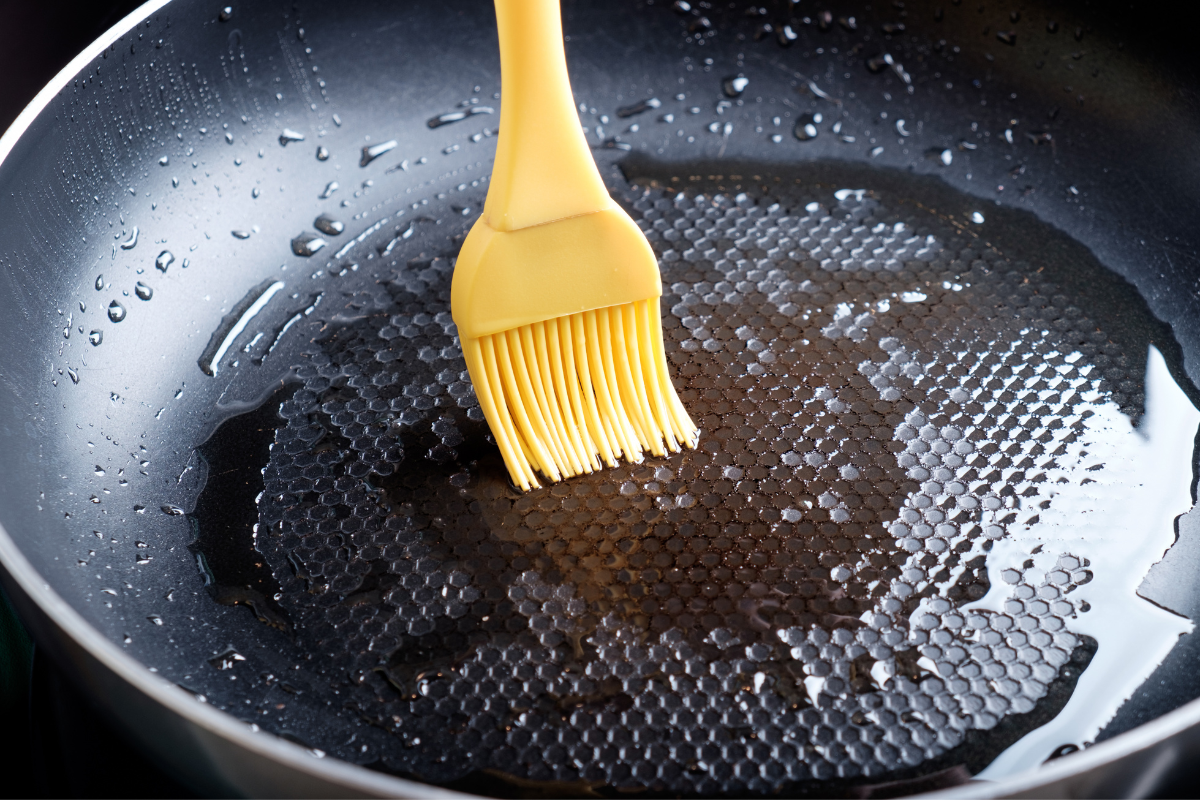
Brush a thin layer of cooking oil on the pan before baking. This prevents food from sticking and reduces grease build-up.
Use oils with high smoke points like vegetable or canola oil for best results.
- Use a paper towel to spread oil evenly
- Don’t use too much oil, just a thin coat
- Wipe off excess oil to avoid sticky residue
Clean Pans Immediately After Use
Wash your pans right after baking. Grease and food bits are easier to remove when still warm.
If you wait too long, grease hardens and becomes tough to clean.
- Soak pans in warm, soapy water for 10 minutes
- Use a soft sponge to avoid scratching
- Dry pans completely before storing
Avoid Using Metal Utensils
Metal tools can scratch your pans. Scratches trap grease and make cleaning harder.
Use wooden, silicone, or plastic utensils instead. These protect your pans and reduce grease build-up.
- Choose silicone spatulas for scraping
- Use wooden spoons for stirring
- Avoid sharp knives or metal scrapers
Store Pans Properly
Keep your baking pans clean and dry before storing. Moisture encourages grease to stick and grow bacteria.
Stack pans with paper towels between them to keep surfaces dry and grease-free.
- Dry pans fully after washing
- Place a paper towel between stacked pans
- Store in a dry, cool cabinet
Alternative Natural Cleaning Methods
Greasy baking pans can be tough to clean. Natural methods use simple ingredients you likely have at home. These methods are safe and gentle on your pans.
Try these alternative natural cleaning methods to remove grease without harsh chemicals. They are easy to follow and effective for regular cleaning.
Baking Soda And Vinegar
Make a paste using baking soda and water. Spread it over the greasy areas of the pan. Let it sit for 15 minutes.
Spray or pour vinegar on the paste. It will bubble and lift the grease. Scrub with a sponge and rinse with warm water.
Lemon And Salt Scrub
Cut a lemon in half and sprinkle salt on the cut side. Use it like a scrubber on greasy spots. The lemon juice cuts grease and the salt acts as a scrub.
Rinse the pan with warm water and dry it with a cloth. This method adds a fresh smell to your pan.
Boiling Water And Baking Soda
Fill the pan with water and add two tablespoons of baking soda. Bring the water to a boil on the stove.
Let it boil for 10 minutes to loosen the grease. Carefully pour out the water and scrub the pan gently. Rinse and dry.
Natural Cleaning Ingredients Comparison
| Ingredient | Use | Benefits |
| Baking Soda | Paste or boiling water | Removes grease, gentle scrub |
| Vinegar | Spray on baking soda paste | Lifts grease, natural disinfectant |
| Lemon | Scrub with salt | Breaks down grease, fresh scent |
| Salt | Sprinkle on lemon half | Acts as a scrub, abrasive but safe |
Frequently Asked Questions
How Do I Remove Grease From Baking Pans Effectively?
To remove grease, soak the pan in hot, soapy water for 15-20 minutes. Use a non-abrasive scrubber to scrub off remaining grease gently. Rinse well with warm water and dry thoroughly to prevent rust and residue.
What Household Items Clean Greasy Baking Pans Best?
Baking soda, white vinegar, and dish soap work well. Make a paste with baking soda and water, apply it, then spray vinegar. Let it fizz for 10 minutes, scrub, and rinse clean for grease-free pans.
Can I Clean Greasy Pans Without Harsh Chemicals?
Yes, natural cleaners like baking soda and vinegar are safe and effective. Avoid bleach or strong chemicals to protect your pan’s surface and health. These natural methods also help maintain the pan’s longevity.
How Often Should I Clean Baking Pans To Avoid Grease?
Clean pans immediately after use to prevent grease buildup. Regular cleaning after every bake keeps pans grease-free and extends their life. Prompt care avoids tough stains and improves baking results.
Conclusion
Cleaning greasy baking pans does not have to be hard. Use common kitchen items like baking soda and vinegar. Scrub gently to avoid damage. Rinse well and dry completely before storing. Regular cleaning keeps pans ready for your next baking session.
A clean pan helps food cook evenly and taste better. Keep these simple steps in mind for easy cleanup. Your baking pans will last longer and stay in great shape. Try these tips and enjoy hassle-free baking every time.