Are you tired of your cakes sticking to the pan and ruining your baking masterpiece? You’re not alone.
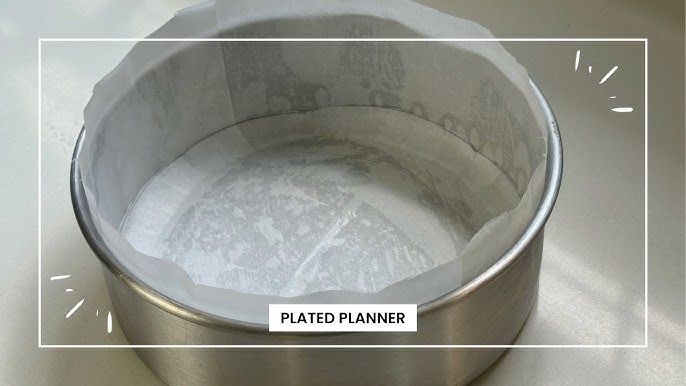
Knowing how to line round baking pan with parchment is a simple yet game-changing technique that can save your cakes and your sanity. This method ensures your cakes come out perfectly every time.
In this guide, we’ll walk you through the easy steps to master this essential baking skill. Stick with us, and you’ll soon be impressing friends and family with flawless baked goods, effortlessly sliding out of the pan. Ready to elevate your baking game? Let’s dive in!
Choose The Right Parchment Paper
Lining a round baking pan with parchment paper helps prevent sticking. It also makes cleanup easier after baking.
Choosing the right parchment paper is important. The wrong type can tear or burn during baking.
Check The Heat Resistance
Look for parchment paper that can handle high oven temperatures. Most types are safe up to 420°F (215°C). Some can withstand even higher heat.
Pick Non-stick And Greaseproof Paper
Choose parchment paper labeled non-stick or greaseproof. This makes it easier to remove baked goods without damage.
Consider Size And Thickness
Use parchment paper wide enough to fit your round pan. Thicker paper is less likely to rip or fold during lining.
- Standard parchment paper rolls usually fit most pans.
- Look for parchment sheets if you want a pre-cut size.
- Thicker parchment lasts longer and holds shape better.
Avoid Wax Paper
Do not use wax paper for baking. Wax paper can melt or smoke in the oven and ruin your bake.
Compare Features In A Table
| Type | Heat Resistance | Non-Stick | Best Use |
|---|---|---|---|
| Parchment Paper | Up to 420°F (215°C) | Yes | Lining pans, baking cookies, cakes |
| Silicone Baking Mat | Up to 480°F (250°C) | Yes | Reusable baking surface |
| Wax Paper | Not heat resistant | No | Wrapping food, not for baking |
Measure Your Pan
Measuring your baking pan correctly helps you cut the right size of parchment paper. This step makes sure your baked goods come out clean and easy to remove.
Take your time to get exact measurements. This will save you from wasting parchment paper and improve your baking results.
Measure The Diameter
Use a ruler or measuring tape to find the diameter of your round pan. Measure across the top from one edge to the other, passing through the center.
Measure The Height
Measure the height of your pan from the base to the top edge. This helps you know how much parchment paper to cut for the sides.
Calculate The Circle For The Base
To cut parchment for the base, you need a circle slightly larger than the pan’s diameter. Add about 1 inch to the diameter measurement for easy fitting.
- Measure the pan diameter (D).
- Add 1 inch to D for extra space.
- Draw a circle with this new diameter on parchment paper.
Measure The Side Length For The Wall
To cover the sides, measure the pan’s height and the circumference. The parchment strip should be tall enough and long enough to wrap around the pan.
| Measurement | How to Measure | Use For |
| Height | From base to top edge | Length of parchment strip |
| Circumference | Diameter × 3.14 (π) | Width of parchment strip |
Double Check Your Measurements
Before cutting, check your measurements again. Use a flexible tape measure to confirm both diameter and height. This avoids mistakes and saves parchment paper.
Here is a quick formula you can use:
- Base circle diameter= Pan diameter + 1 inch
- Side strip length= Pan height
- Side strip width= Pan diameter × 3.14 (π)
Cut The Parchment Paper
Lining a round baking pan with parchment paper helps prevent sticking. Cutting the parchment paper to fit the pan is easy once you know the steps.
Cutting the paper correctly saves time and makes cleaning easier. Focus on cutting a circle for the base and strips for the sides.
Cutting A Circle For The Base
Start by placing the round baking pan on top of the parchment paper. Trace around the pan’s bottom with a pencil or pen.
Use scissors to cut along the traced line. This circle will fit perfectly inside the pan’s base and prevent sticking.
- Place pan on parchment paper
- Trace the pan’s bottom
- Cut along the traced circle
- Fit the circle inside the pan
Cutting Strips For The Sides
Next, measure the height and circumference of the pan sides. Cut strips of parchment paper to match these measurements.
Make sure the strips are tall enough to cover the pan’s sides fully. This keeps batter from leaking and helps easy removal.
- Measure pan height and circumference
- Cut strips matching these sizes
- Check strips fit snugly inside the pan
- Line the sides with the strips

Credit: www.amazon.com
Grease The Pan
Greasing the pan helps the parchment paper stick better. It also stops the cake from sticking to the pan.
You can use butter, oil, or cooking spray to grease your round baking pan. This step makes lining the pan easier.
Use Butter To Grease
Butter adds flavor and helps the parchment stick. Use room temperature butter for easy spreading.
Spread a thin, even layer of butter on the bottom and sides of the pan. Make sure every part is covered.
Apply Cooking Spray
Cooking spray is quick and less messy. Spray the entire inside of the pan evenly.
Hold the spray about 6 inches from the pan. Cover the bottom and sides for best results.
Use Oil For Greasing
Use a paper towel or brush to spread a small amount of oil. Vegetable or canola oil works well.
Coat the pan’s bottom and sides with a thin layer of oil. This prevents sticking and helps parchment stick.
Place The Parchment Circle
Lining a round baking pan with parchment paper helps prevent sticking. Placing the parchment circle correctly ensures easy cake removal.
This guide explains how to place the parchment circle neatly and securely in your pan.
Cutting The Parchment Circle
First, cut a parchment paper circle that fits the bottom of your pan. Use the pan as a template for size.
Place the pan upside down on the parchment and trace around it with a pencil. Cut along the line carefully.
Fitting The Parchment In The Pan
Place the parchment circle flat inside the bottom of the pan. Make sure it lies smoothly without wrinkles.
- Press the paper gently against the pan’s bottom.
- If the paper curls up, trim the edges slightly.
- Do not stretch the parchment to avoid tearing.
Securing The Parchment Circle
To keep the parchment circle in place, use one of these methods.
| Method | Description |
| Butter or Oil | Lightly grease the pan before placing parchment. It helps paper stick. |
| Pan Weight | Place a small amount of batter or beans to hold parchment flat. |
| Clips | Use binder clips on the pan edges (remove before baking). |

Credit: www.youtube.com
Line The Sides With Parchment Strips
Lining a round baking pan with parchment strips helps prevent sticking. It also makes it easier to remove your baked goods.
Cut strips of parchment paper to fit the sides of the pan. Place these strips inside the pan before adding your batter.
Pressing The Paper To Fit
Press each parchment strip firmly against the sides of the pan. Make sure the paper sticks well to the curved surface.
Use your fingers to smooth out air bubbles and wrinkles. This ensures even coverage and prevents batter from leaking underneath.
Trimming Excess Paper
Trim any extra parchment that extends above the pan’s edge. This keeps the strips neat and prevents paper from burning.
Use scissors to cut close to the rim without tearing the paper. Clean edges help the pan fit in the oven and stack better.
Tips For Easy Removal
Lining a round baking pan with parchment helps your baked goods come out cleanly. It prevents sticking and makes cleanup simple.
Follow these tips to remove your cakes and other treats easily from the pan without damage.
Cut Parchment To Fit Your Pan
Trace the pan’s bottom on parchment paper and cut the circle. This fits the base perfectly and stops sticking.
Grease The Pan Before Lining
Apply a thin layer of butter or oil to the pan before placing the parchment. This helps the paper stick and stay in place.
Use A Crisscross Method For The Sides
Cut two strips of parchment long enough to cross inside the pan. Lay them in a cross shape before adding the round base piece.
- This creates handles to lift the baked goods easily.
- The strips protect the pan’s sides from sticking.
- It allows you to remove cakes without breaking them.
Cool Your Baked Goods Properly
Let your cakes cool in the pan for 10 to 15 minutes. Cooling helps them firm up and reduces tearing when removed.
Lift Using Parchment Handles
Once cool, use the parchment strips to lift the cake from the pan. This avoids using a knife or spatula that can break the cake.
Trim Excess Parchment Before Baking
Cut away any extra parchment that sticks above the pan’s edge. Excess paper can burn or brown during baking.
| Tip | Benefit |
| Cut parchment to pan size | Prevents sticking on the bottom |
| Grease pan first | Keeps parchment in place |
| Use crisscross strips | Creates easy-to-lift handles |
| Cool cake before removing | Reduces risk of breaking |
| Trim excess parchment | Avoids burning edges |

Credit: kickassbaker.com
Frequently Asked Questions
How Do I Cut Parchment Paper For A Round Pan?
Cut parchment paper into a square larger than your pan. Fold it into quarters, then round the edges. Unfold to get a perfect circle that fits your round pan.
Can I Reuse Parchment Paper For Baking?
Parchment paper is usually single-use. Reusing may cause sticking or burning. For best results, always use fresh parchment for each bake.
Why Line A Round Pan With Parchment Paper?
Lining prevents sticking and makes cake removal easier. It also protects the pan and ensures even baking. This leads to perfectly baked, easy-to-release cakes.
How Do I Keep Parchment Paper From Moving?
Grease the pan lightly before placing parchment. This helps the paper stick and stay in place during batter pouring and baking.
Conclusion
Lining a round baking pan with parchment helps your cake bake evenly. It stops the cake from sticking and makes cleanup easy. Cutting the parchment to fit your pan saves time and reduces mess. Using this simple step improves your baking results every time.
Try it in your next baking project and see the difference. Baking becomes less frustrating and more fun. A small effort that brings great rewards.