

Are you tired of opening your kitchen compost bin only to be greeted by a swarm of pesky fruit flies? You’re not alone.
These tiny invaders can turn your eco-friendly composting efforts into a frustrating battle. But don’t worry, keeping fruit flies at bay is easier than you think. By making a few simple changes, you can enjoy a compost bin that’s free from unwelcome guests.
Curious to know how? Keep reading, and you’ll discover practical tips and tricks that will make your compost bin a fruit fly-free zone. Let’s dive in and transform your kitchen composting experience for the better!
Causes Of Fruit Flies In Compost
Fruit flies often appear in kitchen compost bins. They find food and places to lay eggs there. Understanding what attracts them helps stop their growth.
Fruit flies grow quickly in the right conditions. Knowing these causes helps keep your compost bin clean and fly-free.
Common Attractants
Fruit flies are drawn to sweet and rotting food in compost bins. They like fruits, vegetables, and moist scraps. These attractants give them food and places to stay.
- Overripe or rotting fruit pieces
- Vegetable scraps with moisture
- Food spills inside the bin
- Uncovered food waste
Breeding Conditions
Fruit flies need warmth and moisture to breed. Kitchen compost bins often have both. The flies lay eggs on wet food waste where larvae grow.
- Warm temperatures inside the bin
- Moist and soft food scraps
- Dark, protected spaces for eggs
- Slow composting that keeps waste wet

Credit: www.amazon.ca
Choosing The Right Compost Bin
Choosing the right compost bin helps keep fruit flies away from your kitchen. A good bin controls smell and keeps pests out. It also helps compost break down faster and cleaner.
Consider the bin type and material before buying. These affect how well the bin works and how easy it is to use.
Sealed Vs. Open Bins
Sealed bins keep air and bugs out. They reduce fruit flies by closing off food scraps. Open bins let air in but can attract flies if not covered well.
- Sealed bins stop smells from escaping
- They prevent fruit flies from entering
- Open bins allow more airflow for faster composting
- Open bins need tight lids or covers to block flies
- Sealed bins may need stirring to add air inside
Material And Design
| Material | Benefit | Drawback |
| Plastic | Light and easy to clean | Can trap heat and moisture |
| Metal | Durable and pest-resistant | Can rust and get hot |
| Wood | Natural look and breathable | Needs maintenance and can rot |
Design features like tight-fitting lids and ventilation holes help control pests and airflow. Choose a bin with a smooth inside for easy cleaning.
Proper Food Waste Preparation
Preparing food waste correctly helps reduce fruit flies in your kitchen compost bin. Small changes in handling scraps make a big difference.
Focus on chopping waste and avoiding overly ripe fruits to keep your compost fresh and fly-free.
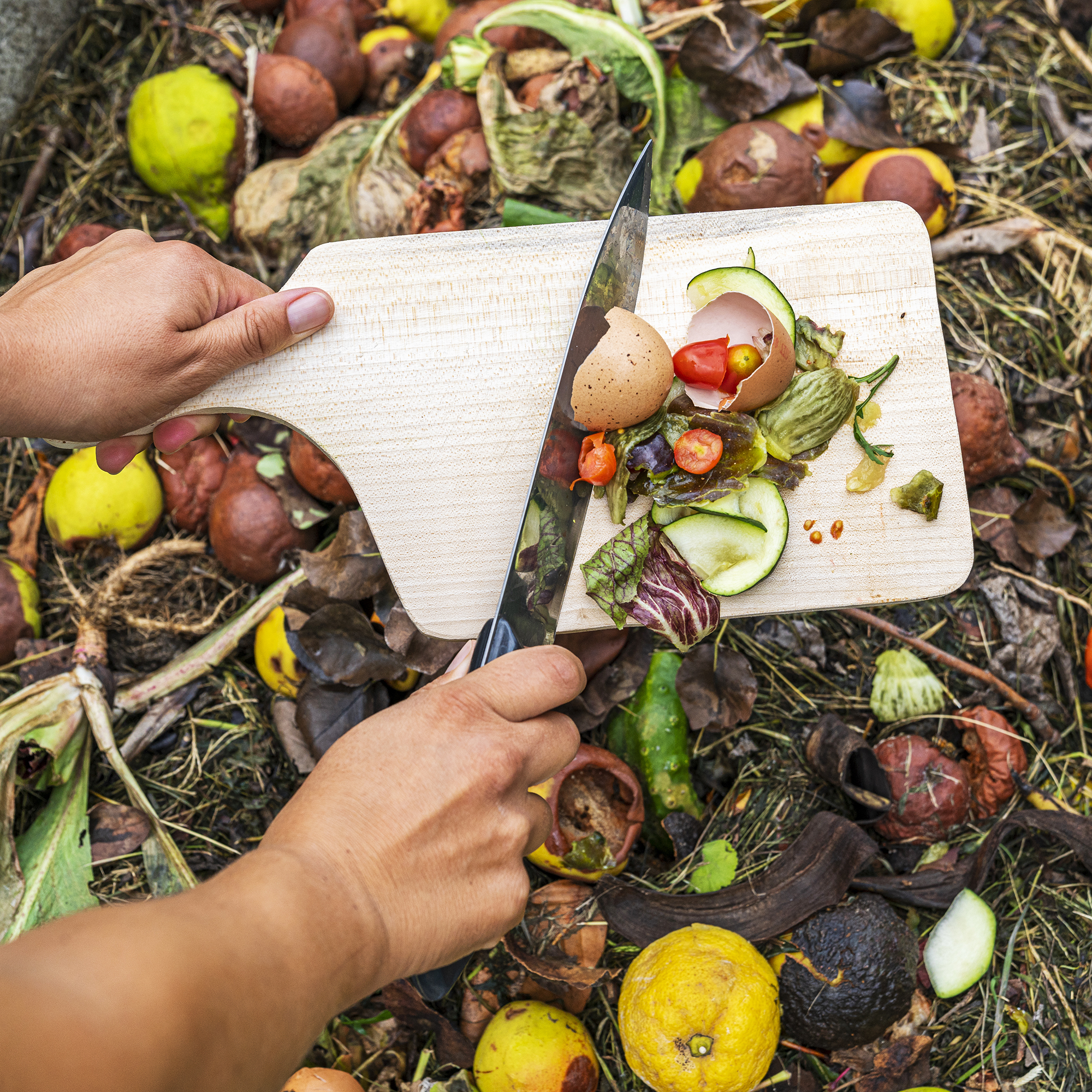
Chop And Cover
Cut food scraps into small pieces before adding them to the compost bin. This speeds up decomposition and reduces odor.
- Chop fruit and vegetable scraps into bite-sized pieces.
- Cover each layer of food waste with dry materials like shredded paper or dry leaves.
- Close the compost bin lid tightly after each use to block flies.
Avoiding Overripe Fruits
Overripe fruits attract fruit flies quickly. Avoid adding them to your compost bin or add them in small amounts.
| Fruit Type | Ripeness Level | Compost Advice |
| Bananas | Firm or Slightly Soft | Good for compost |
| Bananas | Very Soft or Moldy | Avoid or add sparingly |
| Apples | Firm | Ideal for compost |
| Apples | Brown and Mushy | Limit quantity |
| Berries | Fresh | Safe to compost |
| Berries | Fermented or Overripe | Do not add |
Regular Maintenance Practices
Keeping your kitchen compost bin clean stops fruit flies from breeding. Regular care lowers smells and pests.
Two key habits help a lot: emptying the bin often and cleaning it well. These steps keep flies away.
Frequent Emptying
Empty your compost bin regularly. Fruit flies like old food, so don’t let scraps sit too long.
- Check the bin every two to three days.
- Remove scraps before they start to rot.
- Transfer compost to an outdoor pile or bin.
- Seal the bin after emptying to keep flies out.
Cleaning The Bin
Cleaning your compost bin stops eggs and larvae from growing inside. Use water and mild soap.
| Cleaning Step | Details |
| Remove all compost | Empty the bin fully before washing. |
| Wash with soap | Use warm water and mild soap to scrub. |
| Rinse well | Make sure no soap remains inside. |
| Dry completely | Keep the bin dry to prevent flies. |
Natural Deterrents For Fruit Flies
Fruit flies can be a big problem in kitchen compost bins. These tiny bugs like rotting fruit and vegetables. You can use natural ways to keep them away without chemicals.
Natural deterrents are safe and easy to use. They help stop fruit flies from laying eggs and spreading. Let’s look at some natural options.
Essential Oils
Essential oils have strong smells that fruit flies dislike. You can use oils like peppermint, eucalyptus, and lavender. These oils confuse the flies and keep them away from your compost.
To use essential oils, add a few drops to a cotton ball. Place the cotton ball near your compost bin. Replace it every few days to keep the smell fresh.
- Peppermint oil masks food smells and repels flies
- Eucalyptus oil has a sharp scent that flies avoid
- Lavender oil calms the area and deters pests
Herbs And Spices
Some herbs and spices naturally stop fruit flies. Basil, bay leaves, and cloves have smells that flies do not like. Put these herbs near your compost to block flies.
You can use fresh or dried herbs. Crush the leaves or sprinkle the spices to release more scent. Change them regularly to keep the effect strong.
- Basil leaves give off a scent that repels fruit flies
- Bay leaves work well to keep bugs away from bins
- Cloves have a strong smell that flies avoid
Credit: www.gardeningknowhow.com
Diy Traps And Solutions
Fruit flies can quickly become a problem around kitchen compost bins. They are attracted to the smell of rotting fruits and vegetables. You can reduce their numbers with simple homemade traps.
Using easy materials found at home, you can make traps that catch fruit flies and keep your compost area cleaner. Try these two effective methods.
Vinegar Traps
Apple cider vinegar works well to attract fruit flies. The smell draws them close, and they get trapped inside the container. Here is how to make a vinegar trap:
- Pour apple cider vinegar into a small bowl or jar.
- Add a few drops of dish soap to break the surface tension.
- Cover the container with plastic wrap and poke small holes in it.
- Place the trap near your compost bin or fruit fly hotspots.
- Empty and refill the trap every few days for best results.
Soap And Water Mix
This simple mix uses soap and water to trap fruit flies. The soap makes the water sticky, which captures the flies when they land.
| Ingredient | Amount |
|---|---|
| Water | 1 cup |
| Dish soap | 1 teaspoon |
Mix the water and soap in a shallow dish. Place it near the compost bin. Flies will get caught when they try to land on the water’s surface.
Environmental Factors To Consider
Fruit flies can quickly invade a kitchen compost bin. Certain environmental factors make this problem worse. Understanding these factors helps keep fruit flies away.
Temperature, humidity, and bin location all affect fruit fly activity. Adjusting these can reduce fruit fly presence in your compost.
Temperature And Humidity
Fruit flies like warm and damp places. High temperature and humidity speed up their breeding.
Keeping your compost bin cooler and less moist slows fruit fly growth. Avoid letting the compost get too wet or hot.
- Keep compost temperature below 85°F (29°C)
- Turn compost regularly to reduce moisture
- Cover food scraps with dry leaves or paper
- Avoid over-watering the compost bin
Location Of Compost Bin
Place your compost bin in a shaded, airy spot. Direct sunlight can heat it up and attract fruit flies.
Good airflow helps keep the compost dry and cool. Avoid putting the bin near kitchen doors or windows to limit fly access.
- Choose a shaded area outside
- Keep bin away from fruit fly entry points
- Ensure good air circulation around the bin
- Place bin on a raised surface if possible

Credit: www.bamboozlehome.com
Frequently Asked Questions
How Can I Stop Fruit Flies In My Kitchen Compost Bin?
Keep your compost bin covered with a tight lid to block fruit flies. Regularly turn the compost to reduce odors. Avoid adding overly ripe or rotting fruit. Clean the bin often to remove residue that attracts flies.
What Materials Prevent Fruit Flies In Compost Bins?
Use dry, carbon-rich materials like shredded newspaper or dry leaves. They balance moisture and reduce fruit fly attraction. Avoid adding too much fresh fruit or vegetable scraps at once.
How Often Should I Clean My Kitchen Compost Bin?
Clean your compost bin at least once a week. Use mild soap and water to remove residue. This limits fruit fly breeding sites and keeps the bin fresh.
Can I Use Traps To Control Fruit Flies In Compost?
Yes, homemade traps with apple cider vinegar attract and trap fruit flies. Place traps near the compost bin for best results. This helps reduce adult fruit fly populations quickly.
Conclusion
Preventing fruit flies in your kitchen compost bin takes small daily steps. Keep the bin covered tightly to block flies. Avoid adding too much fruit at once. Turn the compost regularly to stop fly breeding. Use dry materials like shredded paper to absorb moisture.
Clean the bin often to remove residue. These habits help keep your compost fresh and fly-free. A clean bin means fewer pests and a healthier kitchen. Start today for a cleaner, more pleasant composting experience.



