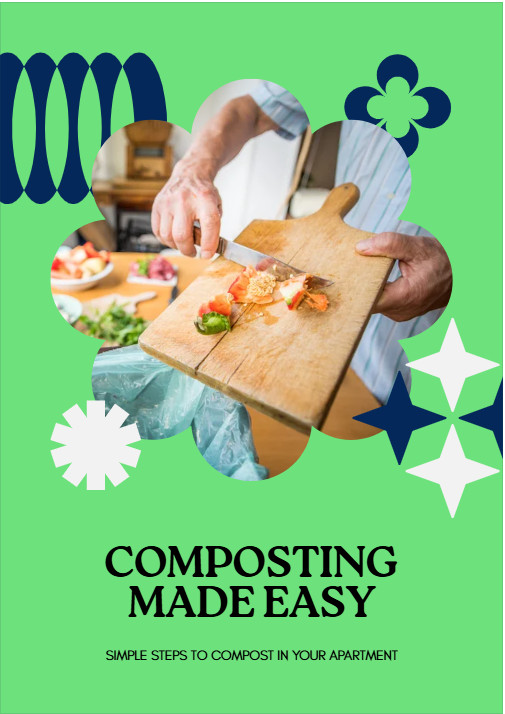
Are you tired of throwing away food scraps every day? What if you could turn your kitchen waste into something valuable right inside your apartment?
Composting kitchen waste may sound tricky, especially when space is limited, but it’s easier than you think. Imagine reducing your trash, cutting down odors, and creating nutrient-rich compost for your plants—all without stepping outside. In this guide, you’ll discover simple, practical steps to start composting right in your apartment.
Ready to transform your kitchen waste and make a positive impact? Keep reading to find out how.
Benefits Of Composting In Apartments
Composting kitchen waste in apartments helps turn food scraps into useful soil. It is a simple way to reduce trash and support plant growth.
Even with limited space, apartment dwellers can compost and enjoy many benefits for their home and the environment.
Reducing Household Waste
Composting cuts down the amount of waste sent to landfills. Food scraps like vegetable peels and coffee grounds become compost instead of trash.
This helps lower garbage bills and reduces bad smells from kitchen waste. Composting also lessens the need for plastic trash bags.
Enhancing Indoor Gardening
Compost provides rich nutrients for indoor plants. It helps soil hold water and supports healthy root growth.
Using homemade compost keeps plants green and strong. It also saves money on store-bought fertilizers.
- Improves soil texture
- Increases plant growth
- Reduces need for chemical fertilizers
Contributing To Environmental Health
Composting lowers greenhouse gas emissions by reducing landfill waste. It helps slow down climate change.
It also returns nutrients to the earth and supports natural recycling. Composting makes a small but positive impact on the planet.
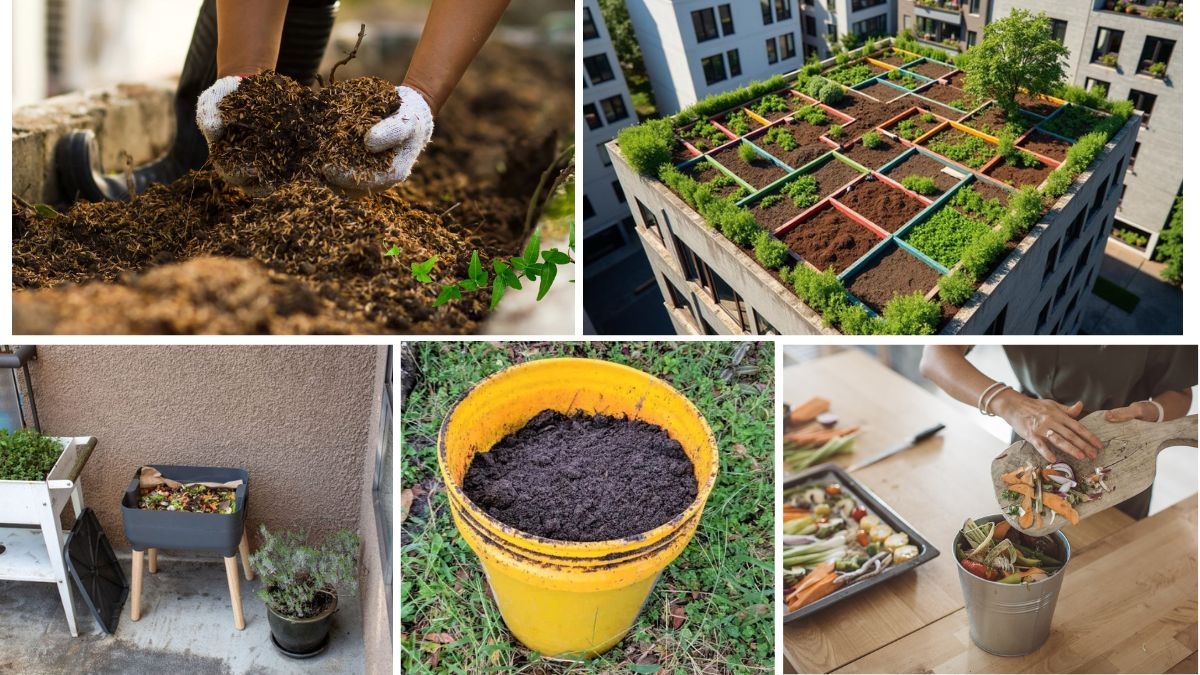
Credit: pune-okayamafriendshipgarden.com
Choosing The Right Composting Method
Composting kitchen waste in apartments can be easy with the right method. Choose a way that fits your space and lifestyle.
Different composting methods work better for different needs. Learn about common options to find what suits you best.
Vermicomposting With Worms
Vermicomposting uses worms to break down kitchen waste. It works well in small spaces like apartments.
Red worms eat fruit and vegetable scraps and turn them into nutrient-rich compost. You need a worm bin with good airflow.
- Keep the bin in a cool, dark place
- Feed worms small amounts of food regularly
- Avoid meat, dairy, and oily foods
- Harvest worm castings every few months
Using Bokashi Bins
Bokashi bins ferment kitchen waste using special microbes. This method works well indoors and does not smell bad.
You add all kitchen scraps, including meat and dairy, to the bin. Then, sprinkle bokashi bran to start fermentation.
- Use an airtight bin with a drain
- Press down scraps to remove air
- Drain liquid every few days
- After fermentation, bury waste in soil or compost it further
Traditional Composting Options
Traditional composting uses a bin or pile to break down organic waste. It needs more space and time than other methods.
In apartments, you can use small compost bins with good ventilation. Turn the compost regularly to speed up decay.
- Mix green waste (food scraps) with brown waste (paper, leaves)
- Keep the pile moist but not wet
- Turn compost every week or two
- Use a compost bin designed for small spaces
Setting Up Your Compost Station
Composting kitchen waste in an apartment is easy with a good setup. You need the right containers, a good spot, and some tools. This helps keep your space clean and your compost healthy.
Setting up well keeps odors away and makes composting simple. Let’s look at how to start your compost station step by step.
Selecting Containers And Bins
Choose containers that fit your apartment size and waste amount. Good containers keep bugs out and let air flow.
- Use a small bin with a tight lid for indoor scraps.
- Look for containers with holes or vents for airflow.
- Consider compost bins made from plastic or metal for durability.
- Use a small bucket with a charcoal filter to control smells.
- Have a larger bin outside if you have a balcony or shared space.
Ideal Location In Your Apartment
Pick a spot that is easy to reach and well-ventilated. Avoid places that get too hot or too cold.
| Location | Benefits | Considerations |
| Kitchen Counter | Easy access | May need odor control |
| Under Sink | Keeps bin hidden | Limited airflow |
| Balcony | Good airflow | Exposure to weather |
| Closet Corner | Out of sight | Needs ventilation |
Essential Tools And Accessories
Some tools make composting easier and cleaner. These help you manage your kitchen waste well.
- Compost scoop or small shovel to turn compost.
- Kitchen compost pail with a lid for collecting scraps.
- Biodegradable compost bags to line your bin.
- Spray bottle for moisture control.
- Gloves to keep hands clean.
What Kitchen Waste To Compost
Composting kitchen waste in apartments helps reduce trash and create rich soil. You can compost many food scraps easily.
Knowing what to compost is key to success. Some items break down well, while others can cause problems.
Compostable Food Scraps
Most fruit and vegetable scraps are good for composting. They break down quickly and add nutrients.
- Peels from apples, bananas, and oranges
- Vegetable cuttings like carrot tops and celery leaves
- Coffee grounds and tea bags without plastic
- Eggshells crushed into small pieces
- Leftover grains like rice and pasta (in small amounts)
Items To Avoid
Some kitchen waste can attract pests or cause bad smells. Avoid these items in your compost bin.
- Meat, fish, and bones
- Dairy products like cheese and milk
- Oily or greasy foods
- Plastic, glass, or metal items
- Pet waste or litter
Balancing Greens And Browns
Compost needs a balance of green and brown materials. Greens add moisture and nitrogen.
Browns provide carbon and help air flow. Use both for healthy compost.
- Green items: vegetable scraps, fruit peels, coffee grounds
- Brown items: dry leaves, shredded paper, cardboard pieces
- Mix in about two parts browns to one part greens
Maintaining Your Compost
Keeping your compost healthy helps break down kitchen waste faster. Good care prevents bad smells and pests.
Simple steps like mixing and checking moisture make a big difference. Here are ways to maintain your compost in apartments.
Turning And Aerating
Turning your compost adds air inside. This helps tiny organisms break down the waste.
Use a small tool or stick to mix the compost every few days. This stops bad smells and speeds up composting.
Managing Moisture Levels
Your compost should feel like a damp sponge. Too wet or too dry can slow down the process.
Add water if the compost is dry. Add dry materials like shredded paper if it is too wet.
- Check moisture weekly
- Keep compost damp but not soggy
- Balance wet and dry kitchen scraps
Controlling Odors And Pests
Bad smells mean the compost lacks air or has too much wet waste. Turn the pile and add dry materials.
To avoid pests, keep food scraps covered with dry leaves or shredded paper. Use a sealed bin if needed.
- Turn compost often to stop smells
- Cover scraps to keep pests out
- Use a bin with a lid in apartments
Using Finished Compost
Finished compost is rich, dark, and smells like soil. It comes from kitchen waste that has broken down.
You can use this compost in many ways to help plants grow and reduce waste.
Indoor Plant Fertilizer
Use finished compost to feed your indoor plants. It adds nutrients that plants need to grow.
Mix compost into the potting soil or sprinkle it on top of the soil. Water the plants as usual.
Community Garden Contributions
Share your finished compost with local community gardens. It helps many plants and saves money.
Community gardens use compost to improve soil health and grow fresh vegetables.
- Ask garden managers if they accept compost donations
- Deliver compost in small bags or containers
- Help reduce waste in your neighborhood
Reducing Reliance On Store-bought Fertilizers
Using finished compost lowers the need for chemical fertilizers. It is natural and safe for plants.
Compost improves soil texture and keeps plants healthy without harmful chemicals.
- Save money by using your own compost
- Protect the environment from chemical runoff
- Grow healthier plants with natural nutrients
Troubleshooting Common Issues
Composting kitchen waste in apartments is a great way to reduce trash. Sometimes, the process can slow down or have other problems. This guide helps you fix common issues quickly.
By understanding these problems, you can keep your compost healthy and effective. Let’s look at some common troubles and how to solve them.
Dealing With Slow Decomposition
Slow decomposition means your kitchen waste takes too long to break down. This can happen if the compost is too dry, too wet, or lacks air.
- Check moisture levels; compost should feel like a damp sponge.
- Turn your compost regularly to add oxygen.
- Add small pieces of waste to speed up breakdown.
- Mix in dry materials like shredded paper or dry leaves.
Preventing Unwanted Pests
Pests like fruit flies and rodents can be a problem in apartment composts. Keeping pests away protects your space and compost quality.
| Cause | How to Prevent |
|---|---|
| Exposed food scraps | Cover scraps with brown materials like leaves or paper |
| Overripe fruit | Chop fruit into smaller pieces and bury them deep |
| Unsealed compost bin | Use a bin with a tight lid or mesh cover |
| Excess moisture | Keep compost moist but not wet to avoid attracting pests |
Fixing Odor Problems
Bad smells show the compost is not balanced. Too much wet waste or lack of air causes odors.
- Add dry, brown materials such as shredded paper or dry leaves.
- Turn the compost regularly to add air.
- Avoid putting meat or oily foods in the compost.
- Keep the compost covered to reduce smell spread.

Credit: sustainlifejournal.com
Tips For Staying Consistent
Composting kitchen waste in apartments can be easy if you stick to a plan. Consistency helps reduce waste and create healthy soil.
Here are some tips to keep you composting regularly and make it a habit for you and your family.
Creating A Composting Routine
Set a specific time each day to add kitchen scraps to your compost bin. This makes composting part of your daily activities.
Keep your compost bin in a convenient spot. This helps remind you to use it often and reduces mess.
- Choose a spot close to your kitchen
- Empty the bin regularly to avoid odors
- Use reminders like notes or alarms
Involving Household Members
Get everyone in the home to help with composting. Teach them which waste is good for compost.
Make it a group effort by assigning simple tasks like collecting scraps or mixing the compost.
- Explain the benefits of composting
- Share daily responsibilities
- Celebrate small successes together
Tracking Progress And Benefits
Keep track of how much kitchen waste you compost. This helps you see your impact over time.
Note changes in your plants or garden soil if you use compost. This shows the benefits clearly.
- Use a simple journal or calendar
- Record the amount of waste composted weekly
- Write down any plant growth improvements

Credit: www.youtube.com
Frequently Asked Questions
What Is The Best Way To Compost In Apartments?
Composting in apartments can be done using a small bin or container. Use a mix of green and brown waste. Keep it in a well-ventilated area. Turn the mixture regularly to speed up decomposition. Ensure it’s moist but not too wet.
Can You Compost Meat And Dairy In Apartments?
It’s best to avoid composting meat and dairy in apartments. These can attract pests and produce unpleasant odors. Stick to fruit, vegetable scraps, coffee grounds, and eggshells. If you have a specialized composting system, check if it can handle such items.
How Long Does Apartment Composting Take?
Composting in apartments typically takes three to six months. The time depends on factors like waste type, container size, and moisture level. Regularly turning the compost speeds up the process. Ensure a balanced mix of materials for efficient decomposition.
What Materials Should I Avoid In Apartment Compost?
Avoid composting meat, dairy, and oily foods in your apartment. These can attract pests and create odors. Also, skip using diseased plants, pet waste, or glossy paper. Stick to vegetable scraps, coffee grounds, and eggshells for best results.
Conclusion
Composting kitchen waste in apartments helps reduce trash and saves space. It turns food scraps into useful soil for plants. Small bins and simple steps make composting easy indoors. You can help the environment by cutting waste and recycling nutrients.
Start with a few items and watch your compost grow. Everyone can make a difference with small, daily actions. Try composting today and enjoy cleaner, greener living.