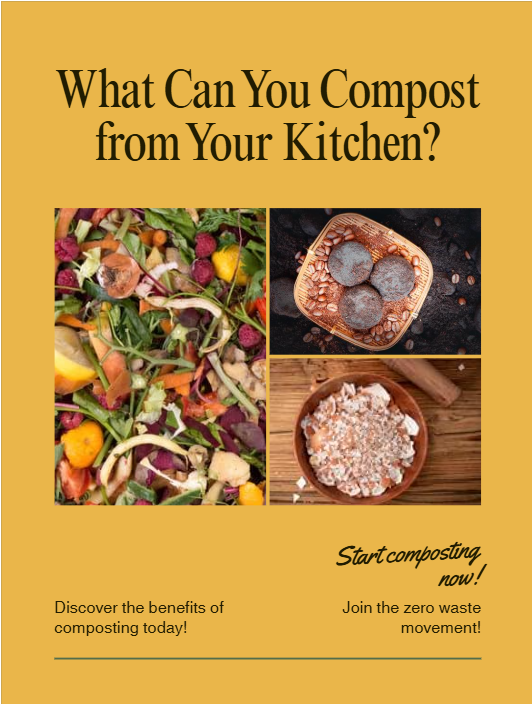
Have you ever wondered what you can compost from your kitchen? It’s easier than you think, and the benefits are huge.
Imagine turning your food scraps into rich soil that can help your garden grow. You don’t need special tools or a big backyard to start. By learning what items from your kitchen can go into your compost bin, you’ll reduce waste, save money, and make a positive impact on the environment.
Keep reading, and discover simple, everyday things you can compost right now. Your kitchen holds more compostable treasures than you realize!

Credit: thewoodlandstownshipblog-environment.com
Compostable Kitchen Scraps
Composting helps reduce waste and improves soil health. Many kitchen scraps break down well in compost.
Knowing what scraps you can compost makes it easier to recycle your food waste.
Fruit And Vegetable Peels
Fruit and vegetable peels are great for compost. They break down quickly and add nutrients to the soil.
Examples include banana peels, potato skins, and carrot tops. Avoid peels with pesticides or wax coatings.
- Apple cores and peels
- Onion skins and ends
- Orange and lemon peels
- Potato and sweet potato skins
- Carrot and cucumber peels
Coffee Grounds And Tea Bags
Used coffee grounds add nitrogen to compost. They help soil stay healthy and fertile.
Tea bags also compost well if they are made from natural fibers. Remove any staples before adding.
- Used coffee grounds
- Natural fiber tea bags
- Loose leaf tea leaves
Eggshells
Eggshells add calcium to compost, which helps plants grow strong. Crush them before composting.
Do not add eggs or eggshells with raw egg residue. Clean shells compost faster and prevent odors.
- Clean, crushed eggshells
- Rinsed to remove egg residue
Bread And Grains
Bread and grains break down in compost but can attract pests. Add them in small amounts.
Stale bread, rice, and pasta scraps work well. Avoid moldy or heavily processed foods.
- Stale bread pieces
- Cooked rice and pasta
- Grain crumbs
Composting Dairy And Protein
Composting kitchen scraps helps reduce waste and enrich soil. Dairy and protein items need special care before composting.
Some dairy and protein products can compost well if handled properly. Knowing what to compost keeps your pile healthy.
Cheese And Yogurt
Cheese and yogurt are dairy products that break down slowly. Small amounts can be added to the compost pile.
Make sure to mix them well with dry materials. This helps control odor and speeds up decomposition.
- Use small pieces or scraps
- Mix with leaves or paper
- Turn compost often to reduce smell
Meat And Fish Scraps
Meat and fish scraps can attract pests if not composted right. Add only small amounts to a hot compost pile.
Cover these scraps with plenty of brown materials like straw. This helps keep animals away and controls odor.
- Use cooked or raw scraps
- Mix with dry leaves or paper
- Keep compost pile hot and well-aerated
Bones And Shells
Bones and shells take a long time to break down. Crush them into smaller pieces to help composting.
Adding bones and shells in small amounts is best. They add minerals to the soil when fully decomposed.
- Crush bones and shells before composting
- Add with other compost materials
- Be patient; they take months to break down
Compostable Liquids And Oils
Many kitchen liquids and oils can be added to your compost pile. These materials help create rich soil. You need to know which liquids are safe to compost.
Some liquids break down quickly and add moisture. Others need careful handling to avoid pests or smells. Let’s explore common compostable liquids from your kitchen.
Used Cooking Oils
Used cooking oils from frying or baking can be composted in small amounts. Too much oil can slow down the compost process. Always cool the oil before adding it.
- Drain excess oil from pans before composting
- Mix small amounts of oil with dry leaves or paper
- Do not add large quantities of oil at once
- Used vegetable oils are better than animal fats
Leftover Beverages
Many leftover drinks can be composted. Water-based drinks like coffee and tea are great additions. Sugary or alcoholic drinks need careful use.
| Beverage | Compostable | Notes |
| Coffee grounds and tea bags | Yes | Remove staples from tea bags |
| Fruit juices | Yes | Use in small amounts to avoid pests |
| Milk and dairy drinks | No | Can cause bad odors |
| Alcoholic drinks | Yes | Use sparingly to avoid attracting animals |
Non-compostable Kitchen Waste
Not everything from your kitchen can go into the compost bin. Some items do not break down or can harm the compost process. Knowing what to avoid helps keep your compost healthy.
This guide covers common kitchen wastes that should not be composted. Learn about plastic, non-biodegradable materials, and diseased food.
Plastic And Packaging
Plastic waste and packaging do not decompose in compost. They can contaminate your compost and the soil.
- Plastic bags and wrappers
- Foil and plastic food containers
- Plastic cutlery and straws
- Styrofoam trays and cups
- Plastic-coated paper products
Non-biodegradable Materials
Some kitchen waste is not plastic but still does not break down. These items stay in the compost for a long time.
| Item | Reason Not Compostable |
| Glass | Does not break down and can cause injury |
| Metal | Does not decompose and may rust |
| Ceramics | Breaks but does not decompose |
| Cloth with synthetic fibers | Contains plastic threads |
| Rubber bands | Made from synthetic rubber |
Diseased Or Moldy Food
Food with disease or mold can spread harmful bacteria to your compost. This can hurt plants and the composting process.
Avoid adding these to compost:
- Meat or dairy products with mold
- Fruits and vegetables with black mold
- Food with signs of rot or disease
- Pet food or leftovers with mold
Composting Tips For Beginners
Composting helps turn kitchen waste into rich soil for plants. It saves trash from landfills and reduces waste.
Knowing what to compost and how to care for your pile is key. These tips will guide you through the process.
Balancing Greens And Browns
Compost needs a good mix of greens and browns. Greens are wet and full of nitrogen. Browns are dry and add carbon.
- Greens: vegetable scraps, coffee grounds, fresh grass clippings
- Browns: dry leaves, shredded paper, cardboard pieces
- Avoid too many greens to stop bad smells
- Chop materials into small pieces to speed up composting
Proper Moisture Levels
Moisture is important for composting. The pile should feel like a damp sponge. Not too wet or dry.
| Condition | What to Do |
| Too dry | Add water and mix well |
| Too wet | Add dry browns and turn the pile |
| Just right | Keep turning and add materials as needed |
Turning And Aeration
Air helps break down materials and stops bad smells. Turning your compost brings in fresh air.
Follow these steps to turn your compost:
- Use a garden fork or shovel.
- Lift and mix materials from outside to inside.
- Turn the pile every 1–2 weeks.
- Check moisture after turning.

Credit: www.bamboozlehome.com
Kitchen Composting Methods
Composting kitchen waste is a great way to reduce trash and help the environment. You can turn food scraps into rich soil for plants.
There are several ways to compost in your kitchen. Each method fits different spaces and needs.
Countertop Compost Bins
Countertop compost bins are small containers for collecting food scraps. They keep your kitchen tidy and reduce odors.
These bins are easy to use and empty into larger compost piles or bins outside. They are perfect for fruit peels, coffee grounds, and vegetable scraps.
- Keep the bin in a convenient spot on your counter
- Use compostable liners to make cleaning easier
- Empty the bin regularly to avoid smells
Vermicomposting With Worms
Vermicomposting uses special worms to break down kitchen waste quickly. Worms eat food scraps and turn them into nutrient-rich compost.
This method works well indoors and in small spaces. Worm bins need some care, like keeping the right moisture and temperature.
- Feed worms fruit and vegetable scraps
- Avoid meat, dairy, and oily foods
- Keep the bin in a cool, dark place
- Harvest worm castings to use as fertilizer
Outdoor Composting Options
Outdoor composting is great if you have a garden or yard. You can compost kitchen scraps with yard waste like leaves and grass.
There are different types of outdoor compost systems, such as bins, piles, or tumblers. They help speed up the composting process.
- Use a compost bin to keep materials contained
- Turn the pile regularly to add air
- Balance green kitchen waste with brown yard waste
- Keep the compost moist but not wet
Benefits Of Kitchen Composting
Kitchen composting turns food scraps into rich soil material. It helps reduce waste and supports a healthy garden.
Many people find composting easy and useful for their home and environment.
Reducing Household Waste
Composting cuts down the trash sent to landfills. It lowers bad gases that harm the air.
- Peelings and scraps from fruits and vegetables
- Used coffee grounds and tea bags
- Eggshells and small amounts of bread
- Leftover plant-based food that is not spoiled
Improving Soil Health
Compost adds nutrients to the soil. It helps plants grow strong and healthy.
| Benefit | Effect on Soil |
| Increases Nutrients | Feeds plants with natural minerals |
| Improves Texture | Makes soil soft and easy to work with |
| Retains Moisture | Helps soil hold water longer |
| Supports Microbes | Encourages helpful bacteria and fungi |
Saving Money And Resources
Using kitchen compost reduces the need to buy fertilizers and soil conditioners. It also saves water by keeping soil moist.
- Less spending on garden products
- Lower water bills from improved soil moisture
- Less trash means fewer garbage fees
Credit: zerowastehomestead.com
Frequently Asked Questions
What Kitchen Scraps Can I Compost Safely At Home?
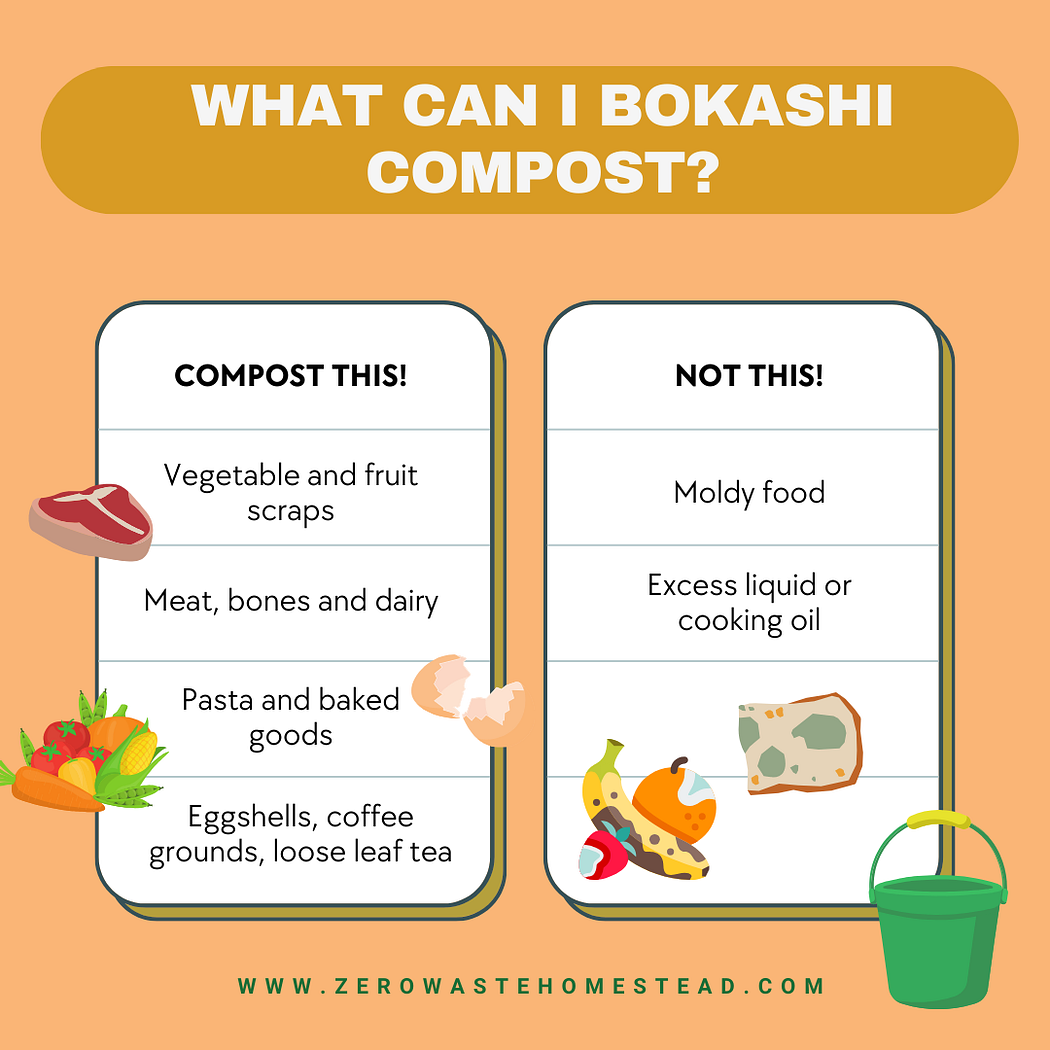
You can compost vegetable peels, fruit scraps, coffee grounds, eggshells, and tea bags. Avoid meat, dairy, and oily foods to prevent pests and odors.
Can I Compost Citrus Fruits From My Kitchen?
Yes, you can compost citrus fruits like oranges and lemons. Use them in moderation as their acidity can slow decomposition if added in large amounts.
Are Coffee Grounds Good For Kitchen Compost?
Coffee grounds are excellent for compost. They add nitrogen, improve soil structure, and attract beneficial worms, making your compost richer and healthier.
How Do I Compost Cooked Food Leftovers?
Avoid composting cooked foods, as they attract pests and cause odors. Instead, compost raw plant-based scraps for a cleaner, more effective compost pile.
Conclusion
Composting kitchen scraps is simple and eco-friendly. You can compost fruit peels, coffee grounds, and eggshells. These items break down naturally, enriching the soil. Avoid meat and dairy to prevent odors. Composting reduces waste and helps plants grow. It’s a small step with big impact.
Start with a small bin in your kitchen. Watch your waste turn into valuable nutrients. A great way to contribute to a healthier planet. Easy and rewarding for everyone. Join the composting movement today!