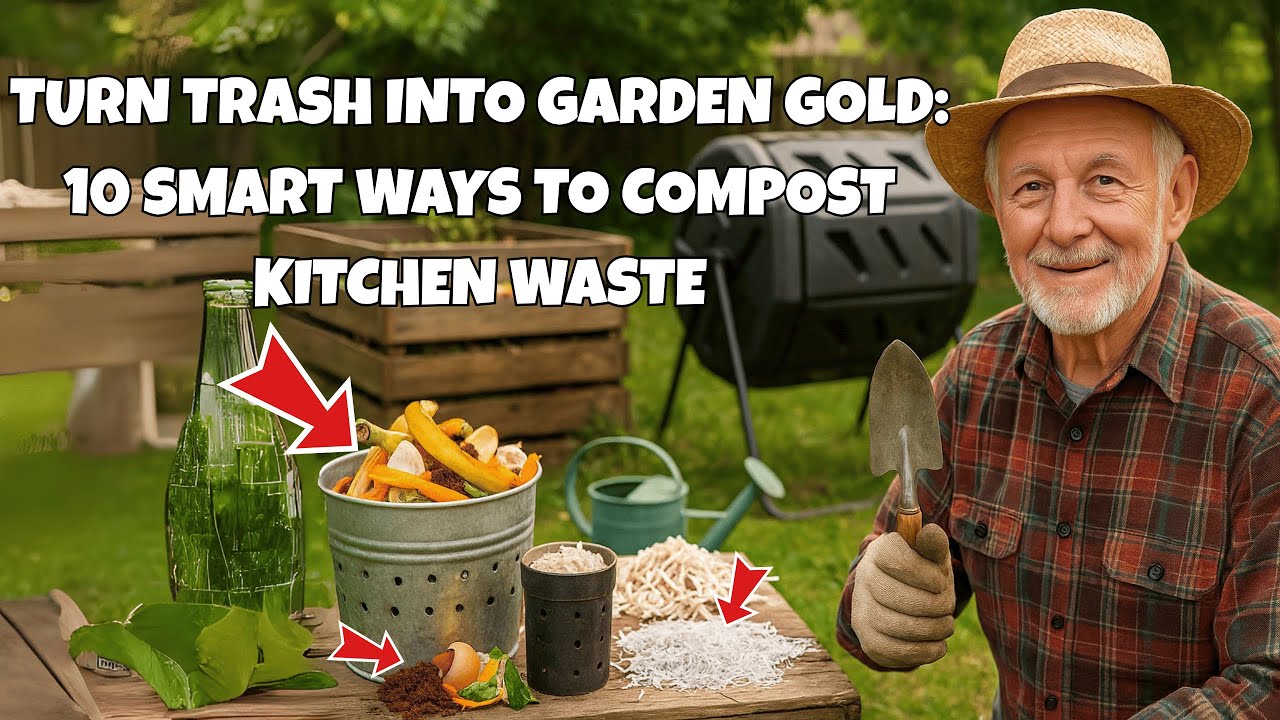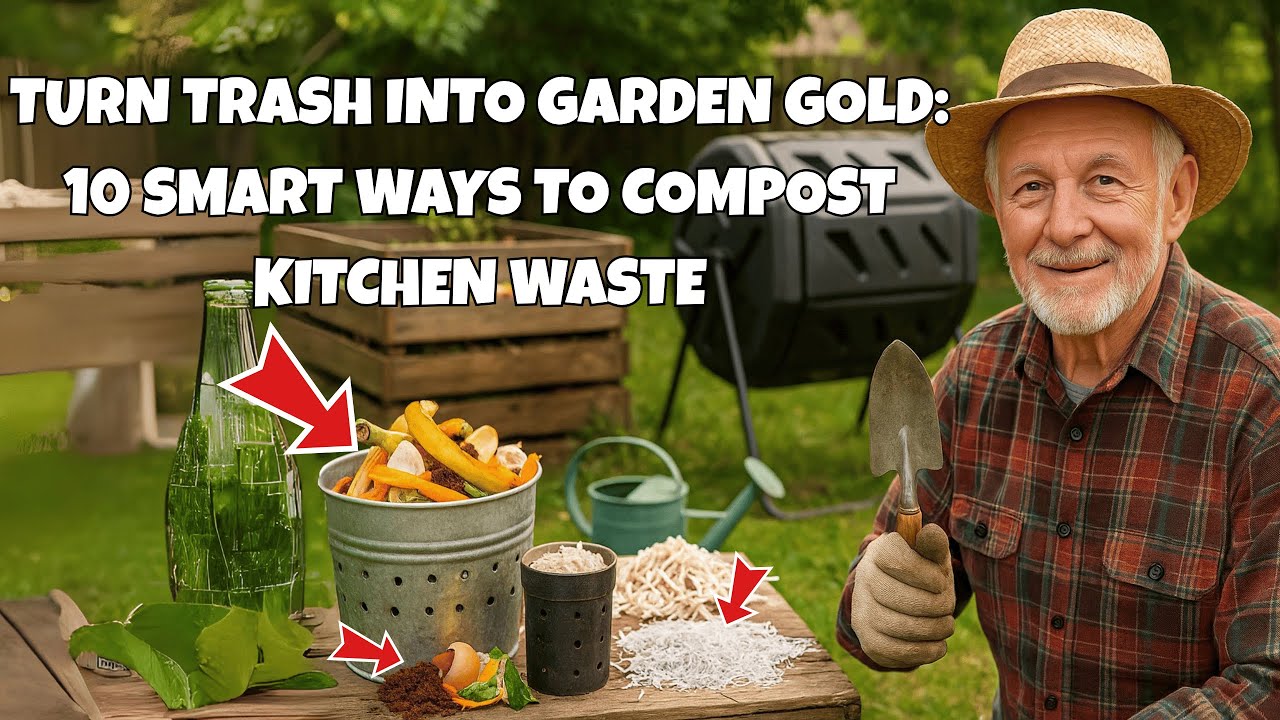
Imagine turning your kitchen waste into something valuable and eco-friendly. What if those vegetable peels, coffee grounds, and eggshells could have a second life, enriching your garden and reducing landfill waste?
Enter the kitchen compost bin—a small but mighty tool that can transform the way you manage waste at home. You might be wondering, "What exactly is a kitchen compost bin and why do I need one? " Well, it's more than just a container for scraps; it's your first step toward sustainable living.
With a kitchen compost bin, you can effortlessly contribute to a healthier planet while also benefiting from nutrient-rich compost for your plants. Curious about how this simple bin can make such a big impact? Keep reading to discover the secrets of kitchen composting and how it can revolutionize your home and garden.
Benefits Of A Kitchen Compost Bin
A kitchen compost bin helps you recycle food scraps easily. It keeps waste out of the trash and turns it into something useful.
Using a kitchen compost bin can improve your home and garden in many ways. Let’s look at the main benefits.
Reducing Household Waste
A kitchen compost bin lowers the amount of garbage you throw away. It keeps food scraps like vegetable peels, coffee grounds, and eggshells from ending up in landfills.
- Less trash means fewer garbage pickups.
- It helps reduce landfill space use.
- It lowers the chance of bad smells from rotting food in your trash.
Enriching Garden Soil
Compost from your kitchen bin makes soil healthier. It adds nutrients and improves soil texture. Plants grow better in rich compost soil.
| Soil Benefit | Effect on Garden |
| Improves nutrient content | Stronger, healthier plants |
| Enhances water retention | Plants stay hydrated longer |
| Increases soil aeration | Roots grow deeper and faster |
Lowering Carbon Footprint
Kitchen compost bins help reduce greenhouse gases. When food waste goes to a landfill, it creates methane, a harmful gas.
Composting at home:
- Stops methane from forming.
- Reduces the need for chemical fertilizers.
- Supports eco-friendly gardening habits.
Types Of Kitchen Compost Bins
Kitchen compost bins help you recycle food waste at home. They come in different styles to fit your needs.
Choosing the right bin makes composting easier and cleaner. Here are some common types of kitchen compost bins.
Countertop Compost Bins
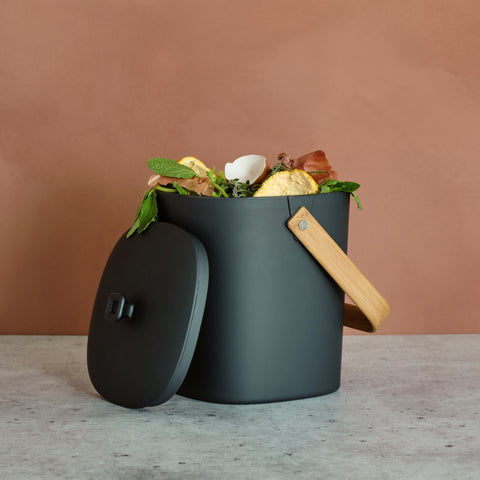
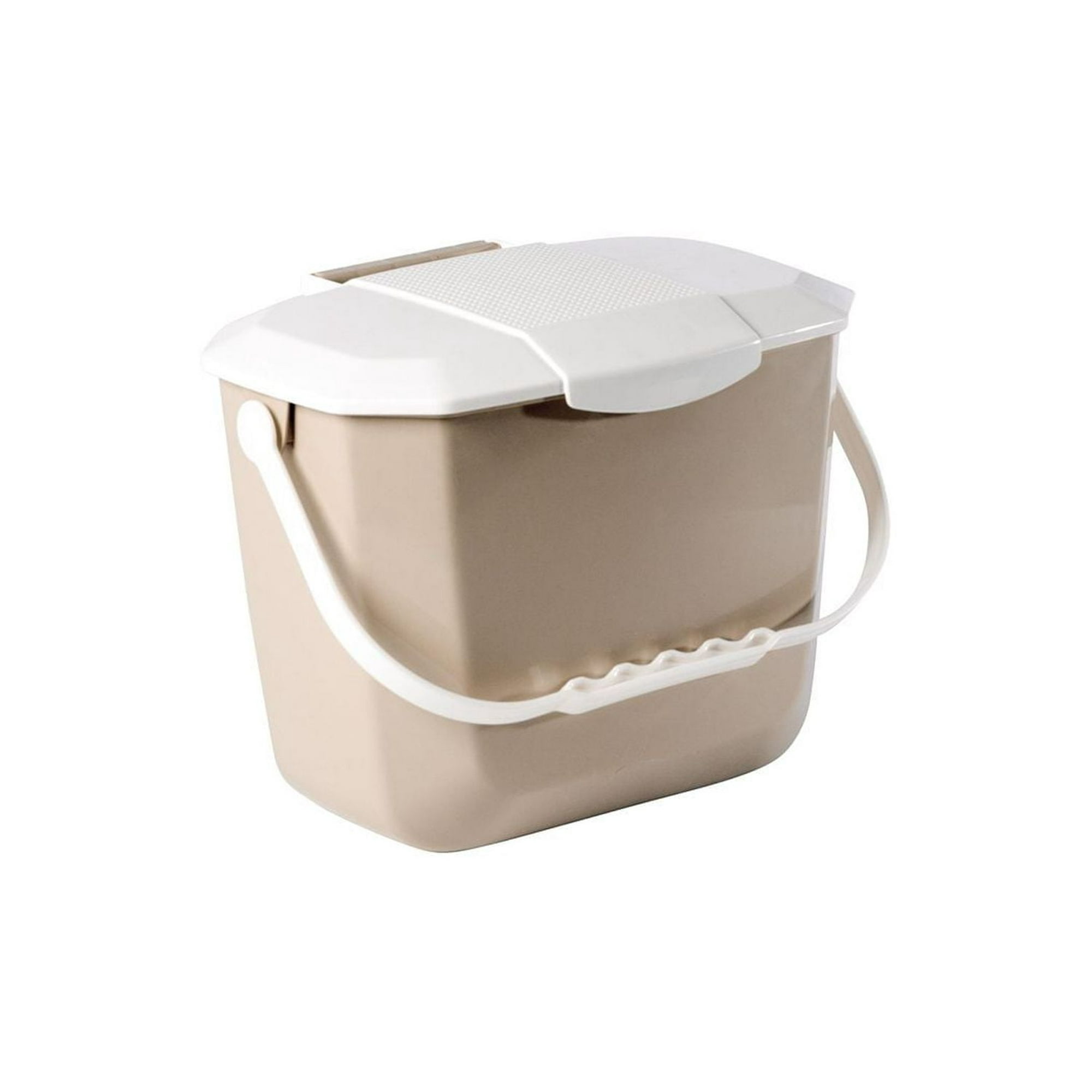
Countertop compost bins are small containers for kitchen scraps. You keep them on your kitchen counter for easy use.
They usually have a lid to keep smells inside. These bins are good for collecting fruit peels, coffee grounds, and vegetable scraps.
- Compact and easy to use
- Often made of plastic or stainless steel
- Some have charcoal filters to reduce odor
Electric Composters
Electric composters speed up the breakdown of food waste. They use heat and air to help compost form quickly.
These machines reduce smells and can handle meat and dairy scraps. They are a good choice for busy kitchens.
- Fast composting process
- Usually plug into an outlet
- May have settings for different waste types
Bokashi Bins
Bokashi bins use fermentation to break down food waste. They work well indoors and do not smell bad.
This method uses special bran with beneficial microbes. You add the bran to your food scraps inside the bin.
- Ferments food waste quickly
- Good for all types of food, including meat
- Produces a liquid fertilizer as a byproduct
Choosing The Right Bin
Picking the right kitchen compost bin is important for easy composting. The bin should fit your kitchen space and compost needs.
Think about size, material, and odor control before buying a bin. These features make composting cleaner and simpler.
Size And Capacity
Choose a bin size based on how much food waste you produce. A small bin works for one or two people.
Larger families need bigger bins to hold more scraps. A bin that is too small fills up fast and needs emptying often.
- Small bins: 1 to 2 gallons, good for small kitchens
- Medium bins: 3 to 5 gallons, fit most households
- Large bins: 6 gallons or more, best for big families
Material And Durability
Look for bins made from durable materials like stainless steel or heavy plastic. These last longer and resist damage.
Some materials are easier to clean and keep germs away. Avoid bins that rust or crack easily.
- Stainless steel: strong, easy to clean, looks nice
- Plastic: lightweight, affordable, must be sturdy
- Ceramic: stylish but can break if dropped
Odor Control Features
Odor control is key to keep your kitchen smelling fresh. Some bins have special filters or tight lids to stop smells.
Bins with charcoal filters absorb bad odors. Tight-fitting lids keep smells inside and pests out.
- Charcoal filters trap and reduce odors
- Sealed lids block smells and keep bugs away
- Ventilation holes help air flow and reduce moisture

Credit: www.amazon.ca
What To Compost In Your Kitchen Bin
A kitchen compost bin helps you turn food waste into valuable soil material. It is a small container where you collect compostable scraps.
Knowing what to put in your kitchen bin makes composting easy and effective. It also keeps bad smells and pests away.
Food Scraps To Include
You can compost many types of food scraps in your kitchen bin. These scraps break down quickly and add nutrients to your compost.
- Fruit and vegetable peels and scraps
- Coffee grounds and paper filters
- Eggshells, crushed into small pieces
- Tea bags (without plastic parts)
- Leftover grains, bread, and pasta
- Nut shells (except walnut shells)
- Shredded newspaper or cardboard (small amounts)
Items To Avoid
Some items should not go into your kitchen compost bin. They can cause bad smells, attract pests, or harm the compost process.
- Meat, fish, and bones
- Dairy products like cheese and milk
- Oils and greasy foods
- Pet waste and cat litter
- Plastic, glass, and metal items
- Diseased or insect-infested plants
- Large amounts of citrus peels
Balancing Greens And Browns
Compost needs a balance of green and brown materials. Greens are wet and rich in nitrogen. Browns are dry and provide carbon.
Too many greens make your compost smelly. Too many browns slow down the process. Aim for a good mix for best results.
- Greens: fruit scraps, vegetable peels, coffee grounds
- Browns: dry leaves, shredded paper, small cardboard pieces
- Mix both types regularly in your bin
- Add water if compost looks too dry
- Turn compost to add air and speed up breakdown
Maintaining Your Compost Bin
Keeping your kitchen compost bin clean and well cared for helps it work better. Proper maintenance stops smells and pests.
Follow simple steps to manage moisture and avoid unwanted visitors in your compost bin.
Regular Cleaning Tips
Empty your compost bin often to prevent buildup. Wash it with warm water and mild soap after emptying. Dry the bin completely before use.
- Use a brush to scrub the inside walls.
- Rinse well to remove soap residue.
- Wipe the lid and outside to keep it fresh.
- Clean any spills around the bin promptly.
Managing Moisture Levels
Moisture balance is key to good compost. Too wet compost smells bad. Too dry compost slows down breakdown.
| Condition | Action |
| Compost too wet | Add dry materials like shredded paper or dry leaves |
| Compost too dry | Spray water lightly and mix well |
| Good moisture | Feels like a damp sponge, not dripping wet |
Dealing With Pests
Pests can be a problem if your bin is not well managed. Keep the bin closed and avoid adding meat or oily foods.
- Use a bin with a tight-fitting lid.
- Turn compost regularly to discourage pests.
- Keep food scraps covered with brown materials.
- Remove any pests you see immediately.
Using Finished Compost
Finished compost is rich in nutrients and helps plants grow strong. It improves soil texture and moisture retention. Using compost reduces the need for chemical fertilizers.
You can use compost in many ways to support indoor and outdoor plants. It is safe and natural, making it a great choice for any garden or home plant.
Applying To Indoor Plants
Mix a small amount of finished compost into the potting soil of your indoor plants. This adds nutrients and helps the soil hold water better. Use compost carefully to avoid overfeeding your plants.
- Use one part compost to three parts potting soil
- Top dress plants by adding a thin layer on soil surface
- Water plants well after applying compost
Enhancing Outdoor Gardens
Spread finished compost over garden beds to improve soil health. It helps plants grow deeper roots and resist drought. Compost also supports beneficial soil organisms.
| Garden Use | Benefit |
| Vegetable Beds | Increases nutrient supply |
| Flower Beds | Improves soil texture |
| Lawns | Boosts moisture retention |
Compost As Natural Fertilizer
Compost works as a natural fertilizer by slowly releasing nutrients. It feeds plants without harming the environment. You can apply it during planting or as a regular soil amendment.
Benefits of Compost Fertilizer
- Provides nitrogen, phosphorus, and potassium
- Improves soil pH balance
- Supports beneficial microbes
- Reduces plant diseases
Common Mistakes To Avoid
Using a kitchen compost bin helps reduce waste and create rich soil. Avoid mistakes that can cause bad smells or slow composting.
Simple care keeps your compost bin working well. Learn what to avoid to keep it clean and effective.
Overloading The Bin
Putting too much food waste in your compost bin can cause problems. The bin may fill up fast and stop breaking down materials.
Overloading blocks air flow and slows composting. It can also lead to leaks or spills in your kitchen.
- Empty the bin regularly to avoid buildup
- Do not add large amounts of food at once
- Cut food scraps into small pieces for faster composting
Ignoring Odor Issues
Bad smells mean your compost bin is not balanced. Too much wet or smelly food waste can cause odors.
Fix smells by adding dry materials and stirring the compost. Avoid putting meat or dairy in the bin.
- Avoid adding greasy or strong-smelling foods
- Add dry leaves, paper, or cardboard to absorb moisture
- Stir or mix the compost to help air flow
Neglecting Aeration
Compost needs air to break down properly. Without enough air, it can become smelly and slow.
Open the bin lid often and stir the contents. This helps oxygen reach all parts of the compost.
- Stir compost every few days
- Use a bin with ventilation holes
- Do not pack waste too tightly

Credit: www.amazon.ca

Credit: www.bonappetit.com
Frequently Asked Questions
What Is A Kitchen Compost Bin Used For?
A kitchen compost bin collects food scraps and organic waste. It helps reduce landfill waste and creates nutrient-rich compost for gardening.
How Does A Kitchen Compost Bin Work?
You place food scraps in the bin. Microorganisms break down the waste into compost, which can be used as natural fertilizer.
What Materials Can Go In A Kitchen Compost Bin?
You can compost fruit peels, vegetable scraps, coffee grounds, eggshells, and paper towels. Avoid meat, dairy, and oily foods.
How Often Should I Empty My Kitchen Compost Bin?
Empty your bin every few days to prevent odors and pests. Regular emptying keeps composting efficient and your kitchen fresh.
Conclusion
A kitchen compost bin helps reduce food waste at home. It turns scraps into rich soil for plants. Using one keeps your kitchen cleaner and fresher. Small and easy to use, it fits any space. Composting supports the environment by cutting landfill waste.
Start with simple steps to make a big difference. Everyone can help nature by composting daily. It’s a smart way to care for the earth. Try adding a compost bin to your kitchen today.