Imagine transforming your kitchen scraps into rich, nutritious compost that can revive your garden and help the planet at the same time. You might think it’s complicated, but it’s easier than you think.
Plus, it’s a fantastic way to reduce waste while nurturing your plants. Are you ready to discover the secret of turning everyday leftovers into black gold for your garden? Dive into this simple guide on how to make compost from kitchen scraps and unlock the power of nature right at home.
By the end, you’ll not only have a cleaner kitchen but also a greener thumb. Stay with us to learn how you can effortlessly start composting today and make a real difference!
Benefits Of Kitchen Scrap Composting
Composting kitchen scraps is a simple way to recycle food waste. It helps turn scraps into rich soil for plants.
This process benefits the environment and your garden in many ways. It reduces waste and improves soil health.
Reducing Household Waste
Composting lowers the amount of trash sent to landfills. Food scraps make up a large part of household waste.
By composting, you keep these scraps out of the trash bin. This helps reduce landfill overflow and pollution.
- Less garbage means fewer trash pickups needed
- Reduces harmful gases from landfills
- Encourages recycling habits at home
Improving Soil Health
Compost adds nutrients to the soil naturally. It improves soil structure and helps plants grow strong.
Healthy soil holds water better and supports beneficial microbes. This reduces the need for chemical fertilizers.
- Boosts soil fertility with natural minerals
- Increases soil moisture retention
- Supports healthy plant root systems
Saving Money On Fertilizers
Making compost from kitchen scraps cuts costs on buying fertilizers. It is a free and effective soil booster.
Using homemade compost reduces the need to purchase commercial products. This saves money over time.
- No need to buy chemical fertilizers
- Reuses waste to grow healthy plants
- Promotes sustainable gardening habits
Choosing The Right Compost Bin
Making compost from kitchen scraps helps reduce waste and create rich soil. Choosing the right compost bin is important for easy composting.
The right bin keeps your scraps contained and speeds up the compost process. It also controls odor and pests.
Types Of Compost Bins
There are different compost bins to fit your space and needs. Each type works well for kitchen scraps.
- Plastic Tumbler:Spins to mix scraps and speeds up composting.
- Stationary Bin:Simple container that holds scraps in one place.
- Worm Bin:Uses worms to break down scraps quickly.
- DIY Bin:Made from wood or pallets, customizable size.
Location And Size Considerations
Place the bin in a spot with good air flow and some shade. Avoid direct sun to keep moisture balanced.
Choose a size based on how much kitchen waste you produce. Small bins work for few scraps; larger bins fit big families.
- Keep bin close to your kitchen for easy access.
- Allow space around the bin for turning or mixing compost.
- Ensure the bin fits your yard or balcony space comfortably.
Best Kitchen Scraps For Composting
Composting kitchen scraps helps reduce waste and create rich soil. Many common food leftovers work well for composting.
Knowing which scraps to add speeds up decomposition. Some scraps add nutrients while others improve texture.
Fruits And Vegetables
Fruit and vegetable scraps are great for compost. They add moisture and nutrients to the pile.
- Apple cores and peels
- Banana skins
- Carrot peels and tops
- Potato peels
- Leafy greens
Coffee Grounds And Tea Bags
Coffee grounds are rich in nitrogen and help feed microbes. Tea bags also add organic material if they are compostable.
| Scrap | Benefit |
| Coffee Grounds | High nitrogen, improves soil |
| Tea Bags | Adds organic matter, moisture retention |
| Used Tea Leaves | Helps break down compost faster |
Eggshells And Nut Shells
Eggshells add calcium which strengthens plants. Nut shells break down slowly and improve soil texture.
- Crushed eggshells for faster decomposition
- Almond and walnut shells in small amounts
- Avoid thick shells like coconut husks
Avoiding Composting Mistakes
Composting kitchen scraps is a great way to reduce waste. It also creates rich soil for your garden.
Some common mistakes can slow down composting or cause bad smells. Avoiding these errors helps make good compost fast.
Items To Exclude
Not all kitchen scraps belong in your compost bin. Some items can attract pests or cause odors.
Keep these things out of your compost pile to avoid problems.
- Meat, fish, and bones
- Dairy products like cheese and milk
- Oils and greasy foods
- Pet waste or litter
- Diseased plants or weeds with seeds
- Plastic, metal, or glass items
Balancing Greens And Browns
Compost needs a mix of green and brown materials to break down well. Greens are wet and rich in nitrogen.
Browns are dry and full of carbon. Too much green causes bad smells. Too many browns slow the process.
- Green materials: fruit scraps, vegetable peels, coffee grounds, grass clippings
- Brown materials: dry leaves, cardboard, paper, straw, wood chips
- A good ratio is about 2 parts browns to 1 part greens
- Mix the pile often to add air and speed composting
Step-by-step Composting Process
Composting kitchen scraps is a simple way to reduce waste and help your garden. You can turn food leftovers into rich soil fertilizer.
This guide explains the main steps to make compost from your kitchen scraps. Follow these easy instructions for good results.
Preparing And Collecting Scraps
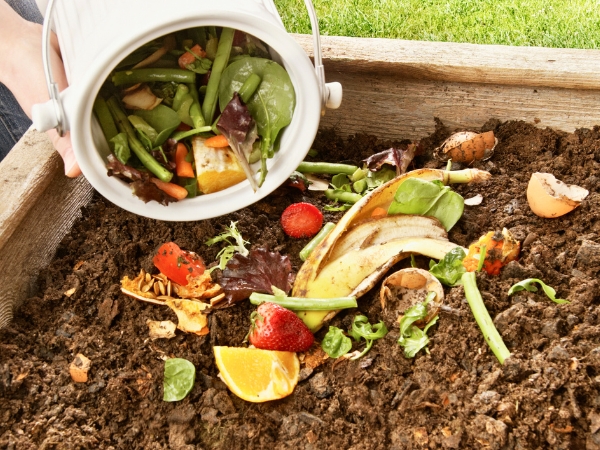
Start by gathering the right kitchen scraps. Avoid meat, dairy, and oily foods as they can attract pests.
- Save fruit peels, vegetable cuttings, and coffee grounds.
- Keep scraps in a small container with a lid on your counter.
- Empty the container into your outdoor compost bin every few days.
Layering Materials
Layering helps balance green and brown materials. Green scraps add nitrogen, and brown scraps add carbon.
| Material Type | Examples |
| Green (Nitrogen) | Vegetable scraps, coffee grounds, fresh grass |
| Brown (Carbon) | Dry leaves, paper, straw, cardboard |
Start with a layer of brown materials at the bottom, then add a layer of green scraps. Repeat layers until the pile is full.
Maintaining Moisture And Aeration
Your compost pile needs the right moisture and air. It should feel like a damp sponge, not wet or dry.
Follow these tips to keep moisture and air balanced:
- Water the pile if it feels dry.
- Cover the pile to keep rain out.
- Mix in dry brown materials if it gets too wet.
- Leave spaces or poke holes for air flow.
Turning The Pile
Turn your compost pile every 1 to 2 weeks. This adds oxygen and speeds up decomposition.
- Use a garden fork or shovel to lift and mix the pile.
- Move the outer parts of the pile to the center.
- Check moisture after turning and add water if needed.
- Repeat turning until the compost looks dark and crumbly.

Credit: www.youtube.com
Harvesting And Using Finished Compost
Finished compost is rich, dark, and crumbly material. It helps plants grow strong and healthy.
Knowing when to harvest and how to use compost is important for your garden’s success.
Identifying Ready Compost
Ready compost looks like dark soil and smells earthy. It should not have large scraps or smell bad.
The compost should feel crumbly and moist but not wet or dry. If it heats up, it is still breaking down.
- Dark brown or black color
- Earthy smell, no foul odor
- Crumbly texture, no recognizable scraps
- Cool to the touch, not warm
Applying Compost In The Garden
Use compost to improve soil and help plants grow. Spread it on garden beds and mix it into the soil.
Compost can also be used as mulch to keep soil moist and reduce weeds around plants.
- Mix compost into vegetable and flower beds
- Spread a 1-3 inch layer as mulch around plants
- Add compost to pots or containers before planting
- Use compost tea by soaking compost in water to water plants
Troubleshooting Common Issues
Making compost from kitchen scraps is easy but sometimes problems occur. These issues can slow down composting or cause unwanted effects.
This guide covers common problems like bad smells, pests, and slow breakdown. It offers simple ways to fix each one.
Odor Problems
Bad smells usually mean your compost is too wet or lacks air. Rotten or sour odors come from too much moisture and poor airflow.
- Turn the compost pile often to add air.
- Add dry materials like shredded paper or dry leaves.
- Avoid adding meat, dairy, or oily foods.
- Keep the compost pile covered to control moisture.
Pests And Rodents
Pests visit compost looking for food scraps. Rodents can be attracted by meat or oily leftovers.
| Cause | Prevention |
|---|---|
| Exposed meat or dairy | Do not add these to compost |
| Food scraps on surface | Cover scraps with brown materials |
| Open bin without lid | Use a tightly closed container |
| Nearby pet food | Keep pet food away from compost |
Slow Decomposition
Compost may break down slowly if it lacks the right balance of ingredients or moisture.
- Add a mix of green (wet) and brown (dry) materials.
- Chop scraps into small pieces for faster breakdown.
- Keep the pile moist like a wrung-out sponge.
- Turn the pile every week to supply oxygen.
- Use compost starter or finished compost to add microbes.
Credit: canadale.ca
Tips For Successful Composting
Composting kitchen scraps helps reduce waste and creates rich soil for your plants. To make good compost, follow some simple tips.
Good compost needs the right mix of materials and care. These tips will help you get the best results.
Using Compost Activators
Compost activators speed up the breakdown of kitchen scraps. They add helpful bacteria and nutrients to your pile.
You can use natural activators like finished compost, manure, or garden soil. These add microbes that help decay organic matter faster.
- Add a thin layer of finished compost to your new pile
- Mix in small amounts of manure if available
- Use garden soil to introduce beneficial microbes
- Keep the pile moist but not wet
Seasonal Composting Adjustments
Seasons affect how your compost pile works. You need to adjust care to keep it active all year.
In cold weather, your compost slows down. Add more green materials and keep the pile insulated. In hot weather, turn the pile often to cool it.
- Winter: Add more kitchen scraps and cover the pile
- Spring: Turn the pile to add air and mix materials
- Summer: Turn the pile regularly to prevent overheating
- Fall: Add leaves and dry materials to balance moisture

Credit: www.youtube.com
Frequently Asked Questions
What Kitchen Scraps Can Be Composted Easily?
Most fruit and vegetable peels, coffee grounds, eggshells, and tea bags compost well. Avoid meat, dairy, and oily foods as they attract pests and slow decomposition.
How Long Does Kitchen Scrap Compost Take To Decompose?
Compost from kitchen scraps typically takes 2 to 3 months to fully decompose. Proper aeration, moisture, and chopping scraps into small pieces speed up the process.
How Do I Prevent Bad Odors In Kitchen Compost?
To avoid odors, balance green nitrogen-rich scraps with brown carbon-rich materials like dry leaves or paper. Turn the compost regularly to ensure proper aeration.
Can I Compost Citrus Peels And Onion Scraps?
Yes, citrus peels and onion scraps can be composted in moderation. Too many acidic scraps may slow decomposition, so mix them well with other materials.
Conclusion
Composting kitchen scraps helps reduce waste and enrich soil. It saves money and supports healthy plants. Start with fruit peels, vegetable bits, and coffee grounds. Keep the compost moist and turn it often for best results. Small efforts create big benefits for your garden and planet.
Give composting a try today. Your garden will thank you.