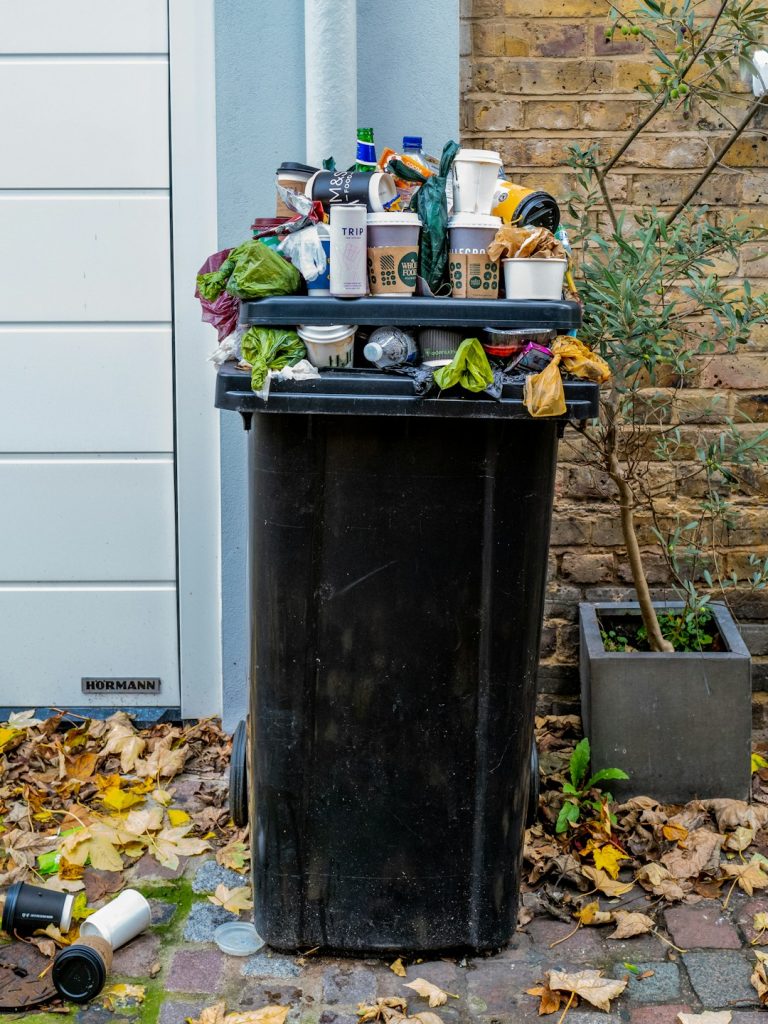
Are you tired of throwing away kitchen scraps, only to see them pile up in landfills? Imagine transforming your kitchen waste into nutrient-rich compost for your garden, all while reducing your environmental footprint.
Creating a kitchen waste compost bin is simpler than you might think and can save you money on store-bought fertilizers. Plus, it’s a rewarding way to contribute to a healthier planet. In this guide, you’ll discover step-by-step how to make your own compost bin, turning your everyday waste into a valuable resource.
Stick around to learn how you can start composting today and give back to your garden and the earth.

Credit: savvygardening.com
Benefits Of Kitchen Waste Composting
Kitchen waste composting turns food scraps into useful soil material. It helps reduce trash and supports healthy gardens.
Using a compost bin at home makes it easy to recycle kitchen waste. This process gives many benefits to the environment and your garden.
Reducing Household Waste
Composting lowers the amount of waste sent to landfills. Food scraps like vegetable peels and coffee grounds become compost instead of trash.
- Less garbage means fewer trash bags and pickups
- Reduces harmful methane gas from landfills
- Helps save space in local waste sites
- Encourages mindful consumption and waste habits
Enhancing Soil Fertility
Compost adds valuable nutrients to the soil. It improves soil texture and helps plants grow stronger.
| Soil Benefit | Description |
| Improves Nutrient Content | Provides nitrogen, phosphorus, and potassium |
| Increases Water Retention | Helps soil hold moisture longer |
| Boosts Microbial Activity | Supports beneficial organisms in soil |
| Reduces Soil Erosion | Strengthens soil structure |
Supporting Sustainable Gardening
Using kitchen waste compost supports eco-friendly gardening. It reduces the need for chemical fertilizers and promotes healthy plant growth.
- Natural fertilizer without chemicals
- Improves plant resistance to pests and diseases
- Encourages earthworms and beneficial insects
- Reduces water use by keeping soil moist
Choosing The Right Compost Bin
Choosing the right compost bin helps you manage kitchen waste easily. It turns scraps into useful compost for your garden.
Picking the best bin depends on your space, the amount of waste, and your budget. Let’s look at important factors.
Materials For Compost Bins
Compost bins come in many materials. Each type affects how well the bin lasts and works.
Plastic bins are light and easy to clean. Wood bins look natural but may rot over time. Metal bins are strong but can rust if not treated.
- Plastic: lightweight, affordable, easy to move
- Wood: natural look, good insulation, may decay
- Metal: durable, pest-resistant, can rust
- Wire mesh: good airflow, less odor, needs cover
Size And Placement Tips
Choose a bin size based on how much kitchen waste you produce. Bigger bins hold more but need more space.
Place the bin in a shady spot with good drainage. Avoid spots near your house or where rain pools.
- Small bins (20-30 gallons) for small households
- Large bins (50+ gallons) for big families or gardens
- Keep the bin on bare soil for worms and microbes
- Place in shade to keep compost moist
Diy Vs Store-bought Options
You can buy ready-made compost bins or build your own. Each option has its benefits.
Store-bought bins are easy to set up and often have good ventilation. DIY bins let you customize size and style.
- Store-bought: quick setup, durable, designed for composting
- DIY: cost-effective, customizable, uses recycled materials
- DIY options include wooden pallets, plastic barrels, or wire cages
- Consider your skill level and time before choosing DIY
Preparing Kitchen Waste For Composting
Making a compost bin with kitchen waste helps reduce trash and feed your garden. Proper preparation keeps your compost healthy and fast-breaking down.
Learn how to select, avoid, and prepare your kitchen scraps for the best compost results.
Types Of Compostable Kitchen Waste
Not all kitchen waste breaks down well in compost. Use these common compostable items to create rich soil.
- Vegetable peels and scraps
- Fruit cores and rinds
- Coffee grounds and filters
- Tea bags (without plastic)
- Eggshells, crushed
- Nut shells (except walnut)
- Cooked grains and bread in small amounts
Avoiding Harmful Ingredients
Some kitchen waste can hurt your compost or attract pests. Leave these items out to keep your bin safe and clean.
| Harmful Ingredient | Reason to Avoid |
| Meat and fish scraps | Cause bad smells and pests |
| Dairy products | Attract rodents and slow compost |
| Oils and fats | Make compost soggy and smelly |
| Processed foods | Contain chemicals and preservatives |
| Diseased plants | Can spread problems to compost |
| Pet waste | May contain harmful bacteria |
Chopping And Layering Techniques
Cutting waste into small pieces helps it break down faster. Layering different materials balances moisture and air.
- Chop scraps into 1-2 inch pieces
- Alternate green (wet) and brown (dry) layers
- Examples of green: vegetable scraps, coffee grounds
- Examples of brown: dry leaves, paper towels
- Keep layers about 3-4 inches thick
- Turn the pile every week to add air
Step-by-step Compost Bin Setup
Making a kitchen waste compost bin helps turn food scraps into rich soil. It reduces waste and benefits your garden.
This guide shows how to set up your compost bin in easy steps. Follow each part carefully for good results.
Selecting A Location
Pick a place for your compost bin that is dry and has good air flow. Avoid spots that get too much sun or stay too wet.
- Choose a shaded area to keep the compost cool.
- Place the bin near your kitchen for easy access.
- Make sure the ground drains well to prevent water buildup.
- Keep the bin away from strong winds to avoid drying out.
Building Or Assembling The Bin
You can build a compost bin from wood or buy a ready-made one. Make sure it has holes for air circulation.
| Material | Pros | Cons |
| Wood | Natural look, easy to build | May rot over time |
| Plastic | Durable, lightweight | Less breathable |
| Metal | Strong, long-lasting | Can heat up in sun |
Make sure the bin is easy to open for adding waste and turning the compost.
Adding Initial Materials
Start your compost with layers of different materials. This helps speed up the breakdown process.
- First, add dry leaves or straw for airflow.
- Next, add kitchen scraps like vegetable peels and coffee grounds.
- Avoid adding meat, dairy, or oily foods to prevent pests.
- Sprinkle some garden soil or finished compost to add helpful microbes.
- Keep the pile moist but not too wet.
Maintaining Your Compost Bin
Keeping your kitchen waste compost bin healthy helps produce rich compost. Regular care speeds up the composting process and keeps pests away.
Follow simple steps to turn, check moisture, and handle odors. These actions keep your compost pile active and balanced.
Turning And Aerating The Pile
Turning your compost adds air that microbes need to break down waste. Aeration prevents bad smells and speeds up decomposition.
- Use a garden fork or compost aerator tool.
- Turn the pile every 3 to 5 days.
- Mix the outer parts into the center for even composting.
- Break up clumps to increase airflow.
Monitoring Moisture Levels
Your compost should feel like a damp sponge. Too dry or too wet slows down the process.
| Moisture Level | Effect on Compost | Action |
| Too Dry | Microbes slow down | Spray water lightly |
| Ideal | Good decomposition | Keep as is |
| Too Wet | Smells and rotting | Add dry leaves or paper |
Dealing With Odors And Pests
Bad smells and pests show your compost needs attention. Fix these issues quickly to keep your bin healthy.
Try these tips:
- Turn the pile often to add air.
- Cover food scraps with dry brown materials.
- Keep meat and dairy out of the bin.
- Use a tight lid to keep pests away.
- Place the bin in a shaded, dry spot.

Credit: www.youtube.com
Harvesting And Using Compost
Making compost from kitchen waste helps your garden grow well. Knowing when and how to use compost is important.
This guide explains how to identify finished compost and how to apply and store it properly.
Identifying Finished Compost
Finished compost looks dark brown and crumbly. It smells like fresh soil and is cool to touch.
You should not see food scraps or large pieces of waste. If it is still warm or smells bad, it needs more time.
- Dark color
- Earthy smell
- Crumbly texture
- No visible food pieces
- Cool temperature
Best Practices For Garden Application
Use compost to improve soil health and help plants grow. Spread it on garden beds or mix it in potting soil.
Apply compost in the spring or fall. Avoid using too much compost near young plants to prevent burning.
- Spread 1 to 3 inches thick on soil surface
- Mix compost into top 6 to 8 inches of soil
- Use as mulch to keep moisture in soil
- Do not pile compost against plant stems
- Water after applying to help nutrients absorb
Storing Excess Compost
Store extra compost in a dry, shady spot. Keep it covered to protect from rain and pests.
Use a bin or pile with a tarp. Turn stored compost every few weeks to keep it fresh.
- Choose a well-drained area
- Cover with a breathable tarp
- Turn compost to add air
- Keep compost moist but not wet
- Check for pests regularly
Troubleshooting Common Issues
Composting kitchen waste is easy but can face some problems. Knowing how to fix them keeps your bin healthy.
This guide covers slow decomposition, pests, and balancing materials in your compost bin.
Slow Decomposition Causes
Slow composting happens when materials do not break down fast. This can be due to poor air, moisture, or size of scraps.
- Too little air slows the process. Turn the compost often.
- Excess moisture makes the pile soggy. Add dry leaves or paper.
- Large pieces take longer to rot. Chop scraps into small bits.
- Too cold or too hot weather affects microbes. Keep compost in a shaded spot.
Pest Control Strategies
Pests like rats and flies can invade your compost bin. Proper care helps keep them away.
| Problem | Solution |
| Fruit flies | Cover food scraps with brown materials. |
| Rats | Use a bin with a secure lid and small holes. |
| Ants | Keep compost moist and turn regularly. |
| Odor attracting pests | Avoid meat, dairy, and oily foods. |
Balancing Green And Brown Materials
Green materials add nitrogen; brown materials add carbon. Both are needed for good compost.
Try to keep this ratio balanced in your bin:
- Green materials: fruit scraps, vegetable peels, coffee grounds
- Brown materials: dry leaves, shredded paper, cardboard
- Ideal mix: about 2 parts brown to 1 part green by volume
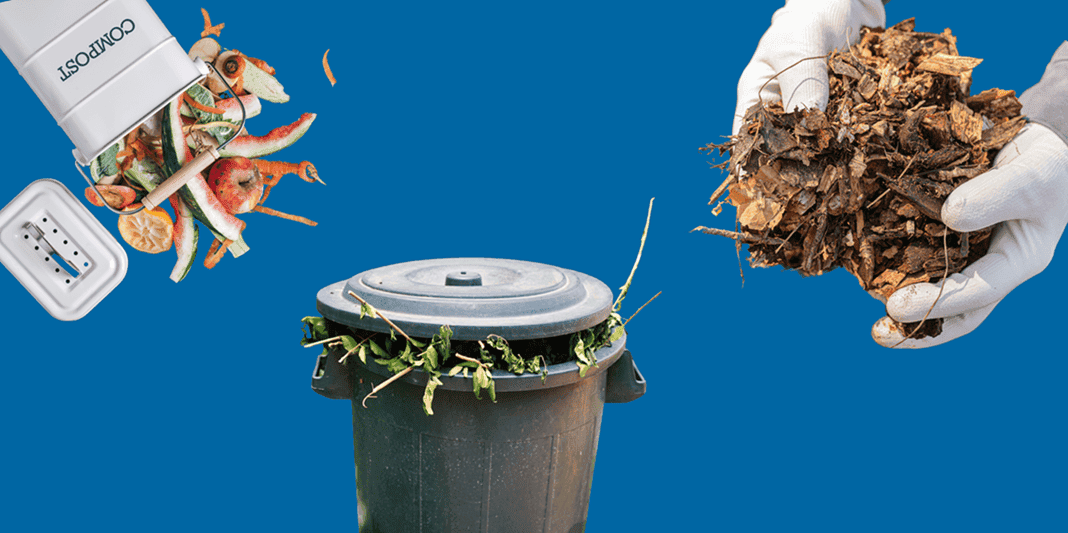
Credit: ezypeazy.co.nz
Frequently Asked Questions
What Materials Are Needed For A Kitchen Waste Compost Bin?
You need a container with a lid, kitchen scraps, dry leaves or paper, soil, and water. These help balance moisture and nutrients for effective composting.
How Do I Prevent Odor In My Compost Bin?
Avoid adding meat, dairy, or oily foods. Regularly turn the compost to aerate it. Keep the bin covered and maintain moisture balance.
How Long Does Kitchen Waste Take To Compost?
Composting kitchen waste typically takes 2 to 3 months. Turning the pile and maintaining moisture speeds up decomposition.
Can I Compost All Kitchen Scraps Safely?
Most vegetable and fruit scraps are safe. Avoid meat, dairy, oils, and diseased plants to prevent pests and odors.
Conclusion
Creating a kitchen waste compost bin helps reduce trash and enrich soil. It takes just a few steps to start composting at home. You save money and help the environment at the same time. Watch your waste turn into useful compost for plants.
Keep adding kitchen scraps and turn the pile often. Soon, you will see dark, rich soil ready for your garden. Start small and enjoy the benefits of composting every day. It’s a simple way to make a big difference.