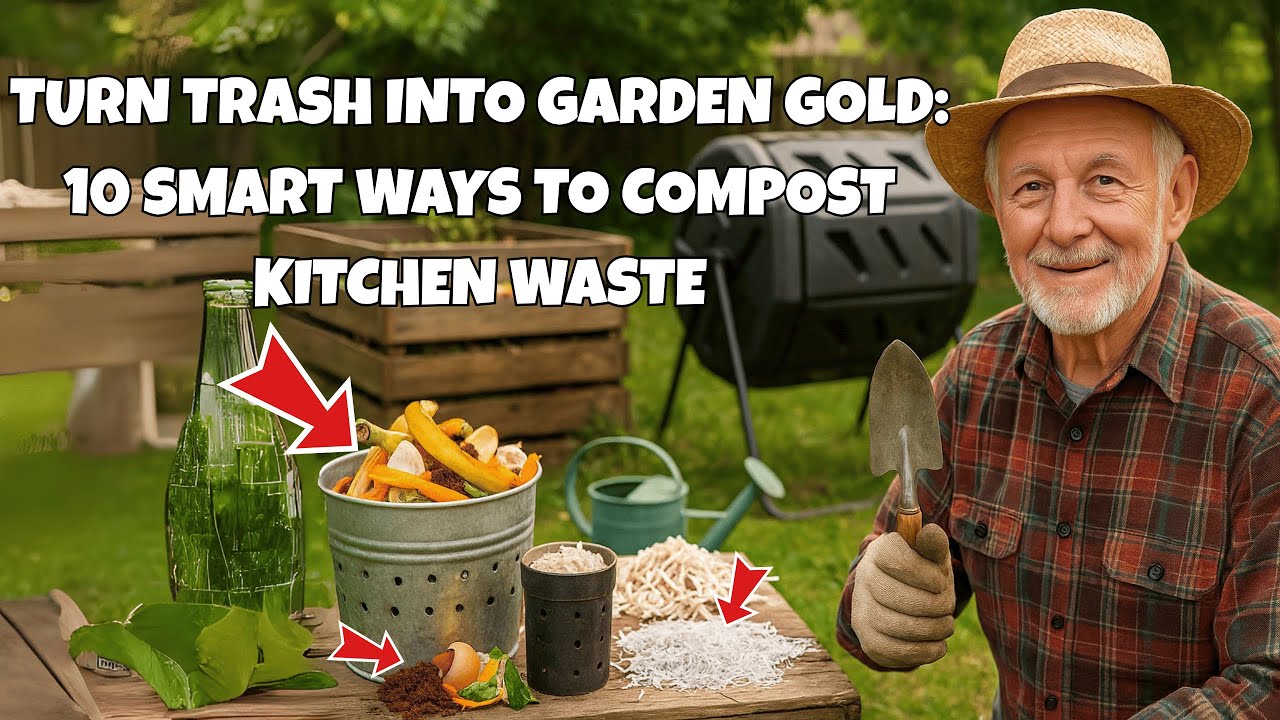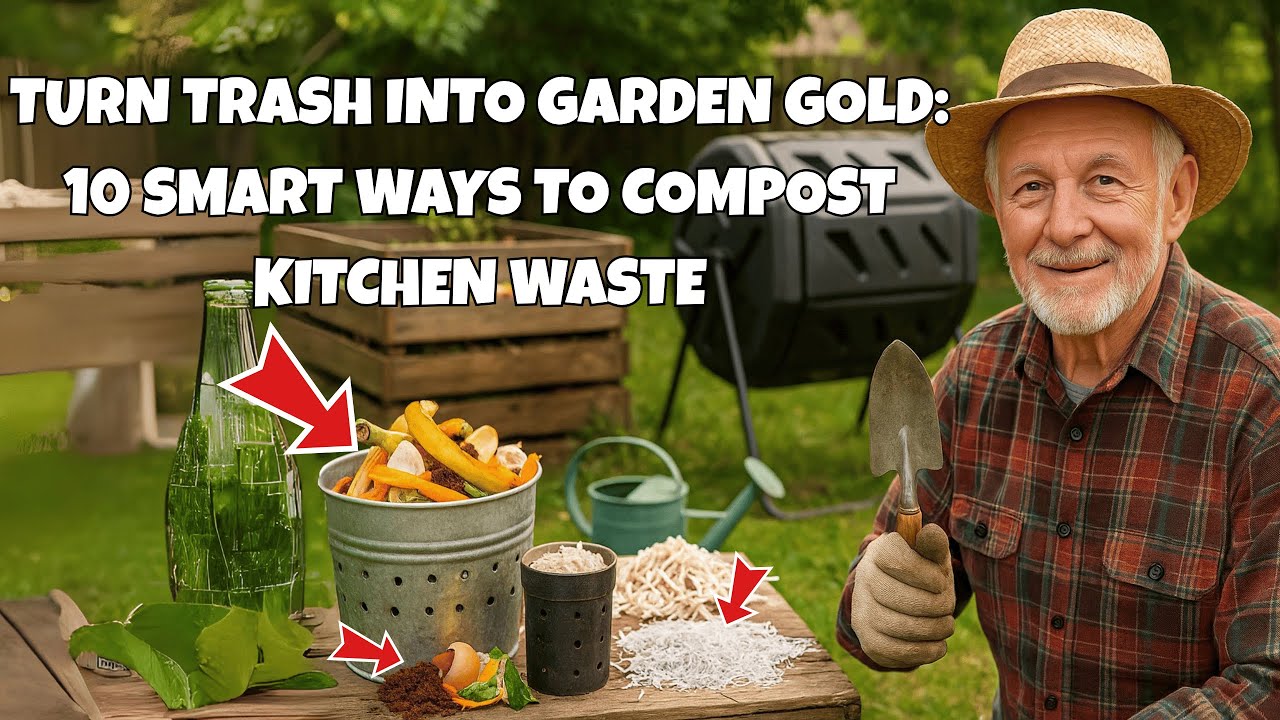
Are you tired of tossing kitchen scraps in the trash and watching them pile up? What if you could turn those leftovers into something beneficial for your garden and the planet?
Composting kitchen waste is easier than you think and can revolutionize the way you manage waste at home. Imagine turning peels, coffee grounds, and eggshells into rich, nutritious soil for your plants. Not only will you reduce the amount of waste you send to the landfill, but you'll also create a natural fertilizer that your garden will love.
Ready to discover how you can start composting and make a positive impact on the environment? Let's dive into the simple steps you need to take to transform your kitchen scraps into garden gold.
Why Compost Kitchen Waste
Composting kitchen waste is an easy way to reduce trash. It turns food scraps into useful soil material.
Many people throw away food scraps without thinking. Composting helps recycle these wastes naturally.
Benefits For Garden And Environment
Compost enriches garden soil and helps plants grow strong. It adds nutrients that plants need to stay healthy.
Using compost reduces the need for chemical fertilizers. This keeps the soil natural and safe for insects and animals.
- Improves soil structure and water retention
- Supports healthy plant growth
- Reduces chemical use in gardens
- Helps reduce greenhouse gas emissions
Reducing Household Waste
Composting cuts down the amount of trash sent to landfills. This lowers waste collection costs and pollution.
Food scraps make up a large part of home waste. Composting these scraps keeps your kitchen and trash bins cleaner.
- Reduces trash volume in your home
- Prevents bad smells from rotting food
- Decreases landfill waste and pollution
- Encourages recycling and eco-friendly habits

Credit: www.amazon.com
Choosing The Right Compost Bin
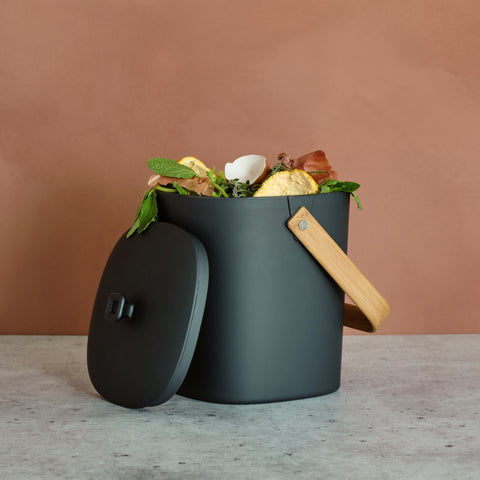
Starting to compost kitchen waste is easy with the right bin. The bin helps keep your compost neat and controls odors.
Picking the right compost bin depends on your space and how much waste you create. Let’s explore the types and options available.
Types Of Compost Bins
There are different compost bins for kitchen waste. Some bins are simple and small, while others are larger and more advanced.
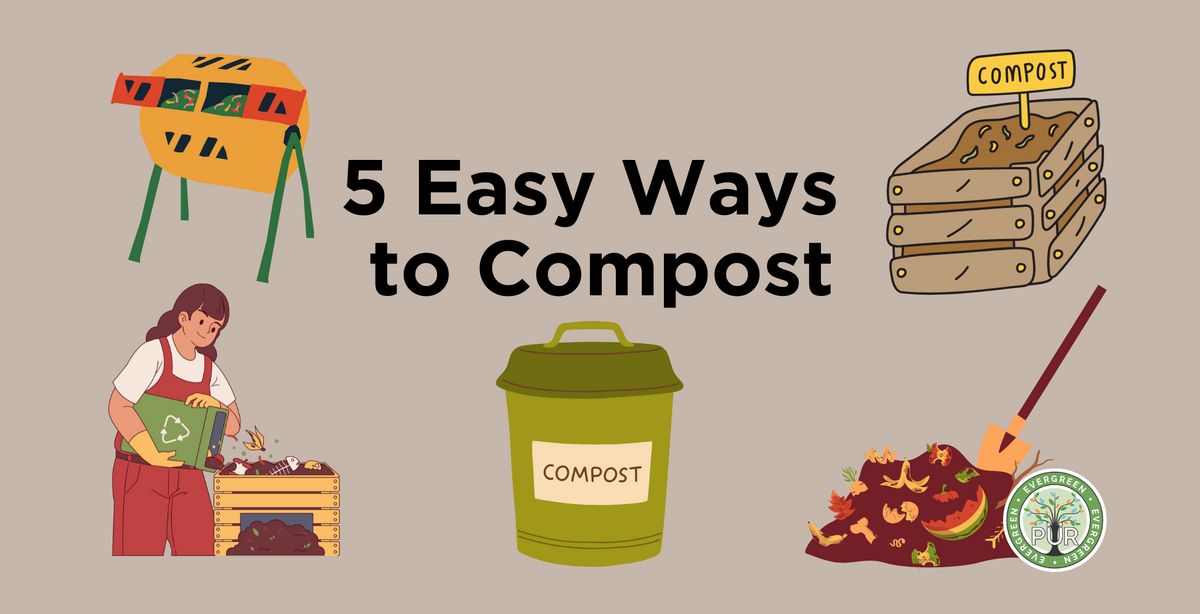
Common types include tumblers, stationary bins, and worm composters. Each has its own way of breaking down waste.
- Tumbler bins:These bins rotate to mix the compost easily.
- Stationary bins:These bins stay in one place and hold the waste.
- Worm composters:Use worms to break down kitchen scraps quickly.
Indoor Vs Outdoor Options
Indoor compost bins are small and fit in kitchens or apartments. They often have lids to control smell.
Outdoor bins are larger and can hold more waste. They work well in gardens or yards and need space for airflow.
- Indoor bins:Compact, odor-proof, easy to use inside.
- Outdoor bins:Bigger, better airflow, suited for yards.
- Choose indoor if you have limited space.
- Choose outdoor if you have a garden or yard.
What To Compost
Composting kitchen waste turns food scraps into healthy soil. Knowing what to compost helps you make good compost fast.
Some kitchen waste breaks down easily and is great for compost. Other items can cause problems or smell bad.
Kitchen Waste That Works
Many kitchen scraps are perfect for composting. These materials add nutrients and help create rich soil.
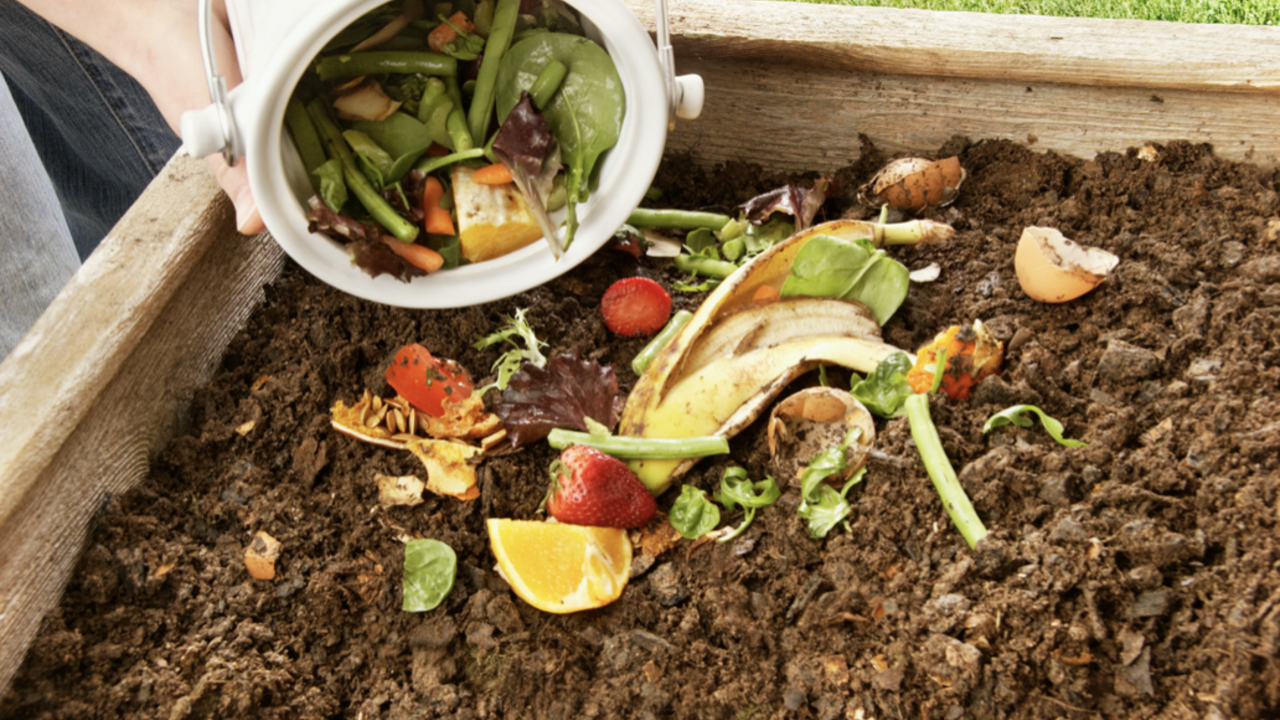
- Vegetable peels and scraps
- Fruit waste like cores and skins
- Coffee grounds and filters
- Tea bags (without plastic)
- Eggshells crushed into small pieces
- Nut shells (except walnut shells)
- Stale bread and grains
- Cooked and uncooked plant-based food leftovers
Items To Avoid
Some kitchen waste harms compost or attracts pests. Avoid adding these items to your compost bin.
| Item | Reason to Avoid |
| Meat and fish scraps | Cause bad smell and attract animals |
| Dairy products | Slow to break down and smell bad |
| Oils and fats | Can create a greasy compost that repels water |
| Pet waste | May contain harmful bacteria |
| Diseased plants | Can spread disease to compost and garden |
| Large branches and wood | Take too long to decompose |
| Walnut shells | Contain chemicals harmful to plants |
Preparing Your Compost Pile
Starting composting kitchen waste is simple and helps reduce trash. Preparing your compost pile correctly speeds up the process.
A well-prepared pile balances materials and moisture. This creates a good environment for decomposition.
Layering Greens And Browns
Compost needs a mix of greens and browns. Greens are wet, rich in nitrogen. Browns are dry, full of carbon.
Layering these materials helps break down kitchen waste faster. Start with a layer of browns to allow air flow.
- Greens: vegetable scraps, coffee grounds, grass clippings
- Browns: dry leaves, paper towels, small branches
- Alternate layers about 2-4 inches thick
- Top with browns to reduce smell and pests
Maintaining Moisture Levels
Your compost pile should be damp like a wrung-out sponge. Too dry slows decomposition. Too wet causes bad smells.
Check moisture often. Add water if dry. Add dry browns if too wet. Proper moisture helps microbes work well.
- Test moisture by squeezing a handful of compost
- Add water using a spray bottle or watering can
- Mix pile after watering to distribute moisture
- Cover pile during heavy rain to prevent flooding
Managing Your Compost
Managing compost well helps turn kitchen waste into rich soil. It needs attention to keep the process fast and clean.
You must keep your compost moist and aerated. Watching for smells and pests is also important.
Turning And Aerating
Turning your compost adds air and speeds up decomposition. It stops bad smells and helps good bacteria grow.
- Use a pitchfork or compost turner tool.
- Lift and mix the compost materials gently.
- Turn the pile every 1 to 2 weeks.
- Make sure the pile feels warm after turning.
- Keep the compost moist but not wet.
Controlling Odors And Pests
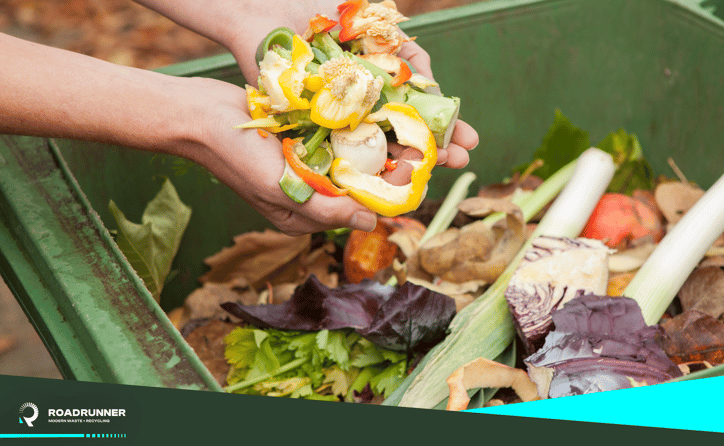
Good compost should not smell bad or attract pests. Manage odors and pests by balancing materials and covering food scraps.
| Problem | Cause | Solution |
| Bad smell | Too wet or no air | Turn compost and add dry materials |
| Fruit flies | Exposed food scraps | Cover scraps with leaves or soil |
| Rodents | Meat or oily food in pile | Avoid adding meat and use a closed bin |
| Slow compost | Too dry or no air | Water lightly and turn often |
Credit: www.roadrunnerwm.com
Harvesting Finished Compost
Harvesting finished compost is the last step in composting kitchen waste. It means your compost is ready to use in your garden.
Knowing when to harvest helps you get the most nutrients for your plants. It also keeps your compost pile healthy.
Signs Of Ready Compost
Finished compost looks dark and crumbly. It smells like fresh soil, not rotten or sour.
The original food scraps and materials are no longer visible. The compost feels cool to touch, not hot.
- Dark brown or black color
- Earthy, pleasant smell
- No large bits of food or leaves
- Crumbly texture like soil
- Cool temperature in the pile
Using Compost In Your Garden
Use finished compost to feed your plants and improve soil. It adds nutrients and helps soil hold water.
You can mix compost into garden beds, use it as mulch, or add it to potting soil.
- Mix compost with garden soil before planting
- Spread compost around plants as mulch
- Add compost to pots for healthy container plants
- Use compost to start new seedlings
Troubleshooting Common Issues
Starting a compost pile with kitchen waste can be simple. Sometimes, problems slow down the process or cause bad smells.
Knowing how to fix these common issues helps keep your compost healthy and active.
Slow Decomposition
Compost breaks down slowly if it lacks the right balance of materials. Too much dry or wet waste can cause this problem.
Also, poor airflow or cold temperatures can slow down decomposition.
- Mix green (wet) and brown (dry) materials evenly.
- Turn the compost regularly to add air.
- Keep the pile warm by placing it in the sun.
- Cut large pieces into smaller ones.
Unpleasant Smells
Bad odors often happen if the compost is too wet or lacks air. This causes harmful bacteria to grow.
Smells like rotten eggs or ammonia show that the pile is not balanced.
- Add dry brown materials like leaves or paper to absorb moisture.
- Turn the pile to increase airflow.
- Avoid adding too much meat, dairy, or oily foods.
- Keep the compost covered but not sealed tight.
Credit: extension.msstate.edu
Frequently Asked Questions
What Kitchen Waste Can Be Composted At Home?
You can compost fruit scraps, vegetable peels, coffee grounds, eggshells, and tea bags. Avoid meat, dairy, and oily foods to prevent odors and pests.
How Do I Start A Compost Bin Indoors?
Choose a ventilated container with a lid. Add kitchen scraps and brown materials like shredded paper. Turn the mix weekly to speed up decomposition.
How Long Does Kitchen Waste Take To Compost?
Kitchen waste usually takes 2 to 6 months to decompose fully. Regular turning and balanced moisture speed up the process.
Can Composting Kitchen Waste Reduce Household Trash?
Yes, composting significantly reduces organic waste sent to landfills. It lowers trash volume and creates nutrient-rich soil for gardening.
Conclusion
Starting composting kitchen waste helps reduce trash and enrich soil. You save money by cutting waste disposal costs. Composting is simple and fits into daily routines. Small steps make a big difference over time. Your garden and plants will benefit from natural nutrients.
Everyone can join in, no matter the space or experience. Try composting today and see how easy it can be. A cleaner home and greener world await your effort. Keep going and watch your waste turn into something useful.