Are you worried about the quality of your kitchen sink water? You might be surprised by what’s really coming out of your tap.
Clean water is essential—not just for drinking, but for cooking and washing too. If you want to protect your health and improve the taste of your meals, learning How to Filter Kitchen Sink Water is a simple step you can take right now.
You’ll discover easy and effective ways to filter your water, so you can feel confident every time you turn on the tap. Keep reading to find out how to make your kitchen water safer and fresher today.
Why Filter Kitchen Sink Water
Filtering water from your kitchen sink helps remove harmful substances. Clean water is important for health and daily use.
Many people do not realize that tap water may contain unwanted particles. Using a filter can make water safer and better tasting.
Common Contaminants In Tap Water
Tap water can contain several types of contaminants. These include chemicals, metals, and germs that may affect your health.
- Chlorine and chloramine used in water treatment
- Lead from old pipes
- Bacteria and viruses
- Pesticides and herbicides from farming
- Heavy metals like mercury and arsenic
Health Benefits Of Filtered Water
Filtered water reduces exposure to harmful substances. It can help prevent illnesses and improve overall wellness.
| Benefit | Explanation |
| Removes contaminants | Filters block chemicals and metals |
| Better hydration | Cleaner water encourages drinking more |
| Supports digestion | Pure water helps the body process food |
| Boosts immune system | Reduces intake of harmful germs |
Improving Taste And Odor
Filtered water often tastes fresher and has less odor. This makes cooking and drinking more enjoyable.
- Removes chlorine taste
- Eliminates musty or metallic smells
- Improves flavor of coffee and tea
- Makes ice cubes clearer and better tasting
Credit: www.vevor.ca
Types Of Kitchen Sink Water Filters
Kitchen sink water filters help remove impurities from tap water. They improve taste and safety. Different filters work in different ways.
Choosing the right filter depends on your water source and needs. Here are common types of kitchen sink water filters.
Activated Carbon Filters
Activated carbon filters use a special type of charcoal. It traps chlorine, odors, and some chemicals. This filter improves water taste and smell.
- Removes chlorine and bad odors
- Reduces some pesticides and chemicals
- Easy to install and affordable
- Needs regular cartridge changes
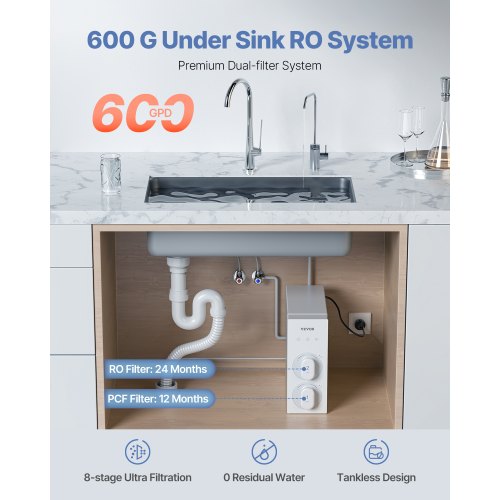
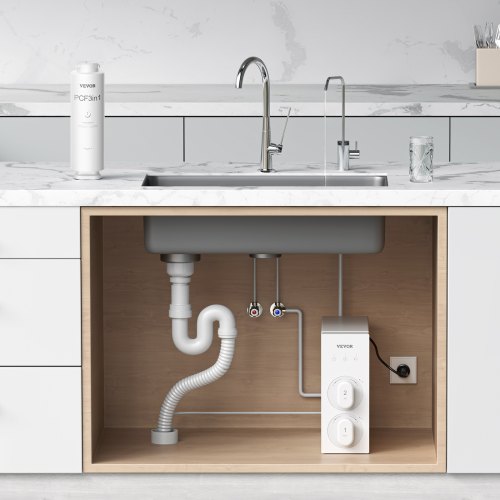
Reverse Osmosis Systems
Reverse osmosis (RO) pushes water through a fine membrane. It removes many impurities, including salts and heavy metals. RO systems provide very clean water.
| Feature | Benefit | Consideration |
| Membrane filtration | Removes most contaminants | Requires more space |
| Multiple filter stages | Better water quality | Higher initial cost |
| Waste water | Less water efficient | Needs regular maintenance |
Ceramic Filters
Ceramic filters use a porous ceramic shell. It blocks bacteria, dirt, and sediments. These filters are durable and easy to clean.
- Removes bacteria and sediments
- Long-lasting and washable
- Does not remove chemicals or viruses
- Good for cloudy or dirty water
Uv Purifiers
UV purifiers use ultraviolet light to kill bacteria and viruses. They do not remove chemicals or particles. UV filters are good as a final step after other filters.
| UV Purifier Feature | Effect |
|---|---|
| Kills bacteria and viruses | Improves water safety |
| No chemical removal | Needs combined use with other filters |
| Uses UV light | No change in taste or odor |
Choosing The Right Filter
Filtering kitchen sink water improves taste and safety. Choosing the right filter depends on your needs.
Consider your water quality, budget, and filter care before buying.
Assessing Water Quality
Check what is in your tap water before picking a filter. Some filters remove chlorine but not heavy metals.
Use a water test kit or get a report from your water supplier to know what to filter out.
- Test for chemicals like chlorine and fluoride
- Check for metals such as lead or mercury
- Look for bacteria or sediment issues
Budget Considerations
Water filters vary in price from simple pitchers to complex systems. Set a budget before shopping.
Remember, some filters cost more but last longer or clean better.
- Low-cost filters may need frequent replacement
- Mid-range filters balance cost and performance
- High-end filters offer advanced purification
Filter Maintenance Needs
Filters require regular care to work well. Know how often you must clean or replace parts.
Choose a filter that fits your lifestyle and effort level.
- Some filters need monthly cartridge changes
- Others only require cleaning every few months
- Easy maintenance saves time and money
Installing A Sink Water Filter
Filtering kitchen sink water improves taste and safety. Installing a sink water filter is easy with the right tools and steps.
This guide shows you how to install a filter under your kitchen sink. Follow the instructions carefully for clean water.
Tools And Materials Required
- Sink water filter kit
- Adjustable wrench
- Phillips and flat-head screwdrivers
- Teflon tape
- Bucket or bowl to catch water
- Clean cloth or towel
- Safety gloves
Make sure all parts in the filter kit are included before starting the installation.
Step-by-step Installation Guide
- Turn off the cold water valve under the sink.
- Open the faucet to drain remaining water.
- Place a bucket under the pipes to catch drips.
- Disconnect the cold water supply line from the faucet.
- Wrap Teflon tape on the filter’s inlet threads.
- Attach the filter to the cold water supply line.
- Connect the filter outlet to the faucet supply line.
- Secure all connections with a wrench but avoid overtightening.
- Turn on the water valve slowly and check for leaks.
- Flush the filter by running water for five minutes.
Follow each step carefully to avoid damage to pipes or fittings.
Common Installation Mistakes To Avoid
| Common Mistake | Why to Avoid | How to Fix |
| Not turning off water valve | Causes water leaks and mess | Always close valve before work |
| Overtightening connections | Can crack fittings or pipes | Use wrench gently, stop when snug |
| Skipping Teflon tape | Leads to water leaks | Wrap tape on threads properly |
| Forgetting to flush filter | May cause bad taste or clog | Run water through filter after install |
Maintaining Your Water Filter
Keeping your kitchen sink water filter clean helps it work well. Regular care makes your water safe and tasty.
Learn how to clean and replace filters, spot problems, and make your filter last longer.
Cleaning And Replacing Filters
Clean your filter as the instructions say. Dirt and particles can clog it and reduce water flow.
Replace the filter when cleaning no longer helps. Old filters lose their ability to remove impurities.
- Turn off water before removing the filter
- Use mild soap and water to clean reusable filters
- Install new filters carefully to avoid leaks
- Follow manufacturer’s recommended replacement schedule
Signs Your Filter Needs Attention
Watch for changes in water taste, smell, and flow. These signs mean your filter needs cleaning or replacing.
Cloudy water or strange odors can also show that the filter is not working well.
- Water tastes odd or metallic
- Water flow slows down significantly
- Filter looks dirty or clogged
- Water appears cloudy or discolored
Extending Filter Lifespan
Use pre-filters to catch large dirt before water reaches the main filter. This helps it last longer.
Flush your filter regularly by running water through it at high flow. This clears buildup inside.
- Install a sediment pre-filter
- Flush filter every few weeks
- Keep water pressure steady and not too high
- Store replacement filters in a cool, dry place

Credit: www.frizzlife.com
Alternative Water Purification Methods
Filtering kitchen sink water is important for safe drinking. There are many ways to purify water besides using filters. These methods can help remove germs and make water clean.
This guide covers boiling and UV treatment, water purification tablets, and portable water filters. Each method has its own benefits and uses.
Boiling And Uv Treatment
Boiling water kills most bacteria and viruses. It is a simple and effective way to purify water at home. UV treatment uses ultraviolet light to destroy germs without changing water taste.
- Boil water for at least 1 minute to ensure safety
- Use a clean pot to avoid contamination
- UV devices need batteries or power to work
- UV treatment is good for clear water without dirt
Using Water Purification Tablets
Water purification tablets are small and easy to use. They release chemicals that kill bacteria and viruses. Tablets are useful for emergency situations or outdoor activities.
| Type of Tablet | Active Ingredient | Time to Purify |
| Chlorine | Sodium Hypochlorite | 30 minutes |
| Iodine | Povidone-Iodine | 30 minutes |
| Chlorine Dioxide | Chlorine Dioxide | 4 hours |
Portable Water Filters
Portable water filters remove dirt and germs by pushing water through a small filter. They are handy for camping and travel. Some filters also improve taste by removing odors.
- Use a pump or straw filter for easy water cleaning
- Filters must be cleaned regularly to work well
- Choose filters with small pore size for better purity
- Portable filters do not use chemicals
Cost And Environmental Impact
Filtering kitchen sink water helps improve water quality for cooking and drinking. Choosing the right filter affects your budget and the planet.
Some filters cost more upfront but save money later. Others use less energy or create less waste. It is good to know these differences before buying.
Comparing Filter Costs
Water filters vary in price. Some need replacing parts often, which adds to costs. Others last longer but cost more at first.
Consider both the initial price and the cost of filter changes. This helps find the best value over time.
- Pitcher filters are cheap but need frequent cartridge changes.
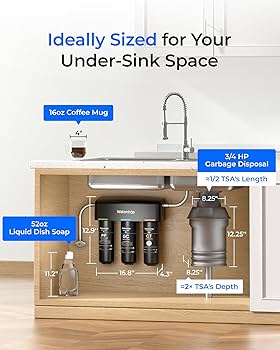
- Under-sink filters cost more but have longer-lasting parts.
- Reverse osmosis systems are expensive but filter many impurities.
Reducing Plastic Waste
Many filters use plastic cartridges that end up in landfills. Choosing options with recyclable parts helps reduce waste.
Some filters use fewer plastic parts or have refillable options. These choices lower plastic use and help the environment.
- Pick filters with recyclable cartridges.
- Choose brands with recycling programs.
- Refillable filters cut down on plastic waste.
Energy Efficiency Of Filters
Some water filters use electricity to work. This adds to energy bills and environmental impact.
Filters that use no power or low energy save money and reduce carbon footprint.
- Manual filters need no electricity.
- Electric filters may use pumps or UV light.
- Check energy use before buying to save costs.
Credit: www.vevor.ca
Frequently Asked Questions
How Can I Filter Kitchen Sink Water Effectively?
Use a high-quality water filter designed for kitchen sinks. Options include faucet-mounted, under-sink, and countertop filters. Choose one that removes contaminants like chlorine, lead, and bacteria. Regularly replace filter cartridges to maintain water quality and ensure safe, clean drinking water.
What Types Of Filters Work Best For Kitchen Sink Water?
Activated carbon filters, reverse osmosis systems, and UV purifiers are top choices. Activated carbon removes chemicals and odors. Reverse osmosis filters out heavy metals and sediments. UV purifiers kill bacteria and viruses. Combining technologies can improve overall water quality.
How Often Should I Replace My Kitchen Sink Water Filter?
Replace filters every 3 to 6 months, depending on usage and filter type. Check the manufacturer’s guidelines for specific timelines. Timely replacement ensures optimal filtration performance and prevents clogging, maintaining clean and healthy water from your kitchen sink.
Is Filtered Kitchen Sink Water Safe For Cooking And Drinking?
Yes, filtered kitchen sink water is generally safe for cooking and drinking. It removes harmful contaminants, improving taste and odor. Always use certified filters and maintain them properly to ensure water safety and quality for your household needs.
Conclusion
Filtering kitchen sink water is a smart choice for clean water. It helps remove impurities, making it safer for your family. Simple filters can fit right onto your faucet. They are easy to install and use. Regular maintenance is key for best results.
Clean or replace filters as needed. Enjoy fresh, filtered water for cooking and drinking. It’s an easy step toward healthier living. Consider your water needs and choose the right filter. Your kitchen and health will benefit. Get started today and enjoy the taste of clean water.