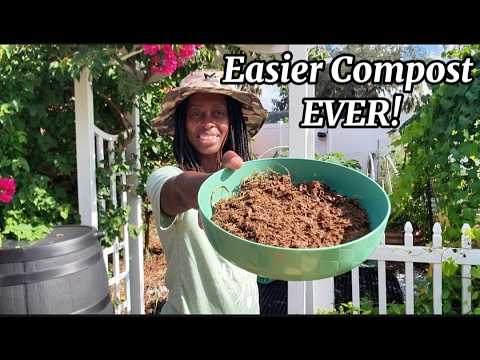
Imagine turning your everyday kitchen scraps into nutrient-rich gold for your garden. Yes, your banana peels, coffee grounds, and vegetable scraps have the potential to transform into something magical—garden compost.
Not only is this an environmentally friendly way to reduce waste, but it also enriches your soil, leading to healthier plants and more vibrant flowers. Curious about how you can start this rewarding process? You’re in the right place. By the end of this article, you’ll know exactly how to create your own garden compost from kitchen waste.
And trust me, it’s easier than you think. Once you see the results, you’ll wonder why you didn’t start sooner. Get ready to discover how you can turn trash into treasure and make your garden thrive like never before. Keep reading to unlock the secrets of successful composting!

Credit: www.youtube.com
Benefits Of Garden Compost
Garden compost made from kitchen waste helps plants grow better. It turns old food scraps into rich soil material.
Using compost supports a healthy garden and reduces trash. It is a natural way to improve soil without chemicals.
Enhancing Soil Quality
Compost adds nutrients to the soil that plants need. It improves soil structure and helps hold water better.
Healthy soil grows stronger plants and reduces the need for extra watering.
Reducing Waste
Turning kitchen waste into compost keeps trash out of landfills. It lowers the amount of garbage and pollution.
Using food scraps this way helps the environment and saves space in bins.
- Vegetable peelings
- Fruit scraps
- Coffee grounds
- Eggshells
Saving Money On Fertilizers
Garden compost provides natural nutrients for plants. It reduces the need to buy expensive chemical fertilizers.
Making your own compost saves money and keeps your garden healthy.
Choosing Kitchen Waste For Compost
Using kitchen waste for compost helps reduce trash and feeds your garden soil. You must pick the right waste to make good compost.
Some kitchen scraps break down quickly and add nutrients. Others can cause problems or take too long to rot.
Suitable Organic Materials
Choose soft, wet kitchen waste for compost. These materials are rich in nitrogen and break down fast.
- Fruit and vegetable peels
- Used coffee grounds and tea bags
- Eggshells (crushed)
- Cooked rice and pasta (small amounts)
- Fresh grass clippings
- Nut shells (except walnuts)
Items To Avoid
Some kitchen waste can attract pests or harm your compost. Avoid these to keep compost healthy.
- Meat, fish, and bones
- Dairy products like cheese and milk
- Oils and greasy foods
- Diseased or moldy plants
- Pet waste
- Large amounts of cooked food
Balancing Green And Brown Waste
Compost needs a mix of green and brown materials. Green waste is wet and rich in nitrogen. Brown waste is dry and full of carbon.
Too much green waste makes compost smell bad. Too much brown waste slows down the process.
- Green waste: vegetable scraps, fruit peels, coffee grounds
- Brown waste: dry leaves, paper, cardboard, straw
- A good mix is about 2 parts brown to 1 part green
- Chop large pieces to help compost break down faster
Preparing Kitchen Waste
Making garden compost starts with preparing kitchen waste properly. This helps the waste break down faster and turn into rich soil.
Proper preparation means sorting, cutting, and managing moisture. These steps keep your compost healthy and effective.
Chopping And Shredding
Cut kitchen waste into small pieces before composting. Smaller pieces break down faster and mix better in the compost pile.
Use a knife or kitchen scissors to chop vegetable scraps and fruit peels into tiny bits. Shred leafy greens to speed decay.
Removing Non-compostables
Not all kitchen waste belongs in compost. Remove plastics, metals, glass, and cooked food with oils or sauces.
Also avoid adding dairy, meat, or bones because they attract pests and slow composting.
- Plastics and packaging
- Glass and metal pieces
- Dairy products like cheese and milk
- Meat, bones, and oily foods
Managing Moisture Levels
Keep kitchen waste moist but not wet. Too much water can cause bad smells and slow down composting.
If waste is dry, add a little water or green scraps. If it is too wet, mix in dry materials like shredded paper or dry leaves.
- Moist like a wrung-out sponge is ideal
- Add water to dry scraps
- Mix in dry materials if too wet
- Turn compost regularly to keep air flowing
Setting Up A Compost Bin
Making garden compost from kitchen waste starts with a good compost bin. The right setup helps waste break down faster. It keeps your garden healthy and waste-free.
This guide covers picking a container, choosing a place, and making sure air and water flow well.
Selecting The Right Container
Choose a container that is easy to use and fits your space. It can be a simple bin or a special compost tumbler.
- Use a bin made of plastic, wood, or metal
- Pick a size that matches your kitchen waste amount
- Look for a container with a lid to keep pests out
- Choose one with holes or gaps for airflow
- Make sure it is easy to open and turn the compost
Ideal Location
Place the compost bin in a spot that is dry and partly shaded. Too much sun can dry the compost. Too much shade slows the process.
| Location Factor | Why It Matters |
| Shade | Keeps compost moist and cool |
| Dry Ground | Prevents waterlogging and pests |
| Near Kitchen | Makes adding waste easy |
| Easy Access | Helps with turning and harvesting compost |
Ventilation And Drainage
Good airflow and drainage stop bad smells and speed up composting. Without these, the compost can get wet and smelly.
- Make holes in the bin for air to flow
- Place the bin on a surface that lets water drain out
- Turn the compost often to add oxygen
- Keep the compost moist but not soggy
Composting Process
Making garden compost from kitchen waste is simple and helps reduce trash. It turns scraps into rich soil for plants.
Understanding the composting process helps you create healthy compost faster. It needs care and the right steps.
Layering Waste Materials
Start by adding different types of waste in layers. Green materials and brown materials balance the compost.
- Green materials: fruit peels, vegetable scraps, coffee grounds
- Brown materials: dry leaves, paper, cardboard
- Alternate layers of green and brown materials
- Chop big pieces to help break down faster
Turning And Aerating
Turning compost adds air that helps bacteria break down waste. It stops smells and speeds up composting.
- Use a pitchfork or shovel to turn the pile.
- Turn the compost every 1 to 2 weeks.
- Mix the outer parts with the inside.
- Check for bad smells; if present, turn more often.
Monitoring Temperature And Moisture
Temperature and moisture affect how fast compost forms. Keep the pile warm and damp, not wet.
| Factor | Ideal Range | What to Do |
| Temperature | 130°F to 160°F (54°C to 71°C) | Turn pile to keep heat even |
| Moisture | 40% to 60% (like a wrung-out sponge) | Add water if dry, add dry leaves if wet |
Troubleshooting Common Issues
Making garden compost from kitchen waste is simple but can face some common problems. Knowing how to fix them helps keep your compost healthy.
This guide covers three frequent issues: bad smells, pests, and slow breakdown of materials. Each section offers clear tips to solve these problems.
Dealing With Odors
Bad odors in compost usually mean too much moisture or too many food scraps. You want your compost to smell earthy, not rotten.
- Add dry brown materials like leaves, paper, or cardboard to balance wet waste.
- Turn the compost often to improve air flow and reduce smell.
- Cover fresh kitchen scraps with a layer of dry materials.
- Keep the compost pile moist but not soggy, like a damp sponge.
Pest Prevention
Pests such as rats, flies, and ants can be attracted to kitchen waste compost. Preventing pests protects your garden and compost quality.
| Cause | Prevention Tips |
|---|---|
| Food scraps left uncovered | Always cover scraps with dry leaves or soil |
| Meat or oily foods | Avoid adding meat, dairy, or oily waste |
| Open compost bin | Use a compost bin with a secure lid or mesh cover |
| Compost pile too wet | Keep pile balanced and turn regularly to dry |
Slow Decomposition
Slow composting happens when the pile lacks heat, moisture, or air. These factors help microbes break down waste faster.
- Chop kitchen waste into small pieces to speed up decomposition.
- Mix green (nitrogen) and brown (carbon) materials in a 1:3 ratio.
- Turn the pile every week to add oxygen.
- Keep the pile moist but not too wet.
- Place compost in a sunny spot to keep it warm.
Using Finished Compost In Your Garden
Finished compost is a rich, dark soil-like material. It helps plants grow strong and healthy. Using compost properly can improve your garden’s soil and boost plant growth.
Before adding compost, check its readiness. Then apply it carefully to your garden soil. Compost gives many benefits to your plants and soil.
Testing Compost Readiness
To test if compost is ready, look for these signs:
- The compost looks dark brown or black.
- It smells earthy, not sour or rotten.
- Materials are broken down and not recognizable.
- The texture is crumbly and moist.
- It feels warm or cool, but not hot.
Applying To Soil
Use compost as a top layer or mix it into your soil. It adds nutrients and improves soil structure. Here are ways to apply compost:
- Spread a 1 to 3 inch layer over garden beds.
- Work compost gently into the top 6 to 8 inches of soil.
- Mix compost with potting soil for container plants.
- Use compost as mulch around trees and shrubs.
Benefits To Plants
| Benefit | How It Helps |
|---|---|
| Improves soil nutrients | Supplies nitrogen, phosphorus, and potassium |
| Enhances soil texture | Increases water retention and aeration |
| Supports root growth | Creates a healthy environment for roots |
| Reduces plant diseases | Promotes beneficial microbes that fight pathogens |
| Encourages earthworms | Earthworms improve soil health and nutrient cycling |
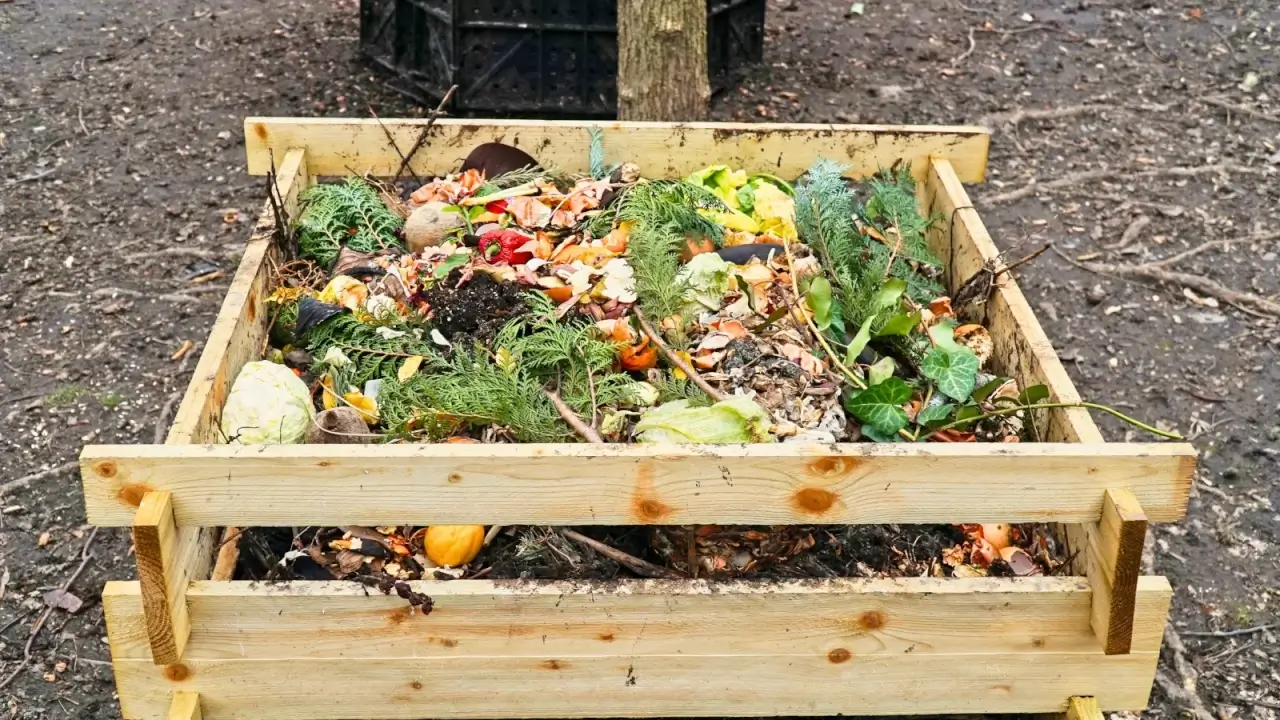
Credit: modernfarmer.com

Credit: www.youtube.com
Frequently Asked Questions
What Kitchen Waste Is Best For Garden Compost?
Vegetable peels, coffee grounds, eggshells, and fruit scraps are ideal for compost. Avoid meat, dairy, and oily foods to prevent pests and odors.
How Long Does Kitchen Waste Take To Turn Into Compost?
Composting kitchen waste typically takes 2 to 6 months. Proper moisture, aeration, and temperature speed up decomposition efficiently.
Can I Compost Cooked Food Scraps From My Kitchen?
Cooked food scraps can be composted but in small amounts. They may attract pests and require careful management to avoid odors.
How Do I Maintain The Right Moisture In My Compost Pile?
Keep the compost pile damp like a wrung-out sponge. Add water if dry and mix to maintain airflow and moisture balance.
Conclusion
Making garden compost from kitchen waste helps reduce trash and enrich soil. It saves money on fertilizers and supports healthy plants. You only need simple steps and patience to create nutrient-rich compost. Keep adding kitchen scraps like fruit peels, coffee grounds, and eggshells.
Turn the pile often to help it break down faster. Soon, you will see dark, crumbly soil ready for your garden. Composting is easy, eco-friendly, and good for your plants. Start today and watch your garden thrive with natural compost!