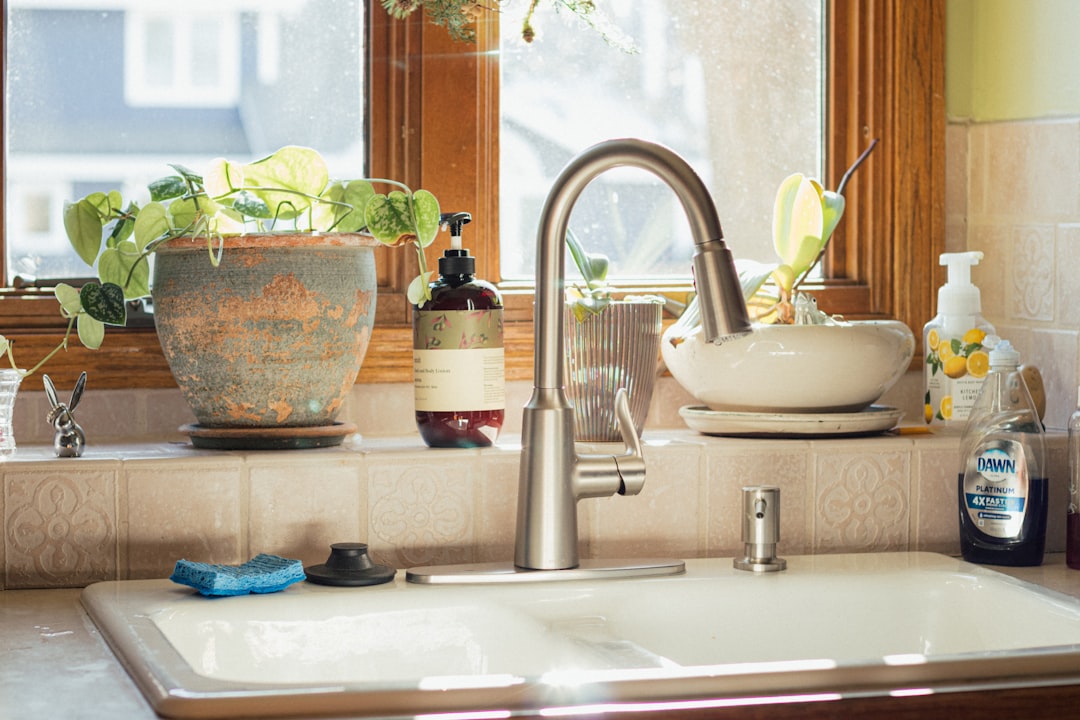
Is your kitchen sink faucet not delivering water as smoothly as it used to? You might be dealing with a clogged faucet filter.
Over time, mineral deposits, debris, and dirt can accumulate in the filter, slowing down water flow and reducing efficiency. But don't worry; cleaning your kitchen sink faucet filter is easier than you think! In this guide, you'll discover simple steps to restore your faucet's performance, ensuring a steady and clean water flow.
Imagine the satisfaction of watching water gush out freely, knowing you’ve tackled the problem yourself. Keep reading to learn how to give your kitchen faucet the care it deserves and enhance your daily water experience.
Tools And Materials Needed
Cleaning your kitchen sink faucet filter is simple with the right tools. This guide lists what you need to get the job done fast and well.
Gather these items before you start to avoid interruptions and keep the process smooth.
Basic Tools
You will need some common tools to remove and clean the faucet filter carefully.
- Adjustable wrench or pliers
- Small screwdriver (flathead or Phillips)
- Soft brush or old toothbrush
- Clean cloth or towel
- Bucket or bowl
Cleaning Materials
Using the right cleaning materials helps remove dirt and buildup without damage.
| Material | Purpose |
| White vinegar | Breaks down mineral deposits |
| Warm water | Rinses away loosened debris |
| Mild dish soap | Removes grease and grime |
| Rubber gloves | Protects your hands |
Optional Items For Better Cleaning
These optional items can improve the cleaning process and protect your faucet parts.
- Toothpick or needle to clear small holes
- Small container for soaking filter
- Replacement washers or O-rings

Credit: www.youtube.com
Preparing The Faucet Filter
Cleaning your kitchen sink faucet filter helps keep water flow smooth. You should start by preparing the filter carefully.
Proper preparation makes the cleaning process easier and safer. Follow simple steps to get ready.
Turning Off Water Supply
Before removing the filter, turn off the water supply. This stops water from leaking during cleaning.
Find the shut-off valve under the sink or the main water valve. Turn it clockwise to close it.
- Locate the water valve near your sink
- Turn the valve handle clockwise
- Check if water stops flowing from the faucet
Removing The Filter
After turning off the water, remove the faucet filter carefully. Use your hand or a wrench if it is tight.
Place a cloth under the faucet to catch any water drops. Unscrew the filter by turning it counterclockwise.
- Cover the sink drain to avoid losing small parts
- Grip the filter firmly and twist to remove
- If stuck, use a wrench with a cloth to prevent scratches
Cleaning Methods
Cleaning your kitchen sink faucet filter keeps water flow smooth. Dirt and minerals can block the filter over time.
Use simple cleaning methods to remove buildup and keep your faucet working well.
Soaking In Vinegar Solution
Fill a bowl with white vinegar and water in equal parts. Soak the faucet filter in this solution for 30 minutes.
The vinegar breaks down mineral deposits and loosens dirt stuck on the filter.
Scrubbing With A Brush
Use a soft brush or old toothbrush to scrub the filter gently. Focus on areas with visible dirt or buildup.
Scrubbing helps remove loosened debris without damaging the filter parts.
- Use gentle pressure to avoid damage
- Clean all sides of the filter
- Pay attention to small holes or mesh
Rinsing Thoroughly
Rinse the filter under running water to wash away loosened dirt and vinegar. Make sure no residue remains.
Dry the filter before reinstalling it in the faucet to prevent mold or mildew growth.
Reinstalling The Filter
After cleaning your kitchen sink faucet filter, putting it back correctly is key. A good reinstall ensures your faucet works well and lasts longer.
This guide will help you check for damage and secure the filter back in place safely.
Checking For Damage
Before reinstalling, inspect the filter carefully. Look for cracks, tears, or worn-out parts. Damaged filters can cause leaks or poor water flow.
- Examine the rubber seal for cracks or hardening
- Check the mesh screen for holes or tears
- Look for any broken plastic pieces on the frame
- Make sure no dirt or debris is stuck in the filter
Securing The Filter Back
Place the filter in its slot carefully. Make sure it fits snugly and the seal is tight. This stops leaks and keeps water clean.
| Action | Tip |
| Insert Filter | Align with faucet threads or holder |
| Press Seal | Ensure rubber seal sits evenly |
| Tighten Filter | Turn gently but firmly to avoid damage |
| Test Faucet | Run water to check for leaks |
Maintenance Tips
Keeping your kitchen sink faucet filter clean helps water flow smoothly. It stops dirt and buildup from causing problems.
Regular care saves you time and money on repairs. Follow easy steps to keep your faucet filter working well.
Frequency Of Cleaning
Clean the faucet filter every 3 to 6 months. This keeps minerals and debris from blocking water flow. If your water is hard or has more particles, clean it more often.
- Remove the filter gently to avoid damage.
- Soak it in vinegar or a mild cleaner.
- Rinse well before putting it back.
Preventing Clogs
Clogs reduce water pressure and cause leaks. Avoid clogging by keeping the faucet and filter free from dirt and grease. Watch what goes down the drain and clean filters regularly.
| Cause | Prevention |
| Mineral buildup | Regular filter cleaning |
| Food particles | Use drain strainers |
| Grease | Dispose of grease properly |
| Hard water deposits | Install water softeners |
Using Water Softeners
Water softeners reduce minerals that build up inside filters. They help your faucet last longer and work better. Soft water also feels cleaner on your skin.
Tips for using water softeners:
- Choose a softener that fits your water hardness level.
- Maintain the softener by adding salt as needed.
- Check your faucet filter less often if water is soft.

Credit: www.frizzlife.com

Credit: www.angi.com
Frequently Asked Questions
How Often Should I Clean My Kitchen Sink Faucet Filter?
Clean your kitchen sink faucet filter every 3 to 6 months. Frequent cleaning prevents clogs and ensures smooth water flow. If water pressure drops or flow becomes uneven, clean it immediately to avoid damage and maintain hygiene.
What Tools Do I Need To Clean The Faucet Filter?
You need a small wrench, a soft brush, and white vinegar. These tools help safely remove, clean, and soak the filter to dissolve mineral deposits. Avoid harsh chemicals to protect your faucet’s finish and filter integrity.
Can I Clean The Faucet Filter Without Removing It?
Yes, you can clean the filter without removal by soaking a cloth in vinegar. Wrap it around the faucet area and scrub gently with a brush. However, full removal ensures deeper cleaning and better results.
Why Is My Kitchen Faucet Filter Clogged Frequently?
Frequent clogging is due to mineral buildup or debris in water supply. Hard water increases scale deposits, blocking the filter. Regular cleaning and using water softeners can reduce clogging and prolong filter life.
Conclusion
Cleaning your kitchen sink faucet filter keeps water flowing well. It helps stop clogs and removes dirt or buildup. Regular cleaning saves money on repairs and extends faucet life. You only need a few simple tools and steps to do it.
Make cleaning part of your routine for best results. Clear water and a smooth faucet feel good every day. Try it soon and enjoy a fresher kitchen sink. Simple care makes a big difference.