How to Pan Fry Chicken Breast: Craving a delicious and satisfying meal that’s quick and easy to prepare? Learning how to pan fry chicken breast might be just what you need.
Picture this: a juicy, tender chicken breast with a perfectly golden crust, sizzling in your pan, and filling your kitchen with mouth-watering aromas. Sounds tempting, right? It’s a simple technique that can transform your dinner routine and elevate your cooking game.
Plus, it’s a healthier alternative to deep frying. You’ll discover the secrets to achieving that perfect sear and maintaining maximum juiciness. Stick around, and you’ll soon master a skill that promises to delight your taste buds and impress anyone lucky enough to share your table.

Credit: josieandnina.com
Choosing The Right Chicken Breast
Picking the right chicken breast is key to a tasty pan-fried meal. The quality and cut affect cooking time and flavor.
This guide covers fresh versus frozen, size and thickness, and boneless and skinless options to help you choose well.
Fresh Vs Frozen
Fresh chicken breasts usually have a better texture and flavor than frozen. They cook more evenly and stay juicy.
Frozen chicken breasts are convenient and last longer. Make sure to thaw them properly before cooking to avoid uneven cooking.
- Choose fresh if you plan to cook soon.
- Use frozen for longer storage and plan ahead for thawing.
- Check the packaging date and avoid any with freezer burn.
Size And Thickness Matters
Chicken breasts come in different sizes and thicknesses. This changes cooking time and results.
| Size | Cooking Tip | Result |
|---|---|---|
| Thin (about 1/2 inch) | Cook quickly over medium heat | Even cooking, less chance to dry out |
| Thick (1 inch or more) | Use lower heat and cook longer | Juicy inside but needs care to avoid burning |
| Large breasts | Cut into halves or pound thin | Faster cooking, uniform texture |
Boneless And Skinless Options
Boneless, skinless chicken breasts are popular for pan frying. They cook fast and are easy to handle.
- Boneless breasts have no bones, so they cook evenly.
- Skinless breasts reduce fat and crispiness but are leaner.
- Skin-on breasts add flavor but need more careful cooking.
- Choose according to your taste and recipe needs.
Preparing Chicken For Pan Frying
Pan frying chicken breast is a quick way to make a tasty meal. Good preparation helps the chicken cook evenly and taste better.
Before cooking, you need to trim, clean, and season the chicken properly. This makes the pan frying process easier and more successful.
Trimming And Cleaning
Start by removing any fat, skin, or leftover bones from the chicken breast. This helps the chicken cook evenly and prevents flare-ups in the pan.
Rinse the chicken under cold water and pat it dry with paper towels. Dry chicken browns better and does not steam while cooking.
Even Thickness For Uniform Cooking
Chicken breast often has thick and thin parts. Pound the chicken to make it the same thickness all over. This helps it cook evenly and prevents dry edges.
Use a meat mallet or rolling pin, and gently press the chicken between two sheets of plastic wrap or wax paper.
Marinating And Seasoning Tips
Marinate chicken to add flavor and keep it moist. Use simple ingredients like oil, lemon juice, herbs, and spices.
If you do not marinate, season the chicken well with salt and pepper before cooking. This brings out the natural taste.
- Use oil to help the seasoning stick
- Marinate for at least 30 minutes for best flavor
- Pat chicken dry after marinating to avoid splatter
- Season both sides evenly
Selecting The Best Pan And Oil
Pan frying chicken breast needs the right pan and oil. These choices affect taste and cooking results.
Picking the best pan and oil helps you cook chicken evenly and avoid sticking or burning.
Non-stick Vs Cast Iron Skillets
Non-stick pans stop food from sticking. They need less oil and are easy to clean.
Cast iron skillets hold heat well. They create a nice crust on the chicken but need more care.
- Non-stick pans heat quickly and cook gently.
- Cast iron pans keep heat steady for even cooking.
- Non-stick is lighter and easier to handle.
- Cast iron needs seasoning to prevent rust and sticking.
Choosing High Smoke Point Oils
Use oils with a high smoke point for pan frying. They stay stable at high heat and taste good.
Oils with low smoke points can burn and give a bad flavor to chicken.
- Canola oil
- Avocado oil
- Peanut oil
- Sunflower oil
Preheating The Pan
Preheat the pan before adding oil or chicken. A hot pan cooks chicken evenly and fast.
Test heat by sprinkling a few drops of water. If they sizzle, the pan is ready.
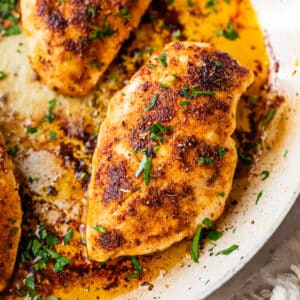
Credit: thealmondeater.com
Step-by-step Pan Frying Process
Pan frying chicken breast is a quick way to make a tasty meal. You need to control the heat and cooking time well. This helps the chicken cook evenly and stay juicy.
This guide shows you how to pan fry chicken breast with three important tips. Follow these steps for best results every time.
Proper Heat Settings
Use medium to medium-high heat to cook chicken breast. Too high heat burns the outside before the inside cooks. Too low heat makes the chicken dry and tough.
- Preheat the pan for about 2 minutes before adding oil.
- Add a small amount of oil with a high smoke point, like canola or vegetable oil.
- Adjust heat to keep a steady sizzle but no smoke.
Cooking Time For Each Side
Cook the chicken breast long enough on each side to get a golden color and cook through. Time depends on thickness but usually ranges between 4 and 7 minutes per side.
| Chicken Thickness | Cooking Time per Side |
|---|---|
| ½ inch (1.25 cm) | 4 minutes |
| ¾ inch (2 cm) | 5-6 minutes |
| 1 inch (2.5 cm) | 6-7 minutes |
Avoiding Overcrowding The Pan
Do not put too many chicken breasts in the pan at once. Overcrowding lowers the pan temperature. This causes steaming instead of frying. The chicken will not brown well.
Follow these tips to avoid overcrowding:
- Cook chicken in batches if needed.
- Leave space between each piece.
- Use a large pan or skillet.
Ensuring Juicy And Tender Chicken
Pan frying chicken breast is quick and tasty. It can be tricky to keep it juicy and tender.
Using the right tools and methods helps you cook perfect chicken every time.
Using A Meat Thermometer
A meat thermometer shows the exact internal temperature of the chicken. This stops overcooking or undercooking.
Cook chicken breast until it reaches 165°F (74°C) inside. This is safe and keeps the meat juicy.
- Insert thermometer in the thickest part of the breast
- Avoid touching bone with the thermometer
- Check temperature near the end of cooking time
Resting The Chicken Post Cooking
Rest the chicken after cooking. This lets the juices spread inside the meat.
Rest for 5 to 10 minutes on a warm plate. Cover lightly with foil to keep heat.
- Do not cut chicken right away
- Resting stops juice from leaking out
- Rested chicken is more tender and moist
Tips To Retain Moisture
Keeping chicken moist needs good cooking and prep habits. Use these tips for the best results.
- Lightly pound chicken breast to even thickness
- Marinate or brine chicken before cooking
- Use medium heat to cook chicken slowly
- Don’t overcrowd the pan; cook in batches
- Add a small amount of oil or butter for moisture
- Flip chicken only once during cooking
Common Mistakes To Avoid
Pan frying chicken breast is simple but easy to get wrong. Small mistakes can make the chicken dry or bland.
Watch out for common errors to cook juicy and tasty chicken every time.
Cooking On Too High Heat
Many cooks use too high heat to speed up cooking. This burns the outside while leaving the inside raw or dry.
- Use medium or medium-high heat for even cooking.
- Preheat the pan before adding chicken.
- Adjust heat if chicken browns too fast.
- Cover the pan briefly to cook inside without burning.
Skipping The Resting Period
Cutting chicken immediately after cooking releases juices and dries the meat. Resting keeps it moist and tender.
Let the chicken rest on a plate for 5 to 10 minutes. Cover it loosely with foil to keep warm.
Not Seasoning Properly
Under-seasoned chicken tastes bland. Over-seasoning can ruin the flavor. Balance is key.
| Common Seasoning Mistakes | How to Fix |
| Not seasoning before cooking | Sprinkle salt and pepper on both sides before frying |
| Using only salt | Add herbs or spices like garlic powder or paprika |
| Seasoning too late | Season chicken 10 minutes before cooking to absorb flavors |
Serving Suggestions And Pairings
Pan frying chicken breast makes a quick and tasty meal. Pair it with sauces and sides to enhance flavor.
Choosing the right toppings and sides helps balance the dish. Presentation also makes it more inviting.
Simple Sauces And Toppings
Light sauces add moisture and flavor to chicken breast. Fresh toppings give texture and color.
- Lemon butter sauce brightens the taste
- Garlic herb sauce adds savory notes
- Salsa or pico de gallo brings freshness
- Sliced avocado offers creaminess
- Chopped fresh herbs like parsley or cilantro
- Grated Parmesan cheese for a salty touch
Side Dishes That Complement
Choose sides that balance the chicken’s mild flavor. Vegetables and grains work well.
- Steamed or roasted broccoli for crunch
- Mashed potatoes for creaminess
- Quinoa or rice for a healthy grain
- Garden salad with vinaigrette for freshness
- Grilled asparagus or green beans for a smoky taste
- Sweet potato fries for a touch of sweetness
Presentation Tips
Good presentation makes food more appealing. Use simple tricks to improve the look.
- Slice chicken breast diagonally for a neat look
- Arrange sauce or toppings on top or on the side
- Use colorful vegetables to add contrast
- Serve on white or neutral plates for clean presentation
- Garnish with fresh herbs for a pop of green
- Keep portions balanced and not crowded on the plate
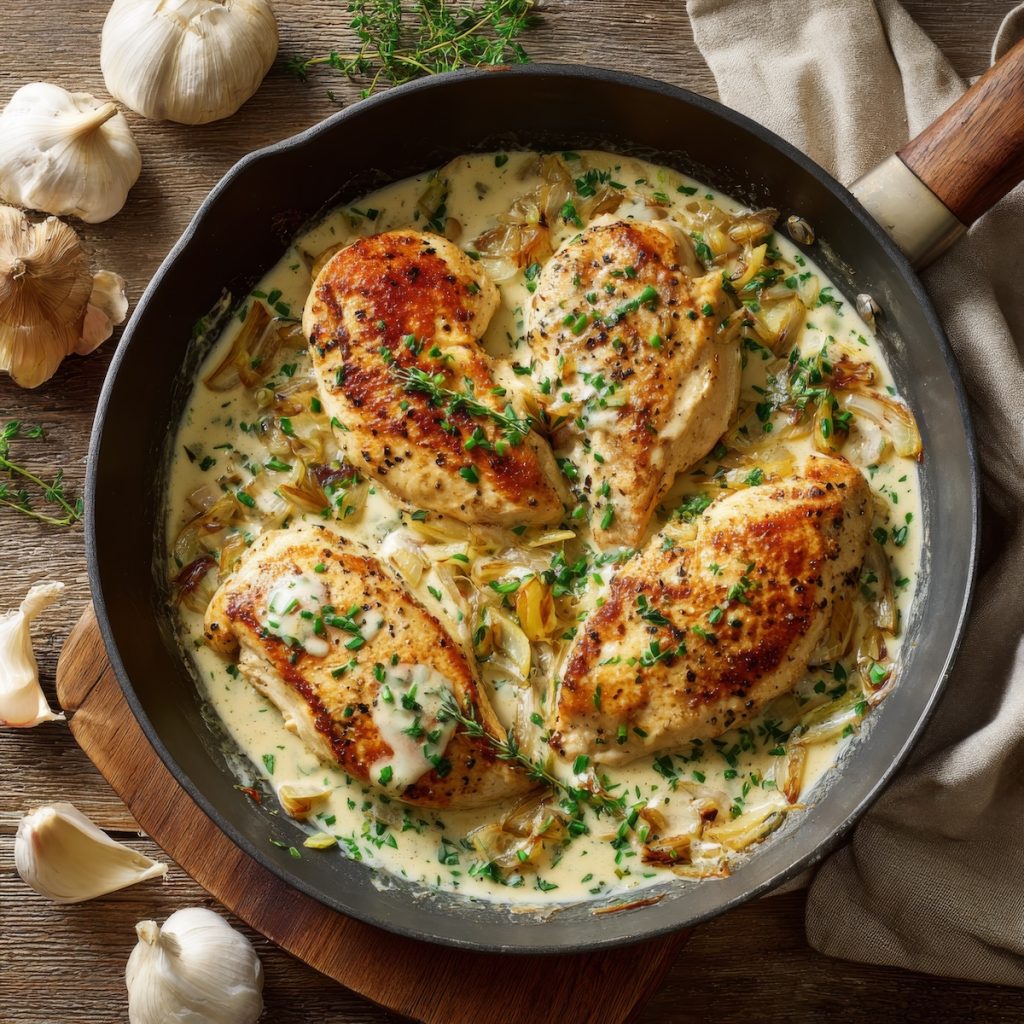
Credit: www.reluctantgourmet.com
Frequently Asked Questions
How Long To Pan Fry Chicken Breast?
Pan fry chicken breast for 6-8 minutes per side on medium heat. Cooking time depends on thickness. Use a meat thermometer to check for 165°F internal temperature to ensure doneness and safety.
What Oil Is Best For Pan Frying Chicken?
Use oils with high smoke points like canola, vegetable, or avocado oil. These oils withstand heat without burning and keep chicken moist and flavorful during pan frying.
Should Chicken Breast Be Flattened Before Frying?
Flattening chicken breast ensures even cooking and faster frying time. Use a meat mallet or rolling pin to gently pound it to uniform thickness, about ½ inch.
How To Prevent Chicken Breast From Sticking To The Pan?
Preheat the pan and add enough oil before placing chicken. Avoid moving chicken too soon; let it form a crust to release naturally and prevent sticking.
Conclusion
Pan frying chicken breast is quick and simple. Start with fresh chicken and a hot pan. Use just enough oil to prevent sticking. Cook until golden brown on each side. Let the chicken rest before slicing. This keeps it juicy and tender.
Try different spices for new flavors. Serve with your favorite sides. Enjoy a healthy, tasty meal anytime. Practice makes perfect. Soon, you will cook chicken breast with ease.