
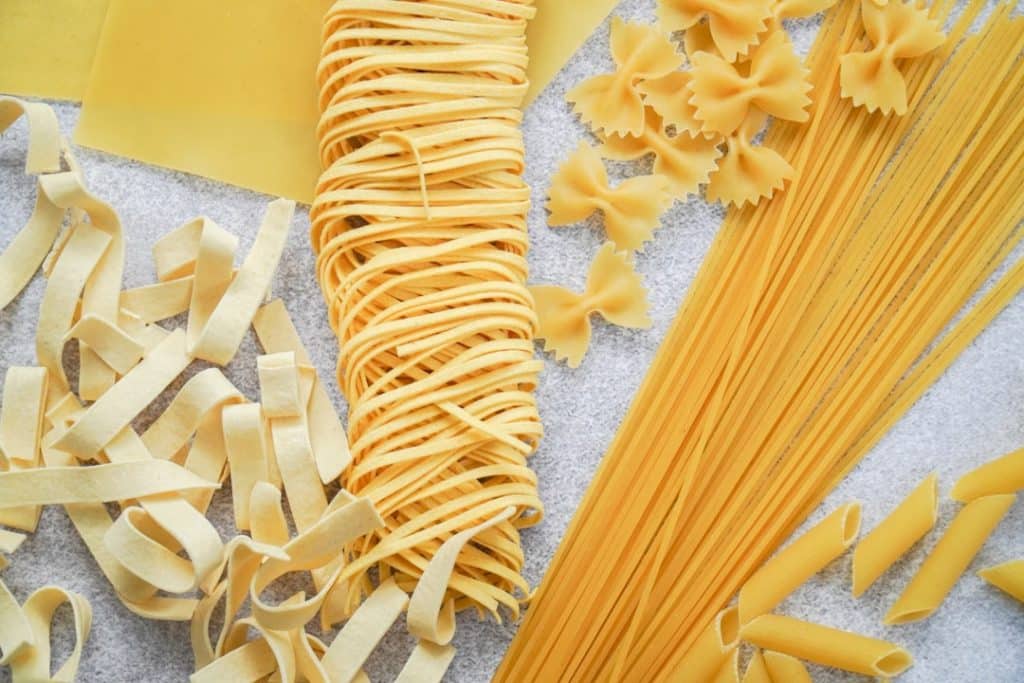
How to Cook Elbow Macaroni Pasta: Do you want to master the art of cooking elbow macaroni pasta? You’re in the right place.
Imagine serving a dish that makes everyone at the table smile. Perfectly cooked pasta can do just that, transforming an ordinary meal into something special. Whether you’re planning a quick lunch or a comforting dinner, knowing how to prepare elbow macaroni perfectly is a must-have skill.
In this guide, we’ll walk you through simple steps that guarantee delicious results every time. Get ready to impress yourself and your loved ones with your newfound pasta-cooking prowess! Keep reading to discover the secrets to achieving that perfect al dente texture and flavor.
Choosing The Right Elbow Macaroni
Elbow macaroni is a popular pasta shape used in many dishes. Picking the right type helps you cook better meals.
Not all elbow macaroni is the same. Learn how to choose good quality and the best type for your recipe.
Types Of Elbow Macaroni
Elbow macaroni comes in different sizes and ingredients. You can find regular, whole wheat, and gluten-free types.
- Regular elbow macaroni is made from refined wheat flour.
- Whole wheat elbow macaroni contains more fiber and nutrients.
- Gluten-free options use rice or corn flour for those with allergies.
Quality Indicators
Good quality elbow macaroni should be firm and dry. Check the pasta color and texture before buying.
- The pasta should have a smooth surface without cracks.
- Look for a pale yellow color, not too white or dark.
- Check the package date to ensure freshness.
- High-quality pasta holds its shape after cooking.
Where To Buy
You can buy elbow macaroni at supermarkets, specialty stores, or online shops. Look for trusted brands and fresh stock.
- Supermarkets usually carry regular and whole wheat types.
- Specialty stores may offer organic and gluten-free options.
- Online stores provide a wide range of choices and bulk packs.
Credit: spaceshipsandlaserbeams.com
Essential Ingredients And Tools
Cooking elbow macaroni pasta needs a few basic ingredients and tools. The right items help you cook pasta that is tasty and perfect in texture.
Understanding what to use can make your cooking easier and faster. This guide will show you what you need to cook elbow macaroni well.
Water And Salt Ratios
Use plenty of water to give the pasta room to cook evenly. Salt adds flavor to the pasta as it cooks.
The common rule is to use four to six quarts of water for every pound of pasta. Add about one to two tablespoons of salt per gallon of water.
- 4-6 quarts of water per 1 pound of elbow macaroni
- 1-2 tablespoons of salt per gallon of water
- Salt the water after it boils, before adding pasta
Best Pots And Strainers
Use a large pot to give pasta space to cook without sticking. The pot should be deep with a wide base for even heating.
A colander or strainer with big holes helps drain water quickly. Make sure it fits well in your sink for easy draining.
- Large, deep pot for boiling pasta
- Wide base pot for even heat distribution
- Colander or strainer with large holes for draining
- Optional: pasta spoon for stirring
Optional Additions
You can add oil or butter to the cooking water to reduce sticking. Some cooks add herbs or garlic for extra flavor.
Adding these is not necessary but can enhance taste and texture if you prefer.
- A teaspoon of olive oil or butter to the water
- Fresh herbs like basil or parsley added after cooking
- Garlic cloves in the water for mild flavor
- Cheese or sauce as toppings after draining
Step-by-step Cooking Process
Cooking elbow macaroni pasta is simple and quick. Follow these steps to get perfect pasta every time.
This guide covers boiling water, adding pasta, cooking tips, and testing for doneness.
Boiling Water Preparation
Start by filling a large pot with water. Use plenty of water so pasta cooks evenly.
Place the pot on high heat and wait until the water reaches a rolling boil.
Adding And Stirring Pasta
Pour the elbow macaroni slowly into the boiling water. Stir immediately to stop pasta from sticking.
Keep stirring for the first two minutes to keep noodles separate and prevent clumps.
Cooking Time Tips
Cook elbow macaroni for about 7 to 9 minutes. Check the package for exact time recommendations.
- Use a timer to track cooking time
- Stir occasionally during cooking
- Adjust time if you want softer or firmer pasta
Testing For Doneness
Take a piece of pasta out and let it cool. Bite into it to check texture.
Pasta is done when it is tender but still slightly firm in the center, called “al dente”.
Draining And Cooling Techniques
After cooking elbow macaroni, draining and cooling are important steps. They help stop the cooking process and keep the pasta from sticking.
Good draining and cooling make your pasta ready for any recipe, from salads to hot dishes.
Effective Draining Methods
Use a colander to drain cooked elbow macaroni quickly and safely. Pour the pasta and water into the colander over the sink.
Shake the colander gently to remove extra water. Let the pasta sit for a moment to drain fully.
- Use a colander with small holes to avoid losing pasta.
- Hold the colander steady to prevent spills.
- Drain pasta immediately after cooking to stop overcooking.
Avoiding Overcooking
Overcooked pasta becomes mushy and loses its shape. Drain elbow macaroni as soon as it reaches al dente texture.
Set a timer while boiling to keep track. Drain promptly and cool to stop cooking instantly.
- Check pasta a minute before the package time.
- Drain immediately once pasta is firm but cooked.
- Cool the pasta to prevent further cooking from residual heat.
When To Rinse Or Not
Rinsing pasta removes starch and cools it quickly. Use it for cold pasta dishes like salads.
Do not rinse if you want sauce to stick better. Hot pasta with starch clings to sauce well.
- Rinse pasta for cold dishes to stop cooking and cool down.
- Skip rinsing for hot dishes to keep sauce sticking.
- Use cool water when rinsing to chill pasta fast.
Enhancing Flavor And Texture
Cooking elbow macaroni pasta well means more than just boiling it. You want it tasty and with a good feel in your mouth. Small tricks can make a big difference in flavor and texture.
This guide looks at three ways to improve your pasta: using pasta water in sauces, adding oils and butter, and seasoning suggestions.
Using Pasta Water In Sauces
Saving some pasta water before draining helps your sauce stick to the pasta. The water has starch from the pasta, which thickens and binds the sauce.
Add small amounts of pasta water to your sauce while cooking. Stir it in until the sauce becomes creamy and smooth. This method keeps your sauce from being too runny or too thick.
Adding Oils And Butter
Oils and butter add richness and improve the pasta’s texture. Use them at the right time to get the best taste.
- Add olive oil or butter after draining the pasta to keep it from sticking.
- Mix butter into the sauce for a silky texture.
- Use flavored oils like garlic or chili oil for extra aroma.
- Avoid adding oil to the boiling water; it can stop sauce from sticking.
Seasoning Suggestions
| Seasoning | Effect |
| Salt | Enhances pasta flavor during boiling |
| Black pepper | Adds mild heat and aroma |
| Garlic powder | Gives a rich, savory taste |
| Dried herbs (basil, oregano) | Bring fresh, earthy notes |
| Red pepper flakes | Provide a spicy kick |
Season pasta water with salt to boost flavor from the start. Add other spices and herbs to your sauce to match your taste. Taste often and adjust spices as needed.
Credit: spaceshipsandlaserbeams.com
Common Mistakes To Avoid
Cooking elbow macaroni pasta seems easy, but small errors can spoil it. Avoid these common mistakes to get perfect pasta every time.
Knowing what not to do helps you make pasta that tastes great and feels right in your mouth.
Overcooking Pasta
Overcooked pasta becomes soft and mushy. It loses its shape and texture, making your dish less enjoyable.
Check the pasta package for cooking time. Start tasting the pasta a minute before the time ends. Stop cooking once it is tender but still firm.
- Use a timer to avoid guessing.
- Drain pasta immediately after cooking.
- Do not rinse pasta unless recipe says so.
Insufficient Salting
Adding little or no salt makes pasta taste bland. Salt brings out the flavor of the pasta itself.
Use enough salt in your boiling water. The water should taste like the sea. This helps flavor the pasta inside and out.
- Add about 1-2 tablespoons of salt for every 4 quarts of water.
- Salt the water before it boils for even seasoning.
- Do not add oil to the water; it prevents sauce from sticking.
Crowding The Pot
Putting too much pasta in one pot lowers the water temperature. This makes pasta cook unevenly and stick together.
Use a large pot with plenty of water. This gives pasta space to move and cook properly.
- Use at least 4 quarts of water for every 1 pound of pasta.
- Cook pasta in batches if your pot is small.
- Stir pasta during the first two minutes to prevent sticking.
Creative Serving Ideas
Elbow macaroni pasta is a versatile base for many dishes. You can enjoy it hot or cold. It pairs well with different flavors and ingredients.
Try these creative ways to serve elbow macaroni pasta. They add variety and fun to your meals.
Classic Mac And Cheese
Classic mac and cheese is a beloved comfort food. Use creamy cheese sauce and tender elbow macaroni for a rich dish. Add toppings to make it special.
- Mix cheddar and mozzarella cheese for a gooey texture
- Top with crispy breadcrumbs or fried onions
- Add cooked bacon or diced ham for extra flavor
- Sprinkle paprika or black pepper for a mild kick
Cold Pasta Salads
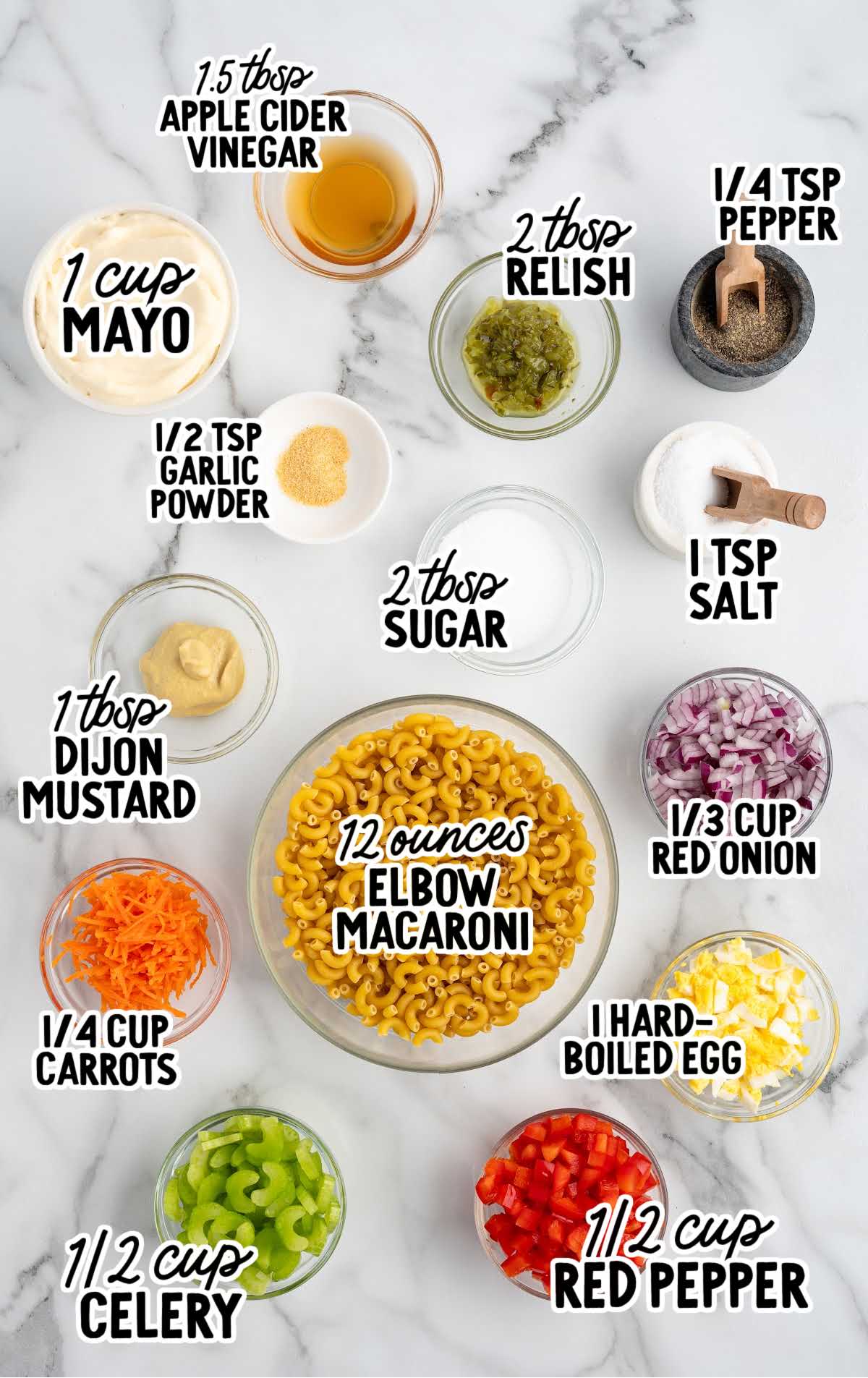
Cold pasta salads are fresh and easy to prepare. Elbow macaroni holds dressing well and stays firm. Combine with colorful veggies and herbs.
| Ingredient | Suggestions | Notes |
| Vegetables | Cucumber, cherry tomatoes, bell peppers | Chop small for easy eating |
| Herbs | Basil, parsley, dill | Add fresh for bright flavor |
| Dressing | Italian, ranch, vinaigrette | Light coats pasta well |
| Extras | Olives, feta cheese, chickpeas | Boost texture and taste |
Baked Pasta Dishes
Baked pasta dishes add a warm, crispy finish to elbow macaroni. Combine pasta with sauce, cheese, and other ingredients. Bake until bubbly and golden.
Try this simple baked pasta dish:
- Cook elbow macaroni until just tender.
- Mix pasta with marinara sauce and ricotta cheese.
- Pour into a baking dish and top with shredded mozzarella.
- Bake at 375°F (190°C) for 20 minutes or until cheese melts and browns.
- Let cool for 5 minutes before serving.

Credit: parade.com
Frequently Asked Questions
How Long Does Elbow Macaroni Take To Cook?
Elbow macaroni typically cooks in 7 to 9 minutes. Boil in salted water until al dente. Taste test to ensure preferred texture.
Should I Add Salt To Pasta Water?
Yes, add salt to pasta water for flavor. Use about 1-2 tablespoons per 4 quarts of water. This enhances the pasta’s taste.
How Much Water Is Needed To Cook Pasta?
Use 4 to 6 quarts of water per pound of pasta. This prevents sticking and allows even cooking.
Can I Cook Elbow Macaroni Without Oil?
Yes, oil is optional. Avoid adding oil to boiling water. Stir pasta occasionally to prevent sticking.
Conclusion
Cooking elbow macaroni pasta is simple and fun. Boil water, add salt, and cook pasta until tender. Drain well and mix with your favorite sauce or ingredients. You can create many dishes with elbow macaroni. It works well in salads, soups, and casseroles.
Practice a few times to get the texture just right. Enjoy tasty meals that your family will love. Cooking pasta gives you a chance to be creative. Try different recipes and find what suits you best. Simple steps lead to delicious results every time.



