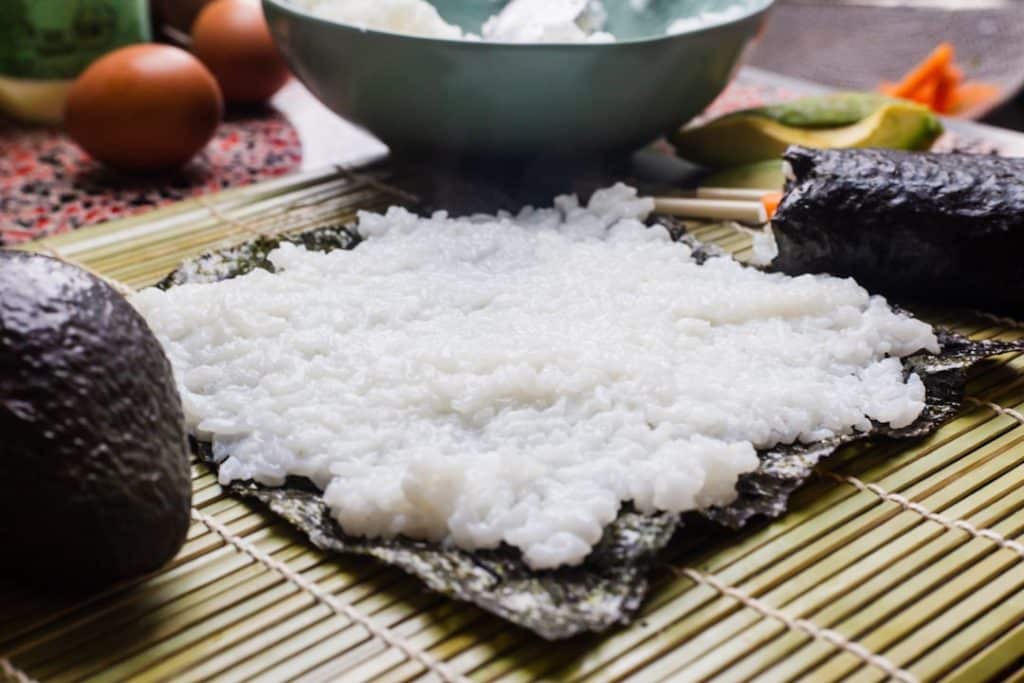
How to Cook Sushi Rice in a Rice Cooker: Do you love sushi but feel intimidated by the thought of making it at home? You’re not alone.
Cooking sushi rice can seem daunting, but with the right tools and a bit of guidance, it’s easier than you think. Imagine impressing your friends or family with perfect homemade sushi, starting with rice that’s just right every time. This article will reveal the simple secrets to cooking sushi rice in a rice cooker.
You don’t need to be a master chef to get it right. Stick with us, and you’ll discover how easy it is to achieve that sticky, flavorful rice that holds your sushi rolls together beautifully. Ready to dive in? Let’s make sushi rice a breeze!
Choosing The Right Rice
Sushi rice is the base of every good sushi roll. Picking the right rice helps you make tasty and sticky sushi rice.
Not all rice is the same. The type of rice you use changes the texture and flavor of your sushi.
Short-grain Vs Medium-grain Rice
Short-grain rice is the most popular choice for sushi. It is sticky and holds together well.
Medium-grain rice is less sticky but still works for sushi. It has a firmer texture.
- Short-grain rice is soft and sticky when cooked.
- Medium-grain rice is a bit drier and less sticky.
- Short-grain rice is better for rolls that need to hold shape.
- Medium-grain rice is good for those who want less stickiness.
Where To Buy Sushi Rice
You can find sushi rice in many grocery stores. Look in the Asian foods section.
Specialty stores and online shops offer many sushi rice brands. Choose rice labeled “sushi rice” or “short-grain rice.”
- Asian grocery stores usually have good sushi rice options.
- Major supermarkets may carry sushi rice in the rice aisle.
- Online stores offer a wide range of sushi rice brands.
- Check the package to ensure it is short-grain or sushi rice.
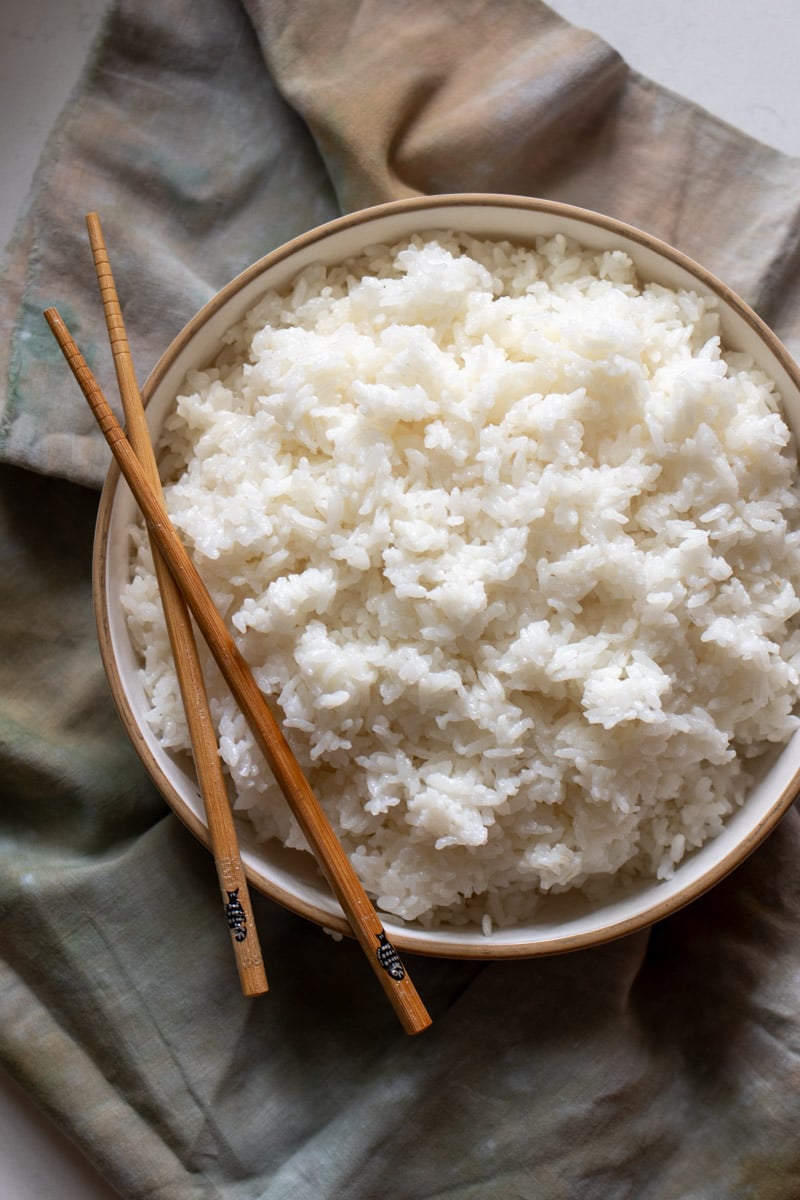
Credit: grilledcheesesocial.com
Preparing The Rice
Cooking sushi rice starts with preparing it correctly. Proper preparation helps the rice become sticky and flavorful.
Using a rice cooker makes cooking easier. Before cooking, you must rinse and soak the rice well.
Rinsing And Washing Techniques
Rinse the sushi rice to remove extra starch. This stops the rice from becoming too sticky or mushy.
Place the rice in a bowl and add cold water. Gently stir the rice with your hand, then drain the water.
- Repeat rinsing 3 to 4 times
- Water should run almost clear
- Handle rice gently to avoid breaking grains
Soaking Time
Soak the rinsed rice in water before cooking. Soaking helps the rice grains absorb water evenly.
Use clean water and soak for about 30 minutes. This step improves the rice texture after cooking.
- Use the same water amount as cooking
- Do not soak longer than 1 hour
- Drain rice well before placing in the rice cooker
Setting Up The Rice Cooker
Cooking sushi rice in a rice cooker is easy with the right setup. Proper preparation ensures perfect texture and flavor.
Start by understanding how much rice and water to use. Then select the best cooking mode for sushi rice.
Rice-to-water Ratio
The amount of water added affects how sticky and soft the sushi rice will be. Use the correct ratio for best results.
| Rice (cups) | Water (cups) |
|---|---|
| 1 | 1.1 |
| 2 | 2.2 |
| 3 | 3.3 |
| 4 | 4.4 |
Rinse the rice several times until the water runs clear. This removes excess starch for better texture.
Selecting The Cooking Mode
Rice cookers have different modes. Choose the one that suits sushi rice to get the right softness and stickiness.
- Use “White Rice” or “Regular” mode if available.
- Do not use “Quick Cook” mode, as it may dry out the rice.
- Let the rice rest after cooking to improve texture.
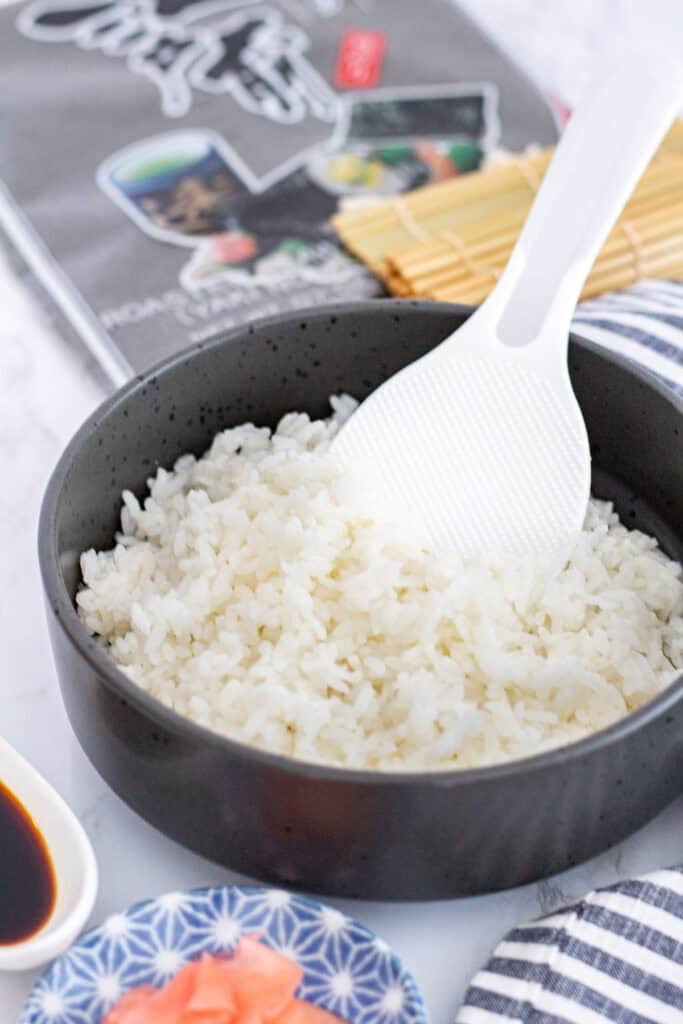
Credit: www.myeclecticbites.com
Cooking The Rice
Cooking sushi rice in a rice cooker is simple and gives great results. Proper cooking is key to soft, sticky rice.
Use the right amount of water and rice. This helps the rice cook evenly and not burn.
Starting The Cooking Process
Rinse the sushi rice until the water runs clear. This removes extra starch for better texture.
Place the rinsed rice in the rice cooker. Add the correct water amount according to your rice cooker’s instructions.
- Use a rice measuring cup for accuracy
- Level the rice inside the cooker for even cooking
- Close the lid securely before starting
Turn on the rice cooker and let it cook. Do not open the lid during cooking.
Letting The Rice Rest
After cooking, let the rice rest in the cooker for 10 to 15 minutes. This lets the steam finish cooking the rice.
Keep the lid closed during resting. This keeps the rice moist and fluffy.
- Resting improves rice texture
- Prevents rice from drying out
- Makes rice easier to handle for sushi
Seasoning The Rice
Seasoning sushi rice is key to its unique flavor. The rice must be mixed with a special vinegar blend.
This process adds the right balance of sweetness, saltiness, and acidity to the rice.
Making Sushi Vinegar
Sushi vinegar is a mix of rice vinegar, sugar, and salt. You can make it at home easily.
| Ingredient | Amount |
| Rice vinegar | 1/3 cup |
| Granulated sugar | 3 tablespoons |
| Salt | 1 teaspoon |
Heat the mixture gently until the sugar and salt dissolve. Do not boil it.
Mixing Vinegar Into Rice
After cooking, transfer the rice to a large bowl. Pour the sushi vinegar evenly over it.
- Use a wooden spatula to fold the vinegar into the rice
- Cut and lift the rice to avoid crushing the grains
- Fan the rice while mixing to cool it quickly
Mixing carefully gives the rice a shiny look and perfect texture for sushi.

Credit: pinchandswirl.com
Tips For Perfect Sushi Rice
Cooking sushi rice in a rice cooker is simple if you follow some basic tips. Good sushi rice needs the right texture and taste.
Using the right water amount and cooking time helps make rice perfect for sushi. Let’s look at how to avoid overcooking and keep the rice texture right.
Avoiding Overcooking
Overcooked rice becomes mushy and sticky, which is not good for sushi. Using a rice cooker helps control cooking time and temperature.
Do not open the lid while cooking. Let the rice cooker finish the cycle to keep the rice firm and soft.
- Measure rice and water carefully.
- Use the sushi or white rice setting on the cooker.
- Do not stir the rice while cooking.
- Let the rice rest after cooking before opening the lid.
Maintaining Rice Texture
Good sushi rice should be sticky but not mushy. Rinse rice well before cooking to remove extra starch and keep grains separate.
After cooking, mix the rice gently with seasoned vinegar. Use a wooden spoon and fold the rice to keep texture light and fluffy.
- Rinse rice 3-4 times until water runs clear.
- Let rice soak in water for 30 minutes before cooking.
- Use a wooden paddle to mix rice with vinegar.
- Cool rice to room temperature before using it for sushi.
Common Mistakes To Avoid
Cooking sushi rice in a rice cooker may seem easy. Yet, some mistakes can spoil the texture and taste. Knowing what to avoid helps you make perfect sushi rice every time.
This guide covers two common errors: using the wrong rice varieties and incorrect water measurements. Fix these to improve your sushi rice results.
Using Wrong Rice Varieties
Sushi rice needs a short-grain or medium-grain variety. These types stick together well and have the right texture for sushi. Using other rice types can cause dry or mushy rice.
- Long-grain rice:Too dry and fluffy, not sticky enough for sushi.
- Basmati rice:Fragrant but does not clump well, making it hard to shape.
- Jasmine rice:Too soft and sticky, lacks the right chewiness.
- Short-grain rice:Best choice for authentic sushi rice texture.
Incorrect Water Measurements
Water amount affects sushi rice texture greatly. Too much water makes rice mushy. Too little water leaves it hard or undercooked. Use precise water measurements for best results.
| Water to Rice Ratio | Effect on Rice |
|---|---|
| More than 1.2 cups water per 1 cup rice | Mushy and sticky rice |
| About 1.1 cups water per 1 cup rice | Perfectly cooked and sticky sushi rice |
| Less than 1 cup water per 1 cup rice | Dry and undercooked rice |
Frequently Asked Questions
How Much Rice Should I Use For Sushi In A Rice Cooker?
Use 1 to 2 cups of sushi rice for best results. This amount fits most standard rice cookers and yields perfect texture for sushi.
Can I Use Regular Rice Instead Of Sushi Rice?
No, sushi rice is short-grain and sticky. Regular rice is less sticky and affects sushi texture and taste.
Should I Rinse Sushi Rice Before Cooking It?
Yes, rinse sushi rice thoroughly until water runs clear. This removes excess starch and prevents overly sticky rice.
How Long Does It Take To Cook Sushi Rice In A Rice Cooker?
Cooking sushi rice takes about 30 to 40 minutes in a rice cooker. Time may vary slightly by model.
Conclusion
Cooking sushi rice in a rice cooker is simple and fast. Just follow the steps carefully for best results. Use the right rice and water ratio. Let the rice rest after cooking to get perfect texture. Season with vinegar, sugar, and salt while warm.
This method saves time and keeps your rice soft and sticky. Enjoy making sushi at home with easy, tasty rice every time. Practice a few times, and you will get better. Cooking sushi rice has never been this easy. Try it today!