How to Cook Sushi Rice? If you’ve ever tried sushi at a restaurant, you know that perfect rice makes all the difference. But cooking sushi rice at home can seem tricky.
What if you could master it with simple steps? Imagine serving sushi with rice that’s just sticky enough, fluffy, and full of flavor. In this guide, you’ll learn exactly how to cook sushi rice that will impress your family and friends.
Keep reading, and soon you’ll turn your kitchen into a sushi haven.
Choosing The Right Rice
Cooking sushi rice starts with picking the best rice. The right rice gives sushi its sticky texture.
Not all rice works for sushi. Learn about types of sushi rice and where to find quality grains.
Types Of Sushi Rice
Sushi rice is usually short-grain rice. It sticks well and holds shape for sushi rolls.
Some common types include Japonica and Koshihikari. They have a soft texture and good flavor.
- Japonica:Classic sushi rice, sticky and tender.
- Koshihikari:Popular in Japan, sweet flavor and glossy look.
- Sasanishiki:Slightly less sticky, good for nigiri.
Where To Buy Quality Rice
Find sushi rice at Asian markets or specialty food stores. These places usually have fresh stock.
Check the rice package for labels like “sushi rice” or “short-grain rice.” This helps pick the right type.
- Asian grocery stores often have the best selection.
- Some online stores sell premium sushi rice.
- Look for rice harvested recently for best taste.
Credit: www.yukiskitchen.com
Preparing The Rice
Cooking sushi rice starts with preparing the rice properly. This step ensures the rice has the right texture and stickiness.
Good preparation helps the rice absorb flavors and hold together when making sushi rolls.
Washing And Rinsing
Washing sushi rice removes excess starch and dirt. This keeps the rice from becoming too sticky or mushy.
Rinse the rice several times until the water runs clear. This shows the starch has been washed away.
- Place rice in a bowl or strainer
- Fill with cold water and swirl gently
- Drain the cloudy water carefully
- Repeat 3 to 5 times until water is clear
Soaking Time
Soaking sushi rice lets it absorb water evenly. This helps the rice cook uniformly and become soft.
After washing, soak the rice in fresh water for about 30 minutes at room temperature.
- Use enough water to cover the rice fully
- Soak for 20 to 30 minutes before cooking
- Drain the rice well after soaking
Cooking Methods
Sushi rice needs special care to get the right texture. It should be sticky but not mushy.
There are several ways to cook sushi rice. Each method gives good results if done correctly.
Stovetop Cooking
Stovetop cooking uses a pot with a tight lid. It needs close attention to heat and timing.
Start by rinsing the rice until water runs clear. Then soak it for 30 minutes. Cook the rice with water over medium heat. Once boiling, lower the heat and cover the pot. Let it simmer for 15 minutes. Turn off the heat and let it rest for 10 minutes without opening the lid.
- Rinse rice 3-4 times
- Soak rice for 30 minutes
- Cook with water, cover pot
- Simmer 15 minutes on low heat
- Rest covered for 10 minutes
Using A Rice Cooker
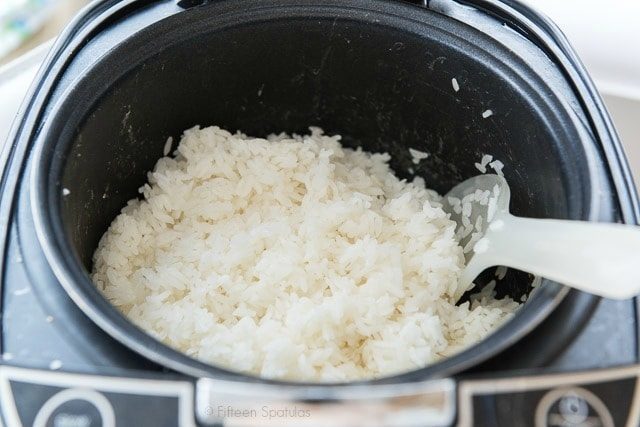
A rice cooker makes sushi rice easy and consistent. Use the sushi rice setting if available.
Rinse and soak the rice as usual. Add rice and water to the cooker. Press the start button and wait. After cooking, let the rice sit inside the cooker for 10 minutes before opening the lid. This helps steam finish the cooking.
- Rinse rice until water is clear
- Soak rice for 30 minutes
- Add rice and water to cooker
- Use sushi rice or regular setting
- Let rice rest 10 minutes inside cooker
Microwave Method
Microwaving sushi rice is fast and works well in small amounts. Use a microwave-safe bowl with a lid.
Rinse and soak the rice. Drain and place rice in the bowl with water. Cover loosely to let steam escape. Microwave on high for 5 minutes. Then microwave on medium for 10 minutes. Let the rice rest for 5 minutes before fluffing it with a fork.
- Rinse rice 3-4 times
- Soak for 30 minutes
- Use microwave-safe bowl with lid
- Microwave 5 minutes high power
- Microwave 10 minutes medium power
- Rest rice 5 minutes before serving

Credit: pinchandswirl.com
Seasoning The Rice
Seasoning sushi rice is key to making great sushi. The right balance of flavors makes the rice tasty and sticky.
This process uses a special vinegar mix and careful mixing to coat the rice evenly without breaking the grains.
Making Sushi Vinegar
Sushi vinegar is a mix of rice vinegar, sugar, and salt. This mix gives sushi rice its sweet and tangy taste.
Use the right amount for one cup of uncooked rice:
- 2 tablespoons rice vinegar
- 1 tablespoon sugar
- 1 teaspoon salt
Heat the vinegar, sugar, and salt gently until the sugar dissolves. Do not boil. Let it cool before use.
Mixing Technique
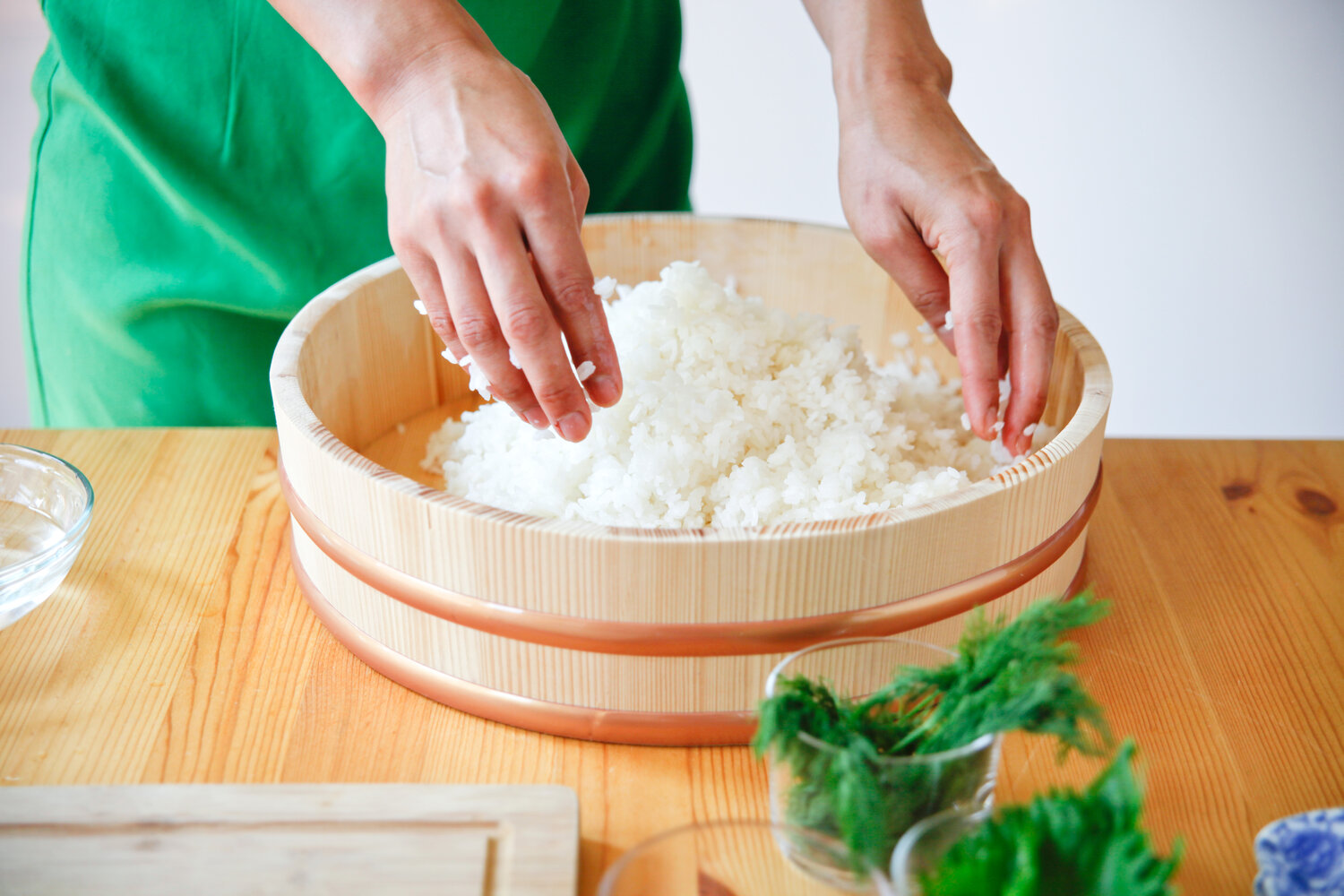
After cooking, place the hot rice in a large bowl. Slowly add the sushi vinegar over the rice.
Use a wooden spatula to cut and fold the rice. Avoid stirring or smashing the grains.
- Pour vinegar evenly over rice
- Cut and fold rice gently
- Mix quickly to cool rice
Cooling And Resting
Spread the rice out to cool it faster. Use a fan or room air to help cool the rice.
Let the rice rest for 10 minutes. This allows the flavors to absorb and the rice to become sticky.
Tips For Fluffy Rice
Cooking sushi rice takes care and patience. The goal is soft, sticky, and fluffy rice that holds together well.
These tips will help you get the right texture for perfect sushi rice every time.
Avoiding Overcooking
Overcooked rice becomes mushy and loses its shape. Watch the cooking time closely to keep the grains firm.
Use a timer and check the rice as it cooks. Avoid stirring the rice during cooking to prevent breaking grains.
- Rinse rice well to remove excess starch before cooking
- Use the right water-to-rice ratio, usually 1.2 cups water per cup rice
- Cook rice on low heat with a tight lid
- Let rice steam off the heat for 10 minutes after cooking
Proper Rice Texture
Good sushi rice is soft but slightly firm in the center. It should stick together without being mushy or dry.
After cooking, mix rice gently with seasoned vinegar. Use a cutting motion to avoid crushing grains.
- Rinse rice until water runs clear to remove surface starch
- Use short-grain or sushi rice for best results
- Cool rice quickly using a fan to create shine and texture
- Do not overmix when adding vinegar seasoning
Storage And Reheating
Store leftover sushi rice in an airtight container at room temperature for up to 8 hours. Avoid refrigeration if possible.
Reheat rice gently to keep texture. Use a microwave with a damp cloth or steam it briefly.
- Do not freeze sushi rice; it changes texture
- Cover rice with a damp towel before microwaving
- Reheat only once to keep rice fluffy
- Use reheated rice immediately for best taste
Credit: www.fifteenspatulas.com
Frequently Asked Questions
How Do You Rinse Sushi Rice Properly?
Rinse sushi rice under cold water until the water runs clear. This removes excess starch for perfect texture and prevents stickiness.
What Is The Ideal Water-to-rice Ratio For Sushi?
Use 1. 2 cups of water for every cup of sushi rice. This ratio yields soft, sticky rice ideal for sushi preparation.
How Long Should Sushi Rice Be Cooked?
Cook sushi rice for about 15 minutes on low heat. Then, let it steam for 10 minutes for perfect fluffiness.
What Seasoning Is Used For Sushi Rice?
Mix rice vinegar, sugar, and salt to season sushi rice. This blend adds the classic tangy, sweet flavor essential for sushi.
Conclusion
Cooking sushi rice can seem challenging, but it’s truly rewarding. Follow these steps, and you’ll enjoy delicious sushi rice at home. Remember to rinse the rice well before cooking. Use the right water ratio for perfect texture. Once cooked, season it with vinegar, sugar, and salt.
Let it cool for the best flavor. Practice makes perfect, so don’t worry if it’s not perfect the first time. Enjoy your homemade sushi rice with your favorite toppings. With patience and care, you’ll soon create delightful sushi dishes for family and friends.