Packing your kitchen dishes can feel overwhelming, especially when you want to keep them safe and intact. You might worry about broken plates, chipped bowls, or missing pieces.
If you’re wondering How to Pack Kitchen Dishes, what if you could do it quickly, efficiently, and with confidence? In this guide, you’ll discover simple, proven steps that protect your kitchenware and save you time. Keep reading to learn how to pack your dishes like a pro, so you can focus on what really matters—settling into your new home without the stress.
Gathering Packing Supplies
Packing kitchen dishes needs careful planning. You must get the right supplies first.
Using proper packing materials helps protect your dishes during the move. It makes packing easier and safer.
Choosing The Right Boxes
Pick boxes that fit your dishes well. Too big boxes let dishes move and break.
Dish packs or small sturdy boxes are best. They keep your dishes safe and stable.
- Use small boxes for plates and cups
- Use dish pack boxes with dividers if available
- Choose strong boxes that hold weight well
- Check boxes have no holes or tears
Essential Packing Materials
Gather materials that protect your dishes from breaking. These materials cushion and separate items.
Get plenty of these items before you start packing your dishes.
- Bubble wrap to cushion fragile dishes
- Packing paper for wrapping and filling gaps
- Foam sheets or pads for extra padding
- Packing tape to seal boxes tightly
- Markers to label boxes clearly
Protective Wrapping Options
Wrap dishes to avoid chips and cracks. Use soft materials that absorb shocks.
Choose the right wrapping to match the dish shape and fragility.
- Bubble wrap works well for plates and glasses
- Packing paper is good for bowls and less fragile items
- Foam sheets protect delicate or oddly shaped dishes
- Old towels or cloths can also be used if clean
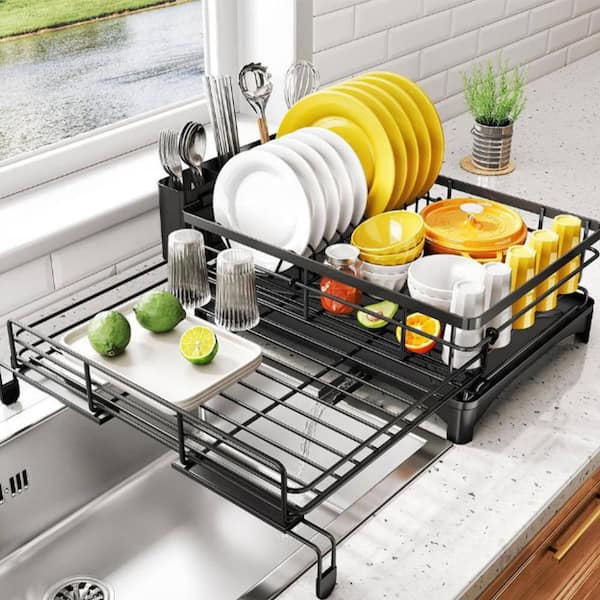
Credit: www.homedepot.com
Preparing Dishes For Packing
Packing kitchen dishes carefully helps keep them safe during a move. Taking time to prepare dishes reduces the risk of breakage.
Clean dishes and organize them well. This makes packing easier and protects your items.
Cleaning And Drying
Wash all dishes with warm water and soap. Remove food and grease to avoid stains and odors.
Dry dishes completely with a clean towel or air dry them. Packing wet dishes can cause mold and damage.
Sorting By Size And Fragility
Group dishes by their size and how fragile they are. This helps you pack heavier and stronger dishes separately from delicate ones.
- Place large plates and bowls together
- Keep fragile items like glassware in separate boxes
- Stack dishes that fit safely without pressure
Disassembling Accessories
Take apart removable parts like lids, handles, and racks. This reduces the risk of damage and saves space.
- Remove lids from pots and pans
- Take off handles if possible
- Wrap small parts separately
Packing Techniques For Safety
Packing kitchen dishes carefully protects them from breaking. Using the right techniques keeps your dishes safe during moves.
Learn simple ways to layer, wrap, and fill spaces to avoid damage. These tips help your dishes arrive intact and ready to use.
Layering And Cushioning
Place heavy plates at the bottom of the box. Add soft cushioning like bubble wrap or packing paper between layers.
- Use thick cardboard or foam sheets between layers
- Do not stack dishes too high to prevent pressure
- Place lighter, fragile items on top
- Line the box bottom with padding material
Wrapping Individual Items
Wrap each dish separately to protect it from scratches and chips. Use soft materials that absorb shocks well.
| Wrapping Material | Best Use |
| Bubble Wrap | Fragile plates and bowls |
| Packing Paper | Everyday dishes and glasses |
| Dish Towels | Extra cushioning inside boxes |
Filling Empty Spaces
Fill gaps in the box to stop dishes from moving. Use soft fillers that absorb shocks and keep items steady.
- Crumple packing paper and place it around dishes
- Use foam peanuts to fill larger gaps
- Place towels or soft cloths to prevent shifting
- Do not overpack; allow slight cushioning space
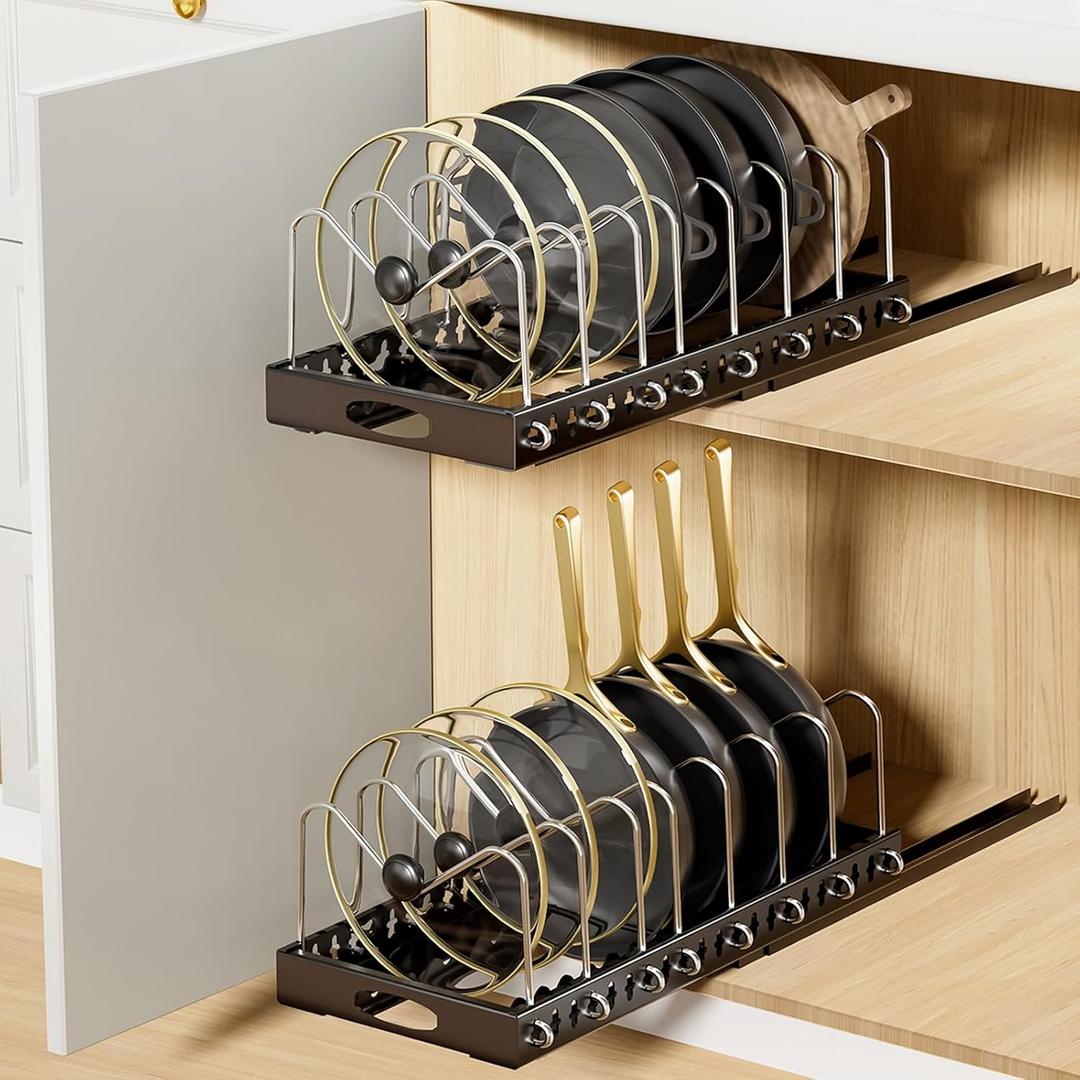
Credit: www.justbid.com
Securing Boxes For Transport
Packing kitchen dishes safely takes careful planning. Boxes must be secured well to avoid breakage.
Strong boxes and good packing help dishes stay safe during the move.
Taping And Sealing
Use strong packing tape to seal all box openings. Tape prevents boxes from opening while moving.
Wrap tape around the box edges for extra strength. Use at least three strips on the top and bottom.
- Use heavy-duty packing tape
- Seal all seams and edges
- Apply tape in an H shape on box tops and bottoms
Labeling Fragile Items
Mark boxes with fragile dishes clearly. This alerts movers to handle them with care.
Write “Fragile” in large letters on all sides. Add “This Side Up” if needed.
- Use bright labels or markers
- Write clear handling instructions
- Place labels on multiple sides
Stacking And Loading Tips
Put heavier boxes at the bottom and lighter ones on top. This keeps boxes stable and safe.
Load boxes gently into the truck. Avoid shifting by filling gaps with soft items.
- Stack boxes evenly and straight
- Do not overload boxes with heavy dishes
- Fill empty spaces with towels or paper
- Keep fragile boxes on top and away from heavy items
Handling Special Dishware
Packing kitchen dishes needs care to avoid damage. Special dishware like glass, porcelain, bowls, and plates need extra attention. Proper handling keeps them safe during moves or storage.
Use the right materials and methods to protect each type of dishware. This guide covers how to pack glassware, porcelain, and bowls and plates safely.
Packing Glassware
Glassware is fragile and breaks easily. Wrap each piece individually to prevent cracks and chips. Use soft packing paper or bubble wrap to cover the glass fully.
- Place crumpled paper or foam at the bottom of the box.
- Wrap each glass with bubble wrap or thick paper.
- Fill empty spaces between glasses with packing peanuts or paper.
- Label the box as “Fragile” and mark which side is up.
Safeguarding Porcelain
Porcelain is delicate but heavier than glass. It can chip or crack if not packed well. Use padding materials and avoid stacking without protection.
| Material | Use | Tip |
| Bubble wrap | Wrap each porcelain piece | Wrap twice for extra protection |
| Packing paper | Fill gaps between items | Use acid-free paper to avoid stains |
| Cardboard dividers | Separate plates and cups | Keep items from touching each other |
Protecting Bowls And Plates
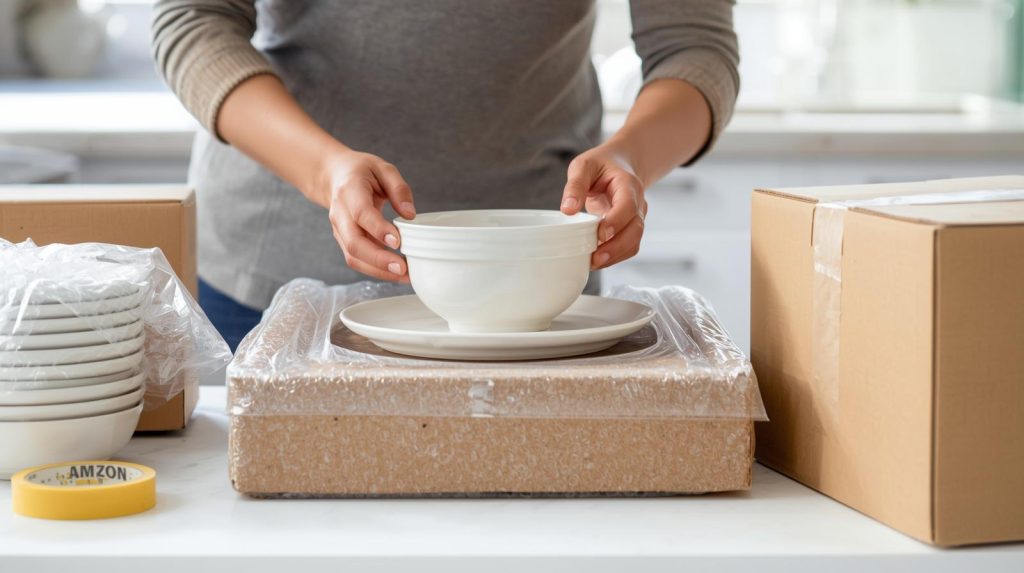
Bowls and plates come in many sizes and shapes. Stack plates with padding between each one. Bowls need cushioning inside and outside.
- Wrap plates individually with paper or bubble wrap.
- Place soft materials like foam or paper inside bowls to keep shape.
- Stack plates vertically if possible to reduce pressure.
- Use sturdy boxes that fit items snugly to prevent movement.

Credit: www.amazon.com
Unpacking And Organizing
Unpacking kitchen dishes carefully keeps them safe and ready to use. Organizing dishes helps find what you need quickly.
Taking time to unpack and arrange dishes makes your new kitchen work better.
Safe Unpacking Steps
Start by clearing a clean, flat surface for unpacking dishes. Remove boxes slowly to avoid accidents.
Use both hands to lift fragile items. Keep packing paper or bubble wrap nearby to place dishes on.
- Open boxes from the top carefully
- Lift dishes out one at a time
- Place dishes on soft surfaces
- Keep packing materials for later use
Inspecting For Damage
Check each dish for cracks, chips, or scratches right after unpacking. Early inspection helps avoid using broken items.
Set aside any damaged dishes to fix or replace. This keeps your kitchen safe and tidy.
- Look closely at edges and surfaces
- Tap gently to hear if any are cracked
- Separate damaged dishes from good ones
- Note any damage for future action
Organizing In The New Kitchen
Sort dishes by type before placing them in cabinets. Keep plates, bowls, and cups in separate areas.
Arrange dishes so the most used items are easy to reach. Use organizers to save space and stay neat.
- Group similar dishes together
- Place daily use items at eye level
- Use shelf dividers or racks if needed
- Keep fragile dishes in safe spots
Frequently Asked Questions
How Do I Safely Pack Fragile Kitchen Dishes?
Wrap each dish in bubble wrap or packing paper. Use sturdy boxes with dividers. Fill gaps with cushioning materials to prevent movement.
What Materials Are Best For Packing Kitchen Dishes?
Use bubble wrap, packing paper, sturdy boxes, and dividers. Avoid newspaper as ink can transfer. Packing peanuts help fill empty spaces.
How Should I Label Boxes With Kitchen Dishes?
Clearly mark boxes as “Fragile” and “Kitchen Dishes. ” Indicate which side is up. This ensures careful handling during the move.
Can I Pack Dishes Together In One Box?
Yes, but separate dishes with cushioning materials. Avoid overpacking to prevent breakage. Use dividers for extra protection between plates and bowls.
Conclusion
Packing kitchen dishes can be simple with the right steps. Use sturdy boxes and plenty of padding. Keep heavier items at the bottom. Wrap each dish carefully in bubble wrap or paper. Label boxes as “fragile” to ensure careful handling.
Organize items by type for easy unpacking later. Remember, taking time to pack carefully prevents damage. This saves you stress and money. Happy packing! Your dishes will arrive safe and sound.