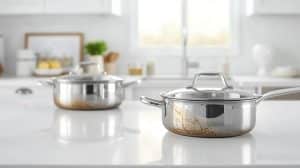
Is your favorite kitchen pan looking dull and discolored? Oxidation can make your cookware lose its shine and even affect how it cooks.
This guide on How to Fix Oxidized Kitchen Pans shows you simple, effective methods you can use at home—no need to throw your pan away or buy a new one. With the right steps, your cookware can look fresher, perform better, and last longer, saving you both money and effort. Ready to bring your pans back to life? Let’s get started!
Credit: www.reddit.com
Causes Of Pan Oxidation
Oxidation happens when metal reacts with oxygen. This creates a dull or rusty surface on kitchen pans.
Knowing what causes oxidation helps you keep your pans in good shape longer.
Common Metals Prone To Oxidation
Some metals rust or oxidize faster than others. This depends on their material and coating.
- Cast iron pans rust easily without oil protection
- Carbon steel pans oxidize when exposed to air
- Aluminum pans develop a dull surface over time
- Stainless steel resists rust but can still oxidize
Environmental Factors
Where you store your pans affects oxidation speed. Humidity and air exposure play a big role.
Warm, moist places cause pans to oxidize faster. Salt air near the ocean also speeds up rust.
- High humidity increases moisture on pan surfaces
- Salt in the air causes metal to corrode quickly
- Poor ventilation traps moisture around pans
Improper Cleaning Habits
Cleaning pans the wrong way can cause oxidation. Leaving pans wet or using harsh cleaners harms the metal.
Scrubbing with metal brushes or dishwashers can strip protective layers and speed rust.
- Leaving pans wet encourages rust to form
- Using abrasive scrubbers removes protective coatings
- Dishwasher detergents can damage pan surfaces
- Not drying pans fully after washing leads to oxidation
Tools And Materials Needed
Oxidized kitchen pans lose their shine and can look old. Fixing them takes some simple tools and materials. This guide will help you prepare what you need to clean them well.
Using the right tools makes cleaning easier. You will need cleaning agents, scrubbing tools, and protective gear. Each helps protect your pans and your hands.
Cleaning Agents
Cleaning agents remove oxidation and stains from pans. Some are mild, while others are stronger. Choose one that fits your pan type.
- Baking soda – gentle and natural cleaner
- White vinegar – helps dissolve rust and stains
- Lemon juice – natural acid for light oxidation
- Dish soap – cleans grease and dirt
- Commercial metal cleaner – for tough oxidation
Scrubbing Tools
Scrubbing tools help remove the oxidized layer from the pan surface. Use tools that clean well but do not scratch the pan.
- Soft sponge – for gentle cleaning
- Non-abrasive scrub pad – removes oxidation without damage
- Old toothbrush – cleans hard-to-reach spots
- Steel wool (fine grade) – for tough spots, use carefully
- Microfiber cloth – for polishing after cleaning
Protective Gear
Protective gear keeps your hands safe from harsh chemicals and rough scrubbing. It also helps avoid skin irritation.
- Rubber gloves – protect skin from cleaning agents
- Apron – keeps clothes clean
- Safety glasses – protect eyes from splashes
- Mask – use if cleaning agents produce strong fumes
Pre-cleaning Preparation
Fixing oxidized kitchen pans starts with good preparation. Clean the pans carefully to protect their surface.
Proper preparation helps remove tough stains and avoids damage during cleaning.
Assessing The Oxidation Level
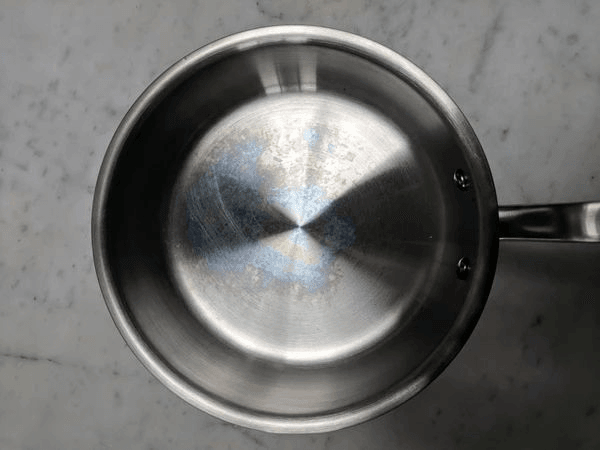
Look closely at your pan to see how much it is oxidized. Oxidation shows as dull or dark spots on metal.
If the oxidation is light, cleaning is easier. Heavy oxidation may need stronger cleaning steps.
- Light oxidation: slight discoloration or dullness
- Moderate oxidation: dark spots and rough texture
- Heavy oxidation: thick layers or flaky rust
Safety Precautions
Wear gloves to protect your hands from cleaners and sharp edges. Work in a well-ventilated area.
Use mild cleaning products first to avoid harming the pan. Keep children and pets away during cleaning.
- Wear rubber gloves
- Use eye protection if needed
- Work in a ventilated room
- Keep cleaning products away from children
Credit: www.shengxinaluminium.com
Step-by-step Cleaning Process
Oxidized kitchen pans look dull and dirty. Cleaning them brings back their shine. Follow these steps to clean your pans safely.
This guide uses simple materials you can find at home. The process is easy and effective.
Soaking The Pan
Start by soaking the pan in warm water. This softens the oxidation and dirt.
Fill the pan with warm water and add a few drops of dish soap. Let it sit for 30 minutes.
Scrubbing Techniques
After soaking, scrub the pan to remove loosened oxidation. Use a soft sponge or nylon scrubber.
Scrub in small circles to avoid scratching the pan. Avoid steel wool as it can damage the surface.
- Use a soft sponge or nylon scrubber
- Scrub gently in circular motions
- Avoid harsh steel wool or metal brushes
Using Baking Soda And Vinegar
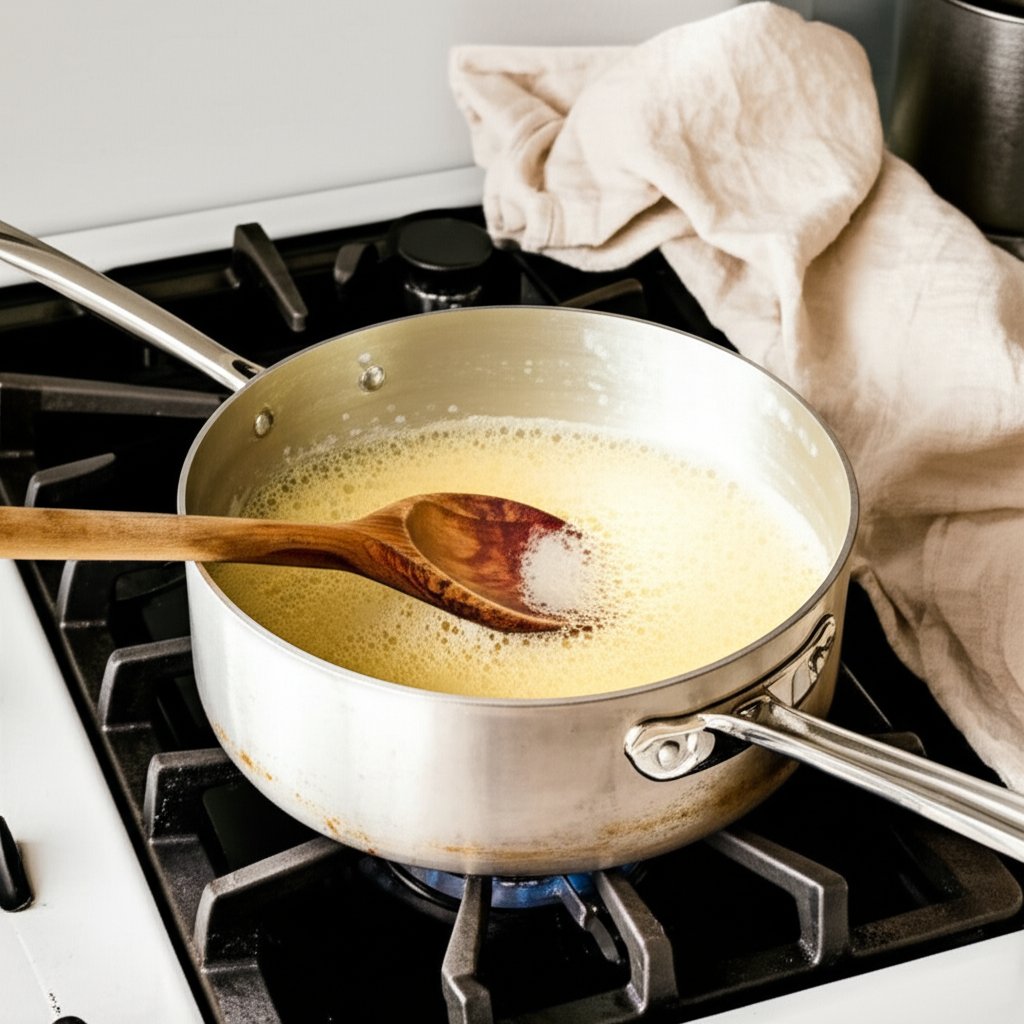
Baking soda and vinegar help remove stubborn oxidation. They react to break down grime.
Sprinkle baking soda over the pan surface. Pour vinegar slowly to create bubbles. Let it fizz for 10 minutes.
- Sprinkle baking soda evenly
- Pour vinegar slowly to start fizzing
- Wait 10 minutes before scrubbing again
Rinsing And Drying
After scrubbing, rinse the pan well with warm water. Remove all cleaning residues.
Dry the pan completely with a soft cloth. This stops new oxidation from forming.
Polishing For Extra Shine
Oxidized kitchen pans lose their shine and look dull. Polishing can restore their bright and shiny surface.
This guide covers natural and commercial polishing options to bring back the pan’s glow.
Natural Polishing Methods
Natural ingredients can clean and polish pans without harsh chemicals. They are safe and easy to find.
Common natural polishers include baking soda, lemon juice, and vinegar. These help remove oxidation and add shine.
- Baking soda: Make a paste with water and rub gently on the pan. Rinse well.
- Lemon juice: Rub lemon on the surface or soak the pan briefly. Wipe clean.
- Vinegar: Use a cloth soaked in vinegar to wipe the pan. Rinse after polishing.
Commercial Polish Options
Many stores sell metal polishes made for kitchen pans. These products work fast and give a strong shine.
Choose a polish that fits the pan’s material. Follow the instructions carefully for best results.
- Metal polish creams: Apply with a soft cloth, rub gently, and buff to shine.
- Spray polishes: Spray on and wipe off with a clean cloth for quick shine.
- Paste polishes: Use a small amount on the pan, rub, then rinse and dry.
Credit: imarku.net
Preventing Future Oxidation
Oxidation can damage your kitchen pans over time. Taking simple steps helps keep them in good shape. Protect your pans by preventing rust and stains.
Follow these tips on cleaning, storage, and seasoning to stop oxidation from coming back.
Proper Cleaning And Drying
Clean your pans gently to avoid harming their surface. Use mild soap and warm water after each use. Avoid harsh scrubbers that can scratch the metal.
- Wash pans immediately after cooking
- Use a soft sponge or cloth
- Rinse thoroughly to remove soap
- Dry pans completely with a towel
- Air dry in a warm spot if possible
Storage Tips
| Storage Method | Benefit |
|---|---|
| Keep pans in a dry cabinet | Prevents moisture buildup |
| Use pan protectors or cloth | Avoid scratches and air exposure |
| Store pans separately | Stops metal-on-metal contact |
| Place silica gel packs nearby | Absorbs excess humidity |
Seasoning Cookware
Seasoning creates a protective layer that stops rust and oxidation. It also improves cooking performance. Use oil with a high smoke point like vegetable or flaxseed oil.
Follow these steps to season your pans:
- Clean and dry the pan thoroughly
- Apply a thin layer of oil over the entire surface
- Heat the pan on medium heat for 10 minutes
- Let the pan cool, then wipe off excess oil
- Repeat every few months to maintain protection
When To Replace Your Pan
Oxidized kitchen pans can lose their shine and performance. Knowing when to replace them saves time and keeps your cooking safe.
It is important to recognize signs that show your pan is beyond repair. This helps avoid problems while cooking.
Signs Of Irreparable Damage
Some damages cannot be fixed and mean your pan should be replaced. Look for deep rust, cracks, or warped shapes.
If the pan surface peels or flakes off, it can affect your food and cooking.
- Large cracks or holes
- Heavy rust that won’t scrub off
- Warped or uneven base
- Flaking or peeling surface coating
Safety Concerns
Using damaged or oxidized pans can be unsafe. Harmful chemicals or metals might leach into food.
Old pans can also cause uneven heating, increasing the risk of burns or fires.
- Risk of food contamination from rust or coatings
- Uneven heating causing hot spots
- Possible burns from warped pans
- Fire hazards from damaged cookware
Frequently Asked Questions
How Do I Remove Oxidation From Kitchen Pans?
To remove oxidation, scrub pans with a paste of baking soda and water. Rinse and dry thoroughly afterward. This method restores shine and removes dullness effectively.
Can Vinegar Clean Oxidized Metal Pans?
Yes, vinegar’s acidity dissolves oxidation on metal pans. Soak the pan in vinegar for 30 minutes, then scrub gently. Rinse well and dry to prevent further oxidation.
Is Lemon Juice Effective For Fixing Oxidized Pans?
Lemon juice contains natural acids that help break down oxidation. Apply lemon juice, let it sit for 10 minutes, then scrub and rinse. It brightens the pan without harsh chemicals.
How Often Should I Clean Pans To Prevent Oxidation?
Clean pans immediately after use and dry them completely. Regular cleaning prevents moisture buildup, which causes oxidation. Proper storage also helps maintain pan condition longer.
Conclusion
Restoring oxidized kitchen pans is simple with the right steps. Regular cleaning helps prevent oxidation. Use vinegar or baking soda for effective results. Scrub gently to avoid scratching. Rinse thoroughly and dry completely. Store pans in a dry place. This keeps them in good condition longer.
Consistent care maintains their shine and usability. Say goodbye to dull, oxidized pans. Enjoy cooking with clean, shiny kitchenware. Your meals deserve the best tools. Start restoring your pans today for a better cooking experience. Happy cooking!