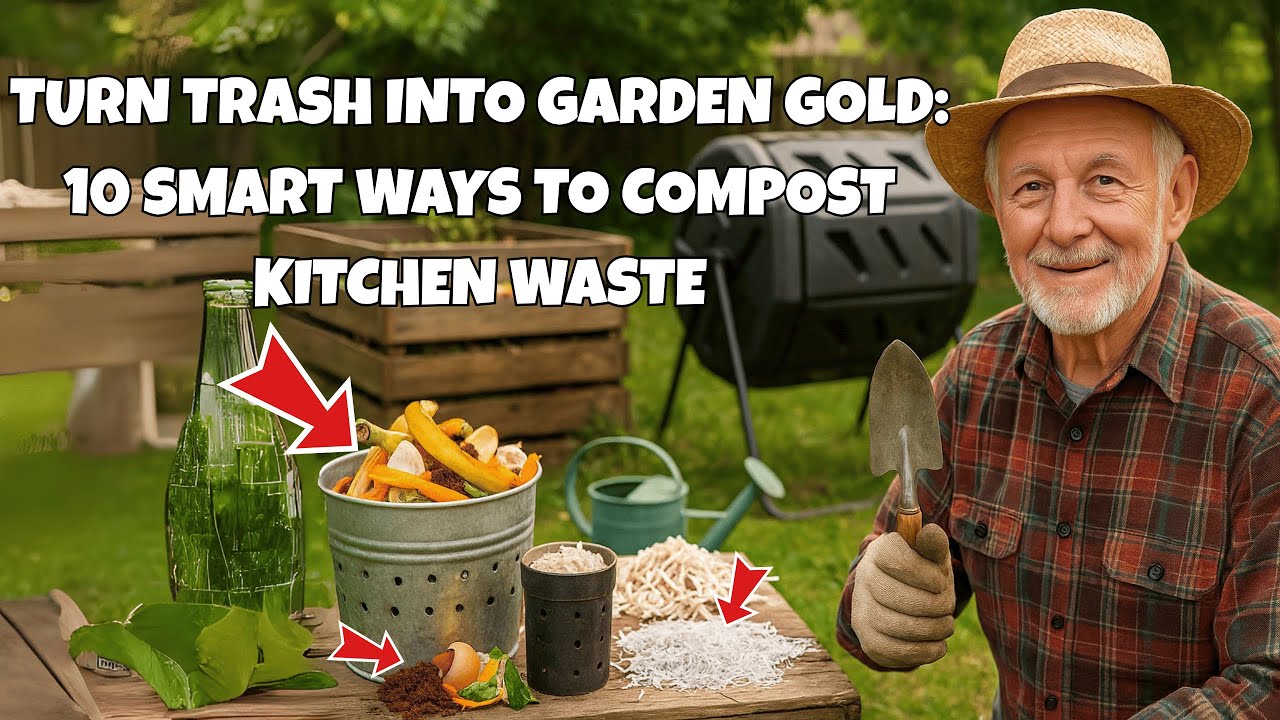
Are you tired of throwing away kitchen scraps every day? What if you could turn that waste into something valuable—rich, healthy compost for your garden?
Composting your kitchen waste is easier than you think, and it can save you money while helping the environment. You’ll discover simple steps to transform your food scraps into nutrient-packed compost. Ready to give your kitchen waste a new purpose?
Let’s dive in and make your waste work for you.

Credit: www.youtube.com
Benefits Of Composting Kitchen Waste
Composting kitchen waste turns food scraps into useful material. This helps reduce trash and supports the environment.
Using compost improves soil and cuts costs on garden supplies. Many people find composting easy and helpful.
Reducing Landfill Waste
Kitchen waste makes up a large part of landfill trash. Composting lowers the amount sent to landfills. This helps lower pollution and greenhouse gases.
- Reduces trash volume
- Decreases methane gas from landfills
- Lowers transportation emissions
- Supports local waste management
Enriching Soil Naturally
Compost adds valuable nutrients to the soil. It improves soil texture and water retention. This helps plants grow healthy without chemicals.
| Soil Benefit | Effect |
| Organic Matter | Increases fertility |
| Microorganisms | Boosts soil life |
| Water Holding | Improves moisture retention |
| pH Balance | Maintains healthy acidity |
Saving Money On Fertilizers
Compost replaces the need for chemical fertilizers. It is free to make from kitchen scraps. This saves money for gardeners and farmers.
Benefits of using homemade compost:
- Costs nothing to produce
- Reduces buying commercial fertilizers
- Improves long-term soil health
- Supports sustainable gardening
Types Of Kitchen Waste To Compost
Composting kitchen waste helps reduce garbage and creates rich soil for gardens. Many common kitchen scraps break down easily and add nutrients to compost.
Knowing which kitchen wastes to compost makes your compost pile healthy. Avoid items that may attract pests or take too long to decompose.
Fruit And Vegetable Scraps
Peels, cores, and ends of fruits and vegetables are excellent for compost. They break down quickly and add moisture and nutrients.
- Apple cores and peels
- Banana skins
- Carrot tops and peels
- Potato skins
- Leafy greens and vegetable trimmings
Coffee Grounds And Tea Bags
Used coffee grounds and tea bags are rich in nitrogen. They help balance carbon-rich materials in your compost.
| Type | Compost Benefit |
| Coffee Grounds | High nitrogen, improves soil texture |
| Tea Bags | Contains tannins and nitrogen, break down well |
Eggshells And Nut Shells
Crushed eggshells add calcium to compost. Nut shells take longer to decompose and should be crushed first.
Tips for using shells in compost:
- Rinse eggshells to avoid smell.
- Crush shells into small pieces.
- Use nut shells sparingly.
- Avoid shells from salted or flavored nuts.
Materials To Avoid In Compost
Composting kitchen waste helps reduce garbage and makes healthy soil. Some materials should not go into compost. They can cause problems or attract pests.
Knowing what to avoid helps keep compost clean and safe. Here are some common kitchen waste items to skip.
Meat And Dairy Products
Meat and dairy items like bones, cheese, and milk do not break down well in compost. They can smell bad and attract animals.
These products may also carry harmful bacteria that can spread in your compost pile.
- Raw or cooked meat
- Cheese and butter
- Milk and cream
- Fish and bones
Oily And Greasy Foods
Oily and greasy foods like cooking oil or greasy leftovers slow down composting. They create wet spots that stop air flow.
These foods can also cause bad smells and attract pests like rats and flies.
- Cooking oils and fats
- Greasy pizza crusts
- Butter and margarine
- Fried foods
Diseased Plants And Weeds
Do not add plants with diseases or weeds that have seeds to your compost. They can spread problems to your garden.
Diseased plants may carry fungi or bacteria that survive composting. Weed seeds can grow in your soil later.
- Plants with mold or rot
- Weeds with mature seeds
- Plants infected by insects
- Any sick or damaged garden plants
Choosing The Right Composting Method
Composting kitchen waste helps reduce trash and creates useful soil. Picking the right method makes composting easy and effective.
Each composting style fits different spaces and needs. Learn about three common methods to find what works best for you.
Traditional Compost Pile
A traditional compost pile is simple and natural. You make a heap of organic waste in your yard and let it break down over time.
- Needs space outside, usually a corner of the yard
- Good mix of green waste (kitchen scraps) and brown waste (leaves, paper)
- Requires regular turning to add air and speed up decay
- Composting can take several months
Compost Bins And Tumblers
Bins and tumblers hold kitchen waste in a container. They keep pests out and look neat in small spaces.
| Type | Advantages | Best For |
| Compost Bin | Simple to use, keeps compost tidy | Small yards or patios |
| Compost Tumbler | Easy to turn, speeds composting | People who want faster results |
Vermicomposting With Worms
Vermicomposting uses worms to break down kitchen waste. It works well indoors or outdoors in a small bin.
Benefits of vermicomposting:
- Produces rich compost called worm castings
- Works quickly and takes less space
- Good for apartment dwellers
- Needs care to keep worms healthy
Setting Up Your Compost Area
Creating a compost area is the first step to turning kitchen waste into rich soil. A well-planned spot helps speed up the composting process.
Choose a place that is easy to access and has good air flow. Proper setup keeps your compost healthy and odor-free.
Selecting A Location
Pick a site that is dry and gets partial sunlight. Avoid spots that flood or stay very wet.
- Close to your kitchen for easy waste transfer
- Away from direct heavy rain but with some sun
- On level ground for stability
- Near a water source for moistening compost
Preparing The Base
Start with a base that lets air flow under the pile. This helps break down waste faster.
| Base Material | Purpose |
| Wood chips or straw | Allow air circulation |
| Small branches | Create drainage |
| Old leaves | Provide organic matter |
Gathering Tools And Supplies
Having the right tools makes composting easier and cleaner. Keep everything close to your compost area.
- Compost bin or pile container
- Garden fork or shovel for turning
- Watering can or hose for moisture
- Gloves to protect your hands
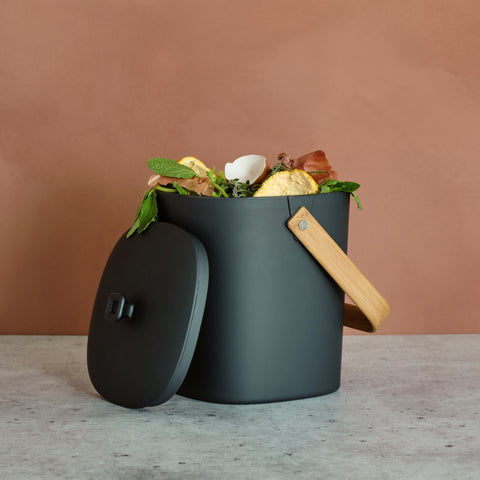
- Kitchen scrap container for waste collection

Credit: www.youtube.com
Step-by-step Composting Process
Turning kitchen waste into compost helps reduce trash and enrich soil. Composting breaks down organic materials into nutrient-rich soil.
Follow these simple steps to create your own compost pile at home.
Chopping And Layering Waste
Cut kitchen scraps into small pieces to speed up decomposition. Smaller pieces break down faster and make composting easier.
Layer waste in your compost bin. Start with coarse materials, then add kitchen scraps in thin layers.
- Chop vegetable peels, fruit scraps, and eggshells
- Place twigs or shredded paper at the bottom
- Add chopped waste in layers to keep airflow
Balancing Greens And Browns
Compost needs a mix of green and brown materials. Greens are wet and rich in nitrogen, like food scraps.
Browns are dry and high in carbon, such as dry leaves and cardboard. Balance helps microbes break down waste well.
- Greens: fruit, vegetable scraps, coffee grounds
- Browns: dry leaves, paper, straw, cardboard
- Aim for about 2 parts browns to 1 part greens
Turning And Aerating The Pile
Turn the compost pile regularly to add air. Air helps microbes live and speeds up composting.
Use a pitchfork or shovel to mix the pile every one to two weeks. This prevents bad smells and keeps the pile healthy.
- Turn the pile gently to mix all materials
- Check that the pile is warm inside
- Repeat turning every 7-14 days
Monitoring Moisture Levels
Compost needs the right moisture to break down. It should be as damp as a wrung-out sponge.
If the pile is too dry, add water or green materials. If too wet, add more browns or turn the pile to dry it out.
- Check moisture by squeezing compost in your hand
- Add water if it feels dry and crumbly
- Add dry leaves or paper if it feels soggy
- Keep moisture balanced for best results
Troubleshooting Common Issues
Turning kitchen waste into compost is easy but can have some problems. Knowing how to fix these helps keep your compost healthy.
This guide covers three common issues: odors, pests, and slow decomposition. Learn simple ways to solve these troubles.
Dealing With Odors
Bad smells often come from too much moisture or food that breaks down too fast. Proper balance and care reduce odors.
- Turn the compost to add air and dry it out.
- Add dry materials like leaves or shredded paper.
- Keep meat, dairy, and oily foods out of the pile.
- Cover fresh waste with a layer of soil or brown materials.
Managing Pests
Pests like flies, rodents, and ants can visit your compost. They are attracted to food scraps and moisture.
| Type of Pest | Cause | Solution |
| Flies | Exposed food scraps | Cover scraps with brown material |
| Rodents | Meat or oily foods | Avoid these foods; use sealed bins |
| Ants | Dry compost | Moisten compost and turn regularly |
Speeding Up Decomposition
Slow composting can happen if the pile is too dry or lacks nitrogen. Good conditions help waste break down faster.
Try these tips to speed up composting:
- Chop waste into small pieces before adding.
- Keep the compost moist, like a damp sponge.
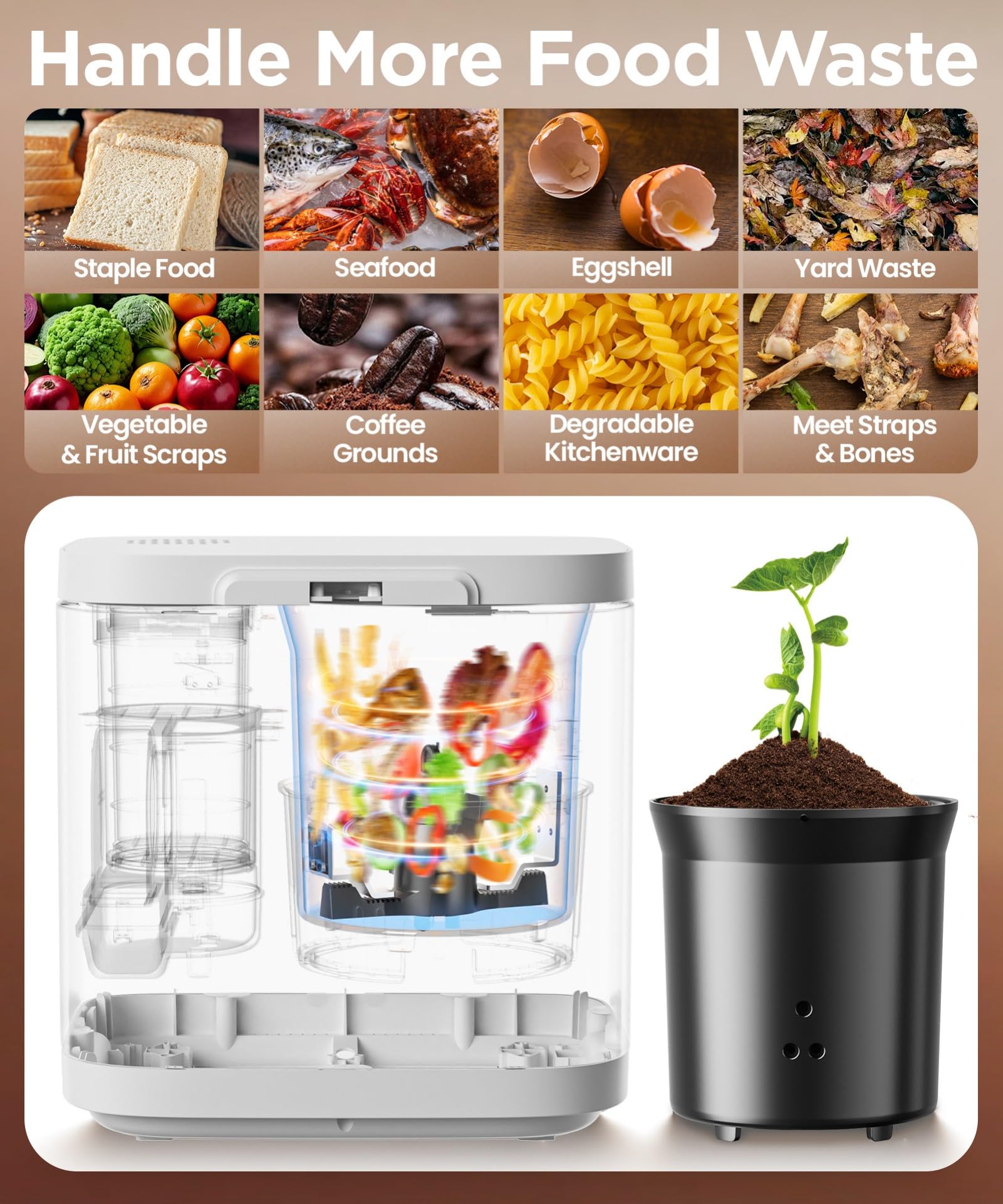
- Mix green (nitrogen) and brown (carbon) materials well.
- Turn the pile every 1-2 weeks for air flow.
Credit: www.amazon.com
Using Finished Compost In Your Garden
Finished compost adds valuable nutrients to your garden soil. It helps plants grow strong and healthy.
Knowing how to use compost correctly improves your garden’s health and productivity.
Identifying Ready Compost
Ready compost looks dark, crumbly, and smells like fresh earth. It should not have any large bits of food or leaves left.
- Check for a uniform texture without recognizable scraps
- Ensure the compost feels cool or slightly warm, not hot
- Smell it to confirm there is no bad odor
- Look for earthworms or small insects, signs of healthy compost
Applying Compost To Soil
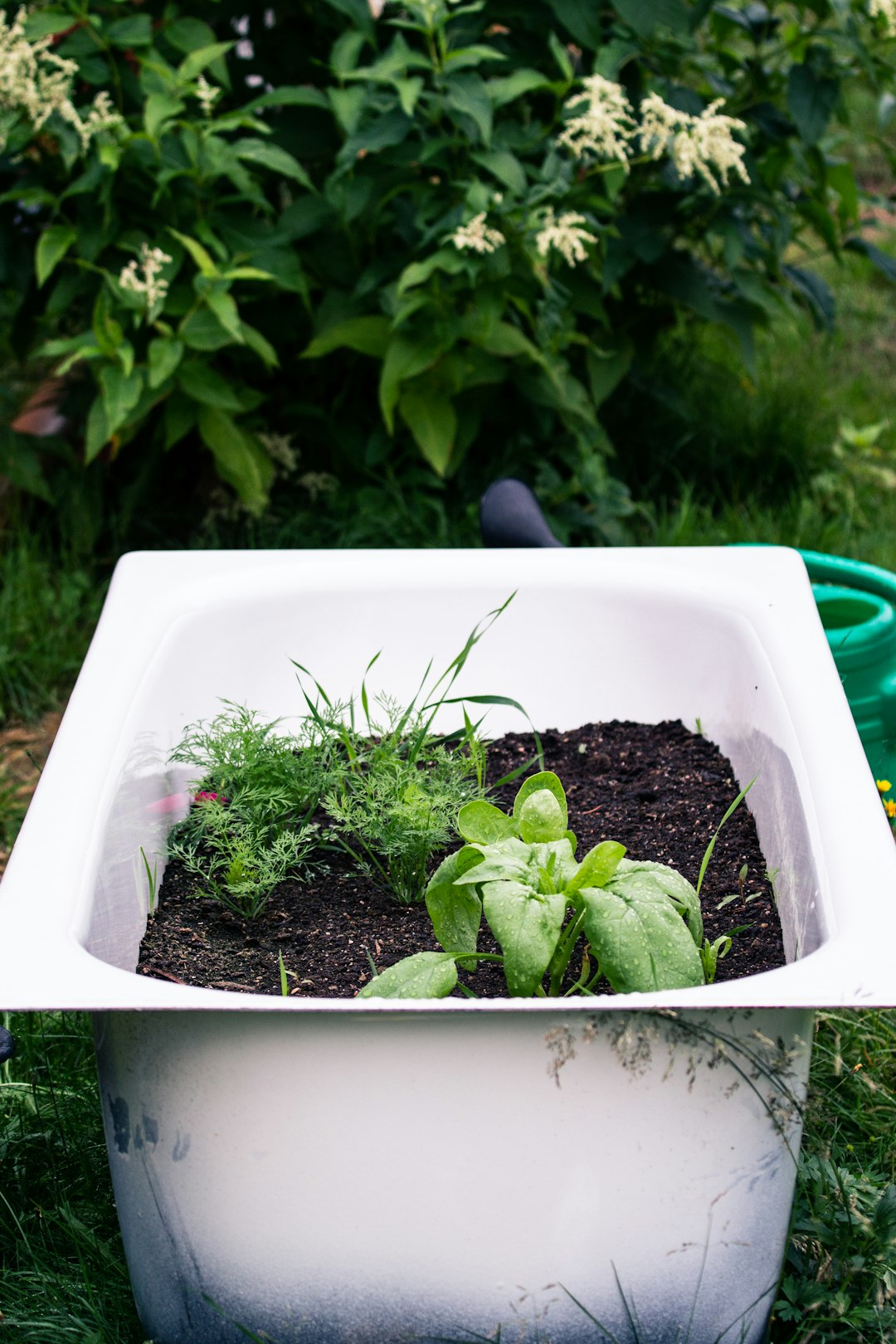
Spread compost on your garden soil before planting or as mulch around plants. It improves soil structure and moisture retention.
- Clear the area of weeds and debris
- Spread a 1-3 inch layer of compost over the soil
- Mix compost gently into the top 6-8 inches of soil
- Water the soil after applying compost to help nutrients absorb
Benefits For Plants And Lawn
| Benefit | Description |
| Improved Nutrients | Compost adds nitrogen, phosphorus, and potassium to soil |
| Better Soil Texture | Increases soil aeration and water retention |
| Stronger Plants | Plants resist pests and disease more easily |
| Healthier Lawn | Lawn roots grow deeper and greener |
| Reduced Waste | Recycles kitchen scraps into garden gold |
Frequently Asked Questions
What Kitchen Waste Can Be Composted At Home?
Most vegetable scraps, fruit peels, coffee grounds, eggshells, and tea bags can be composted. Avoid meat, dairy, and oily foods as they attract pests and cause odors.
How Long Does Kitchen Composting Take?
Kitchen composting usually takes 2 to 3 months. The time depends on the materials, moisture, and turning frequency. Proper balance speeds up decomposition.
Can I Compost Cooked Food Scraps Safely?
Cooked food scraps can be composted but in small amounts. They decompose slower and may attract pests, so mix them well with dry materials.
How Do I Maintain A Healthy Compost Bin?
Keep your compost moist but not soggy. Turn it weekly to aerate and speed up decomposition. Balance green and brown materials for best results.
Conclusion
Turning kitchen waste into compost is simple and rewarding. It reduces household waste and enriches your garden. Composting helps the environment by recycling nutrients. Start small with a compost bin or pile. Add fruit peels, vegetable scraps, and coffee grounds.
Remember to mix in dry materials like leaves. Keep it moist and turn it occasionally. In a few months, you'll have rich compost. Use it to nourish your plants and watch them thrive. Composting benefits your garden and reduces waste.
It's an easy step towards a greener lifestyle. Give it a try today!