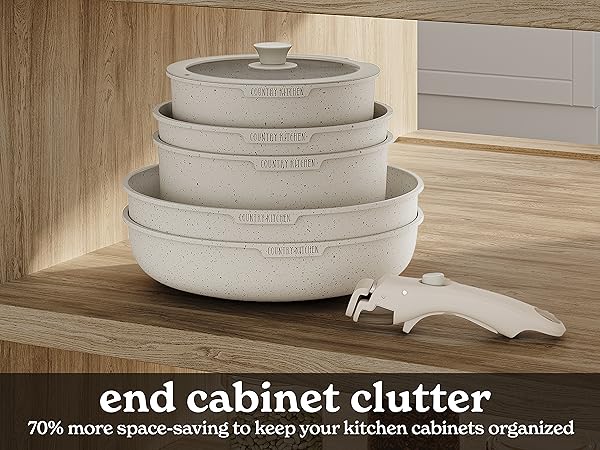
If you love cooking at home, you’ve probably wondered, Are Country Kitchen Pans Oven Safe? Knowing whether your pans can go straight from the stove to the oven is key to making delicious meals without damaging your cookware.
Imagine the convenience of finishing a dish perfectly in the oven without worrying about ruining your favorite pan. You’ll discover everything you need to know about using Country Kitchen pans safely in the oven, so you can cook with confidence every time.
Keep reading to unlock the secrets and protect your kitchen tools!

Credit: www.amazon.com
Country Kitchen Pans Material
Country kitchen pans come in different materials. Each material affects how the pan cooks and lasts.
Knowing the pan material helps you use it safely, especially in the oven.
Common Materials Used
Country kitchen pans often use materials like cast iron, stainless steel, aluminum, and non-stick coatings.
- Cast Iron: Heavy and heats evenly.
- Stainless Steel: Durable and resists rust.
- Aluminum: Lightweight and heats quickly.
- Non-stick Coating: Easy to clean and cooks food without sticking.
Heat Resistance Properties
Different materials have different heat limits. Knowing these limits keeps your pans safe in the oven.
| Material | Oven Safe Temperature | Notes |
|---|---|---|
| Cast Iron | Up to 500°F (260°C) | Excellent heat retention and oven safe |
| Stainless Steel | Up to 500°F (260°C) | Handles high heat well, often oven safe |
| Aluminum | Up to 400°F (204°C) | Check for coated surfaces before oven use |
| Non-stick Coating | Up to 350°F (177°C) | Avoid high heat to protect coating |

Credit: www.amazon.com
Oven Safety Features
Country kitchen pans are popular for cooking and baking. Knowing if they are oven safe is important. Oven safety means the pans can handle heat without damage.
Safety features include the materials used and how the pans are built. Some parts may not be safe in the oven, so check carefully.
Handle And Lid Considerations
Handles and lids of country kitchen pans may affect oven safety. Some handles are made from plastic or wood. These materials can melt or burn in the oven.
Metal handles usually handle oven heat well. Lids made of glass or metal may also be oven safe, but check the temperature limits.
- Plastic or wooden handles usually are not oven safe
- Metal handles can go in the oven safely
- Glass lids may be oven safe but watch the heat limits
- Always check manufacturer’s instructions for handle and lid safety
Temperature Limits
Country kitchen pans have maximum temperature limits. Exceeding these limits can damage the pan or cause safety risks. Always follow the temperature guidance.
Common temperature limits range from 350°F to 450°F. Some pans can handle higher heat, but lids or handles might have lower limits.
| Part | Typical Maximum Oven Temperature |
|---|---|
| Pan Body (Metal) | Up to 500°F (260°C) |
| Glass Lid | Up to 350°F (175°C) |
| Wooden/Plastic Handle | Not oven safe |
| Metal Handle | Up to 450°F (230°C) |
Using Country Kitchen Pans In Oven
Country Kitchen pans are popular for their sturdy design. Many cooks wonder if they are safe to use in the oven.
This guide explains how to prepare and use these pans safely in your oven.
Preparation Tips
Before placing Country Kitchen pans in the oven, check the pan’s material. Most are made from heavy-duty steel with a non-stick coating.
- Preheat the oven to the right temperature, usually below 450°F (232°C).
- Do not use pans with plastic handles or parts not marked as oven-safe.
- Clean the pan thoroughly to remove any food residue or grease.
- Lightly grease the pan to prevent sticking and ease cleaning.
- Use oven mitts or pot holders when handling hot pans.
Safe Cooking Practices
Using Country Kitchen pans safely in the oven helps protect your cookware and your food.
| Practice | Reason |
| Avoid sudden temperature changes | Prevents warping or damage to the pan |
| Do not exceed recommended oven temperature | Protects the non-stick surface and metal |
| Use wooden or silicone utensils | Prevents scratching the pan’s coating |
| Allow pan to cool before washing | Reduces risk of cracking or damage |
Avoiding Common Mistakes
Using Country Kitchen pans in the oven can be safe if done right. Many people make simple errors that damage their pans or cause accidents. Learning how to avoid these mistakes helps keep your pans in good shape.
This guide covers two main areas: overheating risks and handling hot pans safely. Follow these tips to protect your cookware and yourself.
Overheating Risks
Country Kitchen pans can handle oven heat, but too much heat harms the pan. Overheating can cause warping or damage the pan’s coating. It also lowers the pan’s lifespan and may affect cooking results.
- Do not preheat empty pans for long periods.
- Avoid using very high oven temperatures above the pan’s limit.
- Check the manufacturer’s instructions for maximum heat levels.
- Do not place pans directly on open flames or heating elements.
- Use oven mitts or heat pads to handle pans that have been in the oven.
Handling Hot Pans Safely
Hot pans can cause burns or spills if not handled carefully. Use the right tools and follow safety steps to avoid accidents in the kitchen.
| Safety Tip | Reason |
| Always wear oven mitts | Protect your hands from burns |
| Use a sturdy surface to place the pan | Prevent spills and damage |
| Do not leave hot pans unattended | Avoid accidents and injuries |
| Let pans cool before washing | Prevent warping and burns from steam |
| Keep handles away from edges | Stop accidental knocks or tipping |
Cleaning After Oven Use
Country kitchen pans are often used in ovens for baking and roasting. After using them in the oven, proper cleaning is important to keep them in good condition.
Cleaning these pans carefully helps remove food residues and prevents damage to the pan’s surface.
- Consumer Reports’ product testing on cookware longevity highlights the number one cause of warping: “Regardless of whether the pan is stainless steel, aluminum, or cast iron, sudden temperature change—known as thermal shock—causes the metal to contract too quickly and unevenly. This is why placing a hot pan from the oven into a sink of cold water is destructive. Always let the pan cool on a separate trivet or cold burner until it is merely warm to the touch before washing.“
Proper Cleaning Techniques
Wait for the pan to cool before cleaning it. Avoid sudden temperature changes to protect the pan’s material.
Use warm water and a soft sponge with mild dish soap. Avoid abrasive scrubbers that can scratch the surface.
- Soak stubborn food stains in warm, soapy water for 10-15 minutes
- Gently scrub with a non-abrasive sponge or cloth
- Rinse thoroughly to remove all soap residue
- Dry the pan completely with a soft towel to prevent rust
Maintaining Pan Longevity
Regular cleaning after oven use keeps country kitchen pans lasting longer. Avoid using harsh chemicals or metal tools on the pan.
Store pans in a dry place and avoid stacking heavy items on top. This helps prevent dents and warping.
- Clean pans after every oven use
- Use mild cleaning products only
- Dry pans fully before storing
- Store pans carefully to avoid damage

Credit: www.amazon.com
Frequently Asked Questions
Are Country Kitchen Pans Safe For Oven Use?
Yes, most Country Kitchen pans are oven safe. Always check the manufacturer’s guidelines for the maximum temperature limit. Avoid sudden temperature changes to prevent warping or damage.
What Is The Maximum Oven Temperature For Country Kitchen Pans?
Typically, Country Kitchen pans can withstand oven temperatures up to 450°F (232°C). Exceeding this limit may damage the pan or its coating. Always verify specific product details before oven use.
Can I Use Country Kitchen Pans Under A Broiler?
No, Country Kitchen pans are generally not suitable for broiler use. The intense direct heat can damage the nonstick coating and warp the pan. Use broiler-safe cookware instead.
Are The Handles Of Country Kitchen Pans Oven Safe?
Most Country Kitchen pans have oven-safe handles, but temperature limits vary. Metal handles usually tolerate higher heat than plastic ones. Check product specifications to ensure safe oven use.
Conclusion
Country Kitchen pans offer great versatility in your cooking adventures. Most are oven safe, letting you switch from stove to oven with ease. Always check the manufacturer’s guidelines for specific heat limits. This helps avoid damage and keeps your meals safe.
Knowing pan materials is crucial for oven use. Stainless steel and cast iron are generally safe options. Non-stick coatings need extra care. Choosing the right pan ensures delicious and safe cooking experiences. Enjoy creating tasty dishes while keeping safety in mind.
Your kitchen adventures await with the right tools in hand. Happy cooking!
To see a practical demonstration of how an oven-safe, all-metal pan is prepared and used for high-heat cooking (a crucial technique for achieving a stovetop sear followed by an oven finish), watch this expert tip: