Are Hell’s Kitchen Pans Oven Safe: Complete Guide 2026
Ever found yourself wondering if your Hell’s Kitchen pans can handle the heat of your oven? You’re not alone.
Many home cooks face the same dilemma. The good news is that you’re about to uncover the answer that could transform your cooking experience. Imagine the convenience of searing your steak to perfection on the stovetop and then finishing it off in the oven, all in the same pan.
We’ll delve into whether Hell’s Kitchen pans are truly oven safe and what that means for your culinary adventures. Stay with us, because this could be the gamechanger your kitchen routine needs!
Hell’s Kitchen Pans Material
Hell’s Kitchen pans come in different materials that affect their use. Knowing the material helps you understand if the pan is oven safe.
Choosing the right pan depends on what you cook and how you cook it. Oven safety is an important factor to keep in mind.
Common Materials Used
Hell’s Kitchen pans are made from materials like stainless steel, cast iron, and non-stick coatings. Each has its own benefits for cooking.
- Stainless Steel: Durable and heats evenly.
- Cast Iron: Heavy, keeps heat well, and can last a lifetime.
- Non-Stick Coating: Easy to clean and requires less oil.
- Aluminum: Lightweight and good heat conductor.
Impact On Oven Safety
Some materials handle oven heat better than others. Knowing the maximum temperature your pan can take is key for safe use.
| Material | Oven Safe Temperature | Notes |
|---|---|---|
| Stainless Steel | Up to 500°F (260°C) | Safe for most baking and roasting |
| Cast Iron | Up to 600°F (315°C) | Great for high heat cooking |
| Non-Stick Coating | Up to 350°F (175°C) | Higher heat may damage coating |
| Aluminum | Up to 400°F (205°C) | Check if coated or bare |

Credit: hellskitchenstore.com
Heat Resistance Limits
Knowing the heat resistance of Hell’s Kitchen pans is important for safe cooking. These pans can handle oven heat but only up to a point.
Exceeding the heat limit can damage the pan and affect your cooking results. Let’s explore their maximum oven temperatures and signs of overheating.
Maximum Oven Temperatures
Hell’s Kitchen pans usually tolerate oven heat up to 450°F (232°C). Staying under this temperature keeps the pans safe and in good condition.
- Do not exceed 450°F to avoid warping or coating damage.
- Use oven mitts when handling hot pans to prevent burns.
- Check the manufacturer’s guidelines for specific heat limits.
Signs Of Overheating
| Sign | What It Means | Action Needed |
| Discoloration | Surface color changes | Lower oven temperature |
| Warping | Pan bends or twists | Stop use and replace pan |
| Coating Peeling | Non-stick layer comes off | Do not use pan for cooking |
| Smoke or Burnt Smell | Material overheating | Remove pan from oven quickly |
Handles And Lids
When using Hell’s Kitchen pans in the oven, it is important to know if the handles and lids are safe. Not all parts of the pan can handle high oven temperatures.
This guide explains which handle materials can go in the oven and what to consider for lids. This helps keep your cookware safe and lasting longer.
Oven-safe Handle Materials
Some handles on Hell’s Kitchen pans are made to resist oven heat. These handles stay safe up to certain temperatures.
Metal handles like stainless steel can usually go in the oven. Silicone handles may be oven-safe but only up to a limit.
- Stainless steel handles can handle high heat well.
- Cast iron handles are also oven-safe and strong.
- Silicone handles resist heat but check max temperature.
- Plastic handles are not safe for oven use.
Lid Safety Considerations
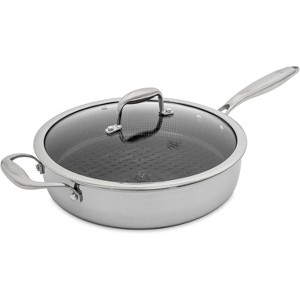
Lids on Hell’s Kitchen pans may be made of glass or metal. Glass lids often have temperature limits.
Metal lids usually can go in the oven with the pan. Always check if the lid has a handle made from a safe material.
- Tempered glass lids can go in the oven but only up to 350°F (175°C).
- Metal lids with metal handles are safe for most oven temperatures.
- Lids with plastic or rubber handles should not go in the oven.
- Always check the manufacturer’s instructions for lid safety.

Credit: www.amazon.com
Manufacturer Guidelines
Knowing if Hells Kitchen pans are oven safe is important for safe cooking. Always follow the manufacturer’s guidelines for use.
These guidelines help keep your pans in good condition and avoid damage or accidents.
Checking Product Labels
Product labels often show if Hell’s Kitchen pans can go into the oven. Look for oven-safe symbols or temperature limits.
Read the label carefully to find the maximum temperature the pan can handle safely.
- Look for words like “oven safe” or “oven proof”
- Check the highest safe oven temperature listed
- Note any warnings about lids or handles
Warranty And Safety Information
The warranty may cover damage caused by misuse, like using the pan in the oven if it is not safe.
Follow the safety instructions to avoid voiding the warranty and to keep cooking safe.
- Check warranty terms for oven use
- Do not exceed the temperature limit given
- Use oven mitts to handle hot pans
- Do not use pans with plastic parts in the oven
Tips For Oven Use
Hells Kitchen pans are popular for cooking and baking. Knowing how to use them safely in the oven helps protect your pans and food.
Follow simple steps before and after oven use to keep your pans in good shape and ensure great cooking results.
Preheating And Usage Tips
Always preheat your oven before placing the pan inside. This prevents warping and helps food cook evenly.
- Check if your Hells Kitchen pan is marked oven safe and note its maximum temperature.
- Use oven mitts to place and remove pans safely.
- Avoid placing cold pans directly into a hot oven to prevent damage.
- Do not use pans with wooden or plastic handles in the oven unless specified safe.
- Keep pans away from direct flames or broiler unless recommended.
Cleaning After Oven Use
Cleaning your Hells Kitchen pans correctly after oven use extends their life and maintains their appearance.
| Cleaning Tip | Reason |
| Let pan cool before washing | Prevents warping from sudden temperature changes |
| Use warm water and mild detergent | Protects the pan’s coating and finish |
| Avoid abrasive scrubbers | Prevents scratches and damage |
| Dry pans immediately after washing | Stops rust and water spots |
Common Mistakes To Avoid
Using the right pan in the oven is important for safety and cooking results. Some pans are not safe for oven use. This can cause damage to the pan and even your oven.
Knowing what mistakes to avoid helps you use Hell’s Kitchen pans safely. Read on to learn the common errors when using these pans in the oven.
Using Non-oven Safe Pans
Not all Hell’s Kitchen pans are made to go in the oven. Using pans with plastic or wooden handles can be dangerous. These materials may melt or catch fire at high heat.
- Check if the pan label says “oven safe.”
- Do not use pans with plastic parts in the oven.
- Choose pans made fully of metal for oven use.
- Avoid using non-stick pans at very high temperatures.
Ignoring Temperature Limits
Every Hell’s Kitchen pan has a maximum oven temperature. Ignoring this limit can damage the pan and ruin your food.
| Temperature Limit | Risk if Exceeded |
| Below 400°F (204°C) | Safe for most pans |
| 400°F to 450°F (204°C to 232°C) | Possible damage to coatings |
| Above 450°F (232°C) | Warping, melting, or toxic fumes |
Comparing Hells Kitchen To Other Brands
Choosing the right pan matters for cooking safety and results. This guide compares Hells Kitchen pans with other popular brands. We focus on oven safety and how well they last.
Understanding these features helps you pick a pan that fits your needs. Let’s look closely at oven safety features and durability.
Oven Safety Features
Oven safety is key when picking pans. Hells Kitchen pans usually have metal handles and sturdy lids. These parts can handle high heat without damage.
- Hell’s Kitchen pans often resist oven heat up to 450°F (232°C).
- Handles are made from stainless steel or silicone that stays cool.
- Other brands may use plastic handles, limiting oven use.
- Some brands offer pans safe up to 500°F (260°C), higher than Hell’s Kitchen.
- Hell’s Kitchen lids fit tightly and handle oven temperatures well.
Durability And Performance
Durability affects how long pans last and how well they cook food. Hell’s Kitchen pans use thick materials that spread heat evenly. They are less likely to warp or scratch.
| Brand | Material | Warp Resistance | Heat Distribution | Scratch Resistance |
| Hell’s Kitchen | Hard-Anodized Aluminum | High | Even | Strong |
| Brand A | Stainless Steel | Medium | Good | Medium |
| Brand B | Non-stick Coated Aluminum | Low | Good | Weak |
| Brand C | Ceramic Coated | Medium | Even | Strong |
Credit: www.target.com
Frequently Asked Questions
Are Hell’s Kitchen Pans Safe For Oven Use?
Yes, Hell’s Kitchen pans are oven safe. They can withstand high temperatures up to 500°F. Always check the manufacturer’s guidelines before use.
What Materials Are Hell’s Kitchen Pans Made Of?
Hells Kitchen pans are typically made from stainless steel or hard-anodized aluminum. These materials ensure durability and oven safety.
Can Hell’s Kitchen Pans Handle High Heat?
Yes, these pans are designed to handle high heat without warping. This makes them ideal for searing and oven cooking.
Do Hell’s Kitchen Pans Have Oven-safe Handles?
Most Hells Kitchen pans feature oven-safe handles made from metal or heat-resistant materials. Avoid pans with plastic handles for oven use.
Conclusion
Hells Kitchen pans can handle oven use well. Check the product details for temperature limits. Using them safely helps avoid damage or accidents. These pans offer good heat distribution for cooking. Knowing their oven safety makes cooking easier and safer.
Choose the right pan for your recipe needs. Oven-safe pans add flexibility to your kitchen tools. Cooking with the right pans saves time and effort. Always follow care instructions to keep pans in good shape. Enjoy cooking with confidence using Hells Kitchen pans.