Keeping your commercial kitchen spotless is crucial, and the heart of this task often lies in cleaning cookware. Whether you're a seasoned chef or a kitchen newbie, knowing how to Clean Pots in a Commercial Kitchen efficiently can save you time, effort, and even money.
Imagine effortlessly scrubbing away stubborn stains, leaving your pots gleaming like new. You're probably wondering how you can achieve this without breaking a sweat or using harsh chemicals. The secret is in the technique and tools you use. Are you ready to transform your kitchen cleaning routine and ensure your pots are always pristine?
Let’s dive into the most efficient and effective methods to clean pots in a commercial kitchen. You’ll soon discover the tips and tricks that make this task simpler and more enjoyable.

Credit: www.industrykitchens.com.au
Choosing The Right Cleaning Supplies
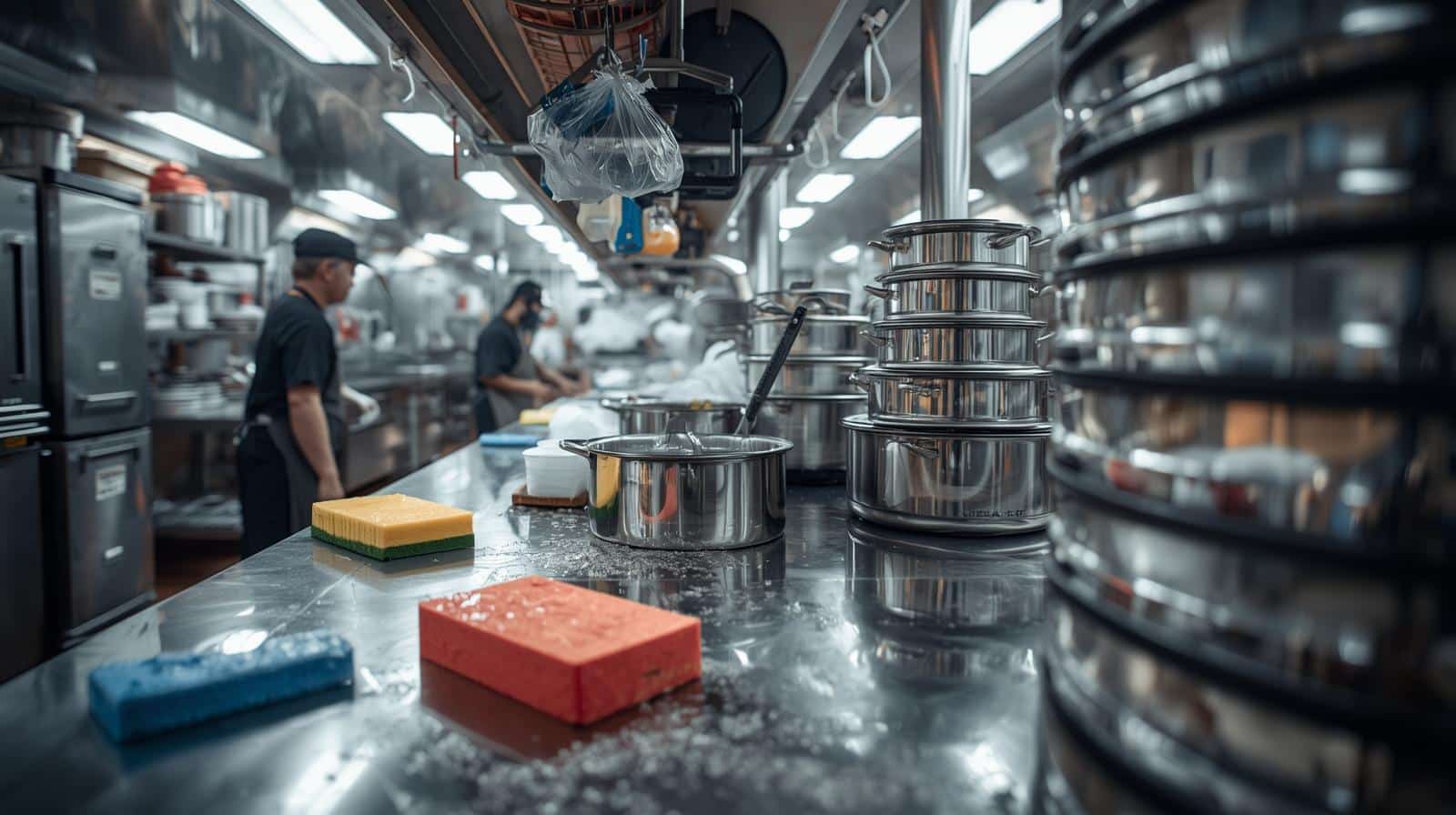
Cleaning pots in a commercial kitchen needs the right supplies. Proper tools make cleaning easier and faster.
Choosing good detergents, scrubbers, and protective gear is key for safe and effective cleaning.
Detergents And Degreasers
Detergents break down food residue and grease on pots. Degreasers remove tough oil and fat stains. Use products made for commercial kitchens.
- Choose detergents with strong grease-cutting power.
- Pick degreasers safe for your pot materials.
- Check if the product is approved for food contact surfaces.
- Use concentrated formulas to save money and reduce waste.
Scrubbers And Brushes
Scrubbers and brushes help remove stuck-on food and grime. Different tools fit different pot types and cleaning needs.
| Tool Type | Best For | Material |
| Soft sponge | Non-stick pots | Cellulose or foam |
| Steel wool | Stainless steel pots | Metal |
| Scrub brush | Heavy grease | Nylon bristles |
| Scouring pad | Burnt food | Abrasive fibers |
Protective Gear
Protective gear keeps staff safe from chemicals and hot water. Always wear the right gear during cleaning.
- Use rubber gloves to protect hands from detergents and heat.
- Wear aprons to keep clothes dry and clean.
- Use goggles if splashing of chemicals is likely.
- Choose non-slip shoes to prevent falls on wet floors.
Pre-cleaning Steps
Cleaning pots in a commercial kitchen starts with careful pre-cleaning. Proper techniques to Clean Pots in a Commercial Kitchen prepare them for thorough washing and help keep them in good condition.
Follow these steps to remove food and stains before washing. This saves time and improves cleaning results.
Soaking Pots
Soaking pots loosens stuck-on food and grease. Use warm water with a mild detergent. Let pots soak for at least 15 minutes to soften residue.
Removing Food Residue
After soaking, remove any leftover food bits. Scrape gently with a plastic or wooden tool to avoid scratching the pot surface.
- Use a scraper or spatula to remove residue
- Rinse pots with warm water
- Check for remaining food particles
- Repeat scraping if needed before washing
Handling Burnt Stains
| Method | Description | Tips |
|---|---|---|
| Boiling Water | Fill pot with water, boil to loosen burnt spots. | Do not overfill to avoid spills. |
| Baking Soda Paste | Mix baking soda with water, apply to stains. | Let sit 20 minutes before scrubbing. |
| Vinegar Soak | Soak pot in vinegar for 30 minutes. | Rinse well after soaking. |
Effective Cleaning Techniques
Keeping pots clean in a commercial kitchen is important for safety and food quality. Learning how to Clean Pots in a Commercial Kitchen properly stops bacteria from growing and keeps the kitchen running smoothly.
There are several ways to clean pots. Some methods use manual washing, while others use machines or steam. Each has its own benefits and steps.
Manual Washing Methods
Manual washing works well for pots that need extra care. It uses water, soap, and scrubbing to remove food and grease.
- Rinse the pot with warm water to remove loose food.
- Fill the sink with hot water and dish soap.
- Scrub the pot using a brush or sponge.
- Rinse thoroughly with clean water.
- Sanitize the pot using a food-safe sanitizer.
- Let the pot air dry or dry with a clean towel.
Using Commercial Dishwashers
Commercial dishwashers clean pots fast and use high temperatures to kill germs. They save time in busy kitchens.
| Step | Action |
| 1 | Scrape off large food pieces before washing. |
| 2 | Load pots into the dishwasher racks. |
| 3 | Choose the right cycle for heavy pots. |
| 4 | Start the machine and wait for the cycle to finish. |
| 5 | Check pots for cleanliness and dry if needed. |
Steam Cleaning Benefits
Steam cleaning uses hot steam to break down grease and food. It cleans without harsh chemicals and helps keep pots shiny.
- Steam removes tough stains and grease easily.
- It sanitizes pots by killing bacteria with heat.
- Steam cleaning is eco-friendly and uses less water.
- Pots dry quickly after steam cleaning.
Sanitizing And Drying
Cleaning pots in a commercial kitchen is very important. Proper sanitizing and drying help keep food safe.
Sanitizing removes germs and bacteria. Drying stops water spots and keeps pots ready to use.
Proper Sanitization Practices
Sanitize pots after washing to kill harmful germs. Proper steps to Clean Pots in a Commercial Kitchen include using approved sanitizing solutions made for kitchens.
Follow these steps to sanitize correctly:
- Wash pots with hot, soapy water to remove dirt.
- Rinse pots thoroughly to remove soap.
- Soak or spray pots with sanitizer solution.
- Let sanitizer stay on pots for the time the label says.
- Rinse again if the sanitizer requires it.
Air Drying Vs. Towel Drying
Drying pots well prevents bacteria growth. There are two main drying ways: air drying and towel drying.
Air drying is the safest choice. It lets pots dry without touching any cloth, which lowers germ risk.
- Place pots on clean racks to dry naturally.
- Make sure pots are upside down to drain water.
- Air drying takes longer but is more hygienic.
Towel drying is faster but can add germs if towels are not clean. Use only fresh, clean towels.
- Use single-use paper towels if possible.
- If using cloth towels, wash them often in hot water.
- Never use the same towel for pots and hands.
Maintaining Pot Condition
Cleaning pots in a commercial kitchen is important for keeping them in good shape. Learning how to Clean Pots in a Commercial Kitchen properly helps pots last longer and work better.
Following simple steps can avoid damage and keep pots clean and safe to use.
Avoiding Damage And Scratches
Use soft scrubbers to clean pots. Avoid steel wool or harsh brushes that can scratch the surface.
Be gentle when stacking pots. Scratches happen when metal rubs against metal.
- Use nylon or sponge scrubbers
- Do not use abrasive cleaners
- Stack pots with cloth or paper between them
- Handle pots carefully to avoid bumps
Regular Deep Cleaning
Deep cleaning removes stuck-on food and grease. It also helps prevent stains and odors.
Soak pots in warm, soapy water before scrubbing. Use baking soda for tough stains.
- Soak pots for 15-30 minutes
- Use mild detergent and warm water
- Apply baking soda paste on stains
- Rinse well and dry completely
Storage Tips
Store pots in a dry place to prevent rust and corrosion. Keep lids separate or upside down.
Use racks or shelves to avoid stacking too many pots. Good storage protects the pots and saves space.
- Dry pots fully before storing
- Use shelves or racks for storage
- Keep lids separate or upside down
- Place padding between stacked pots

Credit: www.industrykitchens.com.au
Time-saving Tips For Busy Kitchens
Cleaning pots in a commercial kitchen can take a lot of time. Busy kitchens need fast ways to keep pots clean and ready.
Using smart methods helps save time and keeps the kitchen running smoothly. Here are some tips to clean pots faster.
Batch Cleaning Strategies
Cleaning pots in batches saves time. Group pots by size or type to clean many at once. This reduces the time spent switching tasks.
- Scrape leftover food from all pots before washing.
- Soak similar pots together to loosen dirt.
- Use large sinks or tubs to wash many pots at once.
- Rinse all pots in one area to speed up the process.
- Dry pots in batches using racks or drying mats.
Using Multi-purpose Cleaners
Multi-purpose cleaners cut down the need for many products. They clean pots well and save time switching between cleaners.
| Cleaner Type | Use | Benefits |
| Degreaser | Removes grease and oil | Works fast on tough stains |
| Sanitizer | Kills germs and bacteria | Safe for food contact surfaces |
| All-in-One Cleaner | Cleans and sanitizes | Reduces cleaning steps |
Staff Training
Training staff helps keep cleaning efficient. Everyone should know the best ways to clean pots fast and well.
- Teach proper scraping and soaking methods.
- Show how to use multi-purpose cleaners safely.
- Set clear cleaning schedules to avoid delays.
- Encourage teamwork for batch washing.
- Review cleaning steps regularly for improvement.
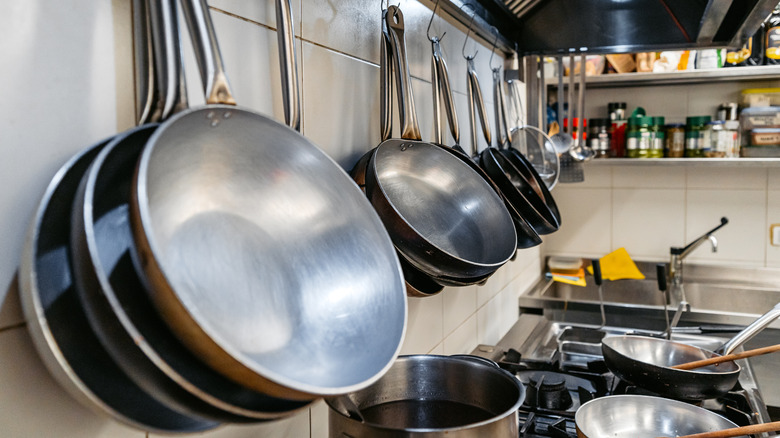
Credit: www.thetakeout.com
Frequently Asked Questions
How Do You Remove Burnt Food From Commercial Pots?
Soak the pot in hot water with dish soap for 30 minutes. Use a scrub brush or non-abrasive pad to remove burnt food. Avoid harsh abrasives to prevent damage. Rinse thoroughly and dry before storing.
What Cleaning Agents Are Best For Commercial Kitchen Pots?
Use commercial-grade degreasers or dishwashing detergents designed for stainless steel. Avoid bleach or acidic cleaners that can damage the pot's surface. Always follow manufacturer guidelines for safe and effective cleaning.
How Often Should Pots Be Cleaned In A Commercial Kitchen?
Clean pots immediately after each use to prevent buildup and contamination. Regular cleaning maintains hygiene and extends pot lifespan. Deep clean pots weekly for best results.
Can Commercial Kitchen Pots Be Sanitized After Cleaning?
Yes, sanitize pots using a food-safe sanitizer or hot water rinse above 180°F. This kills bacteria and ensures food safety. Follow sanitizer instructions carefully for proper use.
Conclusion
Cleaning pots in a commercial kitchen takes time and care. Use warm water and soap to remove food bits. Scrub gently with a brush or sponge to avoid scratches. Rinse pots well to get rid of soap. Dry them completely to stop rust and germs.
Keep your pots clean to make cooking safe and smooth. Regular cleaning helps your kitchen stay healthy and efficient. Simple steps bring big results. Clean pots mean better food and happy customers.