Choose Kitchen Pots And Pans carefully to make cooking easier and more enjoyable. Are you standing in the kitchen aisle, overwhelmed by the endless choices of pots and pans? You’re not alone.
Picking the right cookware can feel like navigating a maze, but it doesn’t have to be daunting. Whether you’re a budding chef or someone who just wants to whip up a quick meal, having the right kitchen tools makes all the difference.
Imagine cooking your favorite dishes with ease, with pots and pans that enhance flavors and simplify your culinary tasks. You’re about to discover the secrets to choosing the perfect kitchen companions that will revolutionize your cooking experience. Keep reading, because what you learn here will not only save you time and money but also elevate your cooking to new heights.

Credit: circulon.uk.com
Types Of Kitchen Pots And Pans
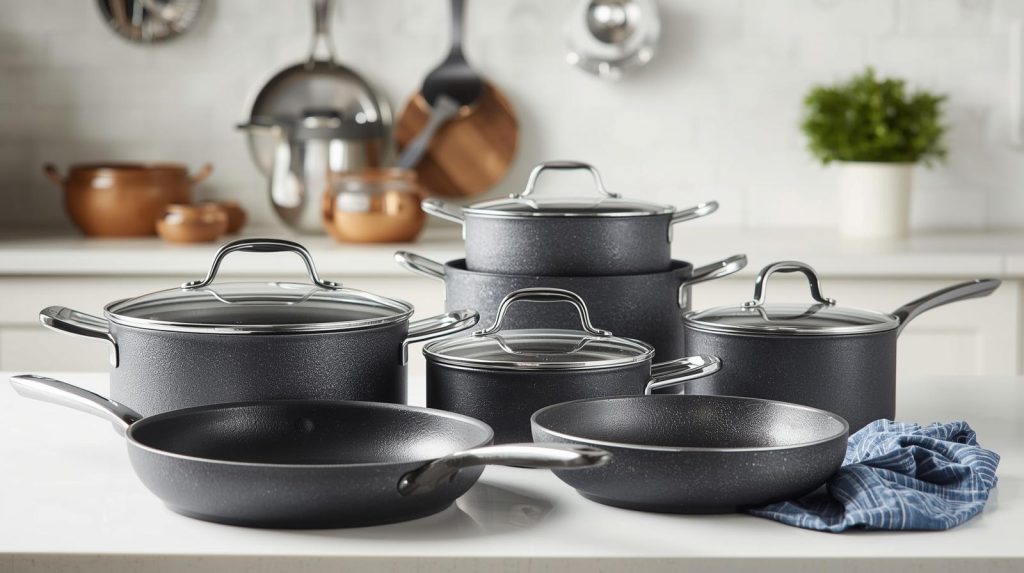
Choosing the right pots and pans makes cooking easier and more fun. Different types serve different purposes in the kitchen.
Knowing the types helps you pick the best tools for your meals. This guide explains the most common kitchen cookware.
Saucepans And Saucier Pans
Saucepans have tall sides and a lid. They are good for boiling, simmering, and making sauces.
Saucier pans have rounded bottoms. They make stirring and whisking easier without corners.
- Use saucepans for soups and pasta
- Saucier pans work well for risotto and sauces
- Both come in various sizes for different needs
Frying Pans And Skillets
Frying pans have flat bottoms and low sides. They cook food quickly with high heat.
Skillets are similar but often heavier. They keep heat well for even cooking.
- Use frying pans for eggs, pancakes, and stir-fry
- Skillets are good for searing meat and baking
- Non-stick or cast iron are popular choices
Stockpots And Dutch Ovens
Stockpots are tall and large. They hold lots of liquid for soups and stocks.
Dutch ovens are heavy pots with thick walls. They cook food slowly and evenly.
- Use stockpots for boiling pasta and making broth
- Dutch ovens work well for stews and braises
- Both can be used on stovetop and oven
Specialty Cookware
Specialty cookware includes items made for specific tasks. Examples are grill pans, woks, and crepe pans.
These pans help cook certain foods better or with unique flavors.
- Woks are ideal for stir-frying at high heat
- Grill pans add grill marks to food indoors
- Crepe pans have low edges for easy flipping
Materials And Their Benefits
Choosing the right pots and pans is important for cooking well. The material affects how heat spreads and how easy the pan is to use.
Different materials have different strengths. Knowing these can help you pick the best pots and pans for your kitchen.
Stainless Steel
Stainless steel pans are strong and last a long time. They do not rust or stain easily, so they look good for years.
They do not react with food, so they keep flavors pure. Stainless steel works well for browning and searing.
- Durable and resistant to scratches
- Non-reactive with acidic foods
- Easy to clean and dishwasher safe
Nonstick
Nonstick pans have a special coating that stops food from sticking. This makes cooking and cleaning easier.
They are good for cooking eggs, pancakes, and delicate foods. Use lower heat to protect the coating.
- Easy to clean with less oil needed
- Ideal for low-fat cooking
- Best for gentle cooking tasks
Cast Iron
Cast iron pans hold heat very well. They cook food evenly and keep it warm longer.
They can last a lifetime if cared for properly. Cast iron adds iron to food, which is healthy.
- Excellent heat retention
- Can be used on many heat sources
- Needs regular seasoning to stay nonstick
Copper
Copper pans heat up and cool down very fast. This helps you control cooking temperature precisely.
Copper looks shiny and beautiful in the kitchen. It usually has a stainless steel or tin lining to protect food.
- Superior heat conductivity
- Quick temperature adjustments
- Needs polishing to keep shine
Aluminum
Aluminum pans are lightweight and heat up quickly. They are often coated to avoid reactions with food.
They are affordable and work well for everyday cooking. Anodized aluminum is harder and more durable.
- Fast and even heating
- Lightweight and easy to handle
- Can be coated to prevent food contact
Choosing Based On Cooking Style
Choosing the right pots and pans depends on how you cook. Different styles need different cookware.
Think about what you cook most often. This helps pick pots and pans that fit your kitchen.
Everyday Cooking Needs
For daily meals, look for versatile cookware. They should work well for many recipes.
Nonstick pans are good for quick cooking and easy cleaning. Stainless steel is strong and lasts long.
- Nonstick pans for eggs and pancakes
- Stainless steel pots for soups and sauces
- Medium-sized skillet for frying and sautéing
High-heat Cooking
High-heat cooking needs pots and pans that handle strong heat without warping.
Cast iron and stainless steel are best. They keep heat steady and create good sears.
- Cast iron skillets hold heat very well
- Stainless steel pans resist warping
- Avoid nonstick for high heat to protect coating
Delicate Foods
Delicate foods need gentle cooking to avoid breaking or sticking.
Nonstick pans work best here. They cook evenly and clean easily without damage.
- Use nonstick pans for fish and eggs
- Choose lightweight pans for easy handling
- Cook on low to medium heat for best results
Slow Cooking And Braising
Slow cooking needs pots that keep heat steady for long times.
Dutch ovens and heavy pots work well. They help food cook slowly and stay moist.
- Dutch ovens hold heat and moisture
- Heavy pots prevent hot spots
- Choose lids that fit tightly to keep steam in
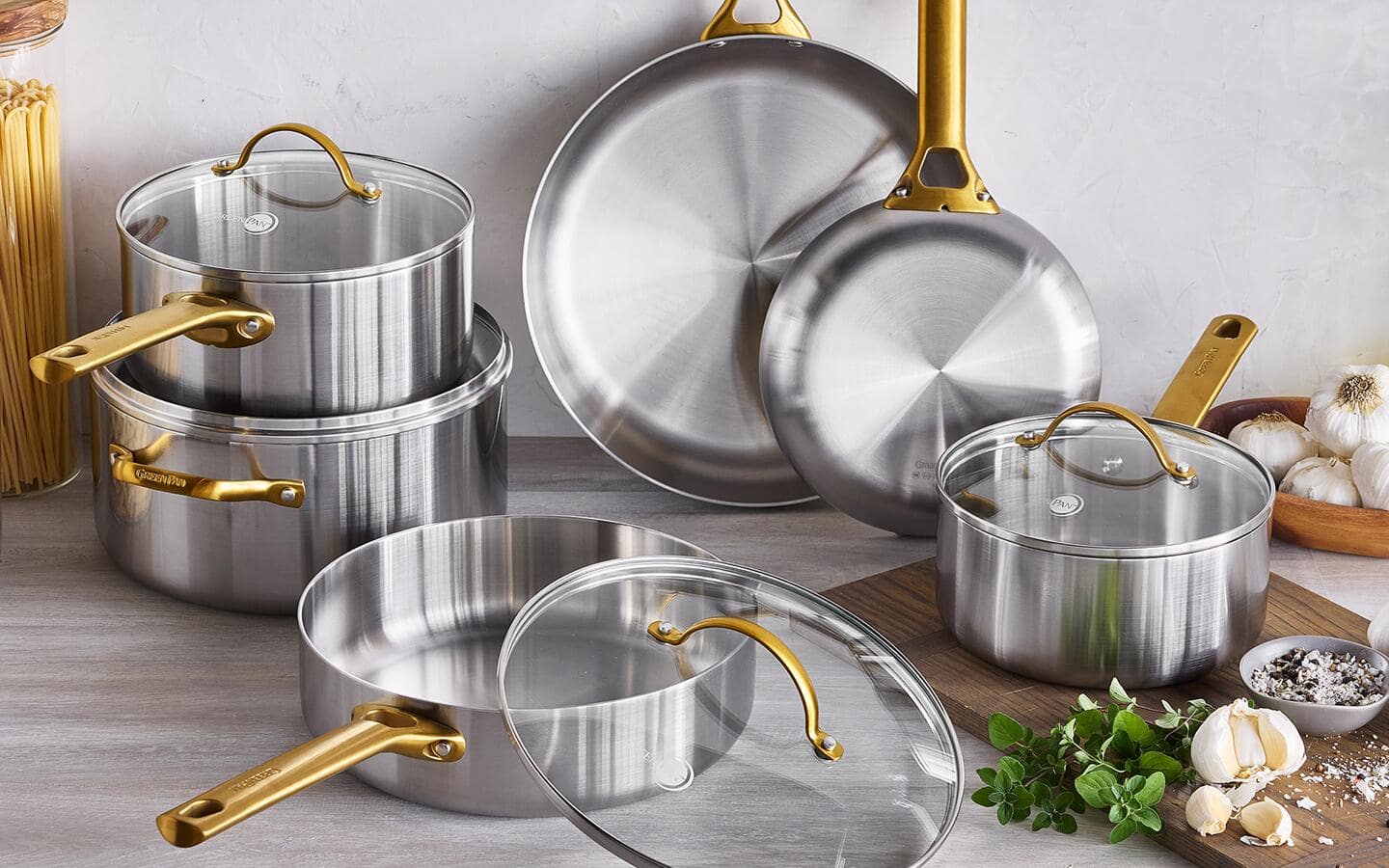
Credit: www.homedepot.com
Considerations For Cookware Size And Weight
Choosing the right size and weight for pots and pans helps in cooking and storage. It affects how comfortable you feel using the cookware.
Thinking about these factors can make your kitchen work easier and more enjoyable.
Balancing Size And Storage
Large pots hold more food but take up space. Small pots save space but cook less food at once.
- Check your kitchen storage before buying large cookware
- Choose stackable pots to save space
- Keep a mix of sizes for different cooking needs
- Think about how often you cook for many people
Weight And Handling
Heavy pots can be hard to lift and move. Light pots are easier but may heat unevenly.
| Cookware Type | Weight | Handling |
| Cast Iron | Heavy | Needs strength to lift |
| Aluminum | Light | Easy to handle |
| Stainless Steel | Medium | Balanced weight |
Matching Pots And Pans To Stove Size
Use pots that fit your stove burners. Small pots on large burners waste energy.
- Measure your burner size before buying cookware
- Use flat-bottom pots for even heat
- Match pot size to burner size for best cooking
Handles, Lids, And Other Features
Choosing the right pots and pans goes beyond the material of the cookware. The handles, lids, and special features also matter. These parts affect safety, comfort, and how well the cookware works.
Good handles and lids make cooking easier and safer. Other features like oven and dishwasher safety add value and convenience. Let’s look at these details to help you pick the best kitchen pots and pans.
Handle Materials And Comfort
Handles come in many materials like stainless steel, silicone, and plastic. Each has its benefits. Comfort and heat resistance are key points to check.
Stainless steel handles are strong and oven safe. Silicone grips feel soft and stay cool. Plastic handles may not be oven safe but are light.
- Look for handles that stay cool during cooking.
- Choose thick handles for a better grip.
- Check if the handle is firmly attached to the pot or pan.
- Consider if you need oven-safe handles for baking or roasting.
Lid Types And Benefits
Lids help keep heat and moisture inside the pot or pan. They come in glass, metal, or a mix. Each type offers different perks.
Glass lids let you see food without lifting the lid. Metal lids are durable and often fit better. Some lids have steam vents to control pressure.
- Glass lids show cooking progress clearly.
- Metal lids are strong and good for oven use.
- Vented lids reduce boiling over.
- Tight-fitting lids keep heat and moisture inside.
Oven-safe And Dishwasher-safe Options
Some pots and pans can go in the oven or dishwasher. These features add convenience and save time. Check product details for these options.
Oven-safe cookware lets you cook or keep food warm at higher temperatures. Dishwasher-safe pieces make cleaning quick and easy.
- Oven-safe pots and pans withstand high heat.
- Dishwasher-safe items resist damage from detergents.
- Handles and lids may affect oven or dishwasher use.
- Always follow manufacturer instructions for safety.
Budgeting For Quality Cookware
Choosing the right kitchen pots and pans needs a smart budget. Quality cookware can last many years and improve cooking results.
Planning your spending helps you get the best value for your money. Focus on what you really need and how long it will last.
Investing In Essential Pieces
Start by buying essential pots and pans. These are items you use every day. Investing in good quality here saves money later.
- Skillet or frying pan
- Saucepan with lid
- Stockpot for soups and stews
- Non-stick pan for easy cooking
- Cast iron pan for heat retention
Balancing Cost And Durability
Cookware price often links to its material and build. Choose pieces that last but fit your budget.
| Material | Cost | Durability |
| Aluminum | Low | Moderate |
| Stainless Steel | Medium | High |
| Copper | High | High |
| Cast Iron | Medium | Very High |
| Non-stick | Low to Medium | Moderate |
When To Choose Premium Brands
Premium brands often offer better warranties and materials. Choose them if you cook often or want long-term use.
- You cook multiple meals daily
- You want even heat and better cooking results
- You prefer cookware that lasts decades
- You need special features like induction compatibility
Maintaining And Caring For Your Cookware
Good cookware lasts longer with proper care. Keeping pots and pans clean helps them work well. Caring for your cookware protects your kitchen investment.
Different materials need different cleaning methods. Knowing these methods keeps your cookware in top shape. Follow simple steps to avoid damage and wear.
Cleaning Tips For Different Materials
| Material | Cleaning Method | Notes |
|---|---|---|
| Stainless Steel | Use warm soapy water and a soft sponge. | Avoid steel wool to prevent scratches. |
| Cast Iron | Hand wash without soap; dry completely. | Apply oil after cleaning to prevent rust. |
| Non-stick | Use mild soap and soft cloths. | Do not use abrasive cleaners or metal utensils. |
| Copper | Clean with a mixture of lemon juice and salt. | Polish regularly to keep shine. |
Preventing Damage And Wear
- Use the right heat setting to avoid warping.
- Avoid sudden temperature changes to prevent cracking.
- Use wooden or silicone utensils to protect surfaces.
- Do not stack cookware without protection to avoid scratches.
- Follow manufacturer instructions for care and use.
Storage Best Practices
Proper storage keeps cookware safe and ready to use. Store pots and pans in a dry place. Use organizers or racks to save space and protect surfaces.
- Place soft cloth or paper towels between stacked pans.
- Hang pots on hooks to avoid scratches.
- Keep lids separate or store them upside down.
- Ensure cookware is completely dry before storing.

Credit: www.procook.co.uk
Frequently Asked Questions
What Materials Are Best For Kitchen Pots And Pans?
Stainless steel and cast iron are durable and versatile choices. Non-stick pans suit low-fat cooking. Copper offers excellent heat control but requires maintenance.
How Do I Choose The Right Pan Size?
Select pans based on your typical meal size. Small pans suit single servings, while larger pans are ideal for family cooking. Consider storage space too.
Are Non-stick Pans Safe For Cooking?
Yes, non-stick pans are safe if used properly. Avoid overheating and using metal utensils to prevent coating damage and harmful fumes.
How Important Is Heat Conductivity In Cookware?
Heat conductivity ensures even cooking and prevents hot spots. Copper and aluminum have excellent conductivity, while stainless steel is less efficient but durable.
Conclusion
Choosing the right kitchen pots and pans makes cooking easier and more fun. Think about the materials, sizes, and types that fit your needs. Good cookware helps food cook evenly and saves time. Take care of your pots and pans to keep them working well longer.
With the right choices, your kitchen will feel more comfortable and ready for any meal. Cooking can become a joy, not a chore. Simple steps lead to better results every time.