
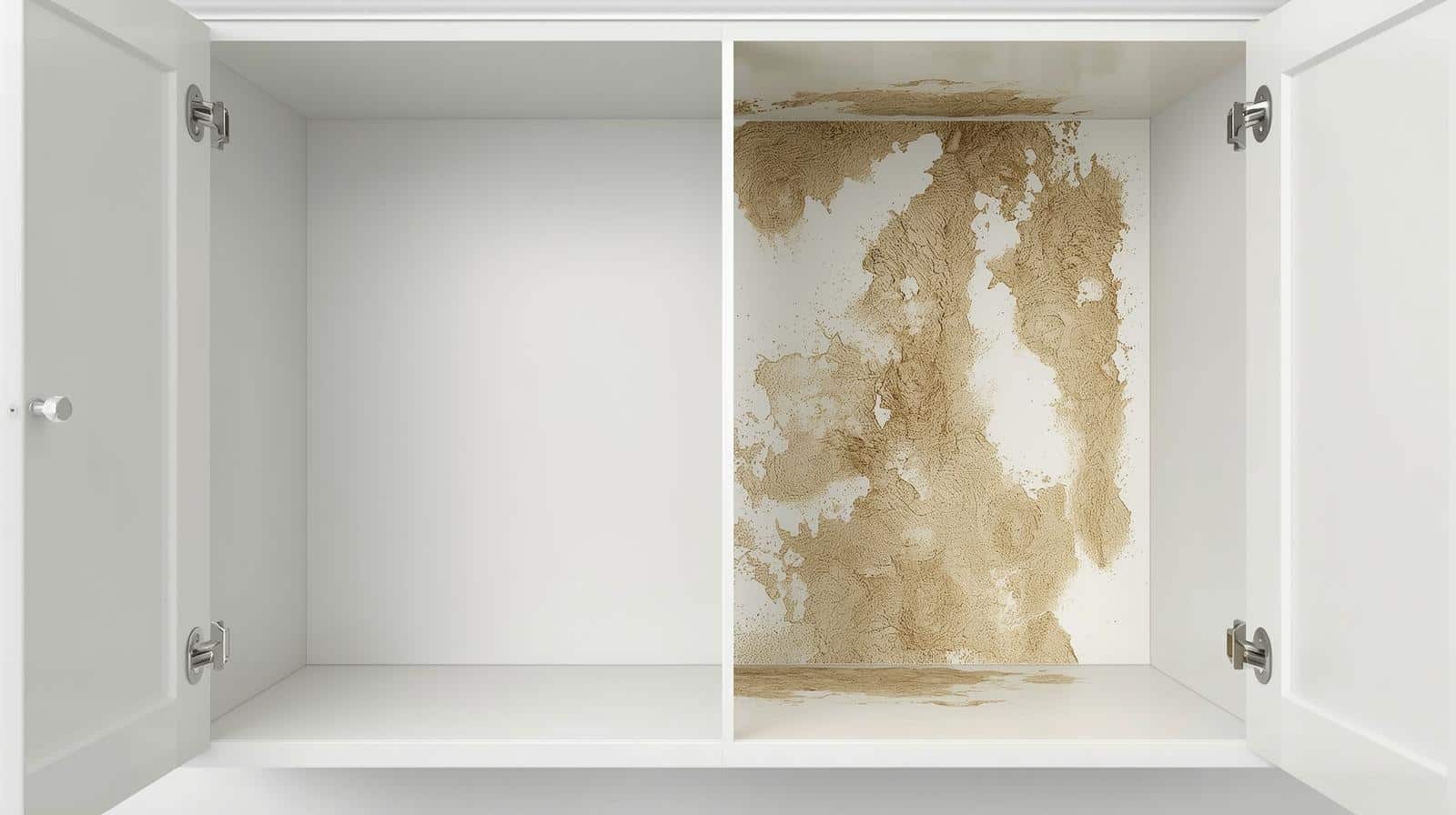
Are you tired of opening your kitchen cupboards only to be greeted by the unpleasant sight and smell of mould? You're not alone.
Mould in kitchen cupboards is a common problem that can quickly become a homeowner's nightmare. It not only looks and smells bad, but it can also pose health risks and damage your belongings. Learning How to Get Rid of Mould in Kitchen Cupboards is easier than you might think—and the right approach can help you eliminate it for good.
You'll discover simple, effective methods to banish mould from your cupboards for good. Keep reading to learn how you can transform your kitchen into a healthier, fresher space that you'll love spending time in.
Causes Of Mould In Kitchen Cupboards
Mould often grows in kitchen cupboards. It can damage wood and cause health issues.
Understanding why mould appears helps prevent it from coming back. Moisture and dirt play big roles.
Common Moisture Sources
Moisture is the main cause of mould in kitchen cupboards. Water leaks or spills add wetness inside cupboards.
Steam from cooking can also raise humidity. This makes cupboards damp and perfect for mould growth.
- Leaky pipes or taps under the sink
- Condensation from cooking steam
- Spilled water not cleaned up quickly
- High humidity in the kitchen
Poor Ventilation Issues
When kitchens do not have good airflow, moisture stays trapped. This creates a damp place for mould.
Without vents or windows, air cannot dry out cupboards properly. Stale air helps mould spores settle and grow.
- No exhaust fans or broken fans
- Closed windows during cooking
- Blocked air vents
- Small or windowless kitchens
Food Residue And Spills
Food crumbs and spills inside cupboards feed mould. Leftover sugar or grease helps mould to grow fast.
Not cleaning spills or crumbs quickly lets mould take hold. Dirty cupboards with old food remain moist longer.
- Sticky syrup or juice spills
- Crumbs from snacks or bread
- Oily spots from cooking ingredients
- Expired or rotting food stored inside
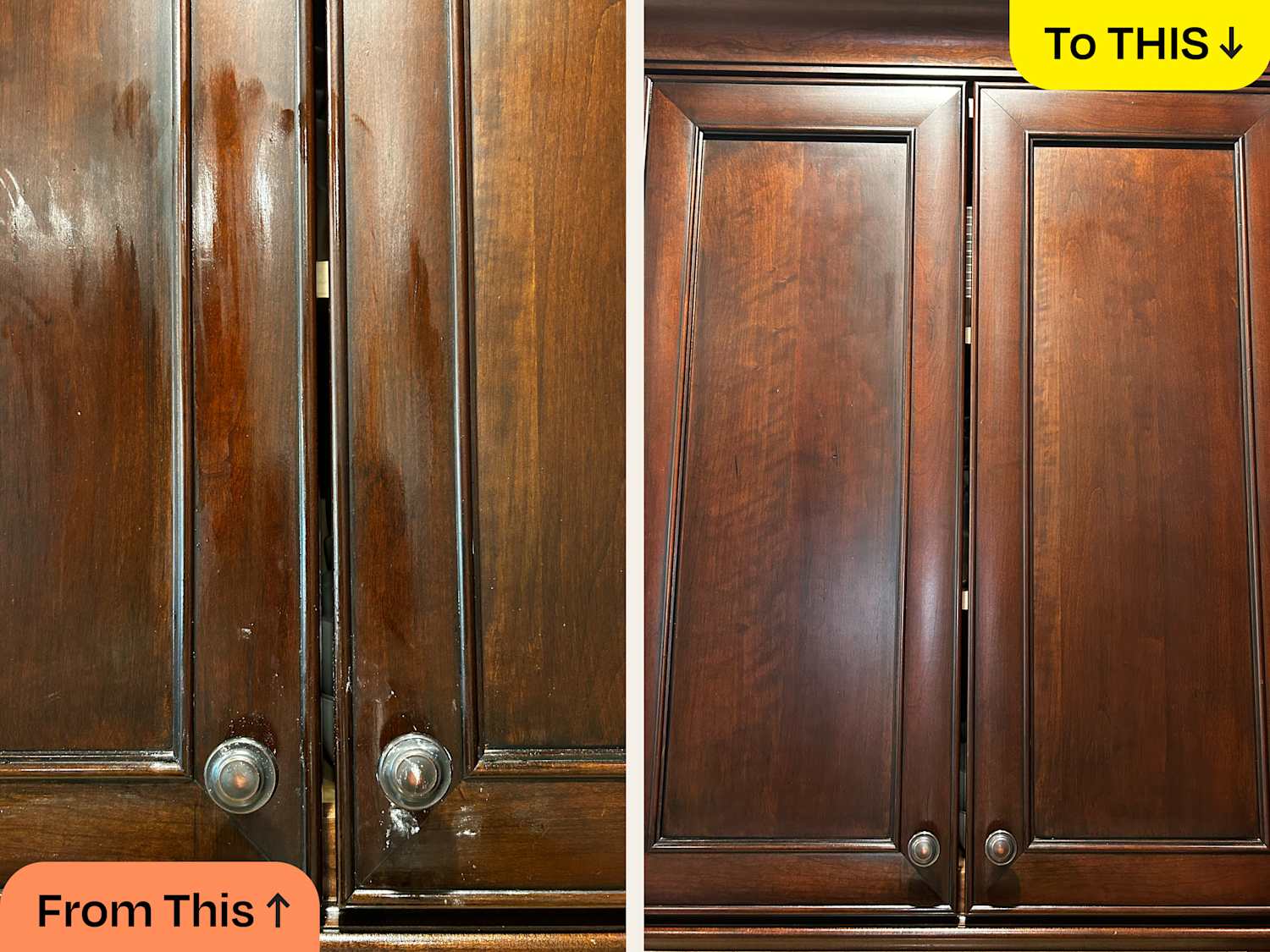
Credit: www.thekitchn.com
Signs Of Mould Growth
Mould can grow quietly in kitchen cupboards. It likes dark, damp places where air does not move.
Knowing the signs of mould helps you find it early. This stops damage and keeps your home safe.
Visible Spots And Stains
Mould often appears as dark spots or stains inside cupboards. These spots can be black, green, or white.
You might see fuzzy patches or slimy areas on wood or walls. Check corners and behind items carefully.
- Black or green dots on surfaces
- White or grey fuzzy patches
- Discolored or stained cupboard walls
- Peeling paint or warped wood
Musty Odors
A strong, musty smell is a common sign of mould. This smell comes from mould spores in the air.
If your kitchen cupboards smell damp or earthy, mould might be growing inside. It is best to check carefully.
- Strong damp smell inside cupboards
- Earthy or stale odor in the kitchen area
- Smell gets stronger when cupboards are opened
Health Symptoms
Mould can cause health problems, especially for sensitive people. Watch for allergy or breathing issues.
Symptoms may appear after spending time near mouldy cupboards. These signs help you spot hidden mould.
- Coughing or wheezing
- Runny or blocked nose
- Itchy or watery eyes
- Skin rashes or irritation
- Headaches or fatigue
Safety Precautions Before Cleaning
Cleaning mould in kitchen cupboards requires care to protect your health. Mould spores can cause allergies and breathing problems.
Taking safety steps before you start helps you clean safely and avoid harm.
Protective Gear To Wear
Wear the right protective gear to stop mould spores from reaching your skin, eyes, and lungs.
- Gloves: Use rubber or latex gloves to keep your hands safe.
- Mask: Wear an N95 mask to avoid breathing in mould spores.
- Goggles: Protect your eyes with tight-fitting goggles.
- Clothing: Wear long sleeves and pants you can wash right away.
Preparing The Area
Clear the cupboards and remove items nearby to avoid spreading mould. Open windows for fresh air.
| Task | Reason |
| Empty cupboards | Remove mould spores from items |
| Cover floor | Protect floor from cleaning agents and mould |
| Ventilate room | Reduce inhaling mould and fumes |
| Turn off HVAC | Stop mould spores from spreading through vents |
Safe Handling Of Cleaning Agents
Use cleaning agents carefully to avoid skin burns or breathing problems. Always read the label instructions.
- Keep cleaning chemicals away from children and pets.
- Never mix bleach with ammonia or other cleaners.
- Use cleaning agents in well-ventilated areas.
- Wear gloves and avoid skin contact.
- Store unused chemicals in a safe place after use.
Effective Cleaning Methods
Mould in kitchen cupboards can cause bad smells and damage. Cleaning it well stops mould from coming back. Use safe and strong methods to clean mould properly.
This guide shows natural ways, commercial cleaners, and deep cleaning steps to remove mould. Pick the method that fits your needs and supplies.
Natural Remedies For Mould Removal
Natural remedies use items you may already have at home. They are gentle and good for small mould spots. Always test on a small area first to avoid damage.
- Mix white vinegar and water in a spray bottle. Spray on mould and let it sit for one hour.
- Use baking soda paste made with water. Apply it to mould and scrub gently.
- Tea tree oil mixed with water can kill mould spores. Spray on affected areas and wipe after 30 minutes.
- Sunlight and fresh air help stop mould growth. Leave cupboards open to dry after cleaning.
Using Commercial Cleaners
Commercial mould cleaners work fast and kill mould deeply. Follow instructions carefully and use gloves. Keep the area well ventilated to avoid strong fumes.
| Cleaner Type | How to Use | Precautions |
| Bleach-based | Spray, wait 10 minutes, then wipe | Wear gloves, avoid mixing with ammonia |
| Anti-mould spray | Apply directly, scrub if needed | Use mask, keep room ventilated |
| Foam cleaner | Apply foam, let sit, then rinse | Protect eyes and skin |
Deep Cleaning Techniques
Deep cleaning helps remove mould hidden in corners and behind cupboards. It takes more time but stops mould for good. Use tools and cleaners for best results.
- Empty cupboards completely and remove shelves if possible.
- Vacuum inside cupboards to remove loose mould and dust.
- Use a scrub brush with soap and water to clean all surfaces.
- Apply a mould-killing solution and let it dry fully.
- Seal any cracks or leaks to prevent moisture buildup.
- Keep cupboards dry by using moisture absorbers or dehumidifiers.
Preventing Future Mould Growth
Mould in kitchen cupboards can cause damage and health problems. Stopping mould from coming back is very important. You can do this by improving air flow, controlling moisture, and keeping the cupboards clean.
These simple actions help keep your kitchen dry and fresh. Follow the tips below to protect your cupboards and home.
Improving Air Circulation
Good air flow helps stop mould spores from settling. Keep cupboard doors open sometimes to let air move inside. Use kitchen vents or fans to remove damp air after cooking.
- Open cupboard doors for a few minutes daily
- Use exhaust fans while cooking
- Keep windows open when weather allows
- Place small vents or grills in cupboards
Controlling Humidity Levels
High humidity creates a perfect place for mould. Keep your kitchen’s humidity below 60%. Use a dehumidifier if needed. Fix leaks and wipe spills quickly to avoid moisture build-up.
| Action | Why It Helps |
|---|---|
| Use a dehumidifier | Reduces moisture in the air |
| Fix water leaks | Stops water from entering cupboards |
| Dry wet surfaces quickly | Prevents mould growth on damp areas |
| Keep kitchen temperature stable | Limits condensation inside cupboards |
Regular Maintenance Tips
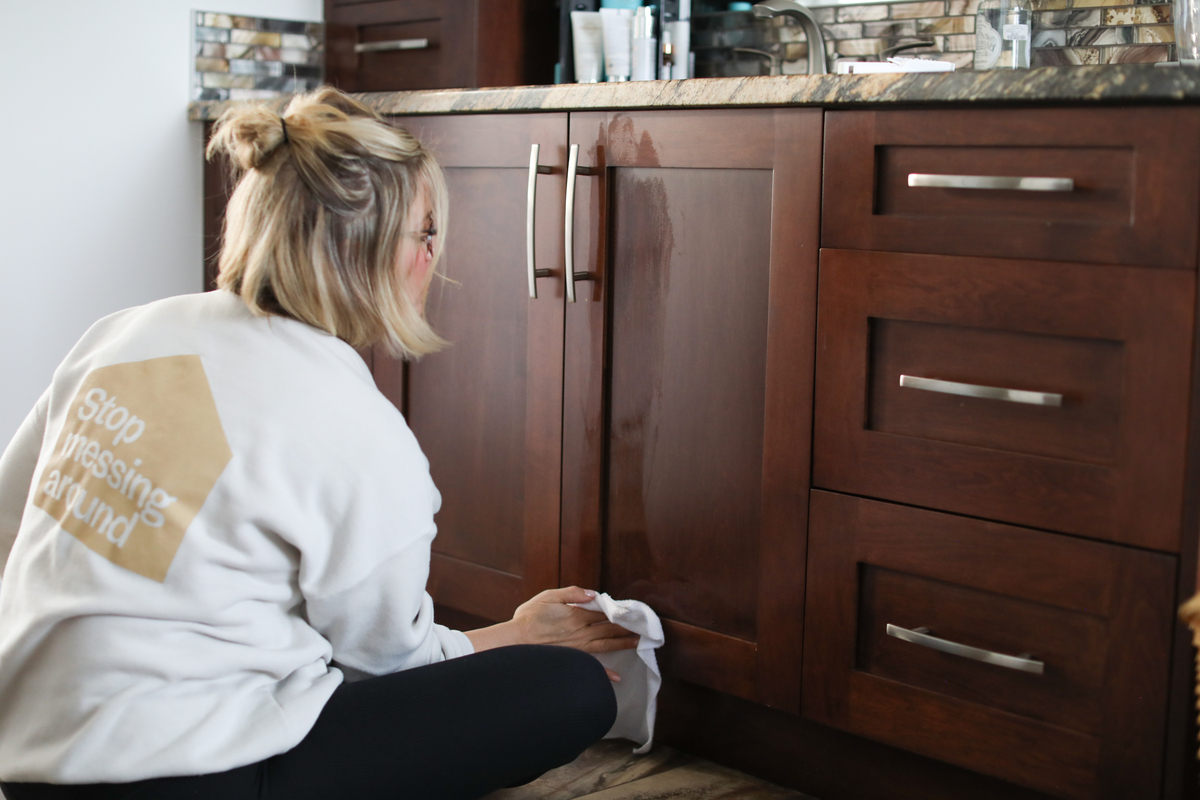
Cleaning and checking cupboards often stops mould from returning. Remove old food and clean shelves with vinegar or mould cleaner. Look for signs of mould and fix problems fast.
- Clean cupboards monthly with mild cleaner
- Check for leaks under sinks regularly
- Use moisture absorbers inside cupboards
- Keep kitchen clutter low to allow air flow
- Replace damaged cupboard materials quickly
Credit: www.housework.com
When To Call Professionals
Mould in kitchen cupboards can cause health risks and damage your home. Small patches can be cleaned at home.
Large or hidden mould problems need expert help. Knowing when to call professionals saves time and effort.
Signs Of Severe Infestation
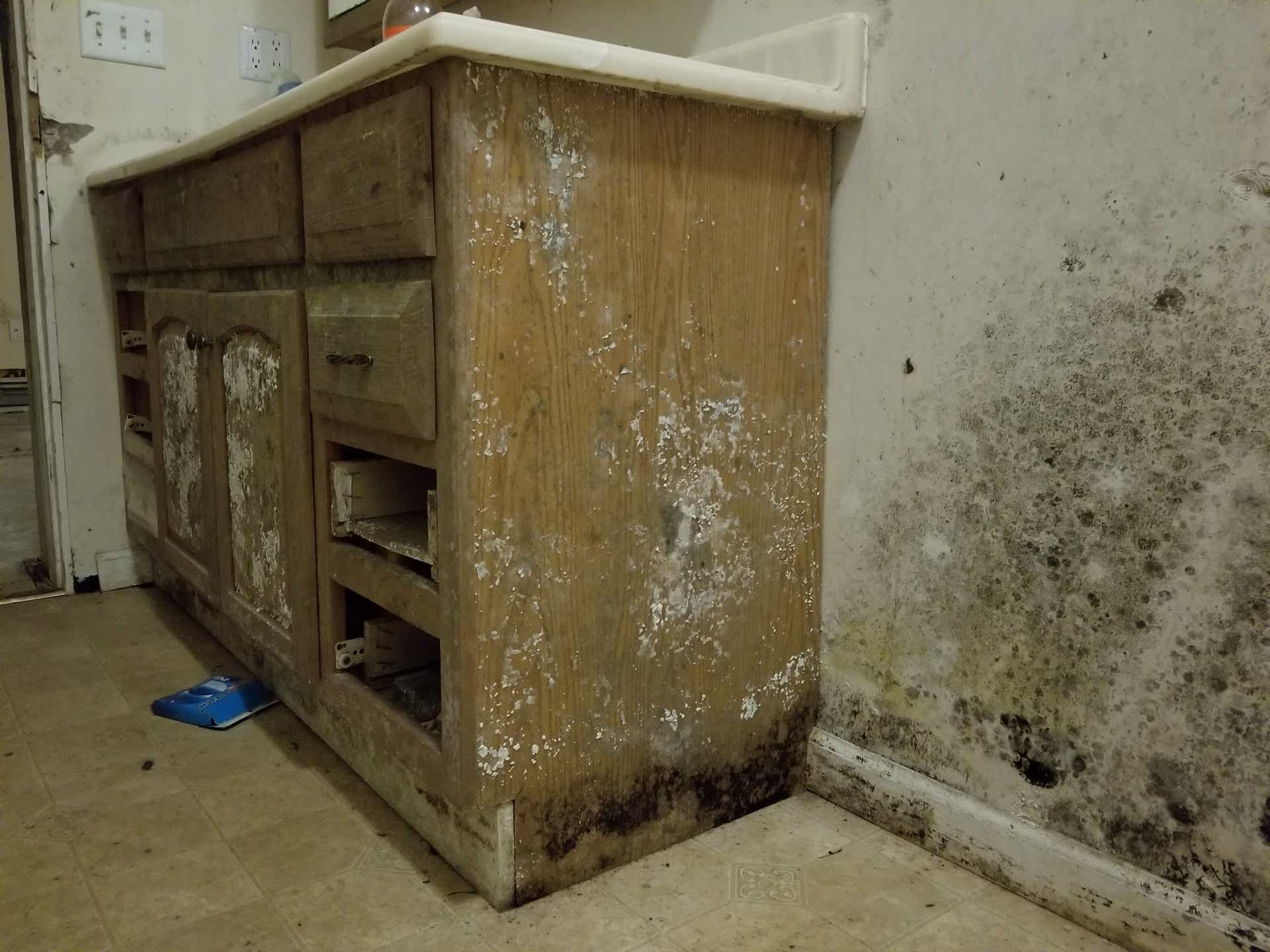
Some mould problems are too big to handle alone. Look for these signs to know if you need help.
- Widespread black or green patches inside cupboards
- Strong, musty smell that does not go away
- Visible mould returning after cleaning
- Water damage or leaks near cupboards
- Health issues like coughing or allergies worsen at home
Benefits Of Expert Help
Professionals use safe methods to remove mould completely. They stop mould from coming back quickly.
Experts check hidden areas and fix moisture problems. This protects your kitchen and health.
- Use special tools and products for deep cleaning
- Identify mould sources like leaks or dampness
- Prevent mould spread during removal
- Give advice on keeping cupboards dry
Choosing The Right Service
Pick a service with good reviews and experience in mould removal. Ask about their cleaning methods.
Make sure they inspect your whole kitchen and fix moisture issues. Compare prices before deciding.
- Check certifications and licences
- Read customer feedback
- Confirm they use eco-friendly products
- Ask if they offer a guarantee
- Request a written quote
Credit: www.servpro.com
Frequently Asked Questions
How Do I Identify Mould In Kitchen Cupboards?
Look for black, green, or white spots inside cupboards. Mould often smells musty and grows in damp, dark areas. Check corners and backs of shelves regularly.
What Natural Remedies Remove Kitchen Cupboard Mould?
White vinegar and baking soda effectively kill mould. Spray vinegar, let it sit, then scrub with baking soda paste. Rinse and dry thoroughly to prevent regrowth.
How Can I Prevent Mould In Kitchen Cupboards?
Keep cupboards dry by fixing leaks and improving ventilation. Use moisture absorbers and clean spills immediately. Regularly air out cupboards to reduce humidity.
Is Bleach Safe For Mould Removal In Cupboards?
Bleach can kill surface mould but may damage cupboard materials. Use it cautiously and ventilate the area well. Consider safer alternatives for porous surfaces.
Conclusion
Mould in kitchen cupboards can cause health problems and damage. Clean the area well and dry it completely to stop mould growth. Use natural or mild cleaning solutions to protect your cupboards. Keep your kitchen ventilated to reduce moisture build-up.
Regularly check cupboards to catch mould early. Taking these steps helps keep your kitchen safe and fresh. A clean kitchen means a healthier home for you and your family. Stay consistent with cleaning and moisture control to avoid mould return.
Simple habits make a big difference over time.


