Wood Fired Outdoor Kitchen Grill 2026 Best Setup Guide
Imagine hosting a summer barbecue where the aroma of sizzling steaks and roasted vegetables fills the air, drawing family and friends to gather around. With a wood fired outdoor kitchen grill, you can transform your backyard into the ultimate culinary haven.
This isn’t just about cooking; it’s about crafting memorable experiences. Picture yourself at the helm of a rustic grill, where the crackling wood fuels not only the fire but also the excitement of creating something extraordinary. You deserve to elevate your outdoor cooking game, and with this guide, you’ll discover how a wood fired grill can be the centerpiece of your outdoor kitchen.
Whether you’re a seasoned chef or a weekend warrior, the allure of smoky flavors and the charm of an open flame will captivate your senses. Ready to ignite your culinary passion? Let’s dive deeper into the world of wood fired outdoor kitchen grills and unleash the potential of your backyard oasis.
Benefits Of Wood Fired Grills
Wood fired outdoor kitchen grills give a unique cooking experience. They add flavor and style to outdoor meals.
These grills use natural wood, which changes how food tastes and cooks. Many people enjoy cooking with them.
Flavor Enhancements
Wood fired grills add smoky flavor to food. The wood smoke makes meat, vegetables, and bread taste rich.
Different types of wood create different flavors. You can use hickory, oak, or fruit woods for variety.
- Hickory gives strong, bold smoke taste
- Oak offers a medium, smoky flavor
- Fruit woods give sweet and mild notes
Heat Control And Distribution
Wood fires produce steady heat that cooks food evenly. You can move food to hotter or cooler spots.
Grill designs allow good air flow. This helps control the fire and heat for better cooking results.
- Adjust wood placement to change heat levels
- Use vents to control air and flame size
- Move food around to avoid burning
Eco-friendly Cooking
Wood fired grills use natural fuel from trees. They do not rely on gas or electricity, which saves energy.
Burning wood releases less carbon than some fuels. Using dry wood reduces smoke and pollution.
- Renewable wood fuel source
- No need for fossil fuels
- Lower carbon footprint with dry wood
Credit: www.seattletimes.com
Choosing The Right Wood
Picking the right wood is key for a wood fired outdoor kitchen grill. The wood affects the flavor and heat of your cooking.
Different woods burn differently and add unique tastes to your food. Knowing the types helps you cook better.
Hardwood Vs Softwood
Hardwood comes from trees that lose their leaves each year. Softwood comes from trees with needles, like pines.
Hardwoods burn longer and hotter than softwoods. Softwoods burn fast and can produce more smoke and sparks.
- Hardwoods are better for cooking because they give steady heat.
- Softwoods are not good for grilling due to resin and smoke.
- Hardwoods add nice flavors to grilled food.
Popular Wood Types For Grilling
Some woods are very popular for grilling because of their heat and flavor. These woods are safe and tasty.
- Oak: Burns slow and gives a mild smoky flavor.
- Hickory: Strong, sweet flavor, great for pork and beef.
- Maple: Mild and slightly sweet taste, good for chicken.
- Cherry: Adds a fruity and light smoky flavor.
- Apple: Sweet and mild, perfect for fish and poultry.
Avoiding Toxic Woods
Some woods are unsafe for cooking. They can release harmful chemicals or bad tastes.
Avoid woods like pine, cedar, and treated woods. These woods have resins or chemicals that are toxic.
- Pine: Contains resin that makes food taste bad and produces harmful smoke.
- Cedar: Releases strong oils that can be toxic when burned.
- Treated wood: Has chemicals that are unsafe for grilling.
- Driftwood: May contain salt and pollutants, avoid using it.
Designing Your Outdoor Kitchen
Building a wood fired outdoor kitchen grill adds charm to your backyard. Planning the design carefully helps you create a practical and fun cooking space.
Think about how you want to use the space. Focus on comfort and ease of cooking near the wood fired grill.
Layout Ideas
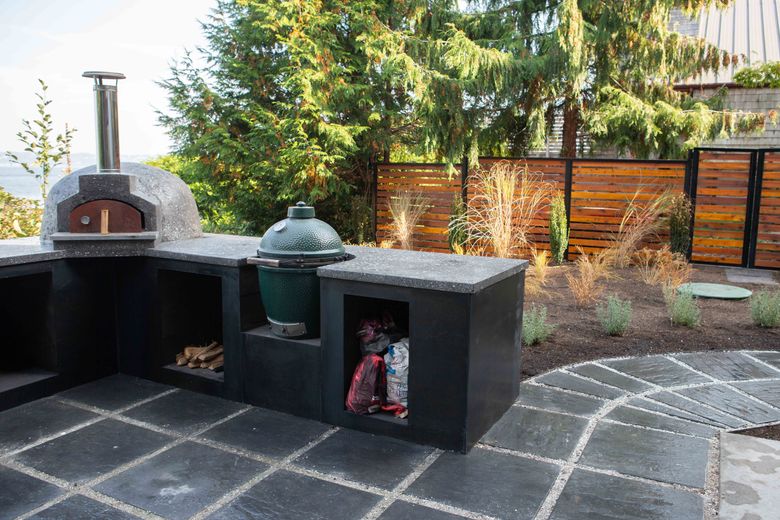
Arrange your outdoor kitchen to keep the grill, prep areas, and seating close. This makes cooking smooth and social.
Consider an L-shaped or U-shaped layout. These shapes save space and create zones for cooking and dining.
- Place the grill as the center point
- Keep prep counters on both sides
- Add a dining table nearby
- Include storage under counters
Essential Components
Your outdoor kitchen needs key parts for easy cooking. These include the wood fired grill, prep space, and storage.
Think about adding a sink for cleaning and a refrigerator to keep drinks cold. Lighting helps you cook after dark.
- Wood fired grill with good ventilation
- Counter space for food prep
- Storage cabinets or shelves
- Sink with running water
- Outdoor refrigerator
- Proper lighting
Weatherproofing Tips
Protect your outdoor kitchen from rain, wind, and sun. Use materials that last in all weather types.
Cover your grill and counters with weatherproof covers. Seal wood surfaces to stop water damage.
- Use stainless steel or stone materials
- Apply waterproof sealants on wood
- Install a roof or pergola for shelter
- Choose weather-resistant furniture
- Store utensils indoors when not used
Building The Wood Fired Grill
Building a wood fired grill takes planning and careful work. You create a cooking space that uses real wood for heat. This guide helps you build a strong, safe grill in your outdoor kitchen.
Follow these steps to gather materials, build the grill, and keep safety in mind. The process is simple if you use the right tools and know the basics.
Materials Needed
- Fire bricks for the grill base
- Heat-resistant mortar
- Steel grill grate
- Steel or cast iron door
- Concrete blocks or stone for the outer walls
- Metal chimney pipe
- Protective gloves and safety glasses
- Measuring tape and level
- Trowel and masonry tools
Step-by-step Construction
- Choose a flat, stable spot for your grill.
- Lay the fire bricks in a rectangle for the firebox base.
- Mix heat-resistant mortar and set bricks with it.
- Build the outer walls using concrete blocks or stone.
- Install the steel grill grate above the firebox.
- Fit a metal door to control air flow and fire size.
- Attach the chimney pipe on top to guide smoke away.
- Let the mortar dry fully before using the grill.
Safety Precautions
| Safety Tip | Reason |
|---|---|
| Wear gloves and safety glasses | Protect hands and eyes from heat and debris |
| Build grill away from flammable materials | Prevent accidental fires |
| Check chimney is clear | Ensure smoke escapes safely |
| Keep a fire extinguisher nearby | Handle emergencies quickly |
Always supervise the fire while cooking. Make sure kids and pets stay clear of the grill area.
Mastering Wood Fired Cooking Techniques
Cooking with a wood fired outdoor kitchen grill creates unique flavors. It uses natural wood smoke and heat for great taste.
Understanding how to start the fire, control temperature, and use heat types helps cook food perfectly. These skills improve your cooking experience.
Starting And Maintaining The Fire
Use dry wood and kindling to start your fire quickly. Arrange small pieces in a teepee shape to allow air flow.
Add larger logs once the fire grows. Keep the fire going by adding wood regularly and adjusting air vents for steady heat.
- Use dry hardwood for long-lasting heat
- Light kindling with matches or a lighter
- Keep airflow open to help the fire burn well
- Add wood slowly to avoid smoke
- Remove ashes to keep air flowing
Managing Cooking Temperatures
Control the grill temperature by moving wood and adjusting vents. Check the heat often to cook food evenly.
Use a grill thermometer or hand test to measure heat. Keep low, medium, or high heat based on the recipe.
- Low heat: 225°F to 275°F for slow cooking
- Medium heat: 300°F to 400°F for general grilling
- High heat: 450°F and above for searing
- Adjust wood and vents to raise or lower heat
- Watch for flare-ups and control flames
Direct Vs Indirect Heat
Direct heat cooks food quickly over the flames. Indirect heat cooks food slower away from the fire.
Use direct heat for steaks and burgers. Use indirect heat for larger items like roasts or whole chickens.
- Direct heat: Place food above hot coals or flames
- Indirect heat: Place food beside the fire, not over it
- Use a drip pan with indirect heat to catch drippings
- Rotate food for even cooking
- Combine both methods for best results
Credit: www.prestigehomefires.co.uk
Best Recipes For Wood Fired Bbq
Wood fired outdoor kitchen grills add a smoky flavor to your food. They cook food evenly and give a delicious char.
Try these simple recipes to enjoy tasty meals straight from your grill. These dishes work well for family dinners or parties.
Grilled Meats
Grilled meats taste great over wood fire. The smoke adds a rich flavor that you can’t get with other grills.
Popular meats include steaks, chicken, and ribs. Marinate them with herbs and spices before grilling.
- Steak with garlic and rosemary
- BBQ chicken with smoky paprika
- Pork ribs with brown sugar glaze
- Lamb chops with mint sauce
Vegetarian Options
Vegetables cook well on a wood fired grill. They soak up the smoky flavor and stay crisp.
Try grilling colorful veggies or plant-based patties for a healthy meal. Use olive oil and herbs for taste.
- Grilled bell peppers and zucchini
- Portobello mushroom burgers
- Smoky grilled corn on the cob
- Eggplant slices with garlic sauce
Smoked Delicacies
Smoking food on a wood fired grill adds deep flavor. Use wood chips to create smoke for slow cooking.
Try smoking fish, cheese, or nuts to enjoy unique tastes. Keep the temperature low for best results.
- Smoked salmon with lemon and dill
- Cheese smoked over hickory chips
- Almonds smoked with sea salt
- Slow smoked brisket with spices
Cleaning And Maintenance
Keeping your wood fired outdoor kitchen grill clean helps it work well. Regular care stops rust and damage. It also keeps food tasting good.
Simple cleaning and maintenance steps make your grill last longer. You will enjoy cooking outside for many years.
Ash Disposal
Remove ashes after every use to keep your grill safe. Ash buildup can block air flow and cause damage.
Let the ashes cool completely before handling them. Use a metal scoop or small shovel to take out the ashes.
- Wait at least 24 hours for ashes to cool
- Use a metal container to store ashes
- Never dispose of hot ashes in plastic or paper bags
- Empty ashes far from dry grass or wood structures
Grill Cleaning Tips
Clean the grill grates after each use to stop food from sticking. Use a wire brush or grill scraper for best results.
Wipe down the outside of the grill with a damp cloth. Avoid harsh chemicals that can damage the finish.
- Brush grates while grill is warm, not hot
- Use mild soap and water for metal parts
- Check for grease buildup under the grates
- Clean drip trays regularly to prevent fires
Extending Grill Lifespan
Cover your grill with a weatherproof cover when not in use. This protects it from rain, dust, and sun damage.
Inspect your grill for rust or loose parts every few months. Fix problems quickly to avoid bigger damage.
- Store grill in a dry place during winter
- Oil grill grates to prevent rust
- Tighten screws and bolts regularly
- Replace worn parts like grates or handles as needed
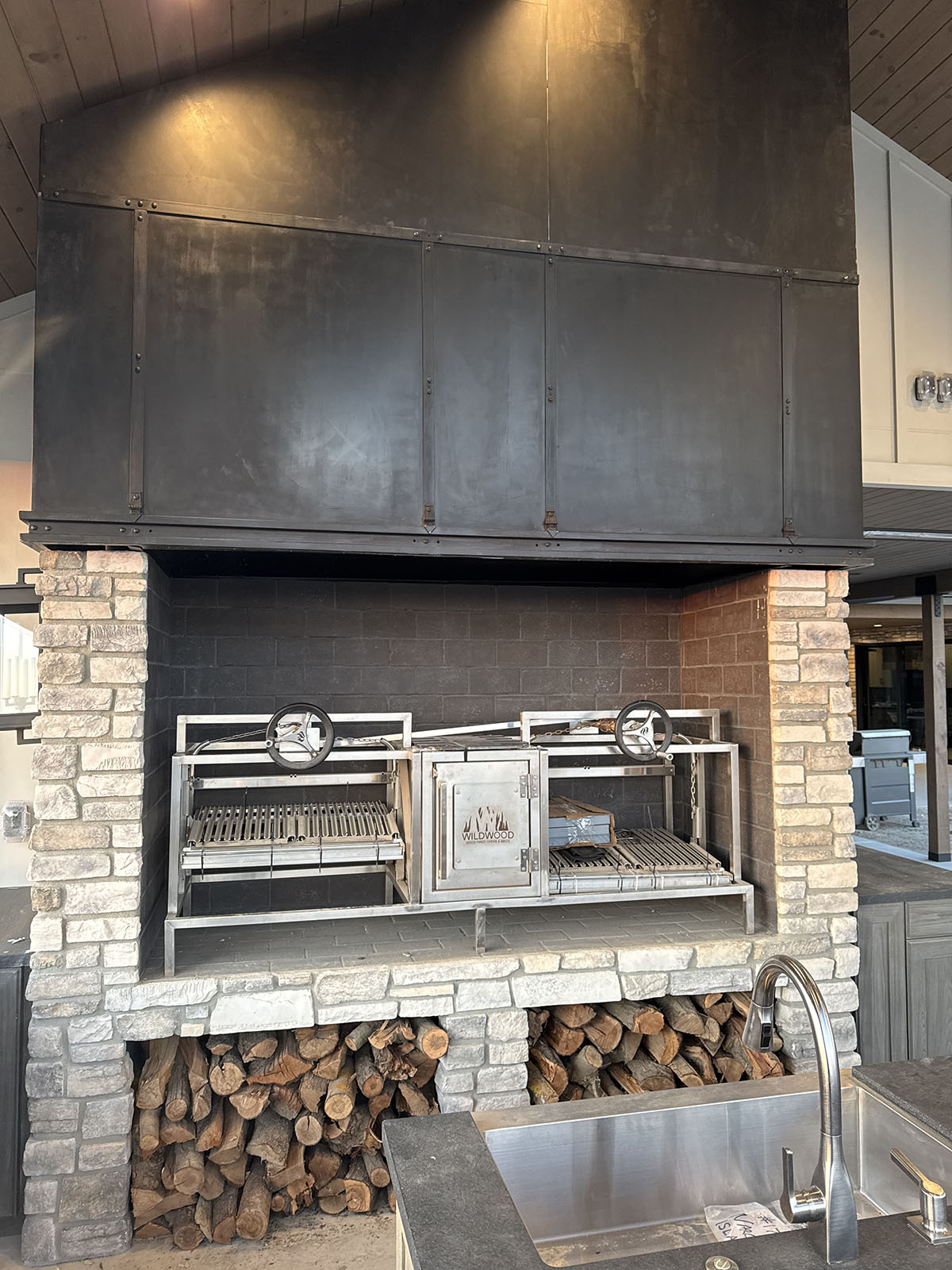
Credit: wildwoodovens.com
Troubleshooting Common Issues
Wood fired outdoor kitchen grills offer great flavor but can be tricky to use. Common problems like uneven heat, smoke, and fire starting can affect cooking. Fixing these issues helps cook food better and enjoy grilling more.
Below are simple tips to solve these common problems. Follow these easy steps to get the best from your wood fired grill.
Uneven Heat Problems
Uneven heat can burn some food and leave other parts uncooked. It happens when wood is not spread well or the grill design blocks heat flow.
- Arrange wood evenly for steady heat across the grill.
- Use a grill grate that allows air to circulate well.
- Move food around during cooking to avoid hot or cold spots.
- Keep the fire at a consistent size by adding small amounts of wood often.
- Clean ashes regularly to improve airflow under the fire.
Smoke Management
Too much smoke or poor smoke direction can make cooking unpleasant. Smoke affects flavor and can cause eye irritation.
| Cause | Fix |
| Wet wood | Use dry, seasoned wood only |
| Poor airflow | Open vents and clean ash buildup |
| Wind direction | Position grill away from the wind |
| Too much green wood | Remove fresh wood and replace with dry wood |
Fire Starting Challenges
Starting a fire in a wood fired grill can be tough if conditions are not right. Using the wrong materials or damp wood slows ignition.
Try this simple method to start your fire quickly:
- Place dry kindling in a small pile in the firebox.
- Arrange small pieces of dry wood above the kindling.
- Use natural fire starters like crumpled paper or dry leaves.
- Light the kindling from multiple points to spread the flame.
- Once the fire grows, add larger wood pieces gradually.
Frequently Asked Questions
What Are The Benefits Of A Wood Fired Outdoor Kitchen Grill?
A wood fired outdoor kitchen grill adds rich, smoky flavor to food. It offers high heat for better searing. It also creates an inviting ambiance and reduces reliance on gas or electricity, making cooking more natural and authentic.
How Do You Maintain A Wood Fired Outdoor Kitchen Grill?
Clean the grill grates after each use to prevent buildup. Remove ashes regularly to maintain airflow. Cover the grill when not in use to protect from weather. Season the grill periodically to prevent rust and prolong its life.
Can I Cook Different Foods On A Wood Fired Grill?
Yes, wood fired grills can cook a variety of foods. You can grill meats, vegetables, pizzas, and even bake bread. The adjustable heat zones allow for versatile cooking styles like direct grilling and slow smoking.
What Types Of Wood Are Best For Outdoor Kitchen Grills?
Hardwoods like oak, hickory, maple, and fruitwoods work best. They burn hotter and longer, producing excellent flavor without excessive smoke. Avoid softwoods, which can create unpleasant flavors and more creosote buildup.
Conclusion
A wood fired outdoor kitchen grill adds great flavor to meals. It brings family and friends together outside. Cooking with wood creates a unique, smoky taste. This grill type is simple to use and fun. It fits well in many backyard spaces.
Choose one that matches your style and needs. Enjoy fresh air while grilling your favorite dishes. Make outdoor cooking a special experience every time. A wood fired grill turns meals into memorable moments.