Have you ever stopped to think about who invented the kitchen blender? That simple appliance you use every day to make smoothies, sauces, and soups has an interesting story behind it.
Knowing the origin of the blender can change the way you see this handy tool in your kitchen. You’ll discover the fascinating history and the person who made your blending tasks so easy. Keep reading—you might be surprised by what you learn!
Early Kitchen Tools
Before electric blenders, people used simple tools to mix and prepare food. These tools helped cooks blend ingredients by hand.
Many early kitchen devices were made from wood, metal, or clay. They required physical effort to use and took more time.
Manual Mixing Devices
Manual mixing tools include spoons, whisks, and hand-cranked mixers. They helped stir, beat, and blend ingredients without electricity.
Wooden spoons were common and used for many kitchen tasks. Whisks made it easier to mix liquids and eggs.
- Spoons for stirring soups and batters
- Whisks for beating eggs and cream
- Hand-cranked egg beaters to mix faster
- Mortar and pestle to grind spices and herbs
Limitations Before Electric Blenders
Manual tools required a lot of time and effort. Mixing thick or large amounts of food was hard and slow.
Some mixtures never became smooth enough. It was tough to get consistent results without power tools.
- Physical strength limited how long mixing could last
- Uneven blending affected food texture
- Manual tools could not handle tough ingredients easily
- Preparing some recipes took much longer
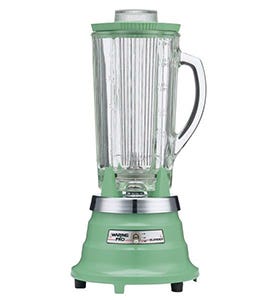
Credit: medium.com
The Birth Of The Blender
The kitchen blender is a common appliance in many homes today. It helps mix, chop, and blend food quickly.
The blender's story starts with an inventor who wanted to make drinks and food preparation easier.
Invention By Stephen Poplawski
Stephen Poplawski created the first blender in 1922. He wanted to improve drink making at soda fountains.
- He added a spinning blade at the bottom of a container.
- The motor powered the blade to crush ice and mix liquids.
- This design made it faster to prepare milkshakes and other drinks.
Initial Design And Features
The first blender had a simple design but useful features. It was easy to use and clean.
| Feature | Description |
| Blade | Sharp and fast spinning for blending |
| Container | Glass jar to hold ingredients |
| Motor | Electric motor under the jar |
| Control | Simple on/off switch |
Evolution Of Blender Technology
The kitchen blender is a common tool in many homes. It helps mix, chop, and blend food quickly. The technology behind blenders has changed a lot over time.
Early blenders were simple and not very powerful. Over years, inventors made many improvements. These changes made blenders easier to use and more effective.
Improvements By Fred Osius
Fred Osius played a key role in making blenders better. He worked with other inventors to improve the motor and blade design. His work helped blenders become faster and safer.
Osius added features like better seals to stop leaks. He also improved the shape of the blades. These changes helped blenders mix ingredients more smoothly.
- Stronger motor for better performance
- Improved blade design for smoother blends
- Seals to prevent leaks and spills
- Safer operation with better controls
Introduction Of The Osterizer Brand
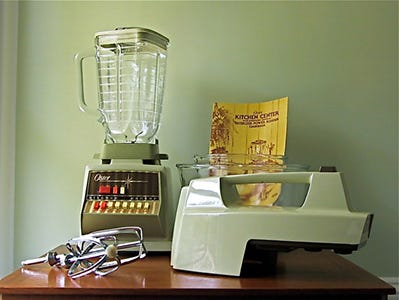
The Osterizer brand was one of the first to sell kitchen blenders widely. Oster, the company behind it, started making blenders in the 1940s. Their blenders became popular because they were strong and easy to use.
The Osterizer helped bring blenders into many homes. It offered different speeds and strong motors. This brand helped set the standard for future blender designs.
- Wide range of blender models
- Multiple speed settings
- Durable and long-lasting motors
- Easy to clean and operate
Blender’s Impact On Cooking
The kitchen blender was invented by Stephen Poplawski in 1922. It changed how people prepare food at home and in restaurants. The blender makes mixing and pureeing faster and easier.
This tool has helped cooks create new recipes and improve old ones. It saves time and effort in the kitchen. The blender blends ingredients smoothly and evenly.
Changes In Food Preparation
The blender changed food preparation by making it quicker to chop, mix, and blend. It replaced many hand tools and reduced manual work. Cooks can now create smooth textures and fine blends easily.
The blender can crush ice, puree vegetables, and mix liquids fast. This helps in making sauces, soups, and drinks without lumps or chunks.
- Speeds up chopping and mixing
- Creates smooth sauces and soups
- Makes purees and baby food
- Crushes ice for cold drinks
- Reduces manual effort in cooking
Popular Recipes Made Possible
The blender helped create many popular recipes that need smooth textures. Smoothies, milkshakes, and creamy soups became easier to make. Blenders also help in making salad dressings and dips.
It allows cooks to combine ingredients well and create new flavors. Many healthy drinks and quick meals rely on blenders today.
- Fruit smoothies and milkshakes
- Creamy soups like tomato or pumpkin
- Salad dressings and sauces
- Dips such as hummus or guacamole
- Nut butters and pureed baby food
Blender Innovations Today
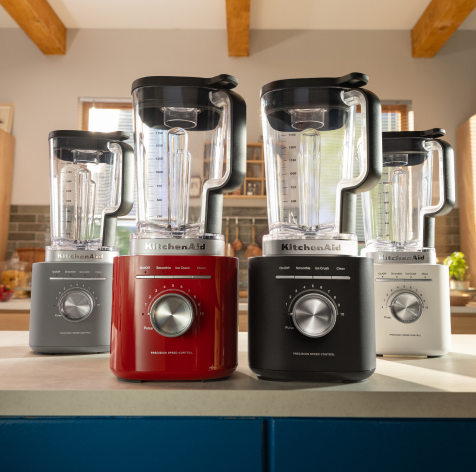
The kitchen blender has changed a lot since it was first invented. Today’s blenders are smarter and stronger. They help people prepare food faster and easier.
This article looks at two key areas of blender innovations: motor power and multifunctional features.
Advancements In Motor Power
Modern blenders have motors with more power than older models. This helps them blend tough ingredients like ice and nuts smoothly. Strong motors also reduce blending time.
| Motor Power | Common Wattage | Benefit |
| Low Power | 200-400 Watts | Good for soft fruits |
| Medium Power | 500-800 Watts | Blends most ingredients well |
| High Power | 1000-1500 Watts | Crushes ice and hard foods |
Smart And Multi-functional Blenders
Today’s blenders often do more than just mix. Many have smart controls and multiple settings. These features make cooking easier and more flexible.
- Preset programs for smoothies, soups, and sauces
- Touchscreen controls for easy operation
- Self-cleaning functions
- Built-in scales to measure ingredients
- Bluetooth or Wi-Fi connectivity for app control
Example Smart Blender Features
- Automatic speed adjustment
- Voice command compatibility
- Recipe guides on display
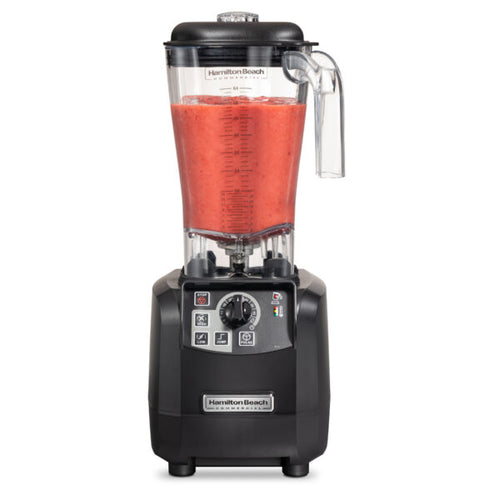
Credit: www.blendersonline.com.au
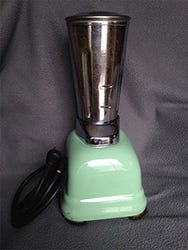
Credit: medium.com
Frequently Asked Questions
Who Invented The First Kitchen Blender?
Stephen Poplawski invented the first kitchen blender in 1922. He designed it to mix drinks efficiently in soda fountains.
When Was The Kitchen Blender First Patented?
The kitchen blender was first patented in 1922 by Stephen Poplawski. His design focused on blending beverages quickly.
How Did The Kitchen Blender Evolve Over Time?
Blenders evolved with improved motor power and blade design. Brands like Waring and Oster popularized household blenders in the 1930s and 1940s.
What Was The Original Purpose Of The Blender?
The blender was originally created to make soda fountain drinks and milkshakes faster. It later became a kitchen staple for various recipes.
Conclusion
The kitchen blender's invention changed how we prepare food today. Its creation made cooking and food preparation faster and easier. From smoothies to soups, the blender's versatility is unmatched. Knowing its history helps us appreciate this everyday tool more. The blender's journey reflects innovation and human creativity.
Whether blending fruits or making sauces, this tool remains essential in kitchens worldwide. Its impact is undeniable. As technology evolves, the blender continues to improve. Understanding its origins adds value to our daily culinary experiences. So, next time you use your blender, remember its rich history and the convenience it brings.