Where should dishes go in a kitchen? It’s a simple question, but the answer can change how smoothly your kitchen works every day.
Imagine reaching for your favorite plate without searching or knocking over a stack of bowls. When your dishes are organized just right, cooking and cleaning become easier, faster, and less frustrating. You’ll discover smart, practical ways to arrange your dishes so your kitchen feels more comfortable and efficient.
Ready to transform your space and save time? Let’s dive in.

Credit: www.countryliving.com
Choosing The Right Spot
Where you put your dishes in the kitchen makes daily tasks easier. Picking the right spot helps keep your kitchen neat and saves time.
Think about where you use dishes most. This helps decide the best storage place.
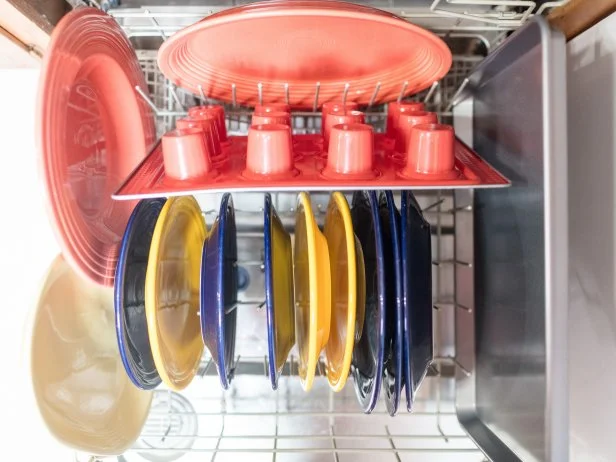
Near The Dishwasher
Store dishes close to the dishwasher to unload them quickly. This reduces extra steps in your kitchen routine.
Keep plates, bowls, and cups nearby to put them away right after washing.
- Place everyday dishes near the dishwasher
- Keep drying racks close if you air dry dishes
- Store dishwasher-safe items here for easy access
Close To The Sink
Keep dishes near the sink for quick rinsing and washing. This spot helps with cleaning and prepping dishes.
Store frequently used glasses and cups here for fast filling and rinsing.
- Place glasses and cups near the sink
- Keep dish soap and scrubbers nearby
- Use hooks or shelves to save counter space
Within Reach Of The Cooking Area
Store dishes near where you cook for easy serving. Keep plates and bowls close to the stove or oven.
This saves time when plating food and helps keep the kitchen organized.
- Keep plates and bowls near the stove
- Store serving dishes within arm’s reach
- Use open shelves or cabinets close to cooking zones
Credit: www.foodnetwork.com
Organizing By Dish Type
Keeping dishes organized makes kitchen work easier and faster. If you’re wondering Where Should Dishes Go in a Kitchen, sorting by dish type helps you find items quickly.
This method groups plates, bowls, glasses, and serving dishes in separate places. It saves space and reduces clutter.
Plates And Bowls
Store plates and bowls near your dishwasher or sink. Place larger plates at the bottom and smaller ones on top.
- Keep dinner plates in one stack
- Put salad or dessert plates in another stack
- Stack bowls by size and type
- Use cabinet dividers to keep stacks neat
Glasses And Cups
Arrange glasses and cups in a way that prevents damage. Store everyday items within easy reach.
| Dish Type | Storage Tip |
| Drinking Glasses | Place upside down on shelves |
| Coffee Mugs | Hang on hooks or stack carefully |
| Wine Glasses | Store in a separate rack or cabinet |
Serving Platters And Specialty Dishes
Serving platters and specialty dishes need more space because of their size and shape. Keep them in less used cabinets.
Use these tips to organize serving dishes:
- Place large platters upright to save space
- Stack similar specialty dishes carefully
- Store seasonal or rarely used items higher up
- Use shelf risers for better visibility
Maximizing Cabinet Space
Organizing dishes well saves space and keeps your kitchen tidy. If you’re wondering Where Should Dishes Go in a Kitchen, good storage ideas help you fit more dishes in your cabinets.
Simple tools and smart stacking can make your cabinets work harder for you. Use these tips to get the most out of your kitchen space.
Using Shelf Risers
Shelf risers add extra layers inside cabinets. They create more space by stacking dishes higher without crowding.
- Place risers on existing shelves to hold plates or bowls.
- Use clear or light colors to keep the space looking open.
- Choose risers that fit your cabinet size for stability.
- Stack cups and glasses on top safely using risers.
Stacking Techniques
Stack dishes carefully to avoid damage and save space. Sort items by size and shape before stacking.
- Place large plates at the bottom of stacks.
- Stack bowls inside each other to reduce height.
- Keep fragile items on top or separate shelves.
- Use small plates to fill gaps between larger stacks.
- Group similar items to find them faster.
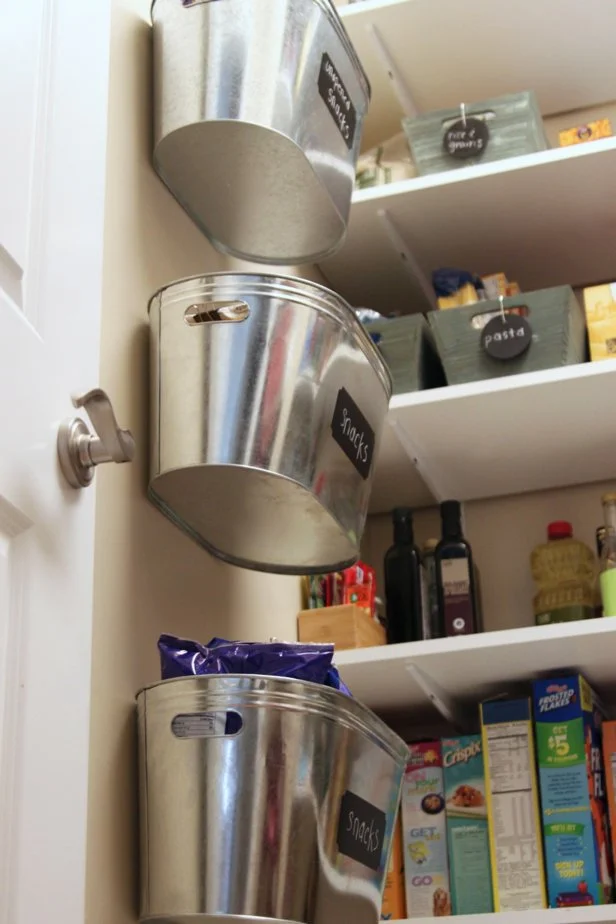
Incorporating Pull-out Drawers
Pull-out drawers make reaching dishes easier. They allow you to use deep cabinets fully and keep items visible.
| Drawer Type | Best For | Benefit |
| Full-extension | All dishes | Easy access to back items |
| Divided drawers | Plates and lids | Organized and separated storage |
| Adjustable height | Bowls and cups | Fits different sizes |
| Soft-close | Fragile items | Protects from damage |
Credit: www.hgtv.com
Utilizing Drawers Effectively
Drawers help keep your kitchen neat and easy to use. If you’re wondering Where Should Dishes Go in a Kitchen, using drawers well saves space and makes cooking faster.
Organizing kitchen items in drawers means you can find things quickly. It also protects dishes from damage.
Flatware And Utensils
Drawers are perfect for storing flatware and utensils. Keep forks, knives, and spoons in one place.
Place utensils near the cooking area for easy access while preparing food. This saves time and effort.
- Use shallow drawers for flatware
- Sort utensils by type
- Keep frequently used items at the front
Small Dishware Storage
Small plates, bowls, and cups fit well in drawers. This keeps counters clear and dishes safe.
Stack small dishware neatly to save room. Use separate drawers for different types of dishes.
- Store dessert plates in one drawer
- Keep small bowls stacked and stable
- Place cups upside down to prevent dust
Dividers And Organizers
Dividers help keep drawers tidy and prevent items from mixing. They make it easier to find what you need.
Use organizers to separate flatware, utensils, and small dishes. This keeps everything in its place.
- Use adjustable dividers for custom fits
- Choose organizers made from easy-to-clean materials
- Label sections to keep order
Open Shelving Ideas
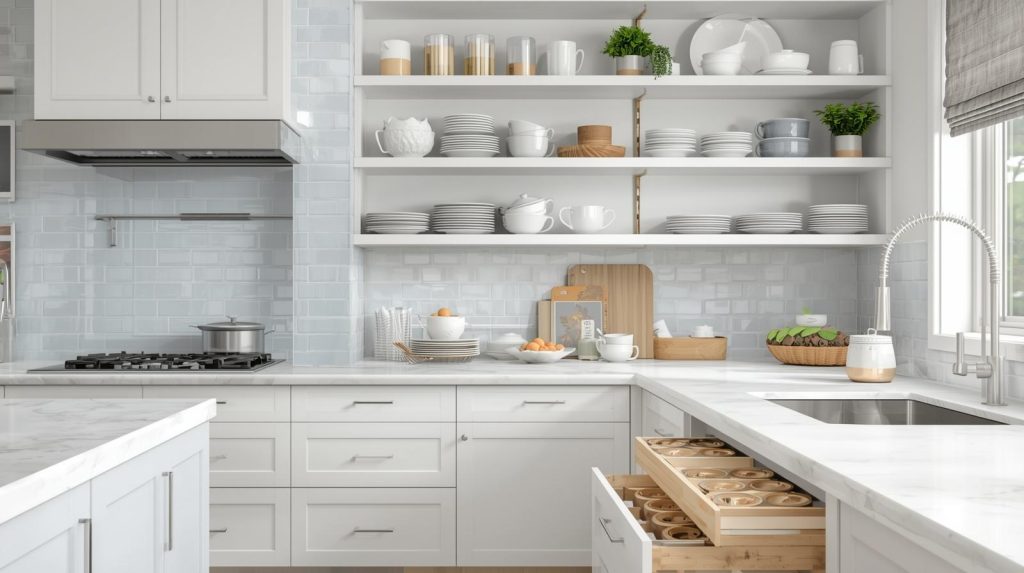
Open shelves are a popular way to store dishes in kitchens. If you’re wondering Where Should Dishes Go in a Kitchen, open shelves make dishes easy to reach and add charm to the space.
Choosing the right dishes and arranging them well helps keep the kitchen neat and stylish.
Displaying Everyday Dishes
Keep dishes you use daily on lower shelves for easy access. Plates, bowls, and cups should be grouped by type.
Use matching or simple dish sets to create a tidy look. Stack plates and bowls neatly to save space.
- Place plates in stacks of 5–7
- Arrange cups with handles facing the same way
- Keep bowls stacked inside each other
Balancing Function And Style
Open shelves should look good and be practical. Mix dishes with decorative items for a balanced look.
Use baskets or containers on shelves to hold smaller items. This keeps the space organized and stylish.
- Combine white dishes with wooden shelves
- Add plants or cookbooks for decoration
- Use clear containers for easy spotting
Maintaining Cleanliness
Open shelves need regular cleaning to avoid dust buildup on dishes. Wash dishes before placing them back.
Wipe shelves weekly with a damp cloth. Use shelf liners to protect surfaces and make cleaning easier.
- Keep shelves away from stove steam
- Use liners that are easy to remove
- Store dishes dry to prevent mold
Tips For Small Kitchens
Small kitchens need smart ideas to save space. Organizing dishes can be hard in tight areas.
Using clever storage helps keep dishes neat and easy to reach. This makes cooking more fun.
Vertical Storage Solutions
Use wall shelves or tall cabinets to store dishes up high. This frees up counter space below.
Hooks and racks on the walls can hold plates and cups. Vertical storage keeps things off the counters.
- Install floating shelves above the sink or stove
- Hang mugs on hooks under cabinets
- Use tall cabinets with adjustable shelves
- Stack plates vertically in dish holders
Multi-purpose Furniture
Choose furniture that stores dishes and other kitchen items. Tables or carts with shelves work well.
Multi-purpose furniture saves space by combining storage and workspace. You can keep dishes close while cooking.
- Use a kitchen island with built-in shelves
- Pick a dining table with storage underneath
- Roll carts can hold plates and move easily
- Benches with hidden storage keep dishes out of sight
Compact Dish Racks
Small dish racks save space and keep dishes dry. Look for racks that fit your sink or counter size.
Compact racks can hold many dishes without taking much room. Some fold away when not in use.
- Choose dish racks that fit over the sink
- Use foldable or stackable racks
- Look for racks with drain trays to avoid spills
- Small racks with multiple tiers hold more dishes
Maintaining Dish Organization
Keeping dishes organized in your kitchen makes cooking and cleaning easier. If you’re wondering Where Should Dishes Go in a Kitchen, a well-organized space saves time and reduces stress.
Simple habits and regular checks help maintain order. Let’s explore ways to keep your dishes in place all year round.
Regular Decluttering
Remove dishes you no longer use to free up space. Decluttering helps keep your kitchen tidy and prevents overcrowding.
- Sort dishes by type and size
- Donate or recycle broken or extra items
- Keep only what you use daily or weekly
- Clean shelves and storage areas regularly
Establishing Daily Habits
Daily routines help keep dishes in the right place. Simple actions avoid mess and confusion during busy days.
- Wash dishes right after use
- Dry and put dishes back in their spots
- Wipe surfaces to keep areas clean
- Check for misplaced items before bed
Seasonal Adjustments
Change your dish storage based on the season. Different times of year may require different dishes or setups.
| Season | Dish Storage Tips |
| Spring | Store picnic plates and outdoor cups nearby |
| Summer | Keep lightweight and colorful dishes accessible |
| Fall | Use warm-toned dishes and clear out summer items |
| Winter | Store extra mugs and soup bowls in easy reach |
Frequently Asked Questions
Where Should Dishes Be Stored In The Kitchen?
Dishes should be stored near the dishwasher or sink. This placement allows easy unloading and quick access during meal prep. Storing dishes in upper cabinets keeps them safe and organized. It saves counter space and makes your kitchen efficient.
How High Should Dish Cabinets Be Placed?
Dish cabinets should be placed at a comfortable height, about 48-54 inches from the floor. This height allows easy reach without strain. Ensure the cabinets are accessible for all household members. Proper height improves kitchen workflow and safety.
Should Dishes Be Stored Above Or Below The Countertop?
Storing dishes above the countertop in cabinets is ideal for quick access. It keeps dishes clean and protected from pets or children. Lower cabinets are better for heavy pots or bulky items. Choose storage based on convenience and kitchen layout.
Is It Better To Store Dishes Close To The Dining Area?
Yes, storing dishes near the dining area speeds up serving and clearing. It reduces walking time and makes mealtime smoother. If space allows, consider a buffet or sideboard for extra dish storage near dining spaces.
Conclusion
Organizing dishes wisely makes kitchen tasks easier. If you’re wondering Where Should Dishes Go in a Kitchen, store everyday plates within easy reach. Place rarely used dishes on higher shelves. Keep glasses near the sink or fridge. This saves time during busy days. Stack bowls and mugs to save space.
Remember, a tidy kitchen helps you cook better. Consider your cooking habits when arranging. Adjust as needed for comfort and efficiency. Happy cooking in your well-organized kitchen!