Are you tired of wondering about the quality of the water flowing from your kitchen faucet? You’re not alone.
Many people are becoming increasingly concerned about the impurities lurking in their tap water. But here’s the good news: there’s a solution that’s easy, affordable, and effective—a kitchen faucet water filter. Imagine turning on your tap and knowing that the water you’re about to drink or cook with is clean and safe.
Choosing the right water filter can transform your kitchen experience and ensure the health of your loved ones. But with so many options available, how do you decide which is the best for you? Dive into this guide to discover what makes a kitchen faucet water filter stand out and find the perfect match for your needs. Your kitchen’s transformation starts here.
Credit: www.consumerreports.org
Benefits Of Kitchen Faucet Water Filters
Kitchen faucet water filters improve the quality of tap water. They help remove impurities and make water safer to drink. Many homes use them to enjoy better tasting water every day.
These filters offer several benefits. They help with taste, health, and saving money. Understanding these benefits can help you decide if a faucet water filter is right for your kitchen.
Improved Water Taste And Odor
Faucet water filters remove chlorine and other chemicals that cause bad taste and smell. This makes your water taste fresh and clean. Filtered water is better for drinking and cooking.
- Removes chlorine taste
- Reduces odors from tap water
- Improves flavor of coffee and tea
- Enhances taste of cooked food
Health Advantages
Water filters reduce harmful substances like lead, bacteria, and pesticides. Drinking filtered water lowers the risk of illness. It supports better hydration and overall health for your family.
| Contaminant | Filtered Out |
| Lead | Yes |
| Bacteria | Yes |
| Chlorine | Yes |
| Pesticides | Yes |
| Heavy Metals | Yes |
Cost Savings Compared To Bottled Water
Using a faucet water filter costs less than buying bottled water. It also reduces plastic waste. You save money and help protect the environment by using filtered tap water.
- Lower cost per gallon than bottled water
- No need to carry heavy water bottles
- Less plastic waste and pollution
- Convenient access to clean water at home
Types Of Kitchen Faucet Water Filters
Kitchen faucet water filters help improve water quality. They remove impurities to make water safer and better tasting.
There are different types of filters to fit various needs and kitchen setups. Knowing these types helps you choose the right one.
Inline Filters
Inline filters connect directly to your water line under the sink. They filter water before it reaches the faucet.
These filters are hidden and do not take up counter space. They often last longer and filter more water.
- Installed inside the water pipe
- Works quietly without changing faucet look
- Needs occasional cartridge replacement
Faucet-mounted Filters
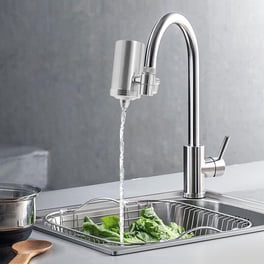
Faucet-mounted filters attach right to your faucet’s spout. They filter water as it flows out.
These are easy to install and remove. They are good for renters or people who move often.
- Simple to install without tools
- Switch between filtered and regular water
- Cartridges need regular replacement
Under-sink Filters
Under-sink filters sit below your kitchen sink. They connect to a separate faucet or the main faucet.
These filters offer strong filtration and more capacity. They keep your countertop clear of clutter.
- Installed under the sink, out of sight
- Often use multi-stage filtration
- Require professional installation sometimes
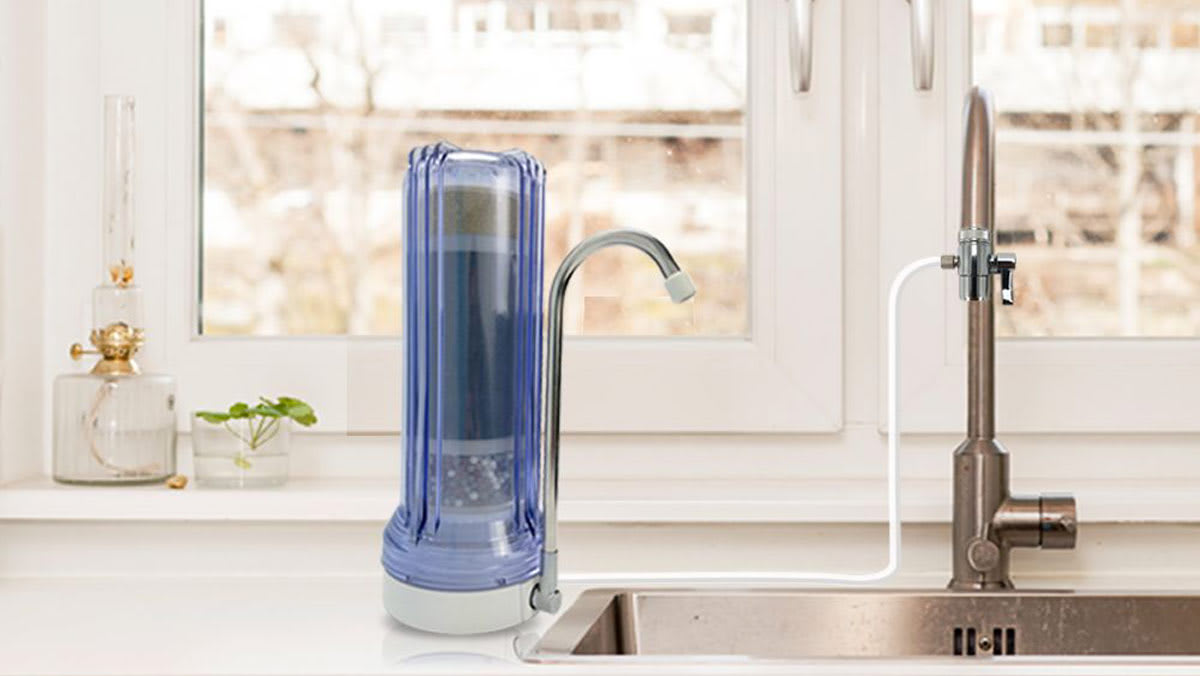
Countertop Filters
Countertop filters sit on your kitchen counter. They connect to the faucet with a hose or adapter.
These are easy to set up and move. They take up some counter space but offer good filtration.
- No installation needed, just connect to faucet
- Filter water quickly for drinking and cooking
- Cartridges need to be changed regularly
Key Features To Consider
Choosing the best kitchen faucet water filter means looking at several important features. These features help you pick a filter that cleans water well and fits your needs.
Below are key points to think about before buying a faucet water filter.
Filtration Technology
Filtration technology decides how well the filter cleans water. Different filters use various methods to remove dirt, chemicals, and germs.
Common types include activated carbon, reverse osmosis, and ceramic filters. Each type targets specific contaminants.
- Activated carbon removes chlorine and bad taste
- Reverse osmosis removes heavy metals and salts
- Ceramic filters block bacteria and sediment
Filter Lifespan And Replacement Cost
Filters need replacement after some time. Check how long a filter lasts before you must change it.
Replacement cost also matters. Some filters are cheap to replace, while others cost more.
- Longer lifespan means fewer replacements
- Low replacement cost saves money over time
- Check if replacements are easy to find
Ease Of Installation
Choose a filter that is easy to install. Some models fit directly on the faucet without tools.
Others may require plumbing skills or extra parts. Easy installation saves time and effort.
- Tool-free installation is user-friendly
- Check if instructions are clear and simple
- Consider if professional help is needed
Flow Rate And Water Pressure
Good flow rate means water flows fast enough from the faucet. Some filters slow down water flow.
Check if the filter keeps water pressure strong while filtering water.
- Higher flow rate means faster water delivery
- Maintain enough pressure for daily use
- Low flow can cause frustration in the kitchen
Certifications And Standards
Look for filters certified by trusted organizations. Certifications show the filter meets safety and quality rules.
Common certifications include NSF and WQA. They test filters for contaminant removal and material safety.
- NSF certification ensures effective filtration
- WQA certification confirms material safety
- Check labels to verify certification claims
Credit: www.walmart.com
Top Kitchen Faucet Water Filters Reviewed
Choosing the right kitchen faucet water filter is important for clean water. Filters help remove dirt, chemicals, and bad taste.
This guide reviews top kitchen faucet water filters. It covers high-end, budget-friendly, hard water, and contaminant removal options.
High-end Models
High-end faucet water filters offer advanced features and long-lasting filters. They usually cost more but provide better water quality.
These models often have multi-stage filtration and are easy to install. They fit well in modern kitchens.
- Multi-stage filtration for thorough cleaning
- Durable materials and build quality
- Long filter life with easy replacement
- Sleek design to match kitchen decor
Budget-friendly Options
Budget-friendly faucet filters offer good water quality at a low price. They are simple and easy to use.
These filters are great for basic water purification and small households. They need more frequent filter changes.
- Affordable price for basic filtration
- Simple installation and use
- Shorter filter lifespan
- Effective for removing chlorine and sediment
Best For Hard Water
Hard water contains minerals like calcium and magnesium. Filters for hard water reduce scale and improve taste.
These filters often include water softening features or special cartridges to handle minerals.
- Removes minerals causing scale buildup
- Improves water taste and smell
- Protects pipes and appliances
- May include resin or ion exchange technology
Best For Contaminant Removal
Filters that target contaminants remove bacteria, lead, chlorine, and other harmful substances. They make water safer to drink.
These models usually have multi-stage filters with activated carbon and other media.
- Removes harmful chemicals and metals
- Reduces bacteria and cysts
- Improves water clarity and taste
- Uses activated carbon and advanced media
Installation And Maintenance Tips
Choosing the best kitchen faucet water filter means knowing how to install and care for it. Proper installation helps the filter work well. Regular maintenance keeps the water clean and tasting fresh.
This guide shares simple steps to install the filter, how often to change it, and common problems you can fix yourself.
Step-by-step Installation Guide
Installing a kitchen faucet water filter is easy if you follow these clear steps. Make sure you have the right tools before you start.
- Turn off the water supply under the sink.
- Remove the aerator from your faucet.
- Attach the filter adapter to the faucet.
- Connect the filter unit to the adapter securely.
- Turn the water back on and check for leaks.
- Flush the filter by running water through it for five minutes.
Filter Replacement Schedule
Filters need regular changes to work well. The schedule depends on your water use and filter type.
| Filter Type | Replacement Time |
| Carbon Filter | Every 3 months |
| Reverse Osmosis | Every 6 to 12 months |
| Ceramic Filter | Every 6 months |
| UV Filter | Every 12 months |
Troubleshooting Common Issues
Some issues may happen with your kitchen faucet water filter. Here are ways to fix common problems quickly.
- If the water flow is slow, check for clogs in the filter or faucet.
- Leaks can come from loose connections; tighten all parts carefully.
- If water tastes odd, replace the filter even if it is not yet time.
- Strange noises may mean air trapped in the system; run water to clear it.

Credit: www.amazon.com
Comparing Faucet Filters With Other Water Filtration Systems
Choosing the best water filter depends on your needs and budget. Faucet filters are one option among many. They fit directly on your kitchen faucet and clean water as you use it.
Other popular water filtration systems include pitcher filters, whole-house filters, and reverse osmosis systems. Each has its own benefits and limits.
Pitcher Filters
Pitcher filters are simple and easy to use. You fill a pitcher with tap water, and it passes through a filter inside. The filtered water is ready to drink.
They remove chlorine taste and some contaminants. Pitcher filters are portable and do not need installation. They work well for small families or renters.
- Easy to use and move around
- No installation required
- Filter needs regular replacement
- Limited filtering capacity
Whole-house Filters
Whole-house filters clean all water entering your home. They connect to the main water line. This system protects pipes and appliances from sediment and chemicals.
They provide filtered water for showers, faucets, and appliances. Whole-house filters need professional installation. They require less frequent filter changes but cost more upfront.
- Filters all water in the home
- Protects plumbing and appliances
- Needs professional installation
- Higher initial cost
Reverse Osmosis Systems
Reverse osmosis systems use a special membrane to remove many contaminants. They provide very clean water for drinking and cooking. These systems usually install under the sink.
They remove dissolved solids, lead, and some bacteria. Reverse osmosis systems waste some water during filtration. They need filter and membrane replacements regularly.
- Highly effective contaminant removal
- Good for drinking and cooking water
- Requires under-sink installation
- Some water wastage during use
- Regular maintenance needed
Frequently Asked Questions
What Features Make The Best Kitchen Faucet Water Filter?
The best filter offers multi-stage purification, easy installation, and durable materials. It should remove chlorine, heavy metals, and contaminants. A good filter also maintains strong water flow and fits most faucets seamlessly.
How Often Should I Replace A Kitchen Faucet Water Filter?
Replace the filter every 3 to 6 months, depending on usage and water quality. Some models have indicators to alert you. Regular replacement ensures optimal filtration and prevents clogging or bacterial growth.
Can Kitchen Faucet Water Filters Improve Water Taste And Odor?
Yes, these filters effectively remove chlorine and impurities that cause bad taste and odor. This results in fresher, cleaner water for drinking and cooking. Many users notice immediate improvement in water flavor.
Are Kitchen Faucet Water Filters Easy To Install?
Most kitchen faucet filters are designed for simple, tool-free installation. They typically attach directly to the faucet or replace the aerator. Clear instructions and universal fittings make setup quick and hassle-free for most users.
Conclusion
Choosing the best kitchen faucet water filter improves your water quality daily. Clean water means better taste and safer drinking. Consider filter type, ease of installation, and maintenance. A good filter saves money and reduces plastic waste. Trust your needs and budget to pick the right one.
Enjoy fresh, clear water straight from your tap every day. Simple steps lead to healthier living at home. Your kitchen deserves the best water filter for pure water.