When you're whipping up your favorite cake or kneading dough for freshly baked bread, your stand mixer becomes an essential tool in the kitchen. But have you ever wondered what exactly is considered medium speed on your trusty appliance?
Understanding the speed settings of your stand mixer can significantly impact the texture and quality of your culinary creations. If you’ve ever felt uncertain about adjusting those dials or buttons, you’re not alone. Many home bakers and cooking enthusiasts face the same dilemma.
By knowing the right speed, you can achieve perfect results every time. Get ready to unlock the secrets of stand mixer speeds and take your baking skills to the next level. Dive in to discover how mastering this simple detail can revolutionize the way you cook.

Credit: www.kitchenaid.ca
Stand Mixer Speed Basics
Stand mixers have different speed settings for various tasks. Knowing these speeds helps you mix ingredients properly.
The speed controls range from low to high. Each speed suits a specific mixing need.
Speed Range Overview
Most stand mixers have speeds from 1 to 10 or more. These speeds fall into three groups: low, medium, and high.
| Speed Range | Typical Settings | Common Use |
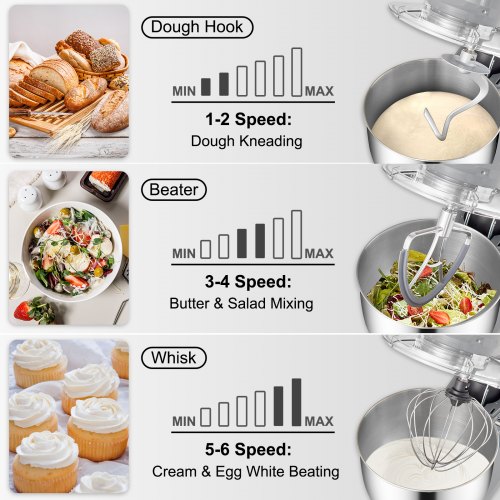
| Low | 1-2 | Slow mixing, kneading dough |
| Medium | 3-6 | Mixing batters, creaming butter and sugar |
| High | 7-10 | Whipping cream, egg whites |
Low Speeds
Low speeds move the mixer slowly. They help combine ingredients gently without splashing.
- Use for kneading bread dough
- Mix thick batters
- Start mixing dry ingredients
Medium Speeds
Medium speed is the middle range. It is neither too slow nor too fast.
Medium speed mixes ingredients well without overworking them. It is best for most baking tasks.
- Creaming butter and sugar
- Mixing cake and cookie batter
- Combining wet and dry ingredients
High Speeds
High speeds spin the mixer fast. They add air to mixtures for light, fluffy textures.
- Whip cream to soft or stiff peaks
- Beat egg whites for meringue
- Mix light batters quickly
Defining Medium Speed
Medium speed on a stand mixer is a setting between low and high speeds. It balances power and control for many mixing tasks.
This speed helps mix ingredients well without splashing or overworking the batter.
Rpm And Power Levels
RPM means revolutions per minute. It shows how fast the mixer beaters turn.
Medium speed usually ranges from about 100 to 300 RPM. The power level lets the motor run at moderate strength.
- Low speed: 50 to 100 RPM
- Medium speed: 100 to 300 RPM
- High speed: 300 RPM and above
Common Speed Settings By Brand
Different brands label medium speed differently. Some use numbers, others use names.
| Brand | Medium Speed Setting | RPM Range |
|---|---|---|
| Kitchenaid | Speed 4 | 100–220 RPM |
| Sunbeam | Speed 3 | 120–250 RPM |
| Hamilton Beach | Speed 3 or 4 | 110–280 RPM |
| Oster | Speed 2 or 3 | 90–230 RPM |
Uses For Medium Speed
Medium speed on a stand mixer is ideal for many common kitchen tasks. It offers enough power to mix ingredients well without overworking them.
This speed is often used when you want to combine ingredients smoothly and evenly. It helps create the right texture in your recipes.
Mixing Batter
Medium speed is perfect for mixing cake or pancake batter. It blends ingredients without splashing or overmixing.
Using medium speed helps make a smooth and even batter. It keeps the mixture light, which is important for fluffy cakes.
Creaming Ingredients
Creaming butter and sugar works well at medium speed. It allows the ingredients to combine into a soft, creamy texture.
This speed helps trap air in the mixture. The trapped air makes baked goods rise better and become tender.
Whipping And Folding
Medium speed is useful for whipping cream or egg whites gently. It creates soft peaks without overbeating.
It also helps fold ingredients together carefully. This keeps the mixture light and airy, which is good for delicate recipes.

Credit: www.bonappetit.com
Adjusting Speeds For Recipes
Stand mixers have different speed settings to help mix ingredients properly. Adjusting the speed is important for each recipe to get the best results.
Medium speed is often used to combine ingredients smoothly without overworking them. Knowing when and how to use medium speed can improve your baking and cooking.
When To Use Medium Speed
Use medium speed to mix ingredients that need gentle but steady blending. This speed helps to combine wet and dry ingredients well without splashing.
Medium speed works well for creaming butter and sugar, mixing cake batters, and whipping eggs until soft peaks form.
- Creaming butter and sugar
- Mixing cake or cookie batter
- Whipping eggs to soft peaks
- Blending ingredients for bread dough
Tips For Speed Transitions
Change speeds slowly to avoid splattering or overmixing. Start on low speed and raise it to medium once ingredients begin to combine.
Stop the mixer and scrape the bowl if needed before switching speeds. This keeps ingredients evenly mixed and prevents lumps.
- Begin mixing on low speed
- Increase to medium speed gradually
- Pause to scrape the bowl if ingredients stick
- Avoid sudden speed changes to prevent splashing
Troubleshooting Speed Issues
Stand mixers have different speed settings for various tasks. Medium speed is usually used for mixing batter or dough. Sometimes the mixer may not run at the right speed.
Speed problems can affect how well your ingredients combine. Fixing these issues helps your mixer work properly and keeps your food consistent.
Mixer Overheating
Running the mixer too long on medium speed can cause it to overheat. The motor gets hot and may slow down or stop. Overheating can damage the mixer parts.
To prevent overheating, avoid running the mixer for long periods without breaks. If the mixer feels hot, turn it off and let it cool down before using again.
- Use medium speed only as recommended
- Take breaks during long mixing jobs
- Check the mixer vents for dust or blockages
- Keep the mixer clean and well-maintained
Uneven Mixing
Medium speed should mix ingredients evenly. If mixing is uneven, the speed might be too low or too high. This causes lumps or unmixed parts in your batter or dough.
Check if the mixer attachments fit properly. Also, make sure the bowl is correctly placed. Adjust speed if needed to get smooth mixing results.
- Use the right attachment for the recipe
- Secure attachments firmly to the mixer
- Place the bowl correctly on the base
- Adjust speed gradually to find the best mix
Maintaining Your Stand Mixer
Keeping your stand mixer in good shape helps it last longer. Regular care stops problems before they start.
Simple steps like cleaning and fixing parts make your mixer work well every time.
Cleaning After Use
Clean your stand mixer right after using it. This stops food from hardening on parts.
- Unplug the mixer before cleaning.
- Remove attachments and wash them with warm, soapy water.
- Wipe the mixer body with a damp cloth.
- Dry all parts completely before reassembling.
- Check for any stuck food in small crevices.
Lubrication And Repairs
Lubricate your mixer’s moving parts to keep them smooth. Use food-safe grease as needed.
| Maintenance Task | Frequency | Details |
| Lubricate gears | Every 6 months | Use food-grade lubricant inside gear housing |
| Check attachments | Monthly | Look for cracks or damage |
| Tighten screws | Every 3 months | Ensure all parts are secure |
| Professional service | Once a year | Have a technician inspect and repair |

Credit: www.kitchenaid.ca
Frequently Asked Questions
What Speed Is Medium On A Stand Mixer?
Medium speed on a stand mixer usually ranges from 4 to 6 on most models. It balances power and control for tasks like mixing batters and doughs.
When Should I Use Medium Speed On A Mixer?
Use medium speed for mixing cake batter, cookie dough, and combining ingredients evenly. It prevents overmixing and splattering.
How Does Medium Speed Differ From Low Or High?
Medium speed offers moderate mixing power. Low speed is gentle for folding, while high speed is for whipping and beating air into mixtures.
Can Medium Speed Affect Dough Texture?
Yes, medium speed helps develop gluten evenly without overworking dough. It produces a consistent and smooth texture for bread and pastries.
Conclusion
Medium speed on a stand mixer means a balanced, steady pace. It helps mix ingredients without splashing or overworking them. This speed suits many tasks like creaming butter, mixing dough, or beating eggs. Knowing the right speed saves time and improves results.
Try medium speed to get smooth, even mixtures every time. It makes cooking and baking easier and more fun. Choose medium speed for most everyday mixing needs. Simple and effective.