Imagine stepping into a kitchen where sizzling sounds and aromatic scents instantly transport you to a bustling street market in Asia. This is the magic of a wok kitchen.
But what exactly is a wok kitchen, and why should you care? If you’ve ever tried to capture the authentic taste of Asian cuisine at home, you might have wondered why your stir-fry isn’t quite right. The secret often lies in the wok kitchen.
By understanding what makes a wok kitchen unique, you can elevate your cooking game and impress your family and friends with dishes that burst with flavor. You’ll uncover the essentials of a wok kitchen and discover how it can transform your culinary experience. Stick around, and you’ll soon see why investing in this unique kitchen setup could be the best decision you make for your home cooking.

Credit: circulon.uk.com
Wok Essentials
A wok is a special pan used in Asian cooking. It cooks food quickly at high heat.
Understanding the types, materials, and sizes helps you pick the best wok. This guide covers the basics.
Types Of Woks
There are many wok shapes and styles. Each type suits different cooking styles and heat sources.
- Round Bottom Wok: Needs a wok ring, good for gas stoves.
- Flat Bottom Wok: Works on electric and induction stoves.
- Non-stick Wok: Easy to clean, but less traditional flavor.
- Carbon Steel Wok: Lightweight and heats quickly.
Materials And Sizes
Woks come in different materials that affect heat and cooking style. Sizes vary to fit family needs.
- Carbon Steel: Heats fast and evenly, needs seasoning.
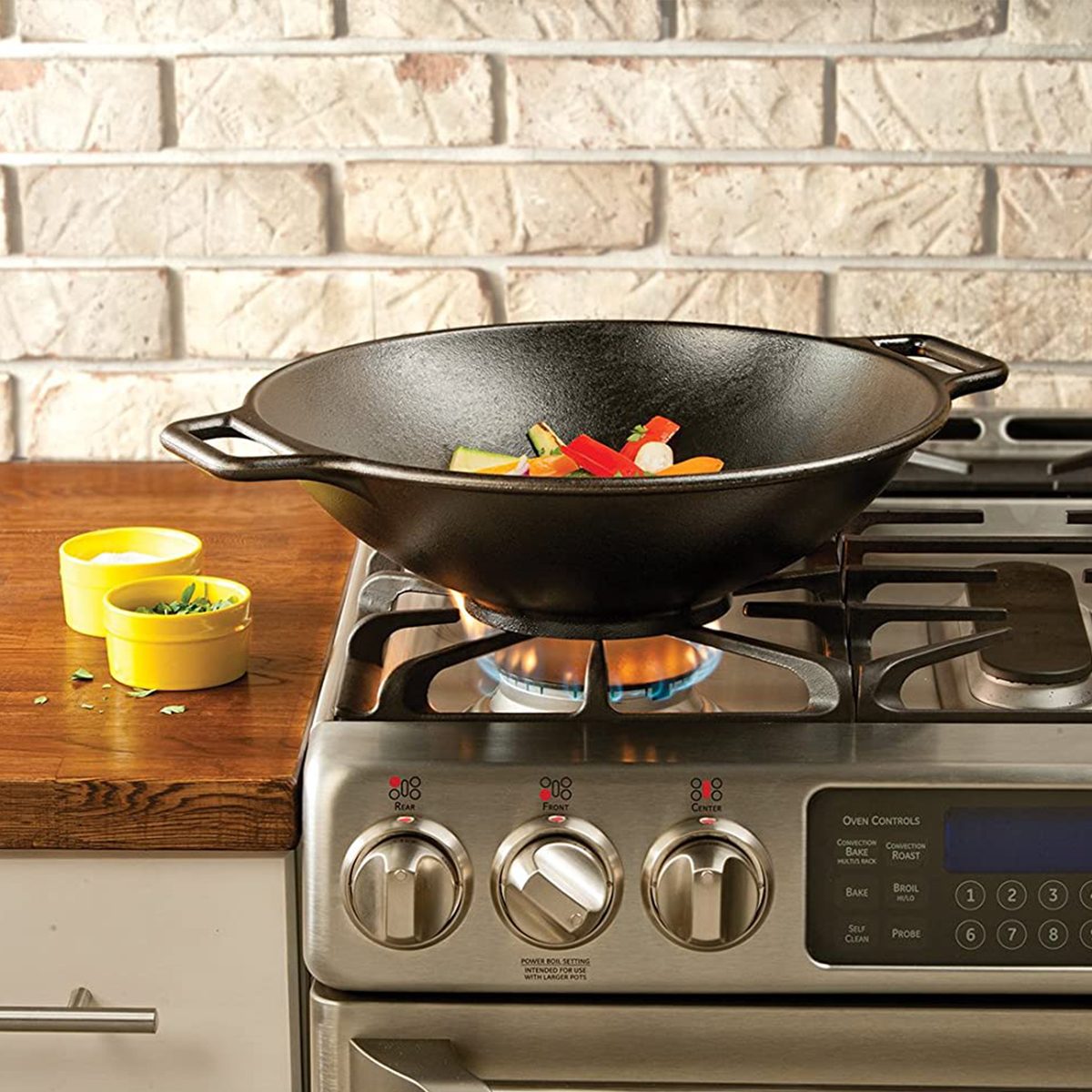
- Cast Iron: Holds heat well but is heavy.
- Stainless Steel: Durable but heats unevenly.
- Aluminum: Lightweight and heats quickly.
Common sizes are 12 to 14 inches in diameter. Smaller woks suit 1-2 people. Larger ones fit families.
Choosing The Right Wok
Pick a wok that matches your stove and cooking style. Size depends on how much food you cook.
- Use round bottom woks for gas stoves with a wok ring.
- Choose flat bottom woks for electric or induction stoves.
- Carbon steel is best for stir-frying with high heat.
- Non-stick woks are easy to clean but not for very high heat.
- Pick a size that fits your household and cooking habits.
Credit: www.tasteofhome.com
Wok Setup And Care
A wok is a versatile cooking tool used in many kitchens. Proper setup and care keep it in good shape and improve cooking results.
Learning how to season, clean, and store your wok helps it last longer and stay non-stick.
Seasoning Your Wok
Seasoning creates a natural non-stick surface and prevents rust. Start by washing the wok with warm water and a soft sponge to remove factory oils.
- Heat the wok on medium until it is dry and warm.
- Add a thin layer of cooking oil, such as vegetable or peanut oil.
- Use a paper towel to spread the oil evenly inside the wok.
- Heat the wok until the oil starts to smoke, then remove from heat.
- Let the wok cool, then wipe off excess oil.
Cleaning Tips
Cleaning your wok correctly keeps the seasoning intact. Avoid using soap or harsh scrubbers that remove the oil layer.
- Rinse the wok with hot water after cooking.
- Use a soft brush or sponge to remove food bits.
- Dry the wok completely on the stove over low heat.
- Apply a light coat of oil before storing to prevent rust.
Storage Best Practices
Store your wok properly to keep it clean and ready to use. Moisture and dust can damage the surface over time.
| Storage Tip | Reason |
|---|---|
| Keep in a dry place | Prevents rust and corrosion |
| Hang if possible | Avoids scratches and dents |
| Apply oil before storage | Protects the seasoning layer |
| Cover with a cloth | Keeps dust out |
Cooking Techniques
The wok is a versatile tool used in many Asian kitchens. It allows cooks to prepare food in different ways. Each technique gives food a unique taste and texture.
Understanding these cooking methods can help you use a wok more effectively. From fast stir-frying to gentle steaming, the wok adapts to many styles.
Stir-frying Basics
Stir-frying uses high heat and fast cooking. You toss small, even pieces of food in a little oil. This keeps food crisp and colorful.
- Preheat the wok until very hot
- Add oil that can handle high heat
- Cook ingredients in small batches
- Keep food moving by stirring constantly
- Use sauces for flavor, added at the end
Steaming And Boiling
The wok is perfect for steaming and boiling. You can fit a steaming rack or use water for boiling. These methods keep food moist and tender.
| Method | Use | Food Types |
| Steaming | Use a rack above water | Dumplings, fish, vegetables |
| Boiling | Fill wok with water | Noodles, eggs, vegetables |
Deep-frying With A Wok
The wok’s shape makes deep-frying easy. It uses less oil than a pot. The curved sides keep oil hot and food crispy.
Keep these tips in mind:
- Use oil with a high smoke point
- Heat oil to the correct temperature
- Do not overcrowd the wok
- Drain fried food on paper towels
Smoking And Searing
The wok can smoke and sear food quickly. Use high heat and a tight lid. This traps smoke and flavors inside the wok.
To smoke or sear in a wok:
- Heat the wok until very hot.
- Add a small amount of oil.
- Place wood chips or tea leaves on foil at the bottom.
- Put food on a rack above the chips.
- Cover the wok tightly and cook quickly.
Essential Ingredients
A wok kitchen uses simple, fresh ingredients to create tasty dishes. The right sauces, vegetables, proteins, and spices bring out the best flavors.
These ingredients combine quickly in a hot wok to make meals full of color and taste. Knowing what to keep on hand is key for any wok cooking.
Common Asian Sauces
Asian sauces add depth and flavor to wok dishes. They range from salty to sweet and sometimes spicy. Each sauce plays a special role in recipes.
- Soy Sauce: salty and savory, used in many dishes
- Oyster Sauce: thick and slightly sweet, adds umami
- Hoisin Sauce: sweet and spicy, good for glazing
- Fish Sauce: salty with a strong aroma, common in Southeast Asian cooking
- Sesame Oil: fragrant oil used for finishing dishes
Key Vegetables And Proteins
Vegetables and proteins are the main parts of wok meals. They cook fast and keep their texture and color. Use fresh and cut them evenly for best results.
| Vegetables | Proteins |
|---|---|
| Bell Peppers | Chicken |
| Broccoli | Beef |
| Snow Peas | Shrimp |
| Carrots | Tofu |
| Mushrooms | Pork |
Spices And Aromatics
Spices and aromatics give wok dishes their strong, fresh flavors. They add heat, fragrance, and depth. Use them carefully for balance.
- Garlic: sharp and pungent, used minced or sliced
- Ginger: warm and spicy, adds zest
- Chili Peppers: add heat, fresh or dried
- Green Onions: mild onion flavor, used as garnish or cooked
- Star Anise: sweet and licorice-like, used in slow-cooked dishes
Mastering Heat Control
A wok kitchen uses a special pan to cook food fast at high heat. Controlling the heat is key to making tasty dishes.
Learning how to use heat well helps keep food crisp and full of flavor without burning it.
High Heat Cooking
Woks cook best at very high temperatures. This heat cooks food quickly and keeps it fresh.
Use high heat to stir-fry meats and vegetables. It seals in juices and keeps food tender.
Managing Temperature
Adjust heat to keep food cooking evenly. Too hot can burn food, too low makes it soggy.
Move the wok on and off the heat to control cooking speed. This helps you avoid overcooking.
- Start with high heat to sear ingredients
- Lower heat to cook through without burning
- Use the wok’s shape to push food away from heat
- Keep stirring for even heat on all pieces
Avoiding Common Mistakes
Do not overcrowd the wok. Too much food lowers the temperature and causes steaming.
Do not add cold ingredients straight from the fridge. Let them reach room temperature first.
- Heat the wok until it smokes before cooking
- Dry ingredients well to prevent oil splatter
- Use oils with high smoke points like peanut or canola oil
- Keep ingredients moving to avoid burning
Popular Wok Recipes
The wok is a versatile pan used to cook many tasty dishes fast. It heats evenly and cooks food quickly.
Below are popular recipes you can make in a wok. They include meat, noodles, rice, and plant-based meals.
Classic Stir-fry Dishes
Stir-fry is a quick method to cook small pieces of meat and vegetables. It keeps food crisp and colorful.
- Beef and broccoli stir-fry with garlic sauce
- Chicken with bell peppers and black bean sauce
- Shrimp with snow peas and ginger
- Pork with green beans and chili
Noodle And Rice Specialties
Noodles and rice are staples in wok cooking. They soak up flavors from sauces and spices well.
| Dish | Main Ingredients | Key Sauce |
| Chow Mein | Egg noodles, chicken, vegetables | Soy sauce |
| Fried Rice | Rice, eggs, peas, carrots | Oyster sauce |
| Pad Thai | Rice noodles, shrimp, peanuts | Tamarind sauce |
| Singapore Noodles | Rice vermicelli, pork, curry powder | Curry sauce |
Vegetarian And Vegan Options
Vegetarian and vegan wok dishes use tofu, vegetables, and plant-based sauces. They are healthy and tasty.
- Tofu stir-fry with broccoli and mushrooms
- Vegetable lo mein with soy sauce
- Spicy eggplant with garlic and chili
- Mixed vegetable fried rice
Wok Kitchen Setup
A wok kitchen is designed for fast, high-heat cooking. Setting it up right helps you cook efficiently and safely.
This guide covers the essential parts of a wok kitchen setup. Focus on the stove, tools, and workspace organization.
Choosing The Right Stove
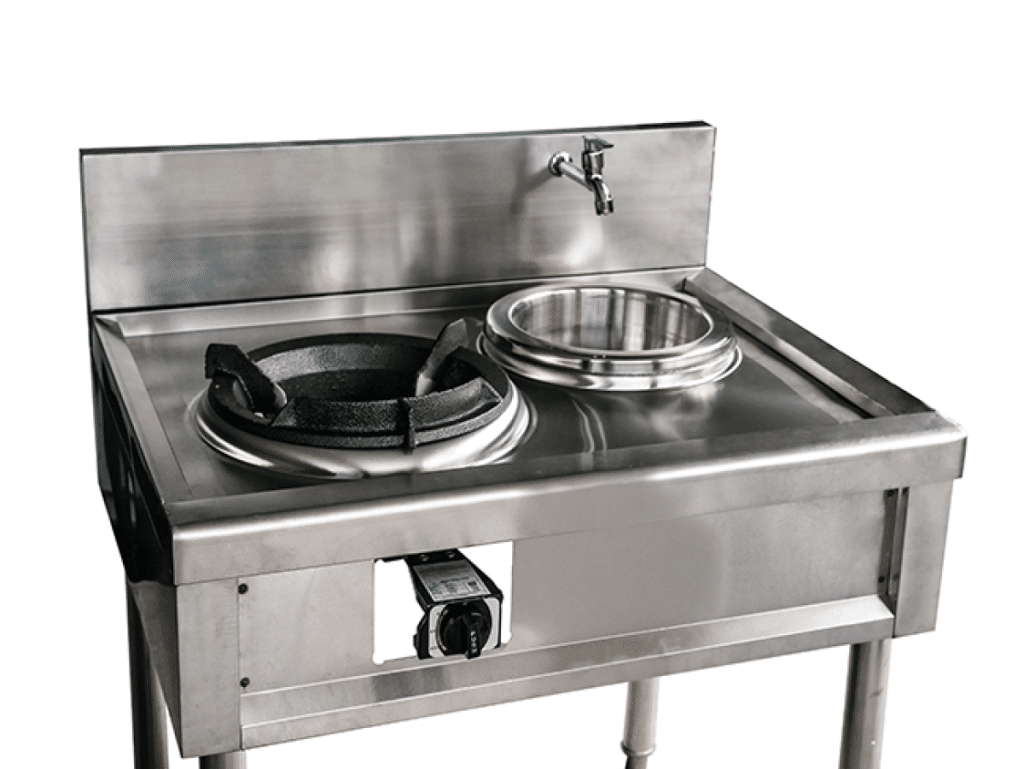
Choose a stove that can reach high heat quickly. Gas stoves are popular for wok cooking because of their strong flame.
Consider these stove types for your wok kitchen:
- Gas burners with adjustable high heat
- Electric stoves with flat surfaces
- Induction cooktops with wok rings
- Commercial wok burners with strong airflow
Essential Tools And Utensils
Your wok kitchen needs the right tools to cook well. Each tool has a special job to make cooking easier and faster.
| Tool | Use |
| Wok spatula | Stir and toss food quickly |
| Wok ladle | Scoop sauces and broth |
| Chopsticks | Turn and handle small items |
| Oil dispenser | Control oil for cooking |
| Strainer | Remove food from hot oil or water |
Organizing Your Cooking Space
Keep your wok kitchen tidy and tools within reach. This saves time and keeps cooking smooth.
Here are tips to organize your cooking space:
- Place the stove in a well-ventilated area
- Keep utensils in a container near the stove
- Use shelves for spices and oils
- Have a clear counter for prep work
- Store cleaning supplies away from food

Credit: www.amazon.com
Benefits Of Wok Cooking
Wok cooking uses a round-bottomed pan to cook food quickly at high heat. This method is popular in many kitchens worldwide.
Using a wok brings many benefits. It helps keep food healthy, tasty, and saves time in cooking.
Health Advantages
Wok cooking uses less oil because of its shape and high heat. This helps make meals lower in fat and calories.
Cooking quickly keeps more vitamins and minerals in the food. It also reduces the chance of burning nutrients.
- Less oil means healthier meals
- Fast cooking keeps vitamins intact
- High heat cooks food evenly and safely
Flavor Enhancement
The wok’s shape helps food cook evenly. It allows heat to spread fast and keeps flavors fresh.
Quick cooking locks in natural juices and aroma. Stirring often mixes flavors well and gives food a nice texture.
- Even heat creates balanced taste
- Quick cooking keeps food juicy
- Stirring blends flavors well
Efficiency And Versatility
A wok heats up fast and cooks food in minutes. This saves time and energy in the kitchen.
Woks work for many cooking styles. You can stir-fry, steam, boil, or deep-fry in one pan.
- Quick heating saves cooking time
- Use one pan for many recipes
- Easy to clean and store
Frequently Asked Questions
What Is A Wok Kitchen Used For?
A wok kitchen is designed for cooking with a wok. It allows high-heat stir-frying, steaming, boiling, and deep-frying efficiently. The setup includes a high-powered burner and ample ventilation to handle intense heat and smoke. This design helps achieve authentic Asian flavors and cooking techniques.
How Does A Wok Kitchen Differ From A Regular Kitchen?
A wok kitchen features specialized equipment like a high-BTU wok burner and a deep sink. It focuses on quick, high-heat cooking methods unlike regular kitchens. The ventilation is stronger to manage smoke and fumes. This setup enhances speed and flavor in wok-based dishes.
What Are The Key Components Of A Wok Kitchen?
Key components include a high-powered wok burner, strong ventilation hood, wok ring, and durable surfaces. These elements ensure safety and efficiency. The burner provides intense heat, while the ventilation removes smoke. The wok ring stabilizes the pan, and durable surfaces withstand heat and spills.
Can I Convert My Regular Kitchen Into A Wok Kitchen?
Yes, converting requires installing a high-BTU wok burner and improving ventilation. You may need a wok ring and heat-resistant surfaces. Proper ventilation is crucial for smoke control. Consult professionals to ensure safety and compliance with local codes before conversion.
Conclusion
A wok kitchen brings quick and healthy cooking to your home. It uses high heat and fast stirring to keep food fresh and tasty. This style fits many dishes and ingredients easily. Woks save time and energy in the kitchen.
They also add a fun, hands-on feel to cooking. Anyone can enjoy using a wok with simple tools and recipes. Try a wok kitchen to make meals easy and delicious. Cooking can become a joyful daily habit. Simple, fast, and full of flavor.