Imagine turning kitchen scraps into gold for your garden. Sounds amazing, right?
With a kitchen compost bin, you can do just that. But what exactly can you toss into this magical bin? If you’re unsure about what goes in and what stays out, you’re not alone. Many people are eager to start composting but hesitate because they don’t know where to begin.
In this guide, you’ll discover the secrets to filling your compost bin with the right ingredients. By the end, you’ll feel confident and inspired to start your own composting journey at home, transforming waste into nourishment for your plants. Ready to dive in? Let’s explore the wonders of composting together!

Credit: pumpkinsandpetals.com
Choosing A Kitchen Compost Bin
Choosing the right kitchen compost bin makes composting easy and clean. A good bin fits your space and handles your food scraps well.
Many options exist, each with features that suit different needs. Think about size, material, and how it controls odor before you buy.
Types Of Compost Bins
You can find compost bins in many styles. Some sit on your countertop, while others go under the sink or outside.
- Countertop bins with lids for small scraps
- Under-sink bins that save space
- Electric composters that speed up breakdown
- Outdoor compost bins for large amounts
Size And Capacity
Pick a size that matches your kitchen and how much waste you make. Small bins suit singles or couples. Larger bins work for families.
| Household Size | Recommended Bin Size |
| 1-2 people | 1 to 2 gallons |
| 3-4 people | 3 to 5 gallons |
| 5 or more people | 5 gallons or more |
Material And Durability
Materials affect how long the bin lasts and how it looks in your kitchen. Choose a bin made from strong plastic, stainless steel, or ceramic.
- Plastic: lightweight and easy to clean
- Stainless steel: durable and modern
- Ceramic: stylish but can break
Odor Control Features
Odor control helps keep your kitchen fresh. Look for bins with tight lids and filters to trap smells.
- Carbon filters to absorb smells
- Sealed lids to keep air in
- Ventilation holes for airflow

Credit: www.bonappetit.com
Compostable Food Scraps
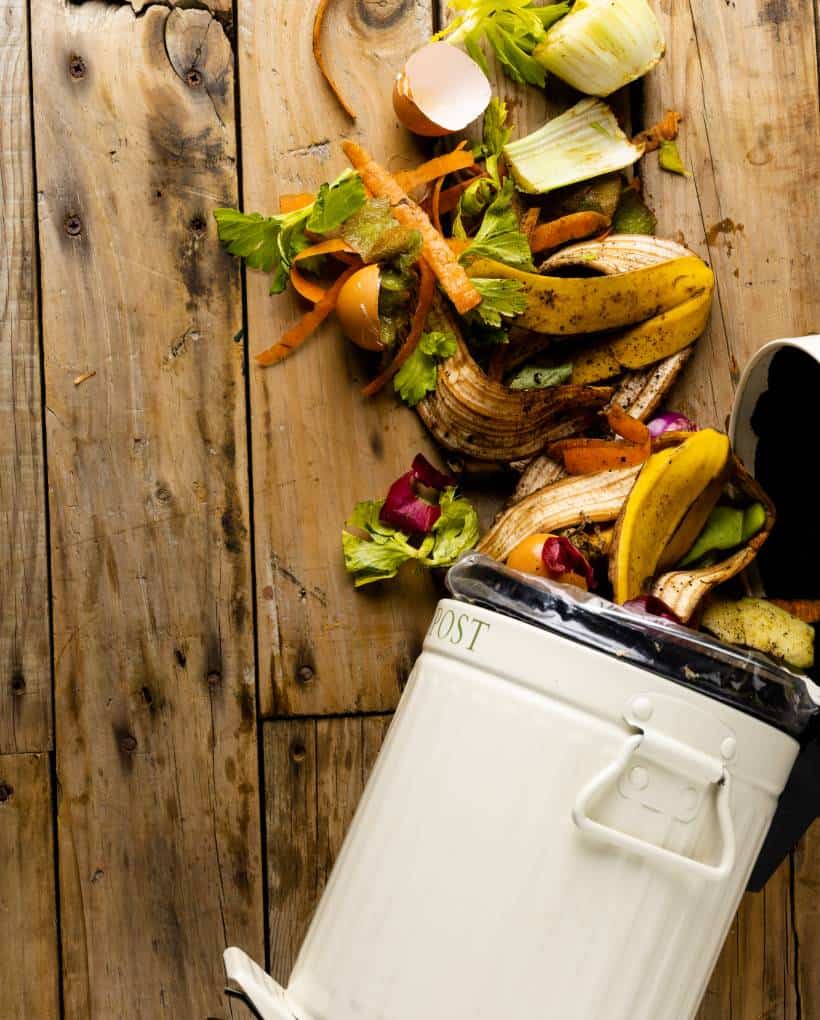
A kitchen compost bin collects food scraps that break down naturally. These scraps turn into rich soil for gardening. Knowing what scraps to add helps your compost work well.
Many everyday food items are great for compost. Avoid adding meats or dairy to keep the compost healthy and smell-free.
Fruit And Vegetable Peels
Fruit and vegetable peels are perfect for compost. They break down quickly and add nutrients to the soil.
Examples include apple cores, banana peels, carrot skins, and potato peels. Chop them into small pieces to speed up composting.
- Apple cores
- Banana peels
- Carrot skins
- Potato peels
- Onion skins
- Orange rinds
Coffee Grounds And Filters
Used coffee grounds add nitrogen to your compost. They help balance the mix of materials.
Paper coffee filters can also be composted if they do not have synthetic materials. Remove any staples or plastic parts first.
- Used coffee grounds
- Paper coffee filters (without plastic)
Eggshells
Eggshells add calcium to your compost. They help plants grow strong and healthy.
Crush eggshells before adding them. This helps them break down faster in the compost.
- Clean eggshells, crushed
Bread And Grains
Bread and grains can be composted in small amounts. They add carbon and energy for compost microbes.
Break bread into pieces before adding. Avoid moldy bread to prevent bad smells.
- Small amounts of bread
- Cooked or uncooked grains
- Rice, pasta, and cereal
Non-food Compostables
Kitchen compost bins can hold more than just food scraps. Many non-food items break down well in compost. These items add variety and help balance the compost mix.
Adding non-food compostables helps create rich soil. It also reduces waste going to landfills.
Tea Bags And Leaves
Tea leaves are great for compost. They add nutrients and improve soil health. Most tea bags are compostable, but check the material first.
Avoid tea bags with plastic parts. Tear open bags to speed up composting. Both loose leaves and compostable bags break down easily.
Nut Shells
Nut shells are tough but compostable. They take longer to break down. Crushing shells helps speed up the process.
Examples include walnut, almond, and peanut shells. Avoid shells with salt or seasoning. Use nut shells to add carbon to your compost.
Houseplant Trimmings
Houseplant trimmings like leaves and small stems compost well. Avoid diseased or pest-infested parts. Chop large pieces to help them break down.
These trimmings add green material and moisture. They balance dry materials in the compost bin.
Paper Products
Paper products can go in compost if they are plain and uncoated. Examples are newspaper, paper towels, and cardboard pieces.
Avoid glossy, colored, or heavily inked paper. Tear paper into small pieces to help it decompose faster. Paper adds carbon and helps absorb moisture.

Credit: www.reddit.com
Items To Avoid In Kitchen Compost
Kitchen compost bins help reduce waste and create rich soil. But some items should not go in them.
Knowing what to avoid keeps your compost healthy and free from pests or bad smells.
Meat And Dairy Products
Meat and dairy products can attract animals and cause bad odors in compost bins. They also take longer to break down.
Leftover meat, cheese, milk, and butter should stay out of your kitchen compost.
- Raw or cooked meat scraps
- Cheese pieces
- Milk and cream
- Butter and yogurt
Oils And Fats
Oils and fats do not break down well in compost. They can create a greasy layer that stops air flow.
Avoid pouring cooking oils, salad dressings, or butter into your kitchen compost bin.
- Cooking oil and grease
- Salad dressings with oil
- Butter and margarine
- Fatty food scraps
Pet Waste
Pet waste can contain harmful germs and parasites. It can make your compost unsafe for plants.
Do not put dog or cat feces, or used cat litter in kitchen compost bins.
- Dog poop
- Cat poop
- Used cat litter
- Other pet droppings
Non-biodegradable Materials
Non-biodegradable materials do not break down in compost. They pollute the soil and harm plants.
Keep plastics, metals, glass, and synthetic fibers out of your kitchen compost.
- Plastic bags and wrappers
- Metal cans and foil
- Glass bottles and jars
- Synthetic fabrics and fibers
Tips For Effective Kitchen Composting
Kitchen composting helps reduce waste and creates rich soil for plants. Using the right methods keeps your compost healthy and odor-free.
Follow simple tips to balance materials, control moisture, and keep your compost bin working well.
Balancing Greens And Browns
Greens are wet and rich in nitrogen. Browns are dry and full of carbon. A good mix helps break down waste fast.
- Greens include fruit scraps, vegetable peels, coffee grounds, and fresh grass clippings.
- Browns include dry leaves, shredded paper, cardboard, and small wood chips.
- Use about two parts browns to one part greens for best results.
Maintaining Moisture Levels
Moisture is key for compost to break down properly. Too dry slows the process. Too wet causes bad smells.
| Condition | Signs | Fix |
| Too Dry | Slow breakdown, dry material | Add water or more greens |
| Too Wet | Smells bad, soggy pile | Add more browns and stir |
| Just Right | Feels like a damp sponge | Keep turning regularly |
Preventing Odors And Pests
Good airflow and balance stop smells and keep pests away. Avoid adding meat, dairy, and oily foods.
- Cover food scraps with browns to block smells.
- Keep your bin closed with a lid.
- Use a compost bin with small holes for air but no pests.
- Place the bin in a cool, shaded spot.
Regular Turning And Aeration
Turning your compost mixes materials and adds air. This speeds up decay and stops bad odors.
- Use a garden fork or compost aerator tool.
- Turn the pile every 3 to 5 days.
- Make sure to mix the bottom and sides.
- Check moisture and add water if needed after turning.
Using Finished Compost
Finished compost is rich, dark, and full of nutrients. It helps plants grow strong and healthy.
You can use compost in many ways around your home and garden. It improves soil and saves waste.
Gardening And Plant Care
Mix finished compost into garden soil to add nutrients. It helps plants grow better roots and leaves.
Use compost as mulch around plants to keep soil moist and stop weeds. It also feeds the soil slowly.
- Add compost to flower beds and vegetable gardens.
- Mix compost with potting soil for indoor plants.
- Use compost to help new plants settle in the soil.
Indoor And Outdoor Applications
Use compost indoors for houseplants by mixing it with soil. It gives plants needed nutrients.
Outdoors, spread compost on lawns to improve grass health. It also helps reduce the need for chemicals.
- Top dress lawn with a thin layer of compost.
- Use compost in raised beds and garden containers.
- Add compost to outdoor flower pots and planters.
Storing Compost Safely
Keep finished compost dry and covered to stop it from getting soggy. Use a container or tarp.
Store compost in a cool, shady spot. Avoid places with strong sunlight or heavy rain.
- Use a sealed bin or container to keep compost fresh.
- Turn stored compost occasionally to keep it airy.
- Do not store compost near food or pets.
Frequently Asked Questions
What Kitchen Scraps Can Go In A Compost Bin?
You can compost fruit and vegetable peels, coffee grounds, eggshells, and bread. Avoid meat, dairy, and oily foods to prevent odors and pests.
Can I Compost Cooked Food Leftovers In My Bin?
Cooked food is generally not recommended due to pests and odors. Small amounts of cooked vegetables may be composted if balanced with dry materials.
Are Coffee Grounds Good For Kitchen Compost?
Yes, coffee grounds add nitrogen and improve compost quality. They help create a balanced mix of green and brown materials.
Can I Put Citrus Peels In The Kitchen Compost?
Citrus peels can be composted in moderation. Excessive amounts may slow decomposition and attract pests, so balance with other compost materials.
Conclusion
A kitchen compost bin helps reduce waste and nourish your garden. You can add fruit and vegetable scraps, coffee grounds, eggshells, and small paper pieces. Avoid meat, dairy, and oily foods to keep pests away. Keep your compost moist and turn it often for best results.
Start small and learn as you go. Composting makes your kitchen waste useful and good for the earth. Give it a try and watch your garden grow.