Are you tired of throwing away food scraps and wondering if there’s a better way to manage kitchen waste? Imagine turning those leftovers into rich, nutrient-packed compost that can transform your garden.
Composting not only reduces waste but also enriches the soil in your backyard or community garden. But what exactly can you compost from your kitchen? Understanding this can make your composting efforts more effective and rewarding. Dive into this article to discover the secrets of kitchen composting, and learn how you can easily make a positive impact on the environment right from your home.
Your journey to a greener lifestyle starts here.
Kitchen Waste Suitable For Composting
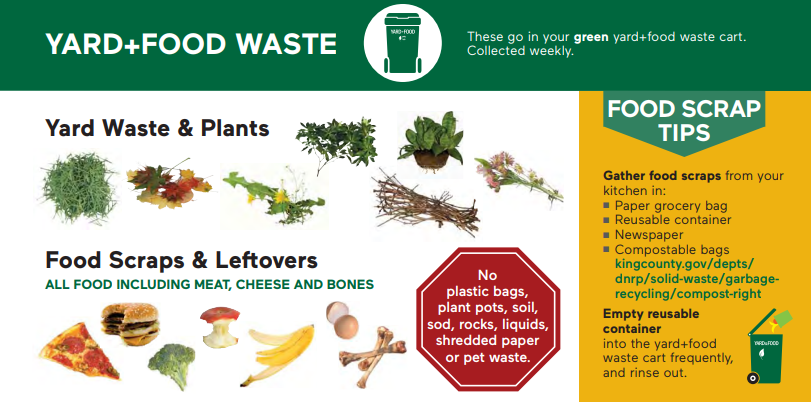
Composting kitchen waste helps reduce trash and creates rich soil. Many common kitchen scraps break down easily in compost.
Knowing which kitchen waste can be composted helps you make better use of your scraps. Let’s explore some common items.
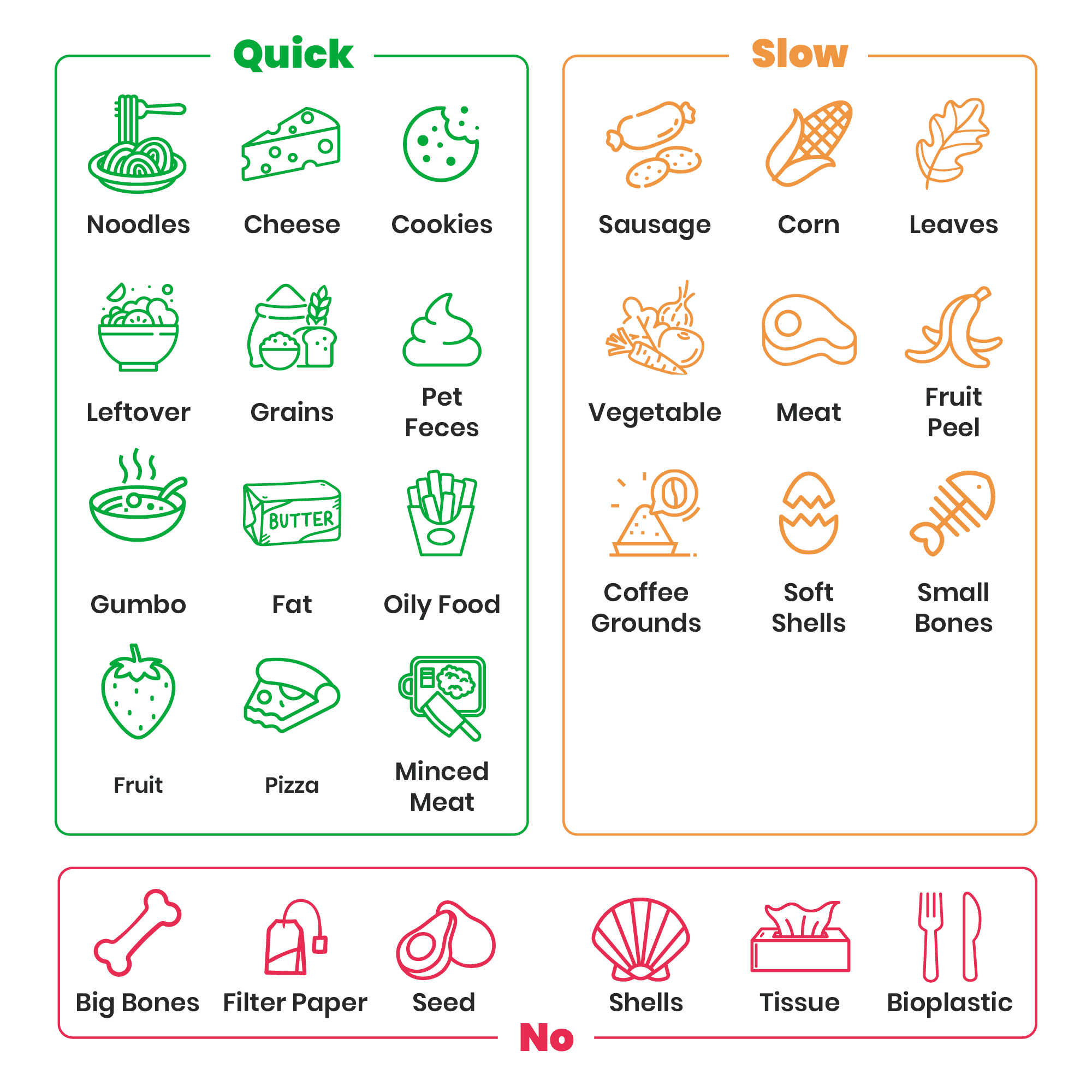
Fruit And Vegetable Scraps
Fruit and vegetable scraps are the most common compost materials. You can use peels, cores, and trimmings from many fruits and veggies.
- Apple cores and peels
- Banana peels
- Carrot tops and peelings
- Potato skins
- Leafy greens and stems
- Onion skins and ends
Coffee Grounds And Tea Bags
Used coffee grounds add nitrogen to your compost. Most tea bags can be composted too, but check if they contain plastic.
Eggshells And Dairy Alternatives
Eggshells add calcium to compost and break down slowly. Some dairy alternatives like nut milk pulp can also be composted.
| Item | Compost Tip |
| Eggshells | Crush before adding |
| Nut milk pulp | Add in small amounts |
| Cheese and butter | Avoid to prevent smell |
Bread And Grains
Bread and grains compost well if added in moderation. Avoid moldy bread as it can cause bad odors.
Herbs And Spices
Fresh and dried herbs and spices can be composted. They add variety to compost and break down quickly.
- Parsley stems
- Mint leaves
- Bay leaves
- Cinnamon sticks (small pieces)
- Chili flakes
Items To Avoid Composting
Composting kitchen waste helps reduce trash and enrich soil. Not all items from the kitchen are good for composting.
Some things can cause bad smells, pests, or harm the compost. Learn which items to keep out of your compost bin.
Meat And Fish Waste
Meat and fish waste can attract animals and pests. They also produce strong odors as they break down.
These wastes take longer to decompose and may carry harmful bacteria. It is best to avoid adding them to compost.
Oils And Fats
Oils and fats coat materials in compost and slow down decomposition. They can cause bad smells and attract pests.
Avoid pouring cooking oils, butter, or grease into your compost bin. These substances do not break down well.
Dairy Products
Dairy products like cheese, milk, and yogurt can cause odors in compost. They may also attract rodents and flies.
These items often contain fats and proteins that slow composting. Keep dairy products out of your compost pile.
Processed Foods
Processed foods contain preservatives and additives. These chemicals can harm the compost microbes and soil health.
Foods like bread, crackers, and snacks do not break down easily. Avoid adding processed foods to compost.
Diseased Plants And Weeds
Diseased plants and weeds can spread pests and diseases in compost. They may also grow unwanted plants in your garden.
Do not compost weeds that have gone to seed. Also, avoid plants with signs of disease or mold.
Composting Techniques For Kitchen Waste
Kitchen waste can be turned into nutrient-rich compost. Composting reduces trash and helps plants grow.
There are many ways to compost kitchen scraps. Some work well indoors, while others are best outside.
Indoor Composting Options
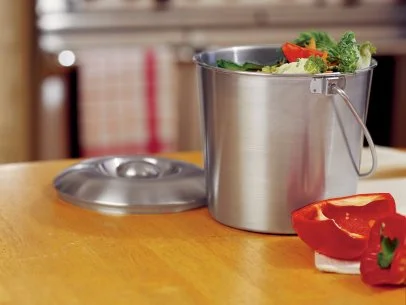
Indoor composting is good for people with little outdoor space. You can use small bins or containers.
Keep kitchen waste like fruit peels, coffee grounds, and eggshells in your indoor bin. Avoid meat and dairy.
- Use a container with a lid to control odors
- Add dry materials like shredded paper
- Stir the compost often to add air
Bokashi Composting Method
Bokashi composting uses a special mix of bacteria to ferment kitchen waste. It works well indoors.
This method handles all kitchen scraps, including meat and dairy, without bad smells. The waste ferments in a sealed container.
- Place waste in a Bokashi bucket
- Sprinkle Bokashi bran after each addition
- Seal the bucket tightly to keep air out
- Drain liquid regularly to avoid excess moisture
Vermicomposting With Worms
Vermicomposting uses worms to break down kitchen scraps quickly. It is great for indoor use.
Worms eat fruit and vegetable waste and turn it into rich compost called worm castings. Use a worm bin with bedding like shredded paper.
- Keep the bin in a cool, dark place
- Feed worms small amounts of food scraps
- Keep the bedding moist but not wet
- Harvest the compost every few months
Outdoor Compost Bins
Outdoor bins are good for large amounts of kitchen waste. They need space and access to air and moisture.
You can use plastic or wooden bins. Mix kitchen scraps with garden waste to balance the compost.
- Turn the pile regularly to add air
- Keep the compost moist like a damp sponge
- Cover the pile to keep out pests
- Avoid adding meat, bones, or dairy
Tips For Speeding Up Decomposition
Faster composting means more compost for your plants. Small changes help speed up the process.
- Cut scraps into small pieces for faster breakdown
- Mix green (wet) and brown (dry) materials well
- Turn or stir compost often to add oxygen
- Keep the compost moist but not soggy
- Use compost starters or activators if needed
Credit: www.geme.bio
Benefits Of Composting Kitchen Waste
Composting kitchen waste turns food scraps into useful soil material. It helps reduce trash and supports healthy plants.
Using kitchen scraps for compost is easy and good for the environment. It saves resources and improves your garden.
Reducing Household Waste
Composting cuts down the amount of garbage your home produces. Food scraps and peelings do not go to landfills.
Less waste means fewer trash bags and less smell around the house. It helps keep your kitchen cleaner.
- Fruit and vegetable peels
- Coffee grounds and tea bags
- Eggshells
- Leftover grains and bread
Improving Soil Health
Compost adds nutrients back into the soil. It makes soil rich and helps plants grow strong.
Healthy soil holds water better and supports beneficial microbes. This leads to better gardens and lawns.
- Increases nutrient levels in soil
- Improves soil texture and moisture
- Supports beneficial microorganisms
Saving Money On Fertilizers
Making your own compost reduces the need to buy fertilizers. This saves money over time.
Compost is a natural fertilizer and safer for your plants. It helps avoid chemical costs and risks.
- Reduces fertilizer purchases
- Provides natural plant nutrients
- Reduces chemical use in gardens
Supporting Sustainable Gardening
Using kitchen waste for compost supports eco-friendly gardening. It helps recycle organic matter back to the earth.
Sustainable gardening protects natural resources and encourages healthy plant growth without harm.
- Recycles organic waste
- Reduces need for synthetic inputs
- Encourages earth-friendly practices
Lowering Carbon Footprint
Composting kitchen scraps cuts methane gas from landfills. Methane is a strong greenhouse gas.
Less waste in landfills means cleaner air. Composting helps fight climate change by reducing emissions.
- Reduces methane gas release
- Decreases landfill waste volume
- Helps lower greenhouse gas emissions
Troubleshooting Common Composting Issues
Composting kitchen waste is a great way to reduce trash and make rich soil. Sometimes problems happen during composting. These problems can slow down the process or cause bad smells.
Knowing how to fix common composting issues helps keep your compost healthy and useful. Here are some tips to solve the most frequent problems.
Managing Odors
Bad smells often happen when compost gets too wet or lacks air. The smell can be sour or like rotten eggs. This means the compost is not breaking down properly.
To fix odors, turn your compost often to add air. Add dry materials like shredded paper or dry leaves to soak up moisture. Avoid putting too much food waste at once.
- Turn compost every few days
- Add dry brown materials to balance wet green scraps
- Keep compost covered to prevent rain from adding water
Controlling Pests
Pests like fruit flies, rodents, or raccoons may come if food scraps are exposed. They can make a mess and slow composting.
To keep pests away, bury food scraps under brown materials. Use a compost bin with a secure lid. Avoid adding meat, dairy, or oily foods that attract animals.
- Bury food scraps at least 6 inches deep
- Use bins with tight lids or covers
- Do not compost meat, dairy, or oily foods
Balancing Moisture Levels
Compost needs to be moist like a wrung-out sponge. Too much water makes it soggy and smelly. Too little water stops breakdown and dries it out.
If compost is too wet, add dry brown materials and turn it often. If it is too dry, spray water lightly and mix it well.
- Check moisture by squeezing compost – it should feel damp
- Add dry leaves or paper if too wet
- Spray water if compost is dry
- Turn compost to spread moisture evenly
Dealing With Slow Decomposition
Sometimes compost breaks down very slowly. This can happen if it is too cold, dry, or lacks air. The right mix of materials is also important.
To speed up decomposition, turn the pile often for air. Add fresh green scraps for nitrogen and dry brown scraps for carbon. Keep compost warm and moist.
- Turn compost every few days to add oxygen
- Mix green kitchen scraps and brown dry materials
- Keep compost in a warm spot
- Maintain moisture like a damp sponge
Preventing Compost From Becoming Sour
Sour compost smells like vinegar or alcohol. This means the compost is too wet or packed down without air. Sour compost slows down the process and can attract pests.
To stop sour smells, turn the compost to add air. Add dry materials to absorb moisture. Avoid adding too much food waste at one time.
- Turn compost regularly to add oxygen
- Add dry leaves, paper, or straw
- Keep food waste in smaller amounts
- Cover compost to prevent excess rain
Credit: www.hgtv.com
Creative Uses For Finished Compost
Finished compost is rich in nutrients and helps plants grow strong. You can use it in many ways around your home and garden.
Using compost wisely saves money and reduces waste. It also improves soil health and plant growth.
Enhancing Garden Beds
Add compost to garden beds to improve soil texture and fertility. It helps plants get more nutrients and water.
Mix compost into the top few inches of soil before planting. It boosts soil life and makes plants healthier.
Nurturing Indoor Plants
Use compost to feed indoor plants by mixing it with potting soil. It provides slow-release nutrients that last longer.
Compost also improves soil moisture retention, helping indoor plants stay hydrated and happy.
Creating Potting Mix
Make your own potting mix by blending compost with materials like peat moss and perlite. This mix supports seed starting and container plants.
- Use one part compost for nutrients
- Add one part peat moss or coconut coir for moisture
- Mix in one part perlite for air flow
This mix drains well and gives plants a good environment to grow roots.
Lawn Care Applications
Spread a thin layer of compost over your lawn to improve soil quality. It adds nutrients that make grass greener and stronger.
Compost helps soil absorb water better and supports beneficial microbes that keep your lawn healthy.
Sharing Compost With Neighbors
Give extra compost to neighbors who garden. Sharing compost helps build a caring community and supports more plants.
Sharing also reduces waste and spreads the benefits of healthy soil to more people.

Credit: pumpkinsandpetals.com
Frequently Asked Questions
What Kitchen Scraps Are Best For Composting?
Vegetable peels, fruit scraps, coffee grounds, eggshells, and tea bags are ideal for composting. Avoid meat, dairy, and oily foods as they attract pests and slow decomposition.
Can I Compost Cooked Food Leftovers Safely?
Cooked food scraps can be composted if small and mixed well with brown materials. Avoid large amounts to prevent odor and pest issues.
Are Coffee Grounds Good For Kitchen Compost?
Yes, coffee grounds add nitrogen and improve soil structure. They are excellent for compost and attract beneficial microbes.
How To Compost Citrus Peels From The Kitchen?
Citrus peels can be composted in moderation as they are acidic. Chop them finely to speed up decomposition and balance with greens and browns.
Conclusion
Composting kitchen waste helps reduce garbage and saves money. Fruit peels, vegetable scraps, coffee grounds, and eggshells all work well. Avoid meat, dairy, and oily foods to keep compost healthy. Composting supports plants by giving them rich soil. Start small and watch your waste turn into something useful.
Everyone can help the planet by composting kitchen scraps daily. Give it a try—your garden and Earth will thank you.