Have you ever found yourself guessing whether your roast chicken is perfectly cooked or if your homemade caramel has reached the right temperature? If so, you’re not alone.
Achieving culinary perfection often hinges on precision, and that’s where a reliable kitchen thermometer comes into play. Imagine transforming your cooking game with a tool endorsed by America’s Test Kitchen, a name synonymous with culinary expertise and trust. Picture this: the sizzle of a steak, the bubbling of a pot, the aroma wafting through your home.
But how can you be sure everything is just right without peeking every few minutes? The secret lies in using the right thermometer. This article will dive into why America’s Test Kitchen recommends certain thermometers and how you can use them to elevate your cooking skills. Stick around, and you’ll discover how this simple tool can make a world of difference in your kitchen adventures.
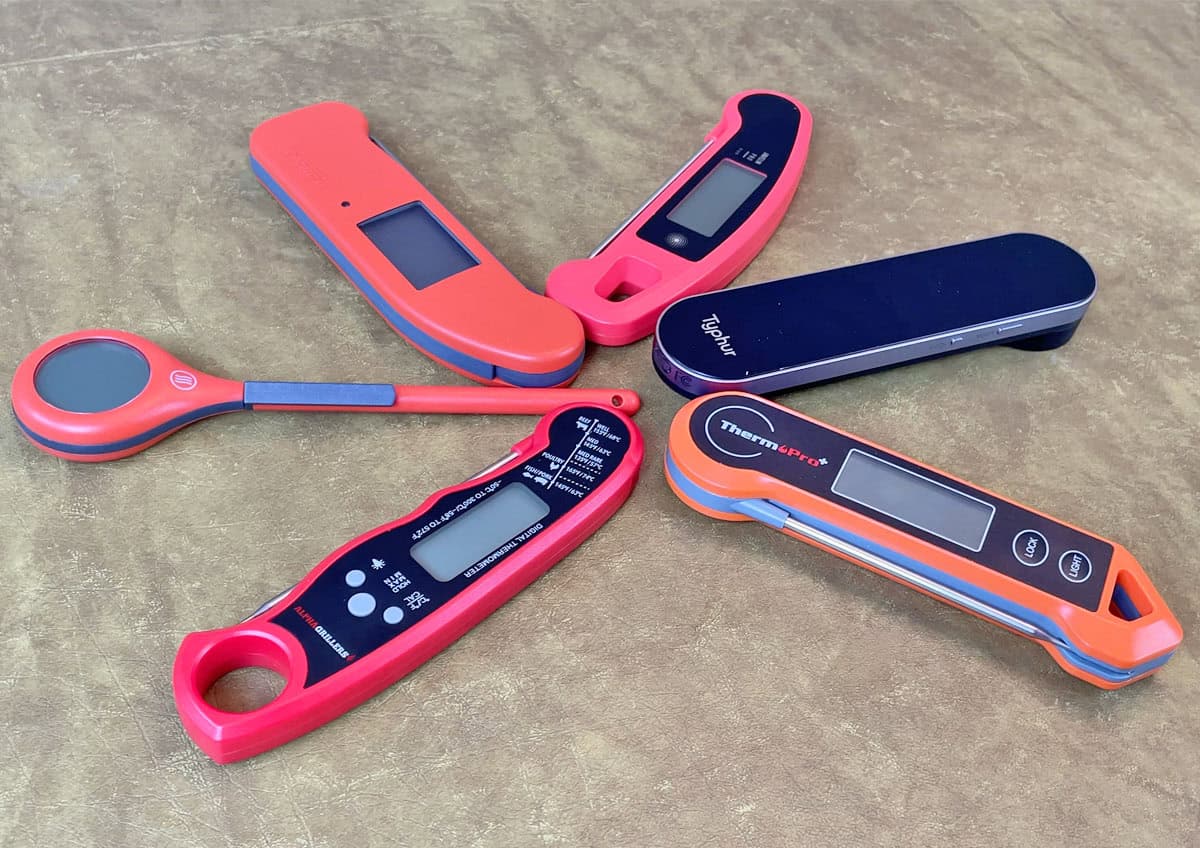
Credit: prudentreviews.com
Choosing The Right Thermometer
Using the right cooking thermometer helps you cook food safely and perfectly. It tells you the exact temperature inside your food.
There are many types of thermometers. Learning about each type will help you pick the best one for your kitchen.
Types Of Cooking Thermometers
Different thermometers serve different cooking needs. Here are the main types you can choose from.
- Instant-Read Thermometers:Show temperature quickly. Good for checking meat doneness.
- Probe Thermometers:Stay in the food while cooking. Ideal for ovens and grills.
- Infrared Thermometers:Measure surface temperature without touching food.
- Candy and Deep-Fry Thermometers:Designed for high temperatures in liquids.
- Oven-Safe Thermometers:Can be left in the oven during cooking.
Factors To Consider
Pick a thermometer that fits your cooking style and needs. Here are some things to think about.
| Factor | What to Check |
| Accuracy | How close the reading is to the actual temperature. |
| Speed | How fast the thermometer shows the temperature. |
| Durability | Whether it can handle heat and kitchen use. |
| Ease of Use | Simple controls and easy to read display. |
| Price | Cost fits your budget without losing quality. |
Best Thermometers From America’s Test Kitchen
America’s Test Kitchen tests many thermometers. They choose models that work well and last long.
| Thermometer | Type | Best Use | Price Range |
|---|---|---|---|
| ThermoPop | Instant-Read | Meat, poultry, and fish | Low |
| Thermapen Mk4 | Instant-Read | Quick and precise readings | High |
| CDN ProAccurate | Probe | Oven and grill cooking | Medium |
| OXO Good Grips | Candy/Deep-Fry | High-temperature liquids | Low to Medium |

Credit: www.amazon.com
Using Thermometers For Meat
Cooking meat to the right temperature keeps it safe to eat. Using a thermometer helps you check the inside temperature accurately.
Different meats need different temperatures. Knowing how to use a thermometer makes cooking easier and safer.
Ideal Temperatures For Different Meats
| Meat | Safe Internal Temperature (°F) |
| Chicken and Turkey | 165 |
| Beef (steaks and roasts) | 145 |
| Pork | 145 |
| Ground meats (beef, pork, lamb) | 160 |
| Fish and Shellfish | 145 |
How To Insert And Read The Thermometer
- Insert the thermometer into the thickest part of the meat.
- Avoid touching bone, fat, or gristle with the tip.
- Wait for the temperature to stabilize before reading.
- Read the temperature on the dial or digital display.
- Clean the thermometer after each use to prevent contamination.
Avoiding Common Mistakes
Do not insert the thermometer too shallow or in the wrong spot. This gives wrong readings.
- Do not guess the temperature by color or texture.
- Do not leave the thermometer in the meat during cooking unless it is designed for that.
- Do not forget to sanitize the thermometer before and after use.
- Do not rely on the cooking time alone to judge doneness.
Thermometers For Baking
Baking needs precise temperature control. Thermometers help check heat inside ovens and food.
Using the right thermometer improves bread and cake results. It keeps baking consistent and safe.
Checking Oven Temperature Accuracy
Oven temperatures can be different from what the dial shows. A thermometer shows the real heat inside.
Place the thermometer in the oven center. Wait 10-15 minutes to check the reading. Adjust your oven if needed.
- Put the thermometer on the middle rack
- Preheat oven fully before checking
- Compare thermometer reading with oven dial
- Adjust oven temperature if readings differ
Using Thermometers For Bread And Cakes
Internal temperature shows if bread or cake is done. It helps avoid undercooked or overbaked food.
Insert a food thermometer into the center of the bread or cake. Check temperature against recommended baking points.
- Bread is ready at about 190°F to 210°F
- Cakes are done near 200°F to 210°F
- Avoid touching pans with the thermometer
- Clean thermometer before and after use
Tips For Consistent Baking Results
Use an oven thermometer regularly to check heat accuracy. This keeps baking times reliable.
Always test baked goods with a food thermometer. This confirms doneness without guesswork.
- Calibrate oven thermometer once a month
- Use digital thermometers for faster readings
- Keep thermometers clean and stored safely
- Note temperature readings for your recipes
:max_bytes(150000):strip_icc()/sea-lavatools-javelin-pro-duothermometer-irvin-lin-02-27274081c11e44bf8b7c37932368ec19.jpeg)
Credit: www.seriouseats.com
Specialty Thermometers And Their Uses
Thermometers help measure temperature in cooking. Specialty thermometers are made for specific tasks.
Using the right thermometer improves cooking results and food safety.
Candy And Deep Fry Thermometers
Candy thermometers measure high heat for boiling sugar. They show exact temperatures for making candy.
Deep fry thermometers help keep oil at the right frying temperature. They prevent food from burning or being undercooked.
- Candy thermometers usually go up to 400°F or more
- Deep fry thermometers clip to pot sides for easy reading
- Both types resist high heat and steam
Instant-read Vs Leave-in Thermometers
Instant-read thermometers give a quick temperature reading. You use them to check food doneness fast.
Leave-in thermometers stay inside food during cooking. They monitor temperature without opening the oven or grill.
- Instant-read models usually take 3 to 5 seconds
- Leave-in thermometers have probes that handle heat for long times
- Both help cook meat safely and perfectly
Wireless And Smart Thermometers
Wireless thermometers send temperature data to your phone or device. You can watch food without being near the kitchen.
Smart thermometers connect to apps that store cooking info. They may alert you when food is done.
- Wireless thermometers use Bluetooth or Wi-Fi
- Smart models help track multiple foods at once
- Both types add convenience and control to cooking
Maintenance And Calibration
Thermometers from America’s Test Kitchen need care to work well. Keeping them clean and accurate helps you cook safely.
Regular maintenance improves your thermometer’s life. Calibration ensures it shows the right temperature every time.
Cleaning Your Thermometer
Clean your thermometer after every use. This stops bacteria from growing and keeps it safe to use.
Use warm water and mild soap. Wipe the probe gently with a soft cloth or sponge.
- Do not submerge the whole thermometer unless it is waterproof.
- Never use abrasive cleaners or scrubbers.
- Dry the thermometer before storing it.
Calibrating For Accuracy
Check your thermometer’s accuracy often. Calibration fixes any errors in temperature readings.
The easiest way to calibrate is the ice water test. It helps you see if your thermometer shows 32°F (0°C).
- Fill a glass with ice and add cold water.
- Stir the water and let it sit for a minute.
- Insert the thermometer probe into the water without touching the glass.
- Wait for the reading to stabilize.
- Adjust your thermometer if it does not read 32°F (0°C) according to the manual.
Storage Tips
Store your thermometer in a dry place. Keep it away from heat and moisture to avoid damage.
Use the protective case if your thermometer comes with one. This keeps the probe safe and clean.
- Keep the thermometer out of direct sunlight.
- Do not store it near sharp objects.
- Check batteries regularly if it is digital.
Troubleshooting Common Issues
Thermometers from America’s Test Kitchen help measure temperature accurately. Sometimes, they show errors or stop working well. Troubleshooting these problems is easy and saves time.
This guide covers common issues like inaccurate readings, slow response time, and battery or display problems. Follow simple tips to fix them.
Inaccurate Readings
If your thermometer gives wrong temperatures, check the probe for dirt or damage. A dirty probe can cause wrong readings.
Make sure you place the probe in the thickest part of the food. Avoid touching bones or fat, which can affect accuracy.
- Clean the probe with warm, soapy water
- Insert the probe fully into the food
- Calibrate the thermometer if possible
- Replace the thermometer if it still reads wrong
Slow Response Time
A slow thermometer takes longer to show the temperature. Cold probes or low battery can cause delays.
Keep the thermometer at room temperature before use. Check the battery and replace it if needed.
- Warm the probe slightly before testing
- Use fresh batteries
- Avoid using the thermometer in very cold environments
- Allow time for the thermometer to adjust
Battery And Display Problems
If the display is dim or the thermometer won’t turn on, the battery may be dead. Replace the battery with the correct type.
Check the battery contacts for dirt or corrosion. Clean them gently to ensure good connection.
- Use the recommended battery type
- Replace batteries regularly
- Clean battery contacts with a dry cloth
- Do not mix old and new batteries
Frequently Asked Questions
What Types Of Thermometers Does America’s Test Kitchen Recommend?
America’s Test Kitchen recommends instant-read, digital, and infrared thermometers. They prioritize accuracy, fast readings, and ease of use for cooking.
How Accurate Are America’s Test Kitchen Thermometer Reviews?
Their reviews use rigorous testing to ensure accuracy. Thermometers are evaluated for precision within 1-2 degrees Fahrenheit.
Which Thermometer Is Best For Grilling According To America’s Test Kitchen?
They recommend instant-read digital thermometers with quick response times. These provide reliable temperature readings for perfectly grilled meat.
Can America’s Test Kitchen Thermometers Improve Cooking Results?
Yes, their tested thermometers help achieve ideal temperatures. This ensures food safety and enhances flavor and texture.
Conclusion
Thermometers from America’s Test Kitchen deliver reliable cooking results. They help check food temperature quickly and safely. Choosing the right thermometer makes cooking easier and more fun. You get precise readings that keep meals tasty and safe. Trusting tested tools saves time and reduces guesswork.
Cooking with confidence feels good every time. Try one and see the difference yourself. Simple tools can improve your kitchen experience a lot.