Should I Put a Pot Filler in My Kitchen? Expert Guide
Imagine this: you’re in the middle of cooking a delicious meal, and you need to fill a large pot with water. Rather than lugging it over to the sink, what if you could simply fill it right where it sits on the stove?
This is exactly what a pot filler can offer. But before you decide, ask yourself: Should I Put a Pot Filler in My Kitchen? There are a few things you should consider before making this sleek and convenient addition.
Are you ready to discover how a pot filler could transform your cooking experience and make your kitchen more efficient? Dive into the pros and cons, and uncover whether this trendy fixture is worth the investment for your home. Keep reading to find out if a pot filler is the missing piece in your kitchen puzzle.
Benefits Of A Pot Filler
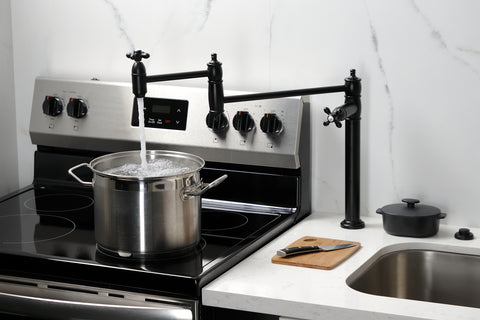
A pot filler is a faucet installed near your stove. It helps you fill pots with water without carrying them from the sink. This small addition can make cooking easier and more efficient.
Here are some benefits of having a pot filler in your kitchen. They save time, improve kitchen use, and reduce mess.
Saving Time And Effort
With a pot filler, you do not need to carry heavy pots filled with water. It lets you fill pots directly on the stove. This saves time and reduces physical effort.
- You fill pots faster and start cooking sooner.
- You avoid lifting heavy pots from sink to stove.
- You reduce the risk of spilling water while moving pots.
Enhancing Kitchen Functionality
A pot filler adds convenience and flexibility to your kitchen. It gives you an extra water source close to your cooking area. This helps when you need water for recipes or boiling.
| Function | Benefit |
| Water supply near stove | Quick access for cooking needs |
| Easy-to-use faucet arm | Simple to move and position |
| Folds back to wall | Saves space when not used |
Reducing Mess And Spills
Pot fillers help keep your kitchen clean. You fill pots without carrying water across counters. This lowers the chance of spills and drips.
- Place the pot directly under the faucet to catch all water.
- Use the faucet arm carefully to avoid splashing.
- Fold the arm back to keep counters dry after use.
Credit: www.angi.com
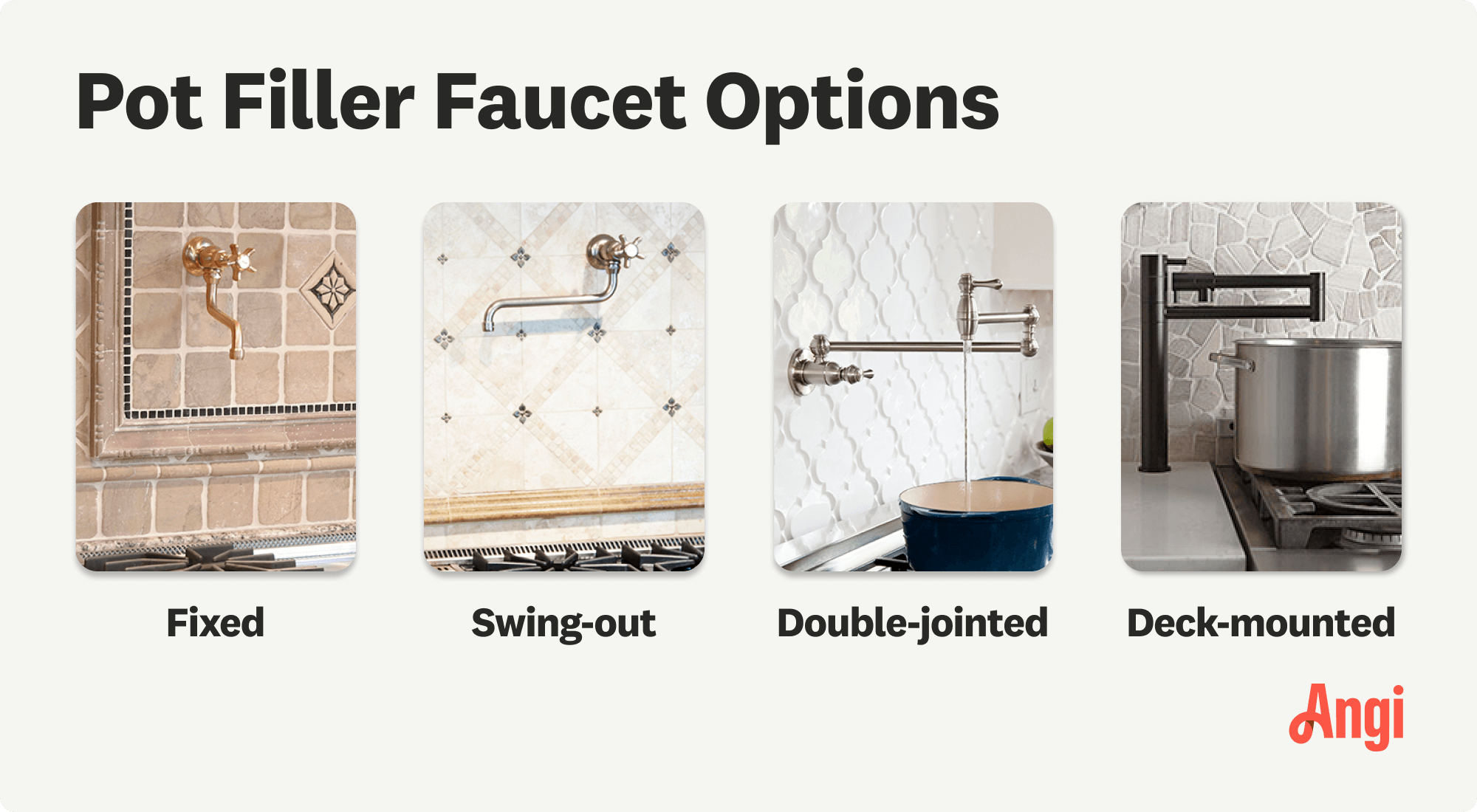
Types Of Pot Fillers
Pot fillers make filling large pots easier. They save trips to the sink.
There are different types of pot fillers. Each type fits certain kitchen styles.
Wall-mounted Models
Wall-mounted pot fillers attach directly to the wall above the stove. They swing out when you need water and fold back when not in use.
These models save counter space and keep water close to the cooking area.
Foldable And Retractable Options
Foldable and retractable pot fillers can be tucked away when not needed. They help keep the kitchen neat.
- Foldable arms that bend against the wall
- Retractable spouts that slide back into a housing
- Easy to use and space-saving
Material And Finish Choices
Pot fillers come in different materials and finishes. These affect durability and style.
| Material | Common Finishes | Benefits |
| Stainless Steel | Brushed, Polished | Rust-resistant, modern look |
| Brass | Antique, Polished | Classic style, durable |
| Chrome | Shiny | Easy to clean, bright finish |
Installation Considerations
Adding a pot filler in your kitchen can make cooking easier. It helps fill pots directly on the stove.
Before installing, think about plumbing, placement, and who will do the work.
Plumbing Requirements
A pot filler needs a water line connection near your stove. This usually means adding a new pipe or tapping into an existing one.
The water supply should have a shut-off valve for easy control. Proper sealing and fittings prevent leaks.
- Cold water line connection needed
- Shut-off valve for safety and control
- Use plumber’s tape for leak prevention
- Check local codes for plumbing rules
Placement And Reach
Place the pot filler above the stove for easy access. It should reach all burners without stretching.
Make sure it does not block other kitchen tasks. The arm should fold back against the wall when not in use.
- Install above the stove near burners
- Arm length should cover all pots
- Foldable arm saves space
- Avoid blocking cabinets or shelves
Professional Vs Diy Installation
Installing a pot filler is a plumbing job that needs care. Professionals know local codes and tools.
DIY installation can save money but requires plumbing skills. Mistakes may cause leaks or damage.
- Professionals ensure code compliance
- Expert installation reduces leaks
- DIY can be cheaper if skilled
- DIY risks include leaks and damage
Cost Factors
Adding a pot filler in your kitchen can be helpful. It lets you fill pots with water near the stove. But you need to know about the costs first. These costs include the pot filler’s price, installation, and upkeep.
Understanding these costs helps you decide if a pot filler fits your kitchen and budget. Let’s look at each cost factor closely.
Price Range Of Pot Fillers
Pot fillers come in many styles and brands. Their prices vary based on material, design, and features. Simple models cost less, while designer options cost more.
- Basic pot fillers start around $100.
- Mid-range options cost between $200 and $400.
- High-end or custom designs can go over $500.
Installation Expenses
Installing a pot filler is not the same as a regular faucet. It needs a water line near the stove. This often means extra plumbing work. Installation costs depend on your kitchen layout and plumber fees.
| Installation Task | Estimated Cost |
| Running new water line | $150 – $300 |
| Mounting the pot filler | $50 – $100 |
| Labor charges | $100 – $250 |
Long-term Maintenance Costs
Pot fillers need regular care to work well. They can develop leaks or wear out over time. Maintenance costs are usually low but vary by use and quality.
- Check for leaks and tighten fittings yearly.
- Replace washers or cartridges if dripping starts.
- Keep the joints clean to avoid buildup.
- Professional servicing may cost $50 to $150.
Potential Drawbacks
Adding a pot filler in your kitchen may seem useful. It lets you fill pots with water near the stove. Still, it has some drawbacks to think about.
These drawbacks can affect your kitchen’s space, safety, and style. Knowing them helps you decide if a pot filler fits your needs.
Space Limitations
Pot fillers need wall space above the stove or countertop. Small kitchens might not have enough room for this. Installing one can make the area feel crowded.
Also, pot fillers need clearance to fold out and reach pots. If space is tight, the arm might block movement or cooking tasks.
Possible Water Damage Risks
Pot fillers connect to the water supply near the stove. Leaks or drips can cause water damage to cabinets and walls. This risk is higher if the fixture is old or faulty.
Water damage can lead to mold, stains, and expensive repairs. You need to check the pot filler often to avoid these problems.
- Leaks behind cabinets
- Water stains on walls
- Mold growth in hidden areas
Compatibility With Kitchen Design
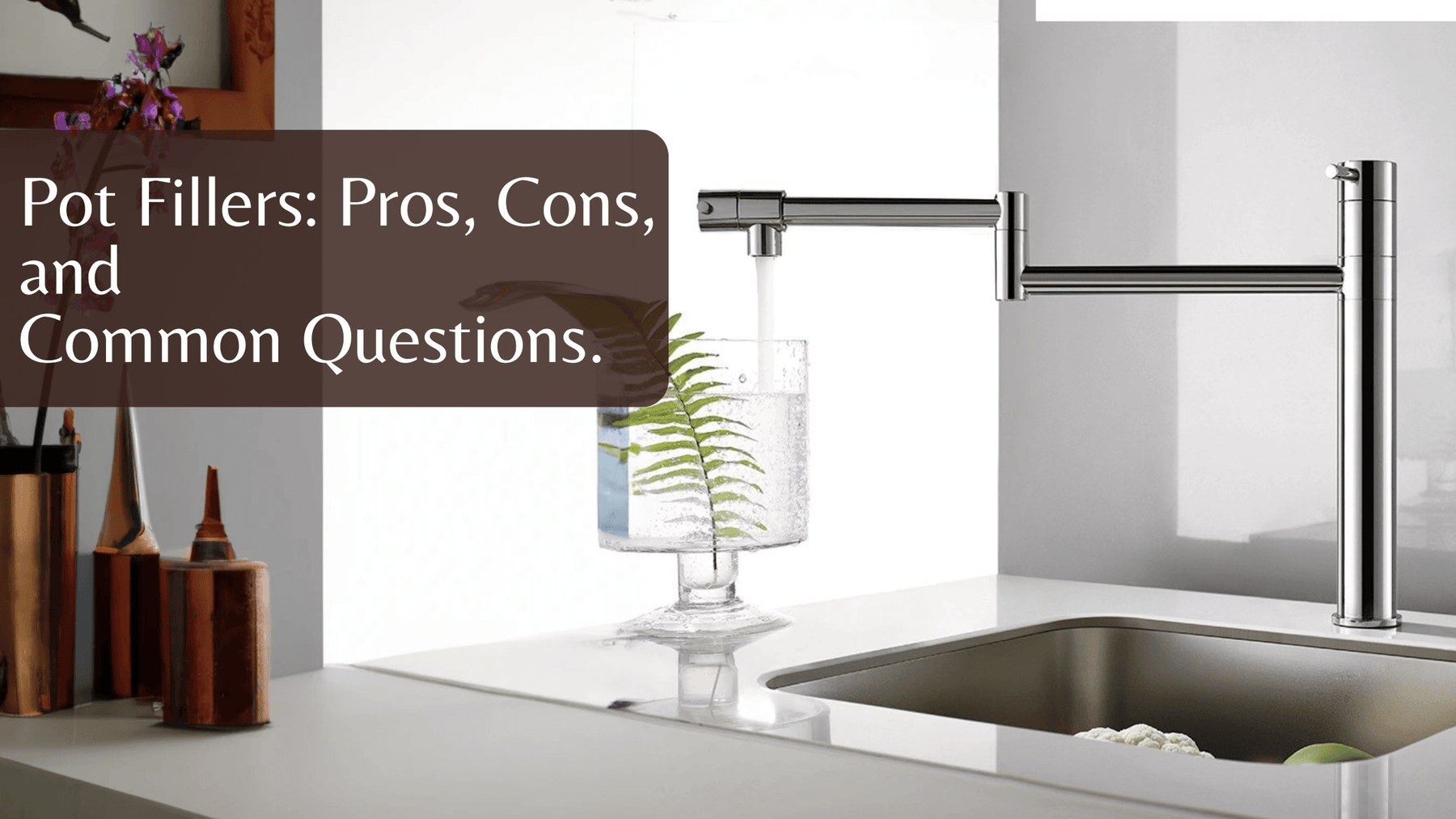
Pot fillers have a specific look that may not suit every kitchen style. They often have a traditional or industrial design. This might clash with modern or minimalist kitchens.
Matching the pot filler with your kitchen’s colors and finishes can be tricky. If it does not fit well, it can hurt the overall look.
Credit: bo-ha.com
Alternatives To Pot Fillers
Pot fillers are useful but not the only way to fill pots in the kitchen. Some people choose simpler or cheaper methods. These alternatives can work well without major changes to your kitchen.
Below are some common options to consider if you do not want to install a pot filler faucet.
Using A Water Pitcher
A water pitcher is a simple tool to fill pots. You fill the pitcher at the sink, then pour water directly into your cooking pot. It’s easy and requires no plumbing work.
- Use a large pitcher for fewer refills.
- Choose a pitcher with a comfortable handle for easy pouring.
- Keep the pitcher clean to avoid bad tastes.
Filling Pots At The Sink
Many people fill pots directly in the sink. This method uses your main faucet and avoids extra fixtures. It works well for pots that fit easily into the sink basin.
| Benefit | Consideration |
| No extra installation needed | Large pots may be hard to fit in the sink |
| Use existing faucet | May cause splashing if not careful |
| Easy to clean the pot after filling | Requires moving pot to stove after filling |
Installing A Secondary Faucet
A secondary faucet near your stove can be a good alternative to a pot filler. It uses existing water lines but adds a new tap for convenience.
This option is less common but offers flexibility for filling pots and other kitchen tasks.
- Can be placed where you need water most.
- Usually cheaper than a full pot filler installation.
- Needs some plumbing work but less complex.
Making The Decision
Adding a pot filler to your kitchen can make cooking easier. It lets you fill pots with water right at the stove.
Before installing one, think about your kitchen needs and setup. This will help you decide if a pot filler is right for you.
Assessing Your Cooking Habits
Consider how often you cook meals that need large pots of water. If you boil pasta or soup a lot, a pot filler can help.
If you mostly cook simple meals or use small pots, a pot filler might not add much convenience.
- Cook pasta, rice, or soup regularly
- Use large pots for cooking
- Prefer quick and easy kitchen tasks
- Rarely need to fill big pots at the stove
Evaluating Kitchen Layout
Look at where your stove and sink are placed. A pot filler needs a water line near the stove to work well.
If your kitchen is small or has limited plumbing options, adding a pot filler might be hard or costly.
- Check water supply access near the stove
- Consider space for the pot filler arm to extend
- Think about how it fits with your kitchen design
- Plan for possible plumbing work
Balancing Convenience And Cost
Pot fillers add convenience but come with extra costs. These include buying the fixture and plumbing installation.
Weigh how much time and effort you will save against the price. This helps you decide if it is worth it.
- Cost of pot filler fixture
- Plumbing and installation fees
- Time saved filling pots at the stove
- Potential kitchen value increase
Credit: www.kingstonbrass.com
Frequently Asked Questions
What Is A Pot Filler And How Does It Work?
A pot filler is a wall-mounted faucet near the stove. It delivers water directly into pots, saving trips to the sink. It makes cooking easier and reduces spills from carrying heavy pots.
Are Pot Fillers Worth Installing In Kitchens?
Pot fillers add convenience and style to kitchens. They save time and effort, especially for frequent cooking. While they cost more, many find the investment worthwhile for enhanced kitchen functionality.
Where Should I Place A Pot Filler In My Kitchen?
Pot fillers are best installed above the stove or cooktop. This location allows easy filling of pots without carrying them. Proper placement ensures safety and maximizes convenience during cooking.
Can Pot Fillers Increase My Kitchen’s Resale Value?
Yes, pot fillers can boost kitchen appeal and resale value. They are seen as a luxury feature by many buyers. This upgrade may attract more interest and higher offers for your home.
Conclusion
A pot filler can make cooking easier and faster. It saves time by filling pots right at the stove. This means less carrying heavy pots from the sink. It also adds a modern look to your kitchen. But, it takes space and needs extra plumbing.
Think about how often you cook large meals. Consider your kitchen size and budget too. A pot filler can be a useful tool for many homes. Choose what fits your needs and style best.