What Is the Paddle Attachment on a Stand Mixer? Uses, Tips & Baking Guide
Have you ever wondered what makes your favorite cookies so perfectly mixed or your cake batter smooth and creamy? The secret might just lie in a small but mighty tool.
Learn what is the paddle attachment on a stand mixer and how it can elevate your baking.If you’ve ever felt confused about the different attachments in your kitchen arsenal, you’re not alone. Understanding how the stand mixer paddle works can transform your baking experience from frustrating to flawless. Imagine effortlessly creating perfect doughs and batters every single time.Sound intriguing? Let’s uncover the magic behind this essential kitchen tool and how it can elevate your culinary creations to new heights. You won’t want to miss out on unlocking this secret to baking success!
Paddle Attachment Basics
The paddle attachment is a common tool used with stand mixers. It helps mix ingredients evenly without adding too much air.
This attachment is perfect for many cooking and baking tasks. It combines ingredients quickly and smoothly.
Design And Material
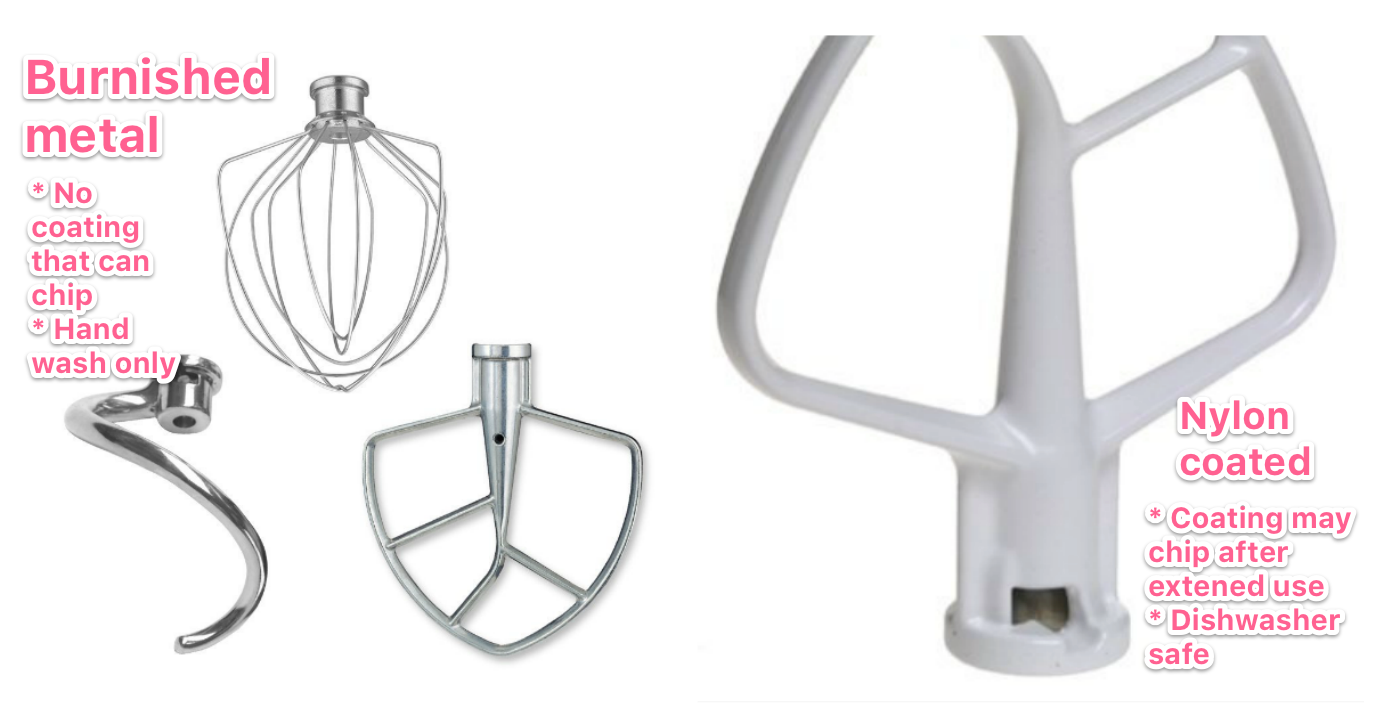
Paddle attachments come in different shapes and materials. Most have a flat or slightly curved shape to mix well.
- Usually made of metal or coated aluminum for durability
- Some have a non-stick coating for easy cleaning
- Designed to fit most stand mixers securely
- Size varies to match different mixer models
“Most paddle attachments are made of coated aluminum or stainless steel, which is durable and resists heat. The coating prevents sticky batters from adhering to the paddle, reducing cleanup and maintaining consistent mixing results.”
Common Uses
The paddle mixer is versatile and works well for many recipes, blending ingredients without over-aerating the mixture:
| Use | Description |
|---|---|
| Cake Batter | Mixes ingredients smoothly for a consistent texture |
| Cookie Dough | Combines flour and butter evenly without overworking |
| Mashed Potatoes | Mashes potatoes without making them gluey |
| Frosting | Mixes butter and sugar for creamy icing |

Credit: www.amazon.ca
How The Paddle Works
The stand mixer paddle moves in a flat, circular motion that scrapes the sides of the bowl while mixing ingredients. This ensures even distribution without whipping air into the mixture.
-
Mixes gently to prevent over-beating or tough dough
-
Reaches all parts of the bowl efficiently
“Professional bakers recommend the paddle attachment for thick batters because its flat scraping motion ensures even mixing without over-aerating, preserving structure and texture. Unlike a whisk, which adds volume, the paddle keeps cookies and pound cakes tender yet stable.”
Mixing Mechanism
The paddle moves in a flat, circular motion. It scrapes the bowl sides while mixing the ingredients.
- The paddle mixes without whipping air into the mixture.
- It combines ingredients smoothly and gently.
- This motion prevents over-beating or tough dough.
- The design allows it to reach all parts of the bowl.
Speed Settings
Different speeds help the paddle work well for many tasks. Choosing the right speed is important.
| Speed | Use |
| Low | Mix thick doughs and heavy batters |
| Medium | Combine ingredients for cookies and cakes |
| High | Lightly mix or blend soft ingredients |
Choosing the right speed is essential for baking with paddle attachment.
Best Recipes for Paddle Attachment
The paddle attachment stand mixer is ideal for recipes with thick or dense batter. Popular uses include:
This attachment works well for many recipes, especially those with thick or dense batter. Let’s explore some popular options.
Cookie Doughs
Perfect for mixing cookie dough paddle recipes evenly without overworking:
- Chocolate chip cookie dough
- Oatmeal raisin cookie dough
- Peanut butter cookie dough
- Snickerdoodle cookie dough
Cake Batters
The paddle attachment helps make smooth, consistent cake batter paddle:
| Type of Cake | Best Use |
| Butter cake | Mixing creamed butter and sugar |
| Pound cake | Combining dense batters |
| Yellow cake | Even mixing of wet and dry ingredients |
Frostings And Creams
The paddle attachment whips up smooth frostings and creams. It blends ingredients without making them too airy.
- Buttercream frosting
- Cream cheese frosting
- Whipped cream
- Chocolate mousse
- Professional pastry chefs use a trick for perfect paddle-mixed buttercream: “To eliminate all graininess and air bubbles from your buttercream or cream cheese frosting, run the paddle attachment on the absolute lowest speed (Speed 1 or ‘Stir’) for 5 to 7 minutes after all ingredients are fully incorporated. The slow, gentle motion essentially ‘massages’ the air out of the frosting, resulting in a silky, restaurant-quality smooth finish that’s incredibly easy to achieve with the paddle.”
Credit: medium.com
Paddle Vs Other Attachments
The paddle attachment on a stand mixer is useful for many tasks. It mixes ingredients evenly without adding too much air.
Other attachments like the whisk and dough hook serve different purposes. Each has a special use in the kitchen.
Whisk Comparison
The whisk attachment is designed to add air to mixtures. It is perfect for whipping cream or egg whites.
The paddle mixes ingredients without making them fluffy. It is better for batters and doughs that need a smooth texture.
- Whisk adds air and volume
- Paddle mixes ingredients evenly without air
- Whisk is used for light and airy mixes
- Paddle works well for thick batters and cookie dough
Dough Hook Comparison
The dough hook is shaped to knead dough. It works slowly to develop gluten in bread and pizza dough.
The paddle does not knead but mixes ingredients quickly. It is better for soft doughs and cookie mixes.
- Dough hook kneads and stretches dough
- Paddle mixes without kneading
- Dough hook is best for bread and pizza dough
- Paddle suits cookie dough and cake batter
Tips For Using the Paddle
The paddle attachment is a common tool for stand mixers. It mixes dough, batter, and other ingredients well. Using it properly helps get the best results.
Here are some tips to use the paddle attachment with care. They focus on mixing correctly and keeping the tool clean.
Preventing Overmixing
Overmixing can ruin the texture of your dough or batter. The paddle can mix fast, so watch the time carefully. Stop mixing as soon as ingredients combine.
Mixing too long can make cakes dense or cookies tough. Use low speed and check your batter often.
- Use the lowest speed that blends ingredients
- Mix only until ingredients just combine
- Stop and scrape the bowl to check consistency
- Follow recipe mixing times closely
“Overmixing can activate too much gluten in flour-based recipes, creating a tough or dense crumb. The paddle attachment is designed to mix gently, so always stop when ingredients are just combined to achieve the ideal texture.”
Cleaning And Maintenance
Clean the paddle attachment right after use. This stops food from drying and sticking. Use warm, soapy water and a soft sponge.
Check the paddle for cracks or damage regularly. Store it in a dry place to avoid rust or wear.
- Wash the paddle soon after mixing
- Use gentle soap and avoid harsh scrubbers
- Inspect the paddle for any cracks or chips
- Dry the attachment completely before storing
- Keep it away from extreme heat or moisture

Credit: www.cakesandmore.in
Troubleshooting Common Issues
The paddle attachment on a stand mixer is great for many recipes. It helps mix dough, batters, and more. Sometimes, it may not work as expected.
This guide covers two common problems: uneven mixing and attachment fit problems. You will find easy tips to fix these issues.
Uneven Mixing
Uneven mixing happens when some parts of your batter or dough stay unmixed. The paddle may miss some spots in the bowl.
- Check the bowl size. Use the correct bowl for your mixer.
- Scrape the bowl sides with a spatula during mixing.
- Do not overload the mixer with too much dough or batter.
- Make sure the paddle is the right type for your recipe.
- Mix at the right speed suggested by your recipe.
Attachment Fit Problems
If the paddle attachment does not fit well, it can wobble or not spin properly. This causes poor mixing and noise.
| Problem | Cause | Solution |
| Loose attachment | Worn or damaged connection | Inspect and replace worn parts |
| Cannot attach paddle | Wrong paddle or misalignment | Check model compatibility and align carefully |
| Attachment falls off | Improper locking | Push paddle firmly until it clicks |
Frequently Asked Questions
What Is the Paddle Attachment Used For?
The paddle attachment mixes ingredients evenly without adding air. It’s ideal for cookie dough, cake batter, and frostings. It ensures smooth, consistent texture without overmixing or whipping.
How Does the Paddle Attachment Differ from a Whisk?
The paddle attachment mixes thick, dense mixtures. The whisk adds air to light, fluffy batters. Paddle is for doughs and creams; whisk is for whipping and aerating.
Can The Paddle Attachment Knead Dough?
No, the paddle attachment is not for kneading dough. Use the dough hook attachment instead, designed specifically for kneading bread or pizza dough.
Is The Paddle Attachment Dishwasher Safe?
Most paddle attachments are dishwasher safe but check your mixer’s manual. Hand washing extends the attachment’s life and maintains its finish.
Conclusion
The paddle attachment mixes ingredients evenly and quickly. It works well for batters, doughs, and frostings. Using it saves time and effort in the kitchen. You get smooth and consistent results every time. This tool makes baking easier and more fun.
Simple to use, it fits most stand mixers. Try the paddle attachment to improve your cooking today.To see a quick, visual guide explaining the difference between the paddle, whisk, and dough hook and when to use each for your batters and doughs, check out this easy-to-follow tutorial: