Best Outdoor Kitchen Smoker Ideas for 2026
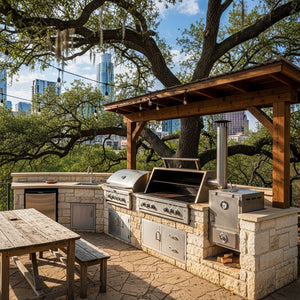
Imagine transforming your backyard into a culinary paradise, where the aroma of smoked brisket mingles with the fresh air. An outdoor kitchen with a smoker can be your ticket to hosting unforgettable gatherings, where friends and family savor mouthwatering meals in the great outdoors.
Have you ever thought about how adding a smoker to your outdoor kitchen could elevate your cooking game? Whether you’re a seasoned grill master or just getting started, the right setup can make all the difference. Dive into this guide and discover creative smoker ideas that will not only enhance your outdoor space but also ignite your passion for cooking.
Get ready to unlock the secrets to impressing your guests with flavors that are simply unforgettable.
Choosing The Right Smoker
Building an outdoor kitchen with a smoker adds great flavor to your meals. Choosing the right smoker is important for your cooking style and space.
Consider different types, fuel options, and size before buying. This guide helps you make the best choice for your outdoor kitchen.
Types Of Smokers For Outdoor Kitchens
Smokers come in many styles. Each type offers a unique way to cook and smoke food.
Popular types include offset smokers, vertical water smokers, and pellet smokers. Choose one that fits your cooking habits.
- Offset smokers: Use a separate firebox for indirect heat.
- Vertical water smokers: Have a water pan to keep meat moist.
- Pellet smokers: Use wood pellets with electric controls.
- Kamado smokers: Made of ceramic for excellent heat retention.
Fuel Options And Their Impact
Fuel type affects taste, cooking time, and ease of use. Common fuels include charcoal, wood, pellets, and gas.
Charcoal and wood give a smoky flavor but need more attention. Pellets and gas are easier but can have less smoke taste.
- Charcoal: Traditional, adds rich smoky flavor.
- Wood: Offers strong smoke taste, needs skill.
- Pellets: Convenient, consistent heat, moderate smoke.
- Gas: Quick start, less smoky flavor.
Size And Capacity Considerations
Pick a smoker size that fits your space and how much food you cook. Too big or too small can be a problem.
Think about how many people you cook for and the smoker’s cooking area. Also, consider storage and movement space in your outdoor kitchen.
- Small smokers: Good for small families or limited space.
- Medium smokers: Fit most families and moderate cooking needs.
- Large smokers: Best for big groups and frequent cooking.
Designing Your Outdoor Smoker Setup
Creating an outdoor smoker area can add fun to your cooking space. Planning the design helps you use space well.
Think about how the smoker fits in with your kitchen and outdoor area. This makes cooking easier and more enjoyable.
Integrating Smokers Into Kitchen Layouts
Place your smoker close to the main cooking area for easy access. Keep enough space around it for safety and movement.
Plan the layout so smoke does not blow into seating or eating areas. Use vents or position the smoker upwind if possible.
- Keep smoker near prep and grill stations
- Leave clear walkways around the smoker
- Consider wind direction for smoke flow
- Use heat-resistant surfaces nearby
Weatherproofing And Durability
Choose materials that stand up to sun, rain, and wind. Stainless steel and stonework well for outdoor smokers.
Cover your smoker with a waterproof cover when not in use. This protects it from rust and damage.
- Use rust-resistant materials for smoker and cabinets
- Seal wooden parts to prevent water damage
- Install a roof or awning for extra protection
- Check and maintain your smoker regularly
Storage And Workspace Planning
Plan storage space for wood chips, tools, and spices near your smoker. This keeps everything you need close.
Include enough counter space for food prep and plating. A clean workspace helps keep cooking smooth and safe.
- Build shelves or cabinets for smoker supplies
- Set up a prep table next to the smoker
- Keep cleaning tools handy for quick cleanup
- Use weatherproof storage containers
Essential Accessories For Smoker Success
Using the right accessories can improve your outdoor kitchen smoker experience. These tools help you control flavor and cooking results.
Focus on items that keep temperature steady, add good smoke flavor, and make cleaning easier. These make smoking meat more enjoyable.
Thermometers And Temperature Controls
Thermometers help you check the smoker’s heat and the food’s inside temperature. Good temperature control keeps meat juicy and safe to eat.
Look for digital or wireless thermometers for easy reading. Some models connect to phones for alerts and data tracking.
- Meat probe thermometers
- Ambient temperature gauges
- Wireless or Bluetooth thermometers
- Electric temperature controllers
Wood Chips And Flavor Enhancers
Wood chips add smoke flavor to your food. Different woods give different tastes like sweet, spicy, or strong smoke.
Try soaking chips in water before use. This makes the smoke last longer and prevents burning too fast.
- Hickory for bold, smoky flavor
- Applewood for sweet, mild taste
- Mesquite for strong, earthy smoke
- Cherry wood for fruity, rich aroma
Cleaning And Maintenance Tools
Cleaning your smoker keeps it working well and extends its life. Remove ashes and grease after each use.
Use brushes and scrapers designed for smokers. These tools reach tight spots and avoid damage.
- Wire grill brushes
- Scrapers for removing stuck food
- Ash scoops for easy cleanup
- Heat-resistant gloves for safety
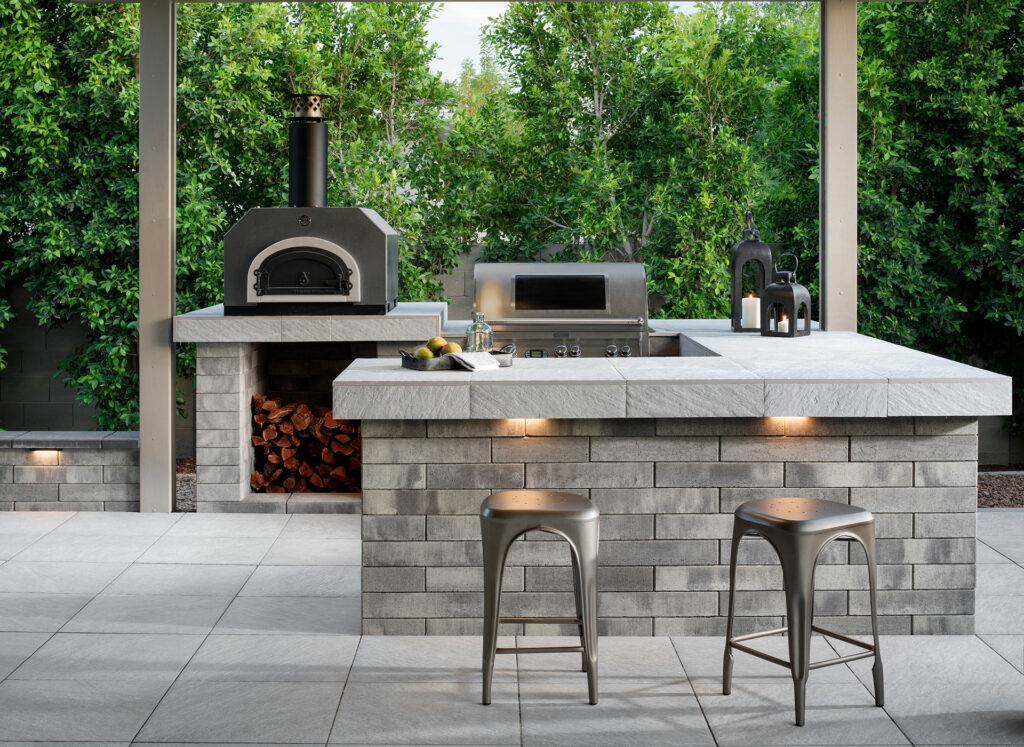
Mastering Smoking Techniques
Smoking food outdoors adds rich flavors and a unique touch to meals. It takes time and care to smoke meat well.
Learning the right smoking techniques helps you cook tender and tasty dishes every time.
Preparing Meat For Smoking
Start with fresh, high-quality meat for the best results. Trim excess fat but leave some for flavor.
Marinate or dry rub the meat to add taste. Let it sit in the fridge before smoking.
- Pat meat dry to help smoke stick
- Use salt and spices in dry rubs
- Marinate with acidic ingredients for tenderness
- Let meat rest at room temperature before cooking
Controlling Smoke And Heat Levels
Keep the smoker temperature steady, usually between 225°F and 275°F. This cooks meat slowly and keeps it juicy.
Use wood chips or chunks that burn well and add good flavor. Avoid too much smoke, which can make meat bitter.
- Maintain airflow for consistent heat
- Use a water pan to add moisture
- Check temperature with a reliable thermometer
- Add wood in small amounts to control smoke
Timing And Cooking Methods
Smoking takes time and patience. Larger cuts need more hours at low heat to cook fully.
Use indirect heat to avoid burning. Wrap meat in foil for the last part to keep it moist.
- Check internal meat temperature for doneness
- Use slow and low heat to break down connective tissue
- Rest meat after smoking to keep juices inside
- Adjust cooking times based on meat size and type
Creative Flavor Ideas
Smoking food outdoors is a great way to add unique flavors. You can try different woods, spices, and side dishes. These ideas help make your outdoor kitchen smoker meals tasty and fun.
Discover how to use wood types, marinades, and drinks to boost flavor. Each choice changes the taste in its own way. Let’s explore some creative ideas to try next time you smoke food.
Experimenting With Wood Varieties
Different woods create different flavors in smoked food. Fruit woods give a mild, sweet taste. Hardwoods add strong, bold flavors. Mixing woods can also create new tastes.
- Apple wood: light and fruity flavor
- Hickory: strong and smoky taste
- Cherry: sweet and rich aroma
- Mesquite: intense and earthy smoke
- Pecan: nutty and mild flavor
Marinades And Rubs For Bold Tastes
Marinades and rubs add layers of flavor before smoking. Use acidic bases like vinegar or citrus to tenderize meat. Rubs with spices and herbs boost taste and create crusts.
| Type | Key Ingredients | Flavor Effect |
| Classic BBQ Rub | Paprika, brown sugar, salt, pepper | Sweet and smoky |
| Spicy Cajun Rub | Cayenne, garlic powder, thyme, oregano | Hot and savory |
| Citrus Marinade | Lemon juice, orange zest, olive oil | Bright and tangy |
| Herb Marinade | Rosemary, thyme, garlic, olive oil | Earthy and fresh |
Pairing Sides And Drinks
Good sides and drinks balance smoky flavors. Choose fresh and simple sides to refresh the palate. Drinks can complement or contrast the taste of smoked foods.
- Coleslaw: crunchy and cool
- Baked beans: sweet and hearty
- Grilled corn: smoky and sweet
- Light beer: crisp and refreshing
- Iced tea: cool and mild
- Red wine: rich and smooth

Safety Tips For Outdoor Smoking
Outdoor smoking adds great flavor to food but needs careful safety steps. Following simple rules can keep your cooking safe and fun.
This guide covers fire safety, ventilation, and food handling to help you use your outdoor smoker with care.
Fire Prevention And Management
Preventing fires is the top priority when using an outdoor smoker. Always keep a fire extinguisher nearby and never leave the smoker unattended.
- Place the smoker on a flat, non-flammable surface.
- Clear the area of dry leaves and other flammable materials.
- Keep a spray bottle of water handy for small flare-ups.
- Check for gas leaks if using a gas smoker.
- Have a fire extinguisher rated for grease fires nearby.
Proper Ventilation
Good airflow is key to safe smoking. It prevents smoke buildup and reduces the risk of harmful gases.
| Ventilation Tip | Reason |
| Keep smoker lid slightly open | Allows smoke to escape safely |
| Position smoker in open area | Prevents gas buildup around the smoker |
| Do not smoke indoors or in closed spaces | Avoids carbon monoxide poisoning |
Safe Food Handling Practices
Handling food safely reduces the risk of foodborne illness when smoking outdoors.
- Wash hands before and after handling raw meat.
- Use separate utensils for raw and cooked foods.
- Keep perishable foods refrigerated until ready to cook.
- Cook meat to safe internal temperatures using a meat thermometer.
- Store leftovers promptly in sealed containers.
Frequently Asked Questions
What Are The Best Smoker Types For Outdoor Kitchens?
The best smokers for outdoor kitchens include offset smokers, pellet smokers, and charcoal smokers. Each offers unique flavor and cooking control. Choose based on space, fuel preference, and cooking style to enhance your outdoor cooking experience.
How To Integrate A Smoker Into An Outdoor Kitchen Design?
Integrate a smoker by allocating dedicated space with proper ventilation. Ensure easy access to fuel and tools. Position it near prep areas for convenience. This setup boosts functionality and keeps your outdoor kitchen stylish and efficient.
What Materials Are Ideal For Outdoor Kitchen Smokers?
Stainless steel and cast iron are ideal materials for outdoor smokers. They resist rust and retain heat effectively. These materials ensure durability and consistent cooking performance in various weather conditions.
How To Maintain An Outdoor Kitchen Smoker Properly?
Clean the smoker after each use to prevent residue buildup. Check seals and vents regularly. Cover it when not in use to protect from weather. Proper maintenance extends the smoker’s life and preserves cooking quality.
Conclusion
Outdoor kitchen smokers add great flavor to your meals. They bring friends and family closer for fun times. Choosing the right smoker fits your space and cooking style. Keep safety and ease of use in mind. Experiment with different woods and recipes to find your favorite taste.
Enjoy fresh, smoky dishes right in your backyard. Your outdoor kitchen becomes a place for good food and good memories. Start planning your smoker setup today and taste the difference.