Kitchen Propane Vs Natural Gas Grill 2026 Comparison
Choosing the right grill for your outdoor kitchen can feel overwhelming, especially when deciding between propane and natural gas options. As you stand in the aisle, surrounded by gleaming stainless steel and a multitude of features, you might wonder: which is truly the best fit for your backyard culinary adventures?
The decision you make will impact not only the flavor of your meals but also your convenience and long-term costs. Imagine hosting the perfect summer barbecue, where everything goes smoothly, and your grill performs flawlessly. That’s the experience we’re here to help you achieve.
By understanding the differences between propane and natural gas grills, you can make an informed choice that suits your lifestyle and cooking needs. Stick with us as we dive into the pros and cons of each option, ensuring you feel confident and excited about your new outdoor kitchen setup.

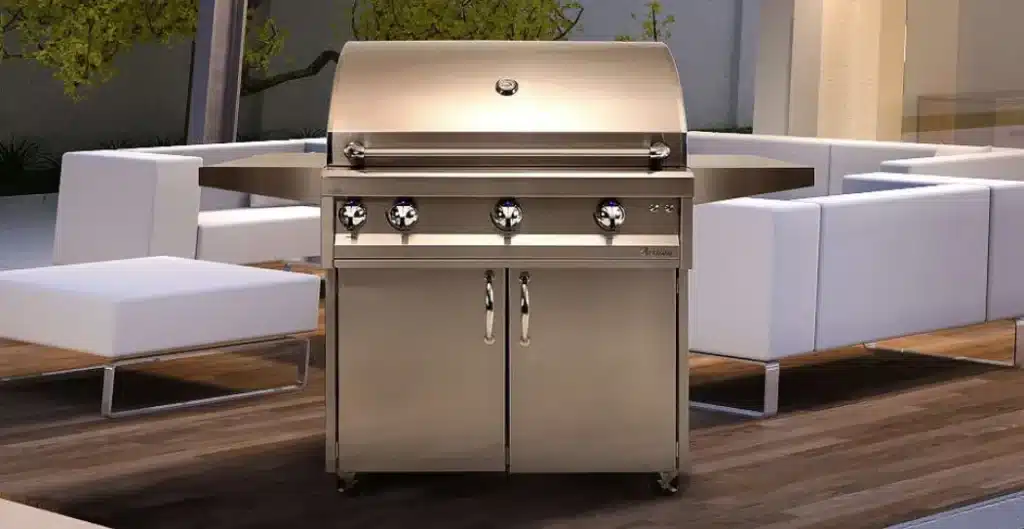
Credit: authenteak.com
Fuel Types At A Glance
Outdoor kitchens often use propane or natural gas for grilling. Both fuels have unique features. Knowing these helps you pick the right grill.
This guide explains the basics of propane and natural gas. It covers how they work and their benefits for outdoor cooking.
Propane Basics
Propane is a liquid fuel stored in tanks. It is portable and easy to use for outdoor grills. Many people choose propane for its flexibility.
Propane grills heat up quickly and offer good control over cooking. You can move the grill easily because tanks are compact.
- Stored in refillable tanks
- Portable and easy to connect
- Quick heating time
- Works well in all weather
Natural Gas Essentials
Natural gas comes from underground pipes. It flows continuously to your grill without needing tanks. This makes it convenient for fixed outdoor kitchens.
Natural gas grills usually cost less to run. They provide a steady supply of fuel and do not need refilling. You will need a gas line installed.
- Supplied through home gas lines
- Continuous fuel flow without refills
- Lower fuel cost than propane
- Requires professional installation
Installation Factors
Choosing between a propane and natural gas grill affects how you install your outdoor kitchen. Each fuel type needs different setups and safety steps.
This guide covers the main installation factors to help you plan your outdoor cooking space.
Setup And Costs
Propane grills need a tank placed outside or inside the kitchen area. You must refill the tank regularly. Natural gas grills connect to your home’s gas line.
Natural gas connection requires a professional plumber. Propane setup is simpler but needs space for the tank. Costs vary by installation type and location.
- Propane grills need a storage tank and refills.
- Natural gas grills connect to existing home gas lines.
- Natural gas installation costs more due to piping.
- Propane tanks cost less but need regular replacement.
- Professional help is recommended for both setups.
Safety Considerations
Both propane and natural gas grills must follow safety rules. Proper ventilation and leak checks are important for safe use.
Keep propane tanks away from heat sources. Natural gas lines must be checked by a professional to prevent leaks and hazards.
- Check all connections for leaks before use.
- Use a soap and water test to find gas leaks.
- Keep propane tanks upright and outside the kitchen.
- Install grills away from flammable materials.
- Have a fire extinguisher nearby when grilling.
Performance Comparison
Choosing the right fuel for your outdoor kitchen grill is important. Propane and natural gas each offer different benefits. Understanding their performance can help you decide which fits your cooking style.
This comparison looks at heat output and control, along with cooking consistency. These factors affect how well your grill cooks and how easy it is to use.
Heat Output And Control
Propane grills usually provide higher heat output than natural gas grills. They can reach higher temperatures quickly. Natural gas grills offer steady heat but often at a lower maximum temperature.
| Feature | Propane Grill | Natural Gas Grill |
|---|---|---|
| Heat Output (BTU) | 30,000 – 60,000 | 20,000 – 50,000 |
| Heat Control | Fast and precise adjustments | Smoother but slower changes |
| Fuel Pressure | Higher pressure | Lower pressure |
Cooking Consistency
Natural gas grills provide steady heat over long cooking times. Propane grills heat up fast but may have more heat spikes. Consistent heat helps cook food evenly and prevents burning.
- Natural gas keeps a steady flame for slow cooking.
- Propane is good for quick searing and high heat.
- Both fuels work well for grilling but suit different needs.
- Check your grill’s design for better heat distribution.
Cost Analysis
Choosing between a propane or natural gas grill affects your budget. Understanding costs helps you decide which fits your needs.
Both grills have upfront and ongoing expenses. Let’s look at these costs to compare them clearly.
Initial Investment
Propane grills usually cost less to buy. Natural gas grills need extra setup, which can raise the price.
- Propane grills are ready to use out of the box.
- Natural gas grills often require a professional installation.
- Installation may include running gas lines and permits.
- Natural gas grills tend to have a higher initial price tag.
Long-term Expenses
Propane costs more per unit than natural gas. But natural gas grills connect to a home’s supply, so bills vary.
| Cost Type | Propane Grill | Natural Gas Grill |
|---|---|---|
| Fuel Cost (per hour) | $1.50 | $1.00 |
| Tank Refills / Supply | Requires periodic tank refills | Continuous supply from home gas line |
| Maintenance | Low, mostly grill cleaning | Low, plus occasional line checks |
Portability And Convenience
Choosing between propane and natural gas grills depends on how you plan to use your outdoor kitchen. Portability and ease of use are key factors.
This guide focuses on two main points: mobility options and fuel availability for outdoor kitchen grills.
Mobility Options
Propane grills offer great mobility. You can move them easily since they run on portable tanks. Natural gas grills need a fixed gas line, so they stay in one spot.
- Propane grills use tanks you can carry and replace.
- Natural gas grills connect to a home gas line and are not portable.
- Propane tanks come in different sizes to match your grill size.
- Natural gas grills are better if you want a permanent outdoor kitchen setup.
Fuel Availability
Fuel access affects convenience. Propane is easy to find and refill almost anywhere. Natural gas requires a connection to your home’s gas line.
| Fuel Type | Availability | Refill or Supply |
| Propane | Widely available at many stores | Refill tanks or swap at retailers |
| Natural Gas | Available only if home has gas service | Continuous supply through gas line |
Environmental Impact
Choosing between a propane or natural gas grill affects the environment. Both fuels burn cleaner than charcoal but differ in their impact.
Understanding emissions and sustainability helps pick a greener outdoor kitchen option.
Emissions And Efficiency
Natural gas burns cleaner than propane. It produces less carbon dioxide and fewer pollutants.
Propane is efficient but emits more greenhouse gases per unit of energy.
- Natural gas emits about 117 pounds of CO2 per million BTUs
- Propane emits about 139 pounds of CO2 per million BTUs
- Both fuels produce less smoke and soot than charcoal
Sustainability Factors
Natural gas comes through pipelines, reducing the need for tanks and transport emissions. Propane needs to be stored and delivered in tanks.
Using natural gas lowers the chance of leaks from tanks. Propane tanks can leak, causing environmental harm.
- Natural gas has a steady supply with less packaging waste
- Propane requires refilling or replacement of tanks
- Both fuels are non-renewable but natural gas is often cheaper and cleaner
Maintenance And Durability
Choosing between a propane or natural gas grill affects how you care for your outdoor kitchen. Both types need regular upkeep to stay in good shape. Understanding maintenance helps keep your grill safe and working well.
Durability is also important. It tells how long your grill will last with proper care. Knowing lifespan expectations guides your purchase decision and maintenance routine.
Cleaning And Upkeep
Both propane and natural gas grills need cleaning after each use. Grease and food residue can cause damage over time. Proper cleaning prevents rust and keeps burners working.
- Clean grill grates with a wire brush after cooking
- Empty and clean grease trays regularly
- Check gas connections and hoses for leaks
- Cover the grill when not in use to protect from weather
- Inspect burners and clean blockages to ensure even heat
Lifespan Expectations
Propane grills often last around 5 to 10 years with regular care. Natural gas grills tend to have a longer lifespan, sometimes over 10 years. Material quality and usage also affect durability.
| Grill Type | Average Lifespan | Key Durability Factors |
| Propane Grill | 5-10 years | Tank replacement, burner quality |
| Natural Gas Grill | 8-15 years | Gas line condition, stainless steel parts |
Choosing The Right Grill
Choosing between propane and natural gas grills is important for your outdoor kitchen. Both fuels offer good heat and flavor but differ in setup and use.
Think about how you use your grill daily. This helps pick the best option for your cooking style and space.
Lifestyle Fit
Propane grills give you freedom to move the grill anywhere. They work well for people who like to change their cooking spot often. Natural gas grills connect to your home’s gas line. This means you don’t need to refill tanks, but the grill stays in one place.
- Propane is good for portable grilling and tailgates.
- Natural gas suits fixed outdoor kitchens with steady use.
- Consider how often you grill and how much fuel you want to manage.
Space And Design
Space affects your choice between propane and natural gas grills. A natural gas grill needs a gas line connection, which limits placement. Propane grills need storage for tanks and more ventilation.
| Feature | Propane Grill | Natural Gas Grill |
| Fuel Source | Portable tanks | Home gas line |
| Placement | Flexible | Fixed location |
| Tank Storage | Required | Not needed |
| Installation | Simple | Needs professional setup |
| Ventilation Needs | Higher | Lower |
Frequently Asked Questions: Kitchen Propane Vs Natural Gas Grill
What Are The Main Differences Between Propane And Natural Gas Grills?
Propane grills use portable tanks, while natural gas grills connect to a home’s gas line. Propane heats faster, but natural gas is cheaper and cleaner. Both offer efficient cooking but differ in fuel convenience and installation requirements.
Is Propane Or Natural Gas Better For Outdoor Kitchens?
Propane offers portability, making it ideal for flexible setups. Natural gas provides a steady fuel supply and lower running costs. Choose based on convenience, fuel availability, and long-term usage preferences for your outdoor kitchen.
How Does Cost Compare Between Propane And Natural Gas Grills?
Propane costs more per unit but requires tank refills. Natural gas is cheaper and billed through your utility provider. Initial setup for natural gas is higher, but overall operating costs are lower compared to propane.
Are Propane Grills Easier To Install Than Natural Gas Grills?
Yes, propane grills are easier to install since they use portable tanks. Natural gas grills need professional installation with a gas line, which can be costly and time-consuming.
Conclusion
Choosing between propane and natural gas grills depends on your needs. Propane grills offer portability and quick setup. Natural gas grills provide a steady fuel supply and lower cost over time. Both types cook food well and add fun to outdoor cooking.
Think about your space, budget, and how you plan to use the grill. This helps pick the best option for your outdoor kitchen. Enjoy grilling and delicious meals with either choice!