
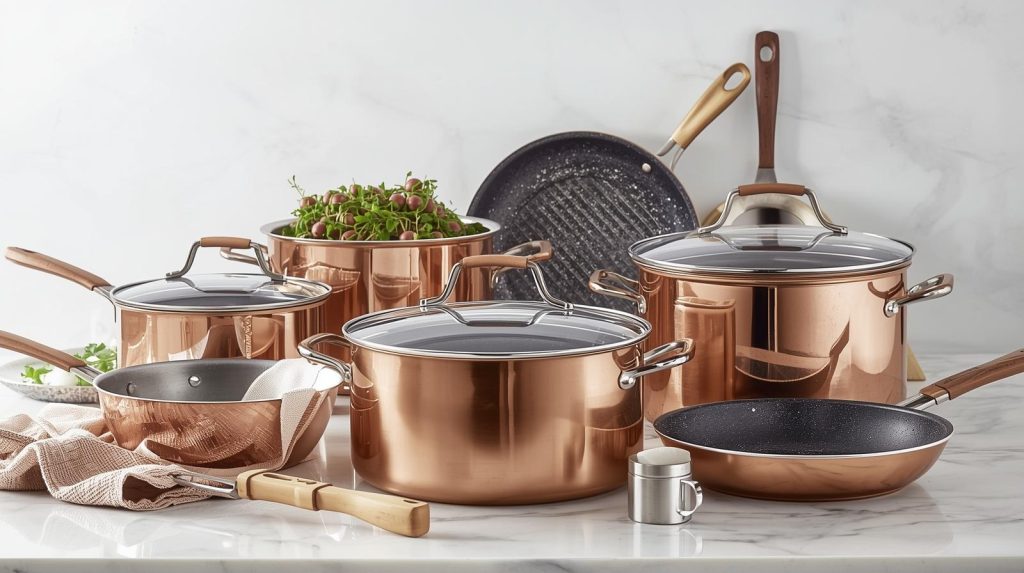
When it comes to cooking, having the right pots and pans can make all the difference. Imagine preparing your favorite meals with tools that fit perfectly in your hands, heat evenly, and last for years.
You don’t need a kitchen full of gadgets—just a few Must Have Kitchen Pots And Pans that will transform your cooking experience. You’ll discover exactly which pots and pans you need to make every dish better and your time in the kitchen easier. Keep reading and get ready to upgrade your cookware for good.

Credit: www.eater.com
Essential Cookware Types
Choosing the right pots and pans makes cooking easier and more fun. Different cookware suits different cooking styles and recipes.
Understanding essential Kitchen Pots And Pans helps you build a useful kitchen set that supports everyday meals and special dishes alike. Knowing the main cookware pieces ensures you’re prepared for a wide range of cooking needs in any kitchen.
Saucepans
Saucepans are small to medium pots with tall sides. They work well for boiling, simmering, and making sauces. Saucepans often come with lids to trap heat and moisture.
Skillets And Frying Pans
Skillets and frying pans have flat bottoms and low sides. They are perfect for frying, searing, and browning food. Their open shape helps liquids evaporate quickly for crisp results.
Stockpots
Stockpots are large pots with tall sides and wide bases. They hold a lot of liquid and are great for making soups, stocks, and boiling pasta. Their size helps cook large meals at once.
Dutch Ovens
Dutch ovens are heavy pots usually made from cast iron. They keep heat well and cook food evenly. Use them for baking, roasting, stewing, and slow cooking tough cuts of meat.
Sauté Pans
Sauté pans have wide, flat bottoms and taller sides than frying pans. They help cook food quickly while stirring or tossing. These pans are great for sautéing vegetables and meats.
- Wide flat bottom for even cooking
- Tall sides to hold sauces and liquids
- Long handle for easy stirring and tossing
- Often comes with a lid for simmering
Material Choices And Benefits
Choosing the right pots and pans is important for cooking well. Different materials offer different benefits and features.
Knowing each material helps you pick the best cookware for your kitchen needs.
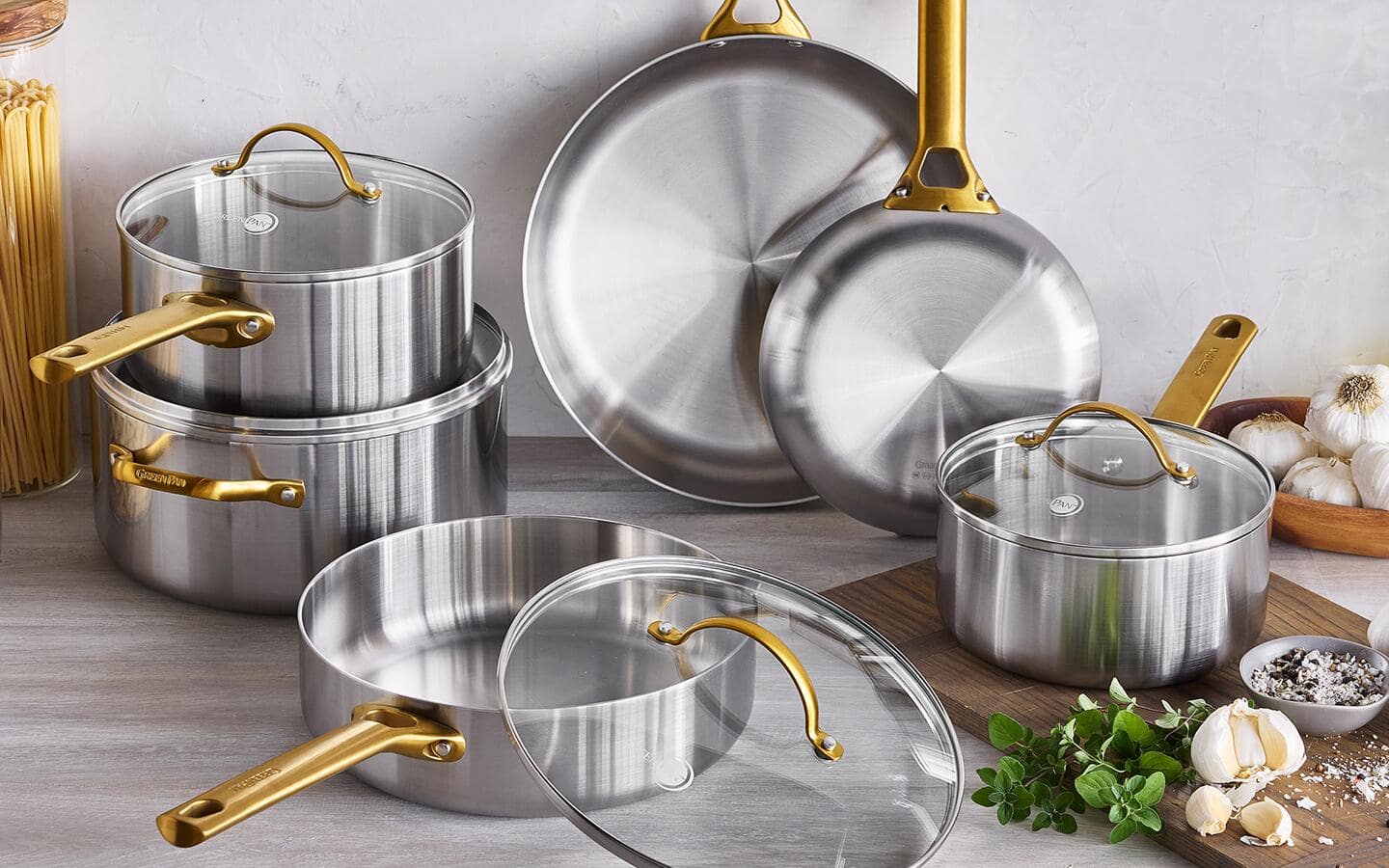
Stainless Steel
Stainless steel is strong and resists rust and stains. It heats evenly and works well for many cooking tasks.
It does not react with acidic foods. Stainless steel pots and pans last a long time with proper care.
Cast Iron
Cast iron holds heat very well. It is great for frying, baking, and slow cooking.
Cast iron can be heavy and needs seasoning to keep food from sticking. It adds iron to your food.
Non-stick
Non-stick pans are easy to clean. Food slides off easily, which uses less oil or butter.
They are best for cooking eggs, pancakes, and delicate foods. Non-stick coatings can wear out over time.
Copper
Copper heats up quickly and cools down fast. This gives you great control over cooking temperature.
Copper pans often have a lining to avoid reactions with food. They need regular polishing to keep their shine.
Aluminum
Aluminum is lightweight and heats up quickly. It is usually coated to prevent food from reacting with the metal.
It is affordable and works well for everyday cooking. Anodized aluminum is more durable and scratch-resistant.
Size Matters
Choosing the right pot or pan size makes cooking easier and faster. Different meals need different sizes.
Using the correct size helps you save energy and keeps food tasting great.
Small Pots For Sauces
Small pots are perfect for making sauces and melting butter. They heat up quickly and are easy to handle.
They usually hold 1 to 2 quarts. Use small pots for tasks that need careful stirring and low heat.
- Ideal for sauces, gravies, and reductions
- Great for boiling small amounts of water
- Easy to clean and store
Medium Pans For Everyday Cooking
Medium pans work well for most daily meals. They hold about 3 to 5 quarts and fit on any stove burner.
Use these pans for frying, sautéing, and cooking vegetables or meats. They offer good control over cooking.
- Perfect for scrambled eggs and stir-fries
- Good for cooking pasta and rice
- Fits well in most ovens
Large Pots For Family Meals
Large pots hold 6 quarts or more. They are great for soups, stews, and boiling pasta for many people.
Use big pots to cook family meals or when you need to make food in large batches.
- Ideal for boiling, simmering, and slow cooking
- Use for stocks, chili, and large pasta dishes
- Heavy and may need two hands to lift
Essential Features To Look For
Choosing the right kitchen pots and pans helps cooking become easier and more enjoyable. Look for features that improve performance and last a long time.
Good cookware should work well with your stove and clean up quickly. This guide covers key features to focus on.
Heat Distribution
Even heat distribution prevents food from burning in spots. Look for pots and pans made with materials that spread heat well.
Materials like copper and aluminum usually provide better heat flow. This helps cook food evenly and faster.
Durability
Durable cookware lasts longer and saves money. Choose pots and pans with strong construction and quality materials.
- Look for stainless steel or cast iron for toughness
- Avoid cookware with thin bases that warp easily
- Check for secure handles and lids
Ease Of Cleaning
Cookware that cleans easily saves time and effort. Nonstick coatings help prevent food from sticking.
| Type | Cleaning Tips |
|---|---|
| Stainless Steel | Use warm soapy water and scrub gently. |
| Nonstick | Wash with soft sponges to keep coating safe. |
| Cast Iron | Dry immediately and oil lightly to avoid rust. |
Compatibility With Cooktops
Some pots and pans work better on certain cooktops. Check if your cookware fits your stove type.
Induction cooktops need magnetic materials like cast iron or stainless steel. Gas and electric stoves work with most cookware.
Tips For Maintaining Pots And Pans
Good care keeps your pots and pans lasting longer. Proper maintenance helps avoid damage and keeps them looking nice.
This guide covers simple ways to clean, store, and protect your Kitchen Pots And Pans so they stay in great condition. Follow these easy tips to maintain your kitchen tools well and enjoy better cooking results every day.
Cleaning Techniques
Clean your pots and pans soon after use. Use warm water and mild soap to avoid scratching surfaces.
- Soak pans with stuck food before washing
- Use a soft sponge or cloth
- Avoid steel wool on non-stick or coated pans
- Dry pans immediately to stop rust
Storage Solutions
Proper storage prevents scratches and dents. Keep pots and pans separated or protected.
| Storage Method | Benefits |
|---|---|
| Use pan protectors or cloths between pans | Prevents scratches and surface damage |
| Hang pans on hooks | Keeps pans dry and easy to access |
| Store lids separately | Prevents breakage and saves space |
| Stack pans by size, largest at bottom | Reduces pressure and damage |
Avoiding Common Damage
Careless use can ruin your cookware. Avoid these common mistakes to keep pans in good shape.
- Do not overheat empty pans to prevent warping
- Avoid metal utensils on non-stick surfaces
- Do not use harsh chemicals or bleach
- Keep pots and pans dry to stop rust
Budget-friendly Picks
Choosing the right pots and pans does not have to break your budget. There are many affordable options that offer good quality. This guide highlights budget-friendly kitchen cookware you can trust.
We cover both sets and individual pieces. This helps you decide what fits your cooking needs and wallet best.
Affordable Sets
Cookware sets offer a range of pots and pans at a lower price than buying each piece alone. They work well for basic cooking needs.
- Look for sets with non-stick coatings for easy cleaning.
- Choose sets with lids included to save money.
- Check if the set works on your stove type, like induction or gas.
- Pick sets made of durable materials like stainless steel or hard-anodized aluminum.
- Consider the number of pieces to avoid paying for extras you won’t use.
Single-piece Investments
Sometimes buying one good pot or pan is better than a full set. A few key pieces can cover most cooking tasks.
| Cookware Type | Use | Budget Tip |
| Non-stick Frying Pan | Frying eggs, pancakes | Choose medium size (8–10 inches) |
| Stainless Steel Saucepan | Boiling, simmering sauces | Look for thick base to prevent burning |
| Cast Iron Skillet | Searing, baking | Buy pre-seasoned to save time |
| Stockpot | Soups, large meals | Pick smaller size if space is limited |
Upgrading Your Cookware
Having the right pots and pans makes cooking easier and more fun. Upgrading your cookware can improve how your food tastes and cooks.
Good cookware lasts a long time and saves you money over time. It also helps you try new recipes with better results.
When To Replace Old Pans
Old pans can lose heat evenly and stick to food. This makes cooking harder and less tasty.
Replace pans if they have deep scratches, rust, or warped bottoms. These signs show the pan is unsafe or not working well.
- Non-stick coating is peeling or scratched
- Handles are loose or broken
- Pan warps and wobbles on the stove
- Rust spots appear
- Food burns or sticks often
Choosing Specialty Pieces
Specialty pots and pans help you cook certain dishes better. They add variety and make cooking easier.
Think about your cooking style and what dishes you like. Choose pieces that match your needs.
- Cast iron skillet for searing and frying
- Saucepan for making sauces and boiling
- Stockpot for soups and large meals
- Non-stick pan for eggs and pancakes
- Steamer for vegetables and seafood
Credit: www.homedepot.com

Credit: www.amazon.com
Frequently Asked Questions
What Are The Essential Kitchen Pots And Pans?
Essential kitchen pots and pans include a saucepan, frying pan, stockpot, and sauté pan. These cover most cooking needs and are versatile for daily use.
Which Material Is Best For Kitchen Pots And Pans?
Stainless steel is best for durability and even heating. Non-stick pans are great for easy cooking and cleaning. Cast iron offers excellent heat retention and flavor.
How Many Pots And Pans Do I Really Need?
A basic set should include 3-5 pieces. Focus on quality over quantity to cover boiling, frying, sautéing, and simmering tasks effectively.
Can I Use One Pan For Multiple Cooking Tasks?
Yes, versatile pans like sauté pans can handle frying, simmering, and searing. This reduces clutter and saves kitchen space.
Conclusion
Choosing the right pots and pans boosts your cooking experience. Quality cookware lasts longer and enhances your meals. Stainless steel, non-stick, and cast iron are excellent choices, each offering unique benefits. When selecting Kitchen Pots And Pans, consider your cooking style and needs, and prioritize durability and ease of cleaning.
Investing in good cookware saves time and effort in the kitchen. Your meals will taste better and be more enjoyable. Remember, the right tools make cooking enjoyable and efficient. Happy cooking and enjoy your culinary adventures!



