

Imagine savoring the perfect grilled steak or veggies right from the comfort of your own kitchen. Indoor grills make this dream a delicious reality.
However, with this convenience comes a challenge: how to effectively manage the smoke and odors that can fill your home. This is where a kitchen exhaust for your indoor grill becomes your best ally. You want your cooking space to be fresh and clean, not clouded with lingering scents and smoke.
Discover why a kitchen exhaust is essential, how it enhances your cooking experience, and the benefits it brings to your home. Keep reading to learn how you can elevate your indoor grilling with the right kitchen exhaust system. You’ll be surprised at how it can transform not just your kitchen, but your entire home environment.
Benefits Of Kitchen Exhaust
Kitchen exhaust systems remove smoke and grease from indoor grills. They help keep your kitchen clean and comfortable.
These systems improve air quality and reduce odors. They also make cooking safer by lowering heat and fire risks.
Improved Air Quality
Kitchen exhaust removes smoke, steam, and particles from the air. This keeps the air fresh and easier to breathe.
Good ventilation stops buildup of harmful gases. This helps protect the health of everyone in the kitchen.
Odor Control
Cooking on an indoor grill creates strong smells. Exhaust systems remove these odors quickly.
Removing odors keeps the kitchen and nearby rooms smelling clean. It also prevents smells from sticking to clothes or furniture.
Heat Reduction
Indoor grills create a lot of heat while cooking. Exhaust fans pull hot air out of the kitchen.
Lower heat makes the kitchen more comfortable. It helps cooks stay cool and focused on their tasks.
Safety Enhancements
Kitchen exhaust reduces grease and smoke that can cause fires. It lowers the risk of accidents.
Good ventilation also stops dangerous gases from building up. This keeps the kitchen safe for everyone.
- Removes flammable grease particles
- Prevents smoke buildup
- Reduces carbon monoxide levels
- Improves air circulation for safety
Types Of Exhaust Systems
Kitchen exhaust systems help remove smoke, heat, and smells from indoor grills. Choosing the right system improves air quality. It also keeps the kitchen safe and comfortable.
This guide covers three main types of exhaust systems: ducted, ductless, and hybrid. Each type works differently and suits different kitchen needs.
Ducted Exhaust
Ducted exhaust systems use vents and ducts to carry smoke and fumes outside. They provide strong ventilation and remove grease and odors effectively.
- Require installation of ducts to the outside
- Good for large or busy kitchens
- Needs regular cleaning to avoid fire risks
- Can be louder due to fan operation
Ductless Exhaust
Ductless systems filter air using charcoal or carbon filters. They clean air and then recirculate it back into the kitchen.
| Feature | Advantage | Limitation |
| Installation | Easy and flexible | Needs filter replacement |
| Ventilation | No outdoor vent needed | Less effective for heavy smoke |
| Maintenance | Simple filter changes | Filters can clog quickly |
Hybrid Systems
Hybrid exhaust systems combine ducted and ductless features. They use ducts when possible and filter air when outdoor venting is limited.
Benefits of hybrid systems:
- Flexibility in different kitchen layouts
- Better air cleaning than ductless alone
- Can reduce installation costs compared to full ducted systems
Choosing The Right Exhaust Hood
Kitchen exhaust hoods help remove smoke and odors from indoor grills. Picking the right hood keeps your kitchen clean and safe.
This guide covers hood sizes and styles, material and durability, and noise levels. These points help you choose a hood that fits your kitchen and cooking habits.
Hood Sizes And Styles
Choose a hood size that matches your grill size. A hood too small won't capture smoke well. A hood too large may waste energy and space.
- Measure your grill width before buying a hood
- Wall-mounted hoods suit kitchens with limited space
- Island hoods work well for grills in the center of a room
- Under-cabinet hoods fit well in compact kitchens
Material And Durability
Choose hoods made from strong materials that resist heat and corrosion. This ensures your hood lasts long and stays easy to clean.
| Material | Durability | Cleaning Ease |
| Stainless Steel | High | Easy |
| Aluminum | Medium | Moderate |
| Painted Steel | Low | Hard |
Noise Levels
Look for hoods with quiet fans. Loud noise can disturb conversations and cooking focus. Check decibel ratings before buying.
Typical noise levels for exhaust hoods:
- Low noise: 40-50 dB (quiet office)
- Medium noise: 51-60 dB (normal conversation)
- High noise: 61+ dB (busy street)

Credit: www.amazon.ca
Installation Tips
Installing a kitchen exhaust for an indoor grill needs careful planning. Proper setup keeps the kitchen safe and clean.
Follow these tips to ensure your exhaust system works well and meets safety standards.
Placement And Venting
Place the exhaust hood directly above the grill to capture smoke and heat. Keep it close to the cooking surface but high enough to avoid interference.
- Measure the grill size to choose the correct hood width.
- Ensure the vent leads outside with a straight, short duct.
- Avoid bends in the duct to improve airflow.
- Use metal ducts that resist heat and grease buildup.
- Seal all duct joints tightly to prevent leaks.
Electrical Requirements
Check the power needs of your exhaust fan and lighting. Use proper wiring and breakers to handle the load safely.
| Feature | Requirement |
| Voltage | 120V or 240V depending on model |
| Dedicated Circuit | Yes, to avoid overload |
| Grounding | Must be properly grounded for safety |
| Switch Location | Accessible and near the grill area |
| Lighting | Use heat-resistant fixtures |
Compliance With Codes
Follow local building and fire codes to avoid fines and hazards. Codes may vary by location but often share key rules.
Key code points to check:
- Proper clearance from combustible materials
- Use of fire-rated ducts and hoods
- Regular cleaning schedules to prevent grease fires
- Installation by certified professionals
- Permits and inspections before use
Maintenance And Cleaning
Keeping your kitchen exhaust clean is very important for safety and air quality. Regular care helps the system work well and lasts longer.
This guide covers filter types, how often to clean, and ways to stop grease buildup in your indoor grill exhaust.
Filter Types And Replacement
Different filters catch grease and smoke in your kitchen exhaust. Knowing your filter type helps with proper cleaning and replacement.
- Mesh filters:Made of metal layers, good for trapping grease.
- Baffle filters:Use curved panels to capture grease effectively.
- Charcoal filters:Remove odors but need frequent replacement.
- Electrostatic filters:Use electrical charge to trap particles.
Cleaning Frequency
Cleaning your exhaust depends on how often you cook and what you cook. Greasy foods need more frequent cleaning.
| Usage Level | Recommended Cleaning |
| Light (1-2 times/week) | Every 3 months |
| Moderate (3-5 times/week) | Every 1-2 months |
| Heavy (daily cooking) | Every 2-4 weeks |
Preventing Grease Buildup
Stopping grease buildup keeps your kitchen safe and your exhaust working well. Use these tips to reduce grease in your system.
- Clean filters regularly according to usage.
- Use the right filters for your cooking style.
- Wipe exhaust surfaces weekly with a degreaser.
- Avoid cooking on very high heat for long times.
- Install a grease trap if possible to catch excess grease.

Credit: www.amazon.ca
Energy Efficiency Considerations
Kitchen exhaust systems for indoor grills use a lot of energy. Choosing energy-efficient options saves power and reduces costs. It also helps the environment by lowering emissions.
This guide covers important energy-saving features like Energy Star options, smart controls, and balancing performance with cost.
Energy Star Options
Energy Star certified exhaust systems meet strict energy efficiency standards. They use less electricity than regular models. These systems often include better motors and improved filters.
- Use high-efficiency fans to reduce energy use
- Contain heat and air better to avoid waste
- Include filters that clean air with less resistance
- Meet government energy-saving guidelines
Smart Controls
Smart controls adjust exhaust speed based on cooking activity. They turn fans on or off automatically. This reduces unnecessary energy use.
| Control Type | Function | Energy Benefit |
| Motion Sensors | Detect when grill is active | Runs fan only when needed |
| Timer Controls | Set fan to run for set periods | Prevents overuse |
| Variable Speed | Adjust fan speed to cooking level | Uses less power at low settings |
Balancing Performance And Cost
Choosing the right kitchen exhaust means weighing energy savings against price. Higher efficiency models often cost more upfront but save money over time.
- Initial purchase price
- Energy consumption rates
- Maintenance and filter replacement costs
- Expected lifetime savings
Troubleshooting Common Issues
Kitchen exhaust systems for indoor grills help remove smoke, heat, and odors. They keep the cooking area safe and comfortable.
Sometimes, these systems can have problems. Knowing how to fix common issues helps keep the kitchen fresh and clean.
Poor Ventilation
Poor ventilation means the exhaust does not remove smoke or heat well. This can make the kitchen smoky and hot.
Check if the vents are blocked or dirty. Clean or clear any obstructions to improve airflow.
- Clean grease filters regularly
- Remove blockages in ducts
- Check if the fan is running properly
- Ensure vents are open and not damaged
Excessive Noise
Loud noise from the exhaust can be a sign of a problem. It may come from loose parts or a failing fan.
Inspect the fan and motor for damage. Tighten any loose screws or bolts to reduce noise.
- Check for loose screws on the fan
- Lubricate the fan motor if needed
- Replace worn-out fan parts
- Balance the fan blades to reduce vibration
Odor Persistence
Sometimes odors stay even after using the exhaust. This means the system is not removing smells well.
Clean the filters and ducts to remove trapped grease and dirt. Check if the exhaust fan works at full power.
- Replace or clean grease filters often
- Clean inside ducts to remove buildup
- Use a higher fan speed if possible
- Check for leaks in the exhaust system
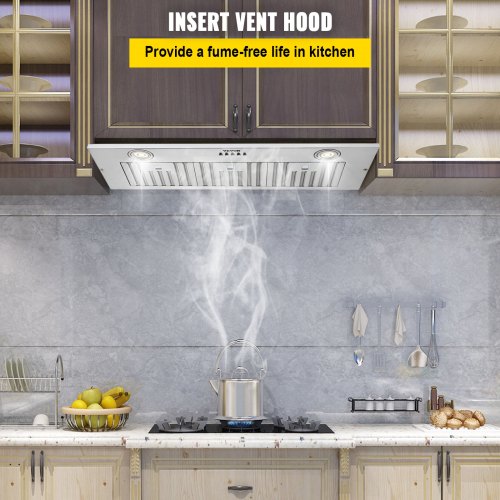
Credit: www.vevor.ca
Frequently Asked Questions
What Is A Kitchen Exhaust For Indoor Grill?
A kitchen exhaust for indoor grill removes smoke, heat, and odors. It improves air quality and ensures safety. Proper ventilation prevents grease buildup and fire hazards. It keeps your indoor grilling space comfortable and clean.
How Does A Kitchen Exhaust System Work?
The exhaust system captures smoke and fumes using a hood. A fan pulls the air through filters. It then vents the air outside or recirculates it after cleaning. This process ensures a smoke-free and fresh indoor environment.
Why Is Ventilation Important For Indoor Grilling?
Ventilation removes harmful smoke, grease, and heat from cooking. It prevents respiratory issues and fire risks. Good ventilation maintains air quality and comfort. It also protects your kitchen from damage and keeps it clean.
What Types Of Kitchen Exhaust Systems Suit Indoor Grills?
Common types include ducted and ductless systems. Ducted systems vent air outside. Ductless systems filter and recirculate air inside. Choose based on kitchen layout, grill type, and ventilation needs. Professional installation is recommended for best results.
Conclusion
A good kitchen exhaust keeps smoke and smells away. It makes indoor grilling safer and cleaner. Clean air helps everyone enjoy cooking more. Choosing the right exhaust fits your kitchen size. Regular maintenance keeps the system working well. Proper ventilation protects walls and ceilings from damage.
Good airflow also reduces heat in the room. A simple upgrade can improve your indoor grill experience. Remember, fresh air creates a better cooking space.


