Have you ever grabbed the kitchen scissors to trim your hair and wondered if it’s actually a bad idea? You might think it’s a quick fix, but cutting your hair with the wrong tools can lead to unexpected problems.
If you care about keeping your hair healthy and looking good, you need to know the risks before you make that snip. Keep reading to find out why your kitchen scissors might be doing more harm than good—and what you should use instead.
Your hair deserves better, and this guide will show you exactly why.
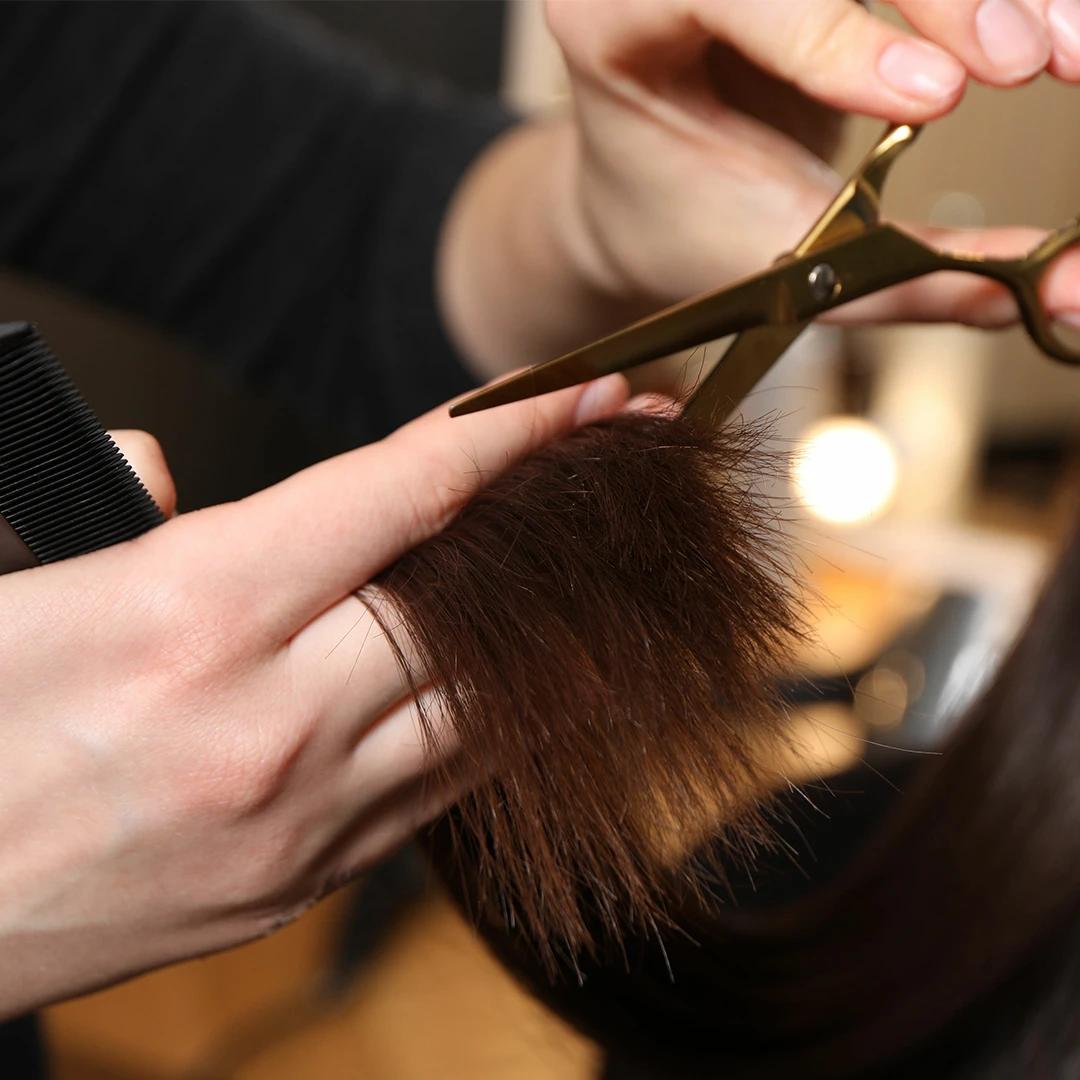
Credit: smytten.com
Risks Of Using Kitchen Scissors
Cutting hair with kitchen scissors might seem easy. Many people do this at home without special tools.
Using the wrong scissors can cause problems for your hair and tools. It is important to know these risks.
Damage To Hair Ends
Kitchen scissors are not made for hair. They often have blunt edges and can tear hair strands.
Tearing hair causes split ends and rough edges. This makes hair look unhealthy and frizzy.
Hygiene Concerns
Kitchen scissors are used for food and other household tasks. They may carry germs and bacteria.
Using dirty scissors on hair can cause scalp infections or irritations. Clean scissors made for hair are safer.
Reduced Scissor Longevity
Cutting hair with kitchen scissors dulls their blades faster. Hair is tougher than paper or fabric.
Dull scissors need sharpening or replacement sooner. This reduces their useful life and wastes money.
Differences Between Hair And Kitchen Scissors
Many people wonder if kitchen scissors can cut hair safely. Hair scissors and kitchen scissors look alike but work very differently. Using the wrong scissors can harm your hair.
This article explains the main differences between hair scissors and kitchen scissors. Knowing these will help you choose the right tool.
Blade Sharpness And Design
Hair scissors have very sharp blades made for clean, precise cuts. Kitchen scissors are less sharp and designed to cut food and packaging.
Hair scissors have thin blades that slide smoothly to avoid hair damage. Kitchen scissors have thicker blades that may crush or tear hair.
- Hair scissors: Sharp, thin blades for smooth cutting
- Kitchen scissors: Thicker, blunt blades for tough materials
- Hair scissors: Designed to cut hair without pulling
- Kitchen scissors: Made for cutting food and packaging
Ergonomic Features
Hair scissors have ergonomic handles to reduce hand strain during long use. They fit comfortably in the hand to allow precise control.
Kitchen scissors usually have simple handles that are not designed for detailed cutting. They can cause discomfort if used for hair cutting.
- Hair scissors: Comfortable, ergonomic handles
- Kitchen scissors: Basic handles for general use
- Hair scissors: Balanced for fine control
- Kitchen scissors: Built for strength, not precision
Material And Construction
Hair scissors are made from high-quality stainless steel or special alloys. This helps keep blades sharp and rust-free for a long time.
Kitchen scissors use stronger, thicker metal to cut tough items. The blades may dull quickly if used on hair.
- Hair scissors: High-grade steel for sharpness and durability
- Kitchen scissors: Heavy-duty metal for cutting food and packaging
- Hair scissors: Designed to stay sharp longer
- Kitchen scissors: May dull faster if used on hair
Common Mistakes When Cutting Hair At Home
Cutting your hair at home can be tricky. Many people make mistakes that affect the final look.
Using the wrong tools or techniques can cause uneven cuts and damage your hair.
Improper Technique
Many people cut hair with quick, uneven snips. This causes jagged edges and split ends.
Cutting hair while it is dry or pulling it too tight changes how the hair lies. This leads to mistakes.
- Cutting too much at once
- Using blunt or wrong scissors
- Cutting hair dry instead of wet
- Pulling hair too tight while cutting
Lack Of Sectioning
Not dividing hair into sections makes it hard to cut evenly. Hair can look messy or uneven.
Sectioning helps control hair better. It also makes sure you cut all parts equally.
- Divide hair into top, sides, and back
- Use clips to keep sections separate
- Cut one section at a time
- Check symmetry before moving on
Ignoring Hair Texture
Hair texture affects how hair falls and how it should be cut. Ignoring this causes bad results.
Curly, wavy, and straight hair need different cutting styles. Cutting all hair the same way can cause frizz or uneven shape.
- Cut curly hair dry to see true shape
- Cut straight hair wet for smooth lines
- Use point cutting for thick hair
- Trim small amounts to avoid mistakes
Safe Alternatives For Hair Trimming
Cutting hair with kitchen scissors can cause uneven cuts and damage. Kitchen scissors are not made for hair and may pull or split strands. Using the right tools helps keep hair healthy and neat.
Below are safe options for trimming hair at home or getting professional help. These choices protect hair and make trimming easier.
Using Professional Hair Scissors
Professional hair scissors are sharp and designed for cutting hair smoothly. They give a clean cut and reduce split ends. These scissors come in different sizes and shapes for various hair types.
- Use scissors made specifically for hair trimming.
- Keep scissors clean and sharp for best results.
- Cut hair in small sections for even trimming.
- Avoid using old or dull scissors to prevent hair damage.
Electric Hair Clippers
Electric hair clippers offer a fast and easy way to trim hair. They come with guard attachments to control hair length. Clippers work well for short hairstyles and touch-ups.
| Clipper Guard Size | Hair Length Left |
| 1 (3mm) | Very short |
| 3 (10mm) | Short |
| 5 (16mm) | Medium |
| 8 (25mm) | Longer |
Seeking Salon Services
Going to a salon ensures a professional haircut. Hairdressers use the right tools and techniques for your hair type. This option is best for major trims or style changes.
- Get expert advice on hair care and styles.
- Ask about regular trims to keep hair healthy.
- Enjoy a clean and precise haircut.
Tips For Maintaining Healthy Hair Ends
Healthy hair ends make your hair look neat and strong. Cutting hair properly helps stop split ends. Good care keeps your hair soft and shiny.
Here are simple tips to protect your hair ends. Follow these to keep hair healthy and avoid damage.
Regular Trimming Schedule
Cutting your hair often helps remove split ends. This keeps hair looking fresh and stops damage from moving up the hair strand.
- Trim hair every 6 to 8 weeks
- Use sharp scissors made for hair
- Avoid cutting hair with kitchen scissors
- Ask a professional if unsure about trimming
Proper Hair Care Routine
Good hair care helps keep ends healthy. Use gentle products and handle hair with care to prevent breakage.
| Care Tip | Why It Helps |
| Use conditioner after shampoo | Keeps hair soft and hydrated |
| Brush hair gently | Reduces hair pulling and breakage |
| Avoid washing hair every day | Prevents dryness and damage |
| Use wide-tooth comb on wet hair | Prevents splitting and tearing |
Avoiding Overuse Of Heat
Heat tools can hurt hair ends by making them dry and brittle. Use heat carefully to keep hair strong.
- Limit use of hair dryers and straighteners
- Always apply heat protectant spray before styling
- Use the lowest heat setting possible
- Let hair air dry when you can
- Give hair breaks from heat styling

Credit: www.jpscissors.com

Credit: www.wellandgood.com
Frequently Asked Questions
Is It Safe To Cut Hair With Kitchen Scissors?
Cutting hair with kitchen scissors is not recommended. Kitchen scissors are not designed for hair and can cause uneven cuts and split ends. Using proper hair scissors ensures clean, precise cuts that protect hair health and appearance.
What Happens If I Use Kitchen Scissors On Hair?
Using kitchen scissors on hair can lead to jagged, uneven cuts. The blades are often dull and can damage hair strands. This results in split ends and frizz, making hair harder to style and maintain.
Can Kitchen Scissors Damage Hair Quality?
Yes, kitchen scissors can damage hair quality. They lack the sharpness and design of hair shears, causing hair to tear rather than cut cleanly. This damage weakens hair, increasing breakage and reducing overall hair health.
Why Are Hair Scissors Better Than Kitchen Scissors?
Hair scissors are specially designed with sharp, precise blades for clean cuts. They prevent split ends and maintain hair health. Kitchen scissors are blunt and unsuitable for cutting hair, often causing damage and poor results.
Conclusion
Cutting hair with kitchen scissors can lead to uneven results. They aren’t made for hair. Hair scissors are a better choice. They have sharp blades for clean cuts. Better precision. Less split ends. Safer and more effective. Invest in proper tools for hair.
Your hair deserves it. Better tools mean better hair health. Avoid frustration with poor results. Professional scissors may cost more. But they protect your hair quality. Choose wisely for a happy hairstyle. Remember, great hair starts with the right tools.