
Imagine transforming your backyard into a gourmet oasis where every meal is a masterpiece. Picture yourself firing up a state-of-the-art infrared grill in your outdoor kitchen, creating dishes that are not only delicious but cooked to perfection in a fraction of the time.
With an infrared grill, you can turn a simple barbecue into an unforgettable culinary experience. Are you tired of the usual grilling hassles—uneven cooking, flare-ups, and endless waiting? What if you could eliminate these frustrations and enjoy a grill that’s fast, efficient, and produces restaurant-quality results?
An infrared grill could be your secret weapon, revolutionizing the way you cook outdoors. You’re about to discover how an infrared grill can elevate your outdoor kitchen, making it the envy of the neighborhood. Stick around to learn why this innovative technology could be the game-changer you’ve been searching for.
Credit: www.montalpionline.com
Benefits Of Infrared Grills
Infrared grills use infrared technology to cook food. They offer several advantages over traditional grills.
These benefits make outdoor cooking faster, tastier, and more efficient.
Faster Cooking Times
Infrared grills heat up quickly and cook food faster than regular grills. This saves time during outdoor meals.
The intense heat sears food fast, locking in juices and flavors right away.
Even Heat Distribution
Infrared grills spread heat evenly across the cooking surface. This prevents hot spots and cold areas.
Food cooks uniformly, reducing the risk of burning or undercooking parts.
Enhanced Flavor And Juiciness
The quick searing from infrared heat seals in natural juices. This keeps food moist and flavorful.
Infrared cooking also helps create a tasty crust on meats without drying them out.
Energy Efficiency
Infrared grills use less fuel because they cook food faster. This reduces energy waste during grilling.
They also maintain heat well, lowering the need for constant fuel supply.
Choosing The Right Infrared Grill
Infrared grills cook food using radiant heat. They heat quickly and cook evenly. Choosing the right one matters for your outdoor kitchen.
This guide covers types, features, size, and fuel options. It helps you pick a grill that fits your needs.
Types Of Infrared Grills
Infrared grills come in different styles. Each has unique heating elements and designs.
- Single Burner: Simple and compact for small spaces
- Multiple Burners: Offers more cooking area and heat control
- Portable Grills: Easy to move for camping or tailgating
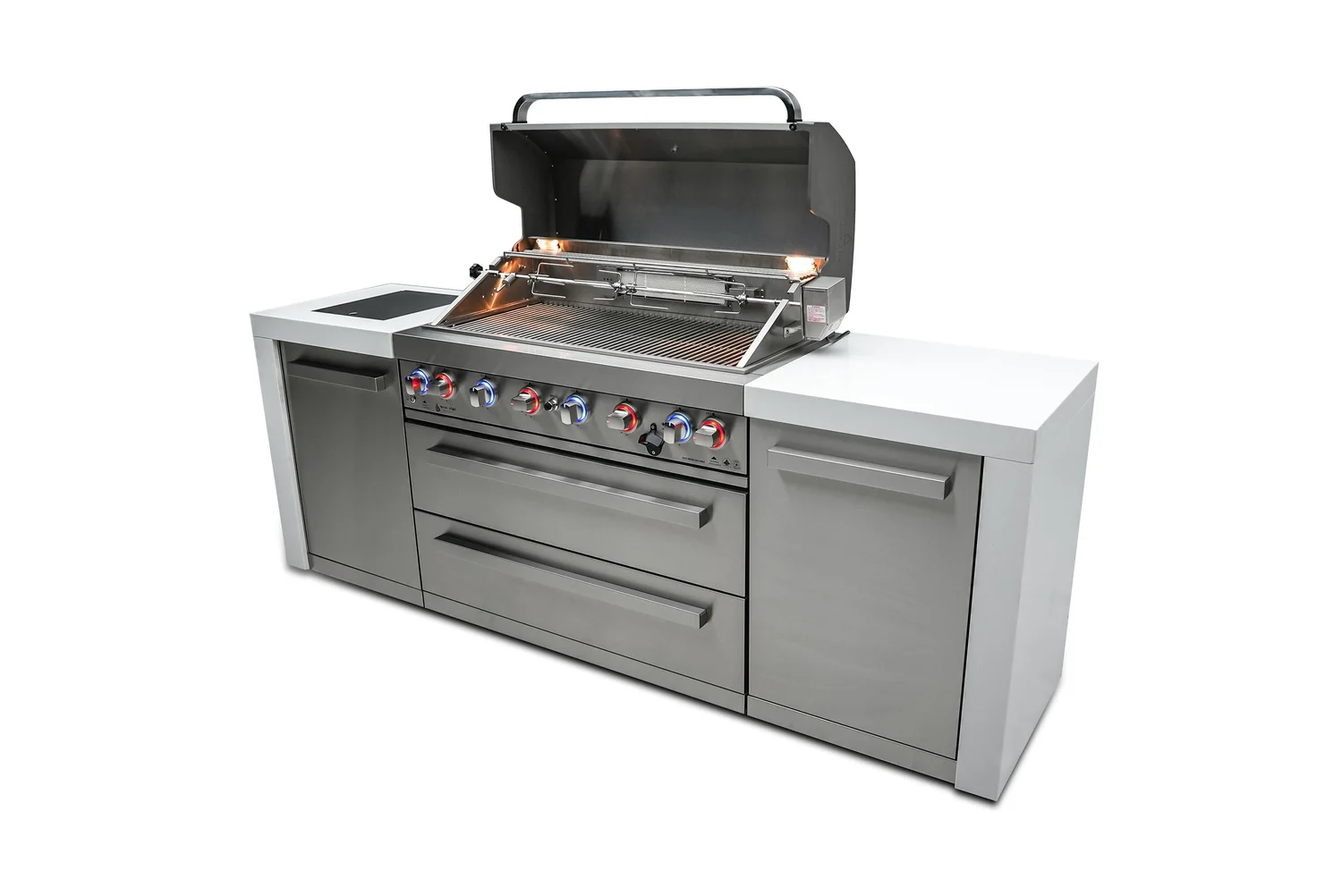
- Built-In Models: Designed for outdoor kitchen installations
Key Features To Consider
Look for features that improve cooking and safety. Good features make grilling easier and better.
| Feature | Benefit |
| Heat Output (BTU) | Determines cooking speed and heat level |
| Temperature Control | Allows precise cooking settings |
| Material | Stainless steel resists rust and lasts longer |
| Ignition Type | Electronic ignitions are quick and safe |
| Safety Features | Includes heat shields and flame guards |
Size And Capacity
Choose a size based on how many people you cook for. Larger grills cook more food at once.
- Small grills: Best for 1-2 people
- Medium grills: Good for families of 3-5
- Large grills: Ideal for gatherings over 6 people
Fuel Options
Infrared grills use different fuels. Choose one that fits your lifestyle and outdoor setup.
| Fuel Type | Pros | Cons |
| Propane | Easy to use and portable | Requires refilling tanks |
| Natural Gas | Unlimited fuel with home connection | Needs professional installation |
| Electric | Clean and simple to operate | Less common for outdoor use |
Designing Your Outdoor Kitchen
Creating an outdoor kitchen with an infrared grill takes planning. Good design makes cooking outside easy and fun.
This guide covers important parts of your outdoor kitchen. Learn how to plan space, pick materials, add your grill, and set up storage.
Layout And Space Planning
Plan your kitchen layout to fit your space and cooking needs. Leave room for movement and safety around the grill.
- Keep at least 3 feet of clearance around the grill
- Place prep areas near the grill for easy access
- Include seating close to the cooking zone
- Consider shade or cover for comfort
- Allow space for appliances like a fridge or sink
Material Choices
Choose materials that last outdoors and resist heat and moisture. This keeps your kitchen looking good for years.
| Material | Strength | Weather Resistance | Maintenance |
| Stainless Steel | High | Excellent | Low |
| Concrete | High | Good | Medium |
| Brick | Medium | Good | Medium |
| Tile | Medium | Good | Low |
| Wood (Treated) | Medium | Fair | High |
Integration With Infrared Grill
Infrared grills cook differently than gas or charcoal. Make sure your design fits the grill’s needs.
Tips for fitting your infrared grill:
- Allow good airflow around the grill for safety and performance
- Use heat-resistant materials near the grill area
- Place the grill at a comfortable height for cooking
- Include a nearby power source if the grill requires electricity
Storage And Work Surfaces
Keep your tools and ingredients handy. Good storage and work surfaces improve cooking flow.
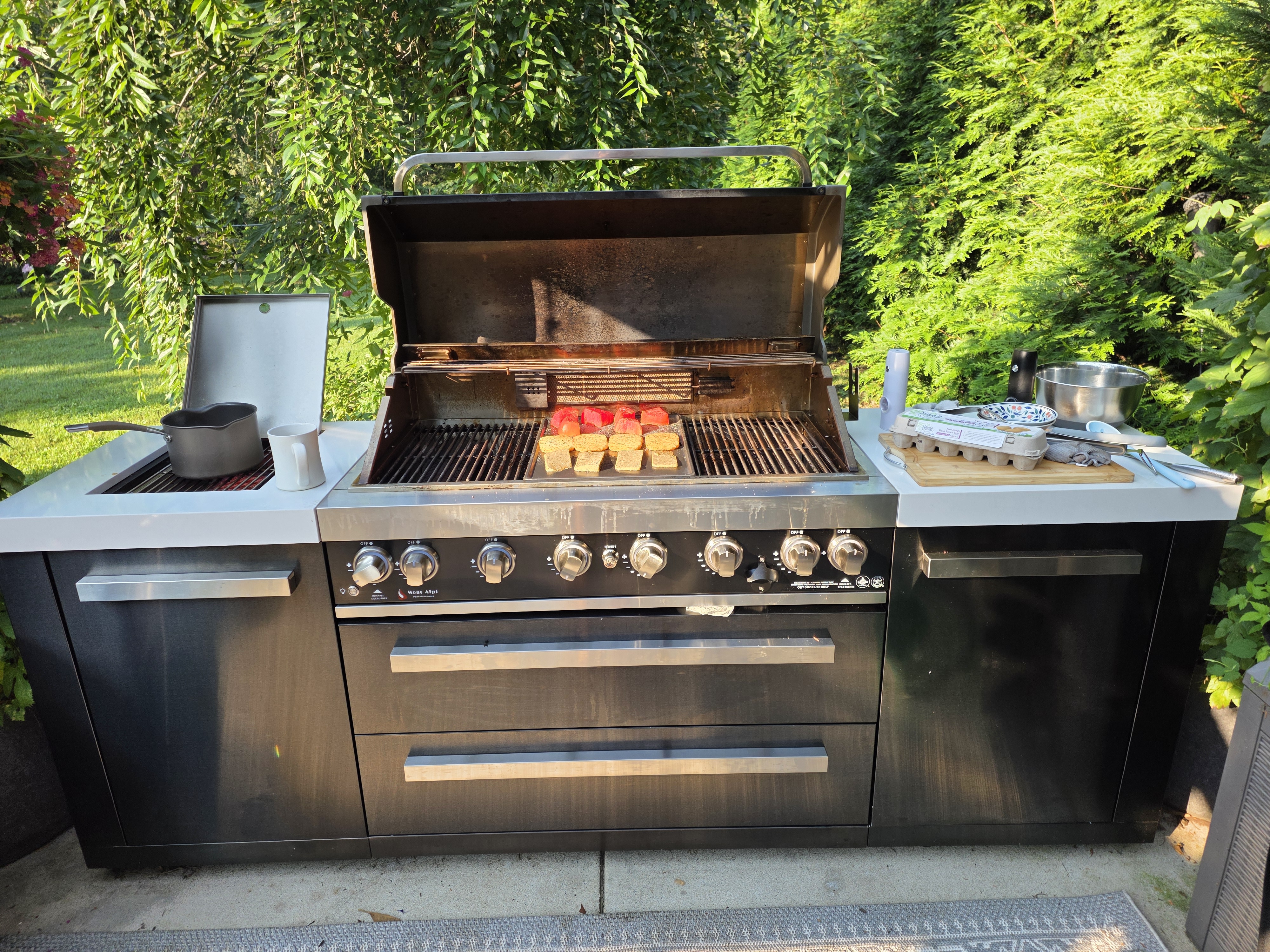
- Install drawers or cabinets for utensils and spices
- Choose durable countertops for prep work
- Include open shelves for easy access to frequently used items
- Add trash bins hidden under counters
- Plan for easy cleaning with smooth surfaces
Credit: www.bbqguys.com
Setting Up Your Infrared Grill
Setting up your infrared grill correctly ensures safe and efficient use. Follow these guidelines to install and prepare your outdoor kitchen grill.
Each step helps maintain the grill’s performance and prolongs its lifespan.
Installation Tips
Choose a level, sturdy surface for your grill. Keep it away from flammable materials.
- Read the manufacturer’s instructions carefully before installation.
- Allow enough space around the grill for ventilation.
- Secure the grill firmly to prevent movement.
- Check local codes for outdoor kitchen installations.
Safety Precautions
Safety is vital when setting up an infrared grill. Always keep children and pets away.
- Do not use the grill indoors or in enclosed spaces.
- Keep a fire extinguisher nearby.
- Wear heat-resistant gloves when operating the grill.
- Check for gas leaks before each use.
Gas And Electrical Connections
Correctly connect the gas and electrical supply to avoid hazards and ensure proper function.
| Connection Type | Checkpoints |
| Gas Line | Use approved hoses and fittings; check for leaks with soapy water. |
| Electrical Supply | Ensure proper grounding and use weatherproof outlets. |
| Control Panel | Verify switches and igniters work before sealing connections. |
Initial Testing And Calibration
Test your grill before cooking to confirm it heats evenly and controls work.
- Turn on the gas supply and ignite the grill following instructions.
- Observe the flame; it should be blue and steady.
- Let the grill heat for 10-15 minutes.
- Check temperature controls and adjust as needed.
- Clean the grill surface before first use.
Mastering Infrared Grill Cooking
Infrared grills use intense heat to cook food fast. This method keeps meat juicy and flavors rich. Outdoor kitchens with infrared grills offer a unique cooking experience.
Learning how to control temperature and choose the right foods makes grilling easier. Using marinades and avoiding errors helps improve every meal.
Temperature Control Techniques
Infrared grills heat up quickly and reach high temperatures. Adjusting heat zones can help cook different foods properly. Use the grill’s built-in controls to set the right heat.
- Preheat the grill for 10 minutes before cooking.
- Use high heat for searing steaks and burgers.
- Lower the heat for vegetables and delicate foods.
- Use indirect heat to avoid burning.
- Check the internal temperature with a meat thermometer.
Best Foods For Infrared Grilling
Infrared grills work well with many foods. They cook thick cuts fast without drying them. Foods that benefit most include meats and some vegetables.
| Food | Cooking Tip |
| Steak | Sear on high heat for 2-3 minutes each side |
| Chicken breasts | Cook with indirect heat to keep moist |
| Fish fillets | Use medium heat and watch closely |
| Bell peppers | Grill quickly on direct heat for charred flavor |
| Vegetables | Slice evenly and use a grill basket |
Marinades And Seasoning Tips
Marinades add flavor and keep foods tender. Use simple ingredients like oil, vinegar, herbs, and spices. Salt before grilling helps seal in juices.
- Marinate meats for 30 minutes to 2 hours.
- Pat food dry before placing on the grill.
- Use dry rubs with garlic, paprika, and black pepper.
- Brush oil on vegetables to prevent sticking.
Avoiding Common Mistakes
Many beginners make errors that affect grilling results. Avoid these to improve your cooking with infrared grills.
- Do not skip preheating the grill.
- Do not open the lid too often during cooking.
- Do not use very thick marinades that drip and cause flare-ups.
- Avoid cooking very thin foods directly on high heat.
- Clean the grill grates regularly to prevent sticking.

Credit: www.amazon.ca
Maintenance And Care
Proper care keeps your infrared grill working well. Regular maintenance improves safety and cooking quality.
Follow simple steps to clean and maintain your grill. This helps avoid costly repairs and extends its life.
Cleaning After Use
Clean the grill right after cooking. This stops food and grease from building up. Use a grill brush to remove debris from the grates.
- Turn off the grill and let it cool slightly.
- Use a soft brush to clean the cooking surface.
- Wipe down outer surfaces with a damp cloth.
- Empty drip trays and wash them with soap and water.
- Check burner ports and clear any blockages with a soft brush.
Routine Maintenance
Check parts regularly for wear or damage. Replace any broken parts quickly to keep the grill safe.
| Task | Frequency | Tools Needed |
| Inspect burners | Monthly | Soft brush, screwdriver |
| Clean grease trap | After every use | Gloves, soap, water |
| Check ignition system | Every 3 months | Multimeter, cleaning cloth |
| Tighten screws and bolts | Monthly | Wrench, screwdriver |
| Cover grill | After use | Grill cover |
Troubleshooting Common Issues
If the grill does not heat evenly, check for clogged burner holes. Clean them carefully to restore flame balance.
- Grill won’t light: Check gas supply and ignition battery.
- Uneven heat: Clean burner holes and adjust flame settings.
- Smoke inside grill: Remove excess grease and food debris.
- Flare-ups: Trim fat from food and keep drip tray clean.
Extending Grill Lifespan
Protect your grill from weather damage. Store it covered and dry when not in use.
Follow these tips to extend your grill’s life:
- Use a grill cover to shield from rain and sun.
- Keep the grill dry to avoid rust.
- Store indoors during winter or long breaks.
- Replace worn parts with manufacturer-approved items.
- Perform regular cleaning and maintenance checks.
Accessories For Infrared Grills
Infrared grills offer fast and even cooking. Accessories help you get the best results. They make grilling easier and more enjoyable.
Choosing the right tools and add-ons can improve your outdoor kitchen setup. This guide covers essential accessories for your infrared grill.
Essential Tools
Good tools are important for safe and efficient grilling. They help you handle food and control heat well.
- Long-handled tongs for safe flipping
- Heat-resistant gloves to protect your hands
- Infrared thermometer for checking grill surface temperature
- Grill brush to clean the grates
- Meat probes to monitor internal temperature
Enhancing Cooking Experience
Accessories can add convenience and improve food quality. Some tools help you cook more types of dishes.
| Accessory | Use | Benefit |
| Cast iron griddle | Cook vegetables and pancakes | Even heat distribution |
| Rotisserie kit | Slow-cook whole chicken or roast | Juicy and tender results |
| Grill basket | Hold small or delicate food | Prevents food from falling |
| Smoker box | Add wood chips for smoke flavor | Enhances taste without extra heat |
Upgrades And Add-ons
Some upgrades improve your grill’s function or add new features. They can make cooking easier or faster.
- Side burners for cooking sauces and sides
- Additional infrared burners for larger cooking area
- Protective covers to shield grill from weather
- Custom shelves and storage racks
- LED lights for grilling at night
Hosting Bbqs With Infrared Grills
Infrared grills offer a fast and even way to cook food outdoors. They use radiant heat to sear meats quickly and lock in juices.
Hosting a BBQ with an infrared grill can make your outdoor cooking easier and more enjoyable. Planning helps you serve tasty food and keep guests happy.
Menu Planning
Infrared grills cook foods like steak and chicken very fast. Plan items that suit quick, high heat cooking.
Include easy sides and snacks that guests can enjoy while you grill.
- Choose meats like burgers, steaks, and sausages
- Add grilled vegetables like peppers and corn
- Offer simple sides like salads and chips
- Include quick appetizers such as cheese and fruit
Timing And Serving Tips
Infrared grills heat up fast, so start cooking only when guests are ready to eat. This keeps food fresh and hot.
Serve food in small batches to maintain warmth and quality.
- Preheat the grill 5-10 minutes before cooking
- Cook meats quickly to keep them juicy
- Use warming trays or covers for cooked food
- Serve sides buffet style for easy access
Entertaining Guests Outdoors
Set up a comfortable outdoor space with enough seating for guests. Keep the area clean and organized.
Provide drinks and simple games to keep guests entertained while you grill.
- Arrange seating in small groups for easy chatting
- Use outdoor lighting for evening BBQs
- Offer cool drinks and water nearby
- Have music or lawn games ready
Frequently Asked Questions
What Is An Infrared Grill In An Outdoor Kitchen?
An infrared grill uses radiant heat to cook food evenly and quickly. It reaches high temperatures instantly, enhancing flavor and juiciness. Infrared grills reduce flare-ups and save energy, making them ideal for outdoor kitchens.
How Does An Infrared Grill Differ From Traditional Grills?
Infrared grills heat food using radiant energy, not direct flames. This method cooks faster and prevents flare-ups. Traditional grills use gas or charcoal flames, which can cause uneven heating and charring.
Are Infrared Grills Safe For Outdoor Kitchen Use?
Yes, infrared grills are safe outdoors. They have controlled heat zones and less smoke production. Proper ventilation and regular maintenance ensure safe operation in any outdoor kitchen setup.
Can Infrared Grills Handle All Types Of Food?
Infrared grills are versatile and cook meat, vegetables, and seafood perfectly. They sear steaks well and retain moisture. However, delicate foods may require careful temperature control.
Conclusion
An infrared grill adds great value to any outdoor kitchen. It cooks food quickly and evenly with intense heat. You get juicy steaks and crispy vegetables every time. These grills use less fuel and clean up easily. Outdoor cooking becomes more fun and simple.
Choose an infrared grill to enjoy tasty meals outside. It fits well in your backyard or patio space. Spend time with family while grilling your favorites. A smart addition for anyone who loves outdoor cooking.



