

Indoor Kitchen BBQ Grill Setup: The Ultimate Guide for Home Cooks
Imagine savoring the smoky aroma and delicious taste of barbecue right in the comfort of your own kitchen. With an indoor kitchen BBQ grill setup, this dream can become your reality.
You might be wondering how to create that outdoor grilling experience indoors without any hassle or mess. The answer lies in setting up the perfect indoor kitchen BBQ grill. This guide will walk you through everything you need to know to transform your indoor space into a BBQ haven.
Whether you’re planning a cozy dinner for two or a lively gathering with friends, you'll discover tips and tricks to impress your guests and make every meal memorable. Ready to elevate your indoor cooking game? Let's dive into the world of indoor grilling and unlock the secrets to achieving that irresistible BBQ flavor at home.
Choosing The Right Indoor Grill
Choosing the right indoor grill is important for a good cooking experience. You want a grill that fits your space and cooking style.
Indoor grills come in different types and sizes. Safety is also key when using them inside your kitchen.
Electric Vs Gas Grills
Electric grills are easy to use and clean. They work well in small spaces and have steady heat.
Gas grills heat up quickly and give more control over temperature. They need a gas line or tank, which may limit placement.
- Electric grills need power outlets
- Gas grills require proper ventilation
- Electric grills produce less smoke
- Gas grills offer higher heat levels
Size And Capacity Considerations
Pick a grill size that fits your kitchen space. A large grill may not fit well indoors.
Think about how much food you cook. Small grills suit singles or couples. Bigger grills work for families or guests.
- Measure available counter or table space
- Choose a grill with enough cooking area
- Consider storage space for the grill when not in use
Safety Features To Look For
Safety is very important for indoor grills. Look for models with automatic shut-off features.
Non-slip feet keep the grill steady. Heat-resistant handles protect your hands during cooking.
- Automatic shut-off to prevent overheating
- Cool-touch handles for safe handling
- Non-slip feet for stable placement
- Drip trays to catch grease and reduce fire risk

Credit: www.vevor.ca
Essential Equipment And Accessories
Setting up an indoor kitchen BBQ grill requires the right tools. These tools make grilling safe and easy inside your home.
Choosing the correct equipment helps you cook delicious food and keep your kitchen clean.
Grilling Tools And Utensils
Good grilling tools are a must for cooking on an indoor BBQ grill. They help you handle food safely and cook it evenly.
Basic utensils include tongs, spatulas, and grill brushes. These tools help you flip, move, and clean your grill.
- Tongs with long handles for safe food handling
- Spatulas to flip burgers and vegetables
- Grill brushes to clean the grill surface
- Skewers for kebabs and small foods
- Heat-resistant gloves for protection
Heat-resistant Mats And Covers
Heat-resistant mats protect your kitchen counters and tables from heat damage. They also catch spills and grease.
Covers keep your indoor grill clean when not in use. They prevent dust and dirt from settling on the grill.
- Silicone heat-resistant mats for placing hot pans
- Non-stick mats to catch drips and food particles
- Grill covers that fit your indoor BBQ model
- Easy-to-clean materials for quick maintenance
Thermometers And Timers
Thermometers help check the temperature of your food. This ensures meat is cooked safely and not overdone.
Timers remind you to check your food. They help prevent burning or undercooking your meals.
- Digital meat thermometers for accurate readings
- Instant-read thermometers for quick checks
- Kitchen timers with loud alarms
- Smart timers with preset cooking times
Setting Up Your Indoor Grill Space
Creating a good indoor grill space helps you cook safely and easily. It needs the right setup for comfort and function.
Planning your space well makes grilling fun without making a mess or causing problems inside your home.
Ventilation And Smoke Management
Good ventilation stops smoke from building up in your kitchen. It also keeps the air fresh while grilling.
Use a strong range hood or exhaust fan above your grill. Open windows if possible to let smoke escape.
- Install a vent hood with a high airflow rate
- Keep windows or doors open during grilling
- Consider air purifiers to reduce smoke smells
- Check smoke alarms regularly for safety
Optimal Placement And Surface
Place your indoor grill where it is easy to use and clean. Choose a surface that can handle heat and spills.
Keep your grill away from curtains and flammable items. Use heat-resistant mats or tiles under the grill.
- Pick a sturdy countertop or table for the grill
- Keep space around the grill for tools and food
- Choose surfaces that are easy to wipe clean
- Avoid placing grill near walls that can get damaged
Lighting And Ambiance Tips
Good lighting helps you see the food clearly while grilling. It also makes the space inviting and comfortable.
Use bright, focused lights over the grill area. Add soft lighting around the kitchen for a warm feel.
- Install adjustable LED lights above the grill
- Use under-cabinet lights for extra brightness
- Add dimmable lights for mood setting
- Choose warm light colors to create a cozy space
Preparing Food For Indoor Grilling
Indoor kitchen BBQ grills let you enjoy grilled food all year. Preparing food right makes grilling easy and tasty.
This guide covers marinades, seasonings, choosing cuts, and prepping vegetables for indoor grilling.
Marinades And Seasonings
Marinades add flavor and help tenderize meat. Use simple ingredients like oil, acid, and spices.
- Mix olive oil, lemon juice, garlic, and herbs for a fresh taste
- Use soy sauce, ginger, and honey for an Asian flavor
- Try yogurt and spices for a creamy, tangy marinade
- Marinate meat for at least 30 minutes before grilling
Choosing The Right Cuts
Pick cuts that cook well indoors. Thinner and smaller pieces grill faster and cook evenly.
| Cut | Best Use | Cooking Tip |
| Chicken breast | Quick grilling | Slice thin for even cooking |
| Sirloin steak | Flavorful grilling | Let rest before slicing |
| Pork chops | Juicy and tender | Marinate before grilling |
| Fish fillets | Delicate grilling | Use a grill basket |
Prepping Vegetables And Sides
Vegetables add color and flavor to your grill. Cut them evenly for quick cooking.
- Slice bell peppers, zucchini, and mushrooms into similar sizes
- Toss vegetables in olive oil and salt before grilling
- Use skewers for small pieces like cherry tomatoes or onion chunks
- Prepare simple sides like grilled corn or baked potatoes to serve
Grilling Techniques For Indoor Success
Indoor kitchen BBQ grills offer a great way to enjoy grilled food all year. You can cook tasty meals without stepping outside.
Using the right grilling methods helps you get the best results every time. Learn how to control heat, avoid mistakes, and get perfect grill marks.
Temperature Control Tips
Keeping the right temperature is key for grilling indoors. Too hot can burn food; too cool can leave it raw inside.
- Preheat the grill for at least 5 minutes before cooking.
- Use a grill with adjustable heat settings.
- Cook thicker cuts at lower heat to avoid burning outside.
- Thin items can be cooked at higher heat for a short time.
- Use a thermometer to check the food’s internal temperature.
Avoiding Common Mistakes
Many people make simple errors that affect their indoor grilling. Fixing these will improve your cooking results.
| Mistake | How to Avoid |
| Not preheating grill | Always heat grill before cooking |
| Overcrowding the grill | Leave space between food pieces |
| Using too much oil | Brush a light layer on the food |
| Flipping food too often | Turn food only once or twice |
| Ignoring flare-ups | Move food away from flames quickly |
Achieving Perfect Grill Marks
Grill marks add a nice look and flavor. They form when the food touches a hot grill surface.
Follow these tips for clear grill marks:
- Preheat the grill until very hot.
- Place food at a 45-degree angle on the grill.
- Do not move food for 2 to 3 minutes.
- Turn food 90 degrees to create crosshatch marks.
- Flip and repeat on the other side.

Credit: thorkitchen.com
Cleaning And Maintenance
Keeping your indoor kitchen BBQ grill clean is important for safety and taste. Regular care helps your grill work well.
Cleaning also stops grease buildup, which can cause fires or bad smells. Let’s look at daily and deep cleaning steps.
Daily Cleaning Routines
After each use, wipe the grill surface with a warm cloth. This removes food bits and grease.
Empty the drip tray to avoid overflow. Clean the grill grates by brushing them with a grill brush.
- Turn off the grill and let it cool slightly
- Use a grill brush to clean the grates
- Wipe surfaces with a damp cloth
- Empty and clean the drip tray
Deep Cleaning Your Grill
Deep cleaning should be done once a month. It removes grease and dirt from hard-to-reach places.
Disassemble removable parts and soak them in warm soapy water. Scrub grills, burners, and trays carefully.
- Disconnect the grill from power or gas
- Remove grates, drip pans, and burners
- Soak parts in warm water with mild soap
- Use a soft brush to scrub parts clean
- Rinse and dry all parts before reassembly
Extending Grill Lifespan
Proper care makes your grill last longer. Keep it dry and avoid harsh chemicals.
Store your grill with a cover if not used often. Regular checks prevent small problems from growing.
- Clean after every use to avoid buildup
- Check for rust or damage monthly
- Use gentle cleaning agents only
- Cover grill to protect from dust and moisture
- Fix small issues quickly to avoid bigger repairs
Safety Tips For Indoor Bbq
Using a BBQ grill indoors needs special care to keep everyone safe. Follow safety tips to avoid fires and accidents. Prepare your space before you start grilling inside.
Good safety habits make indoor BBQ cooking fun and risk-free. Pay attention to your equipment and smoke alarms for a safe experience.
Fire Prevention
Preventing fires is the most important part of indoor grilling. Keep the grill away from anything that can burn. Clean grease and food bits often to stop flare-ups.
- Place the grill on a stable, heat-resistant surface.
- Keep curtains, paper, and cloth far from the grill.
- Have a fire extinguisher nearby and know how to use it.
- Never leave the grill unattended while it is on.
- Turn off the grill and gas supply after cooking.
Proper Handling Of Equipment
Handle your indoor BBQ equipment carefully to avoid burns and injuries. Use tools designed for grilling and wear heat-resistant gloves.
| Equipment | Safety Tip |
| Grill | Check for leaks and damage before use |
| Tongs and Spatula | Use long-handled tools to keep hands safe |
| Gloves | Wear heat-proof gloves when touching hot surfaces |
| Fuel Source | Store propane or charcoal safely and away from children |
Smoke Alarm Precautions
Smoke alarms are vital for indoor grilling safety. Make sure your smoke detectors work well. Test them before you start cooking.
To reduce false alarms:
- Ventilate the room by opening windows or using fans.
- Keep the grill away from smoke alarm sensors.
- Clean the grill regularly to minimize smoke buildup.
- If the alarm sounds, check for real danger before silencing it.
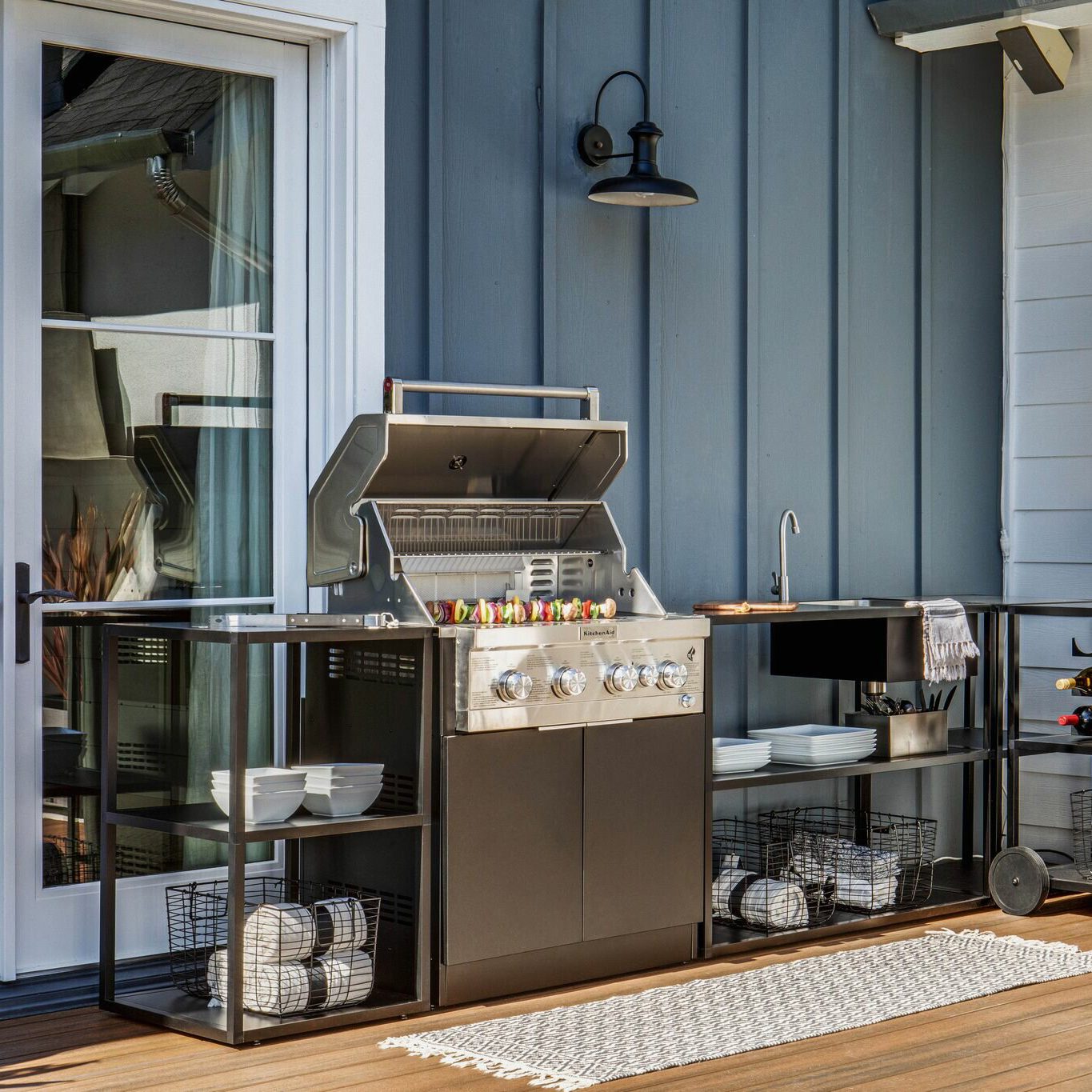
Credit: www.familyhandyman.com
Recipe Ideas For Indoor Grilling
Indoor grilling lets you enjoy smoky flavors all year. You can cook tasty meals quickly without going outside.
This guide shares easy recipes and ideas for your indoor kitchen BBQ grill setup. Try different options for every meal.
Quick Weeknight Meals
Indoor grills cook food fast. Perfect for busy weeknights when you want a hot meal without long prep time.
Try grilling chicken breasts, shrimp, or veggies. These cook in minutes and taste great with simple sides.
- Grilled chicken with a side of steamed broccoli
- Shrimp skewers with garlic and lemon
- Grilled bell peppers and zucchini with olive oil
Healthy Grilled Options
Grilling keeps food juicy and healthy. It uses less oil and keeps nutrients in your meals.
Choose lean proteins and plenty of vegetables. Add whole grains or salads for a balanced plate.
- Grilled salmon with asparagus
- Turkey burger with lettuce wraps
- Grilled portobello mushrooms as a meat substitute
Flavorful Marinades And Rubs
Marinades add moisture and taste to grilled foods. Rubs give a spicy or smoky flavor without extra sauces.
Use herbs, spices, and citrus for easy homemade blends. Let your food soak for at least 30 minutes.
- Simple marinade: olive oil, garlic, lemon juice, and thyme
- Spicy rub: paprika, cumin, chili powder, and brown sugar
- Herb rub: rosemary, oregano, salt, and pepper
Frequently Asked Questions
What Is The Best Indoor Kitchen Bbq Grill To Buy?
The best indoor BBQ grill is electric and smoke-free. Look for non-stick surfaces and adjustable temperature controls. Compact size fits most kitchens. Brands like Weber and George Foreman are popular choices.
How To Safely Set Up An Indoor Bbq Grill?
Place the grill on a stable, heat-resistant surface. Ensure proper ventilation to avoid smoke buildup. Keep flammable items away. Follow manufacturer instructions carefully to prevent accidents and maintain safety.
Can I Use A Charcoal Grill Indoors?
Charcoal grills are not safe for indoor use. They produce harmful carbon monoxide gas. Always use electric or gas grills designed specifically for indoor cooking.
How To Clean An Indoor Bbq Grill Easily?
Clean while the grill is warm but off. Use a grill brush or sponge with mild detergent. Remove grease and food debris. Regular cleaning prevents odors and extends grill life.
Conclusion
Setting up an indoor kitchen BBQ grill can change your cooking experience. It brings the joy of grilling right inside your home. You save time and enjoy fresh, smoky flavors any day. Safety and proper ventilation matter most to keep your space comfortable.
Choose the right grill and tools to fit your kitchen size. Experiment with different recipes to find your favorites. Small steps lead to great meals. Enjoy cooking, eating, and sharing with family and friends indoors.


