How to Wash Bamboo Cutting Board? Imagine this: you're in the kitchen, ready to prepare a delicious meal. You reach for your bamboo cutting board, a staple in your culinary toolkit.
It's perfect for slicing, dicing, and chopping. But wait—how do you ensure it's clean and ready for the next use? Bamboo cutting boards are not only eco-friendly and durable but also require a bit of special care to maintain their beauty and functionality.
In this guide, you'll discover simple and effective steps to wash your bamboo cutting board. By the end of this article, you'll know exactly how to keep it in pristine condition, extending its lifespan and ensuring every meal is prepared on a clean surface. Let's dive in and make your kitchen routine a breeze!
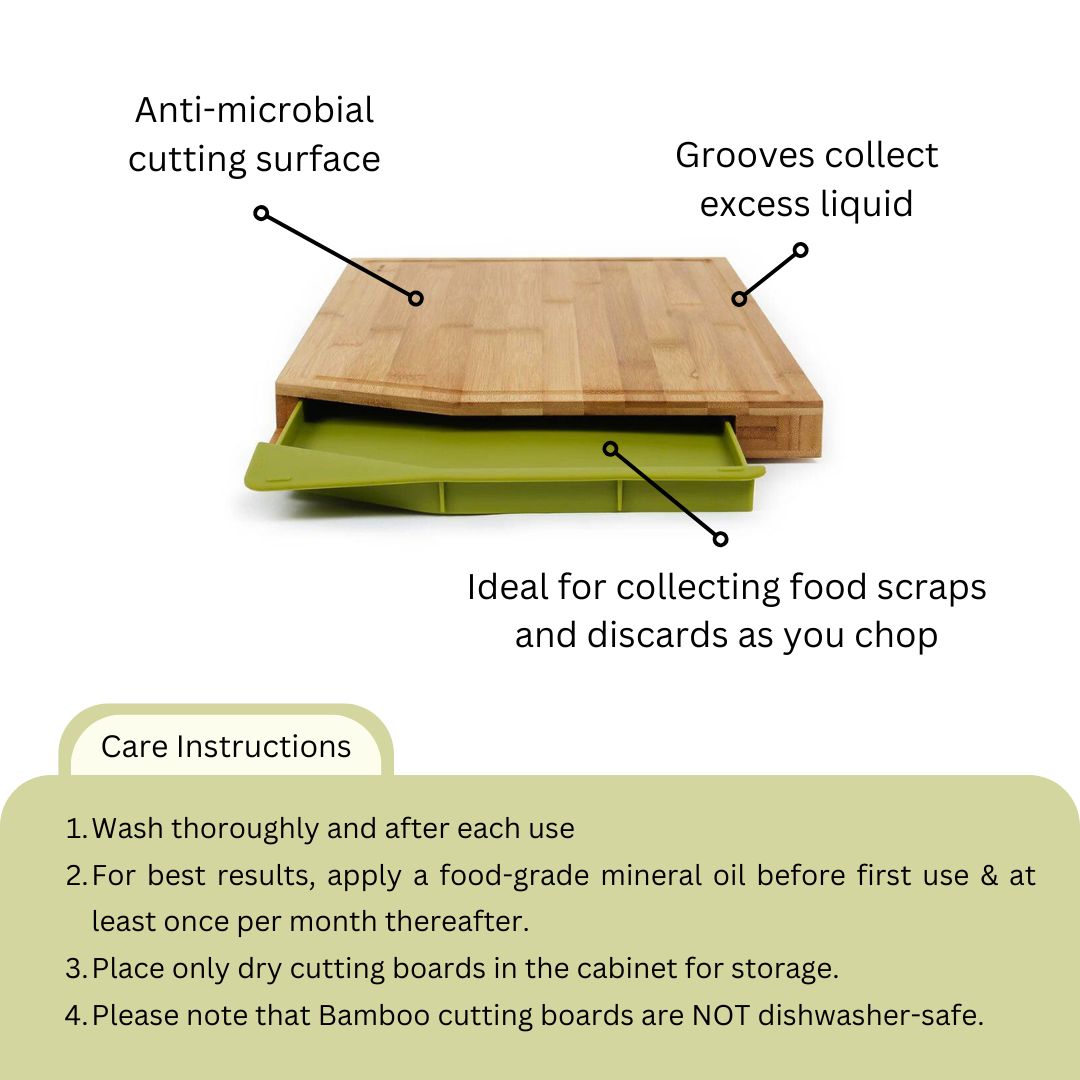
Credit: www.neoflamshop.com
Choosing The Right Cleaning Tools
Washing a bamboo cutting board needs gentle care. Picking the right tools helps keep it safe and clean.
Hard tools can damage the surface and shorten the board's life. Soft cleaning items work best to protect bamboo.
Soft Sponges And Brushes
Use soft sponges to clean your bamboo board. They remove dirt without scratching the surface.
Soft brushes can help reach grooves and cuts on the board. Choose brushes with gentle bristles to avoid damage.
- Soft sponge for daily cleaning
- Soft-bristle brush for tough spots
- Non-abrasive scrubbers to protect bamboo
Avoiding Harsh Scrubbers
Do not use steel wool or hard scrubbers. These can scratch and weaken the bamboo fibers.
Harsh scrubbers can cause cracks and make the board absorb water. This leads to warping and bacteria growth.
- Avoid steel wool and rough scouring pads
- Skip abrasive cleaners with strong chemicals
- Choose gentle cleaning tools for longer board life
Daily Cleaning Routine
Keeping your bamboo cutting board clean is easy. Daily care keeps it safe and long-lasting.
Use simple steps with items you have at home. Clean your board after each use to avoid stains and odors.
Warm Water And Mild Soap
Use warm water and mild soap to wash your bamboo board. Avoid harsh detergents that can damage the wood.
- Wet the board with warm water
- Apply a small amount of mild soap
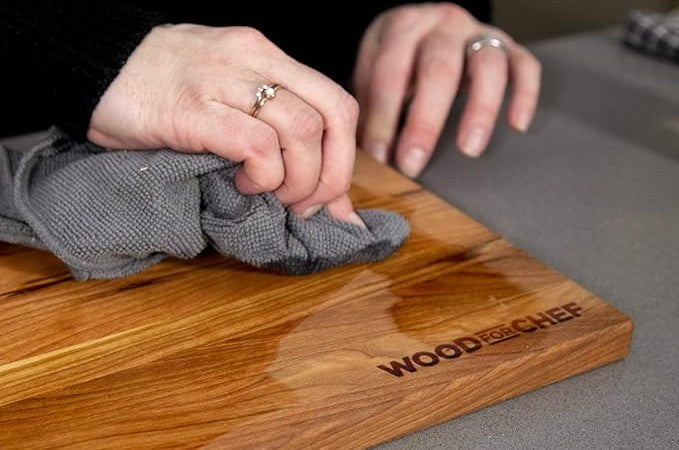
- Scrub gently with a soft sponge or cloth
- Rinse the soap off completely
Rinsing And Drying Properly
Rinse your board well to remove all soap. Dry it quickly to stop water damage.
| Drying Method | Tip |
| Air Dry | Stand upright to let air flow on all sides |
| Towel Dry | Use a clean cloth to wipe off excess water |
| Avoid | Do not leave soaking in water or in damp places |
Deep Cleaning Methods
Keeping your bamboo cutting board clean is important to avoid bacteria build-up. Deep cleaning removes stains and odors. It also helps keep the board in good shape.
Two natural ways to deep clean your bamboo board use common kitchen items. These methods are easy and safe for the board.
Using Vinegar And Baking Soda
Vinegar and baking soda work well together to clean and deodorize bamboo boards. Vinegar kills bacteria while baking soda scrubs away grime.
- Sprinkle baking soda over the cutting board surface.
- Spray or pour white vinegar onto the baking soda.
- Let the mixture bubble and sit for 5 minutes.
- Use a scrub brush or sponge to scrub the board gently.
- Rinse the board with warm water.
- Dry the board with a clean towel or air dry it standing up.
Lemon And Salt Scrub
Lemon and salt help remove stains and smells naturally. Salt acts as an abrasive, while lemon adds a fresh scent and disinfects.
| Ingredient | Purpose |
|---|---|
| Coarse Salt | Scrubs away stains and food particles |
| Lemon Half | Disinfects and freshens the board |
To clean, sprinkle salt on the board. Rub the lemon half over the salt, squeezing gently to release juice. Scrub the surface well. Rinse with warm water and dry.

Credit: miti-life.com
Preventing Odors And Stains
Bamboo cutting boards are strong but need care to stay fresh. Cleaning right stops smells and marks.
Two key ways to keep your board clean are oiling it and avoiding too much water.
Regular Oil Treatment
Oiling your bamboo board keeps it healthy. It stops water and food from soaking in. This helps avoid stains and odors.
- Use food-safe mineral oil or bamboo oil.
- Apply oil with a clean cloth or paper towel.
- Cover the whole surface evenly.
- Let the oil soak in for a few hours or overnight.
- Wipe off any extra oil before use.
- Oil your board once a month or after deep cleaning.
Avoiding Prolonged Moisture Exposure
Keeping your bamboo board dry prevents mold and bad smells. Water left on the board can cause stains and cracks.
| Do | Don't |
| Dry board with a towel after washing | Soak board in water or leave it wet |
| Store board upright for air flow | Store board flat in a damp place |
| Use warm, soapy water to clean quickly | Put board in dishwasher or leave outside |
Common Mistakes To Avoid
Keeping a bamboo cutting board clean helps it last longer. Some washing habits can damage it. Avoid these common mistakes to protect your board.
Learn what not to do when washing your bamboo cutting board. These tips will help you keep it safe and clean.
Soaking The Board
Soaking a bamboo cutting board in water can cause it to crack or warp. The wood absorbs too much moisture, which weakens it over time.
- Do not leave your board soaking in the sink.
- Dry the board immediately after washing.
- Use a damp cloth for cleaning instead of soaking.
Using Harsh Chemicals
Harsh chemicals can strip the natural oils from bamboo. This makes the board dry and prone to cracking. It can also leave harmful residues.
| Chemical | Effect on Bamboo Board |
| Bleach | Dries and damages the surface |
| Ammonia | Weakens the wood fibers |
| Strong detergents | Removes natural oils |
| Oven cleaners | Can cause discoloration |
Maintaining Bamboo Cutting Board Longevity
Bamboo cutting boards are strong and eco-friendly. Proper care helps them last longer. Washing and storing them right keeps the board safe and clean.
Cleaning bamboo boards correctly removes germs and prevents cracks. This guide shows easy ways to wash and care for your board.
Proper Storage Tips
Store your bamboo cutting board in a dry place. Avoid areas with high moisture to stop warping or mold growth.
Keep the board upright or flat on a clean surface. This helps air flow around it and keeps it dry.
- Do not stack heavy items on the board
- Keep away from direct sunlight or heat sources
- Use a stand or rack for better air circulation
When To Replace Your Board
Check your bamboo board for deep cuts or cracks. These can hide bacteria and cause damage.
Replace the board if it smells bad after cleaning or if it warps badly. These signs show the board is no longer safe to use.
- Deep grooves that are hard to clean
- Strong odors that don't go away
- Warped or cracked board surface
- Visible mold or stains that remain after washing

Credit: www.amazon.com
Frequently Asked Questions
How Do You Properly Wash A Bamboo Cutting Board?
Wash bamboo boards with warm, soapy water using a soft sponge. Avoid soaking to prevent warping. Rinse well and dry immediately with a towel. This method maintains durability and hygiene without damaging the bamboo fibers.
Can Bamboo Cutting Boards Go In The Dishwasher?
No, bamboo cutting boards should never be placed in the dishwasher. The heat and water can cause warping and cracking. Hand washing is the safest way to clean and prolong the board’s lifespan.
How Often Should I Clean My Bamboo Cutting Board?
Clean your bamboo cutting board after every use to prevent bacteria build-up. Regular cleaning with soap and water is sufficient. For deeper cleaning, use vinegar or lemon occasionally to sanitize naturally.
What Is The Best Way To Dry Bamboo Cutting Boards?
Always dry bamboo boards immediately after washing with a clean towel. Stand them upright to air dry completely. Proper drying prevents moisture absorption, which can lead to warping and mold growth.
Conclusion
Washing your bamboo cutting board right keeps it strong and clean. Use warm water and mild soap for best results. Avoid soaking it for too long. Dry it well after washing to stop cracks. Regular care helps your board last longer and stay safe.
A clean board means better food and less risk. Simple steps make a big difference every day. Keep your bamboo cutting board fresh with easy cleaning habits.