Are you looking to make your time in the kitchen easier and more enjoyable? Knowing how to use kitchen blender can transform the way you prepare meals and drinks.
Whether you want to whip up a quick smoothie, blend sauces, or chop vegetables, mastering your blender can save you time and effort. In this guide, you’ll discover simple steps and insider tips to get the most out of your blender.
Keep reading, and you’ll soon be blending like a pro, creating delicious dishes with ease.
Choosing The Right Blender
A kitchen blender is a useful tool for making smoothies, soups, and sauces. Picking the right blender can save time and effort.
There are many types of blenders with different features. Knowing what to look for helps you find the best one for your needs.
Types Of Blenders
There are several types of blenders for different kitchen tasks. Each type has its own strengths and uses.
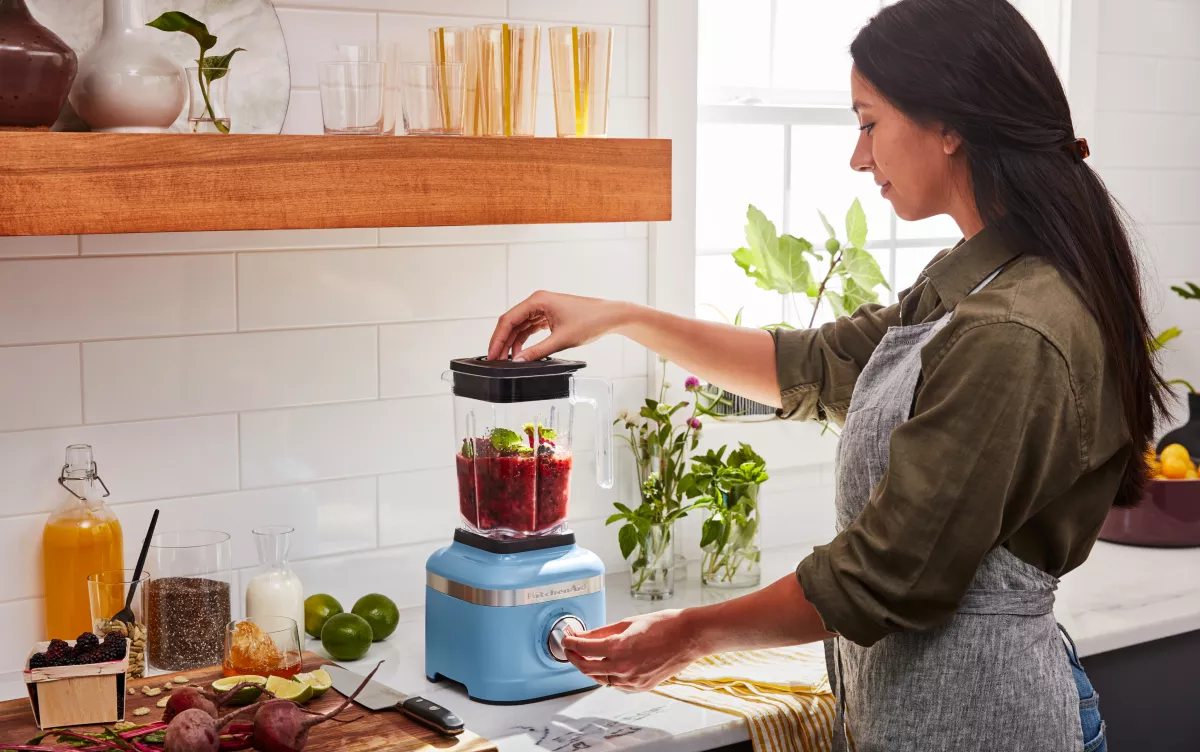
- Countertop blenders: Large and powerful, good for big batches.
- Personal blenders: Small and portable, best for single servings.
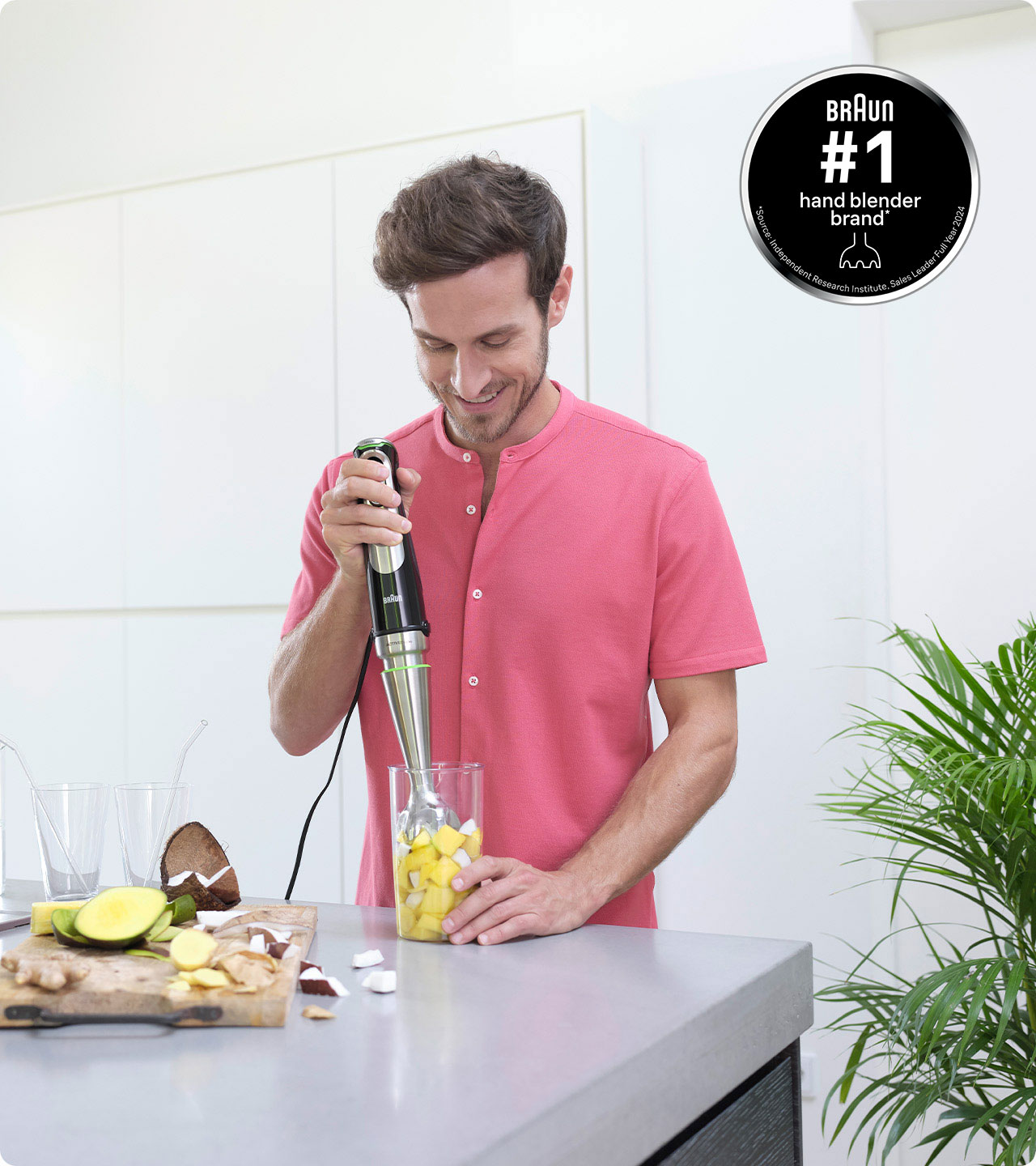
- Immersion blenders: Handheld and easy to use in pots or bowls.
- High-performance blenders: Strong motors and sharp blades for tough ingredients.
Features To Look For
Some blender features make cooking easier and safer. Choose features that fit your cooking style.
- Easy-to-clean parts with dishwasher-safe containers.
- Clear measurement marks on the jar for accuracy.
- Secure lids to prevent spills during blending.
- Pulse function for better control over blending.
- Noise reduction to keep the kitchen quiet.
Power And Speed Settings
Blender power affects how well it handles tough ingredients. Speed settings help you blend different textures.
- Look for at least 300 watts for simple blending tasks.
- Higher watts (500+) handle ice and hard foods better.
- Multiple speed settings allow smooth or chunky results.
- Variable speeds give more control over blending.
Preparing Ingredients
Preparing ingredients properly helps your kitchen blender work well. It makes your recipes smoother and tastier.
Organize your ingredients before blending. This saves time and avoids mistakes while cooking.
Chopping And Cutting
Cut ingredients into small pieces before placing them in the blender. This helps the blender blend evenly.
- Wash vegetables and fruits thoroughly.
- Remove large seeds and tough stems.
- Cut ingredients into uniform chunks.
- Avoid very hard items to prevent blender damage.
Measuring Liquids
Use the right amount of liquids for smooth blending. Too little can cause the blender to jam.
| Liquid Type | Recommended Amount |
| Water | 1 to 2 cups per recipe |
| Milk | 1 cup for creamy texture |
| Juice | 1 cup for fruity blends |
| Broth | 1 to 1.5 cups for soups |
Balancing Ingredients
Balance solids and liquids for smooth texture. Too many solids can block the blades.
Follow these tips for good balance:
- Start with a base of liquid in the blender jar.
- Add soft ingredients next to help blending.
- Place harder or frozen items on top last.
- Do not overload the blender jar.
Operating Your Blender
Using a kitchen blender is simple and useful for many recipes. Knowing how to operate it safely helps you get better results.
Follow these tips to assemble your blender, choose the right speed, and use the pulse function effectively.
Assembly And Safety Tips
Always place the blender on a flat surface before use. Make sure the jar is securely locked onto the base.
Check that the lid fits tightly to avoid spills. Never touch the blades while the blender is plugged in.
- Place blender on a stable surface
- Lock the jar firmly to the base
- Secure the lid before blending
- Keep hands away from blades
- Unplug blender before cleaning
Selecting The Right Speed
Blenders usually have multiple speed settings. Use low speed for soft ingredients and high speed for hard ones.
Start blending on a low speed and increase if needed. This prevents splashing and helps control texture.
- Low speed: soft fruits, liquids
- Medium speed: thicker mixtures
- High speed: ice, hard vegetables
- Adjust speed gradually
Pulse Function Uses
The pulse button gives short bursts of power. Use it to chop ingredients without over-blending.
Pulse helps control texture and mix ingredients evenly. It is good for making salsa or coarse blends.
- Chop vegetables roughly
- Mix ingredients gently
- Break up ice cubes
- Control blending speed manually
Credit: www.braunhousehold.com
Techniques For Smooth Blends
Using a kitchen blender can make your cooking easier and faster. To get smooth blends, you need to follow some key techniques. These help to mix ingredients well and keep the blender working safely.
Good blending depends on how you add ingredients, use cold items, and avoid overheating. Each step affects the texture and taste of your blend.
Layering Ingredients Correctly
Put ingredients in the blender in the right order. This helps the blades move smoothly and blend everything evenly.
- Start with liquids like water, juice, or milk at the bottom
- Add soft items such as yogurt or fresh fruits next
- Place hard or frozen ingredients on top
- Keep ice or heavy items last to avoid blade damage
Using Ice And Frozen Items
Ice and frozen foods make drinks cold and thick. Use them carefully to protect your blender and get smooth results.
| Tip | Reason |
| Crush ice before blending | Prevents motor strain |
| Use small frozen pieces | Blends more evenly |
| Don't overload with ice | Keeps blades moving freely |
Avoiding Overheating
Blenders can overheat if used too long or with thick ingredients. Protect your blender and keep blends smooth by watching the time.
Try these tips to avoid overheating:
- Blend in short bursts of 20-30 seconds
- Let the motor rest between blends
- Use enough liquid to help blades move
- Clean the blender regularly to avoid strain
Cleaning And Maintenance
Keeping your kitchen blender clean is important for good performance. Regular care helps your blender last longer.
This guide shows easy ways to clean and maintain your blender safely and well.
Quick Cleaning Methods
After each use, rinse the blender jar with warm water. This removes most food residues quickly.
- Fill the jar halfway with warm water.
- Add a drop of dish soap.
- Run the blender on low speed for 30 seconds.
- Rinse the jar well with clean water.
- Dry with a soft cloth or air dry.
Deep Cleaning Tips
For a deep clean, disassemble the blender parts carefully. Wash all removable parts with warm, soapy water.
| Part | Cleaning Instructions |
| Jar | Wash with sponge and mild soap, rinse well |
| Lid and Cap | Soak in warm soapy water, scrub gently |
| Blade Assembly | Use brush to remove stuck food, dry carefully |
| Base Unit | Wipe with damp cloth, avoid water contact |
Blade Care And Replacement
Blades must stay sharp and clean for best results. Check blades often for damage or dullness.
- Remove blades carefully before cleaning.
- Dry blades fully to avoid rust.
- Do not use metal tools to clean blades.
- Replace blades if they become dull or bent.
- Use manufacturer-approved replacements only.
Troubleshooting Common Issues
Using a kitchen blender can be simple. Sometimes problems happen. Knowing how to fix them helps you save time.
This guide covers common blender issues and easy ways to solve them. Keep your blender working well.
Blender Not Starting
Your blender might not start due to power problems. Check if it is plugged in properly. Also, test the outlet with another device.
Sometimes the safety lock is not in place. Make sure the lid and jar are set correctly. The blender will not run if these parts are loose.
- Check power cord and plug
- Test the electrical outlet
- Ensure the jar and lid are locked
- Look for blown fuses or tripped breakers
Uneven Blending
If your blender mixes ingredients unevenly, the blade might be dull or the jar overloaded. Cut food into smaller pieces before blending.
Try stopping the blender and pushing the ingredients down with a spatula. Use a lower speed to get better results.
- Cut food into smaller chunks
- Do not fill the jar too full
- Use a spatula to push ingredients down
- Blend at lower speeds first
- Check if blades are sharp and clean
Leaks And Noises
Leaks often come from a worn or misplaced gasket. Check the rubber seal under the blade assembly. Replace it if cracked or broken.
Unusual noises can mean loose parts or something stuck in the blades. Turn off the blender and inspect the jar and blade area.
- Check and replace the gasket if needed
- Tighten the blade assembly securely
- Remove any stuck food or debris
- Do not run blender without contents
- Listen for grinding or rattling sounds
Creative Blender Recipes
Blenders do more than mix drinks. You can make tasty meals with them. They save time and make cooking fun.
Try new recipes to enjoy smoothies, soups, sauces, and dips. A blender can handle many kitchen tasks easily.
Smoothies And Shakes
Smoothies and shakes are quick to make and healthy. Use fruits, yogurt, and milk or juice to blend your drink. Add ice or frozen fruit for a cold treat.
- Mix banana, spinach, and almond milk for a green smoothie.
- Blend strawberries, yogurt, and honey for a sweet shake.
- Try mango and orange juice for a tropical drink.
- Add protein powder for an energy boost.
Soups And Sauces
Blenders make soups and sauces smooth and creamy. Cook vegetables first, then blend to your liking. Use the blender to mix herbs and spices evenly.
| Soup or Sauce | Main Ingredients | Tip |
| Tomato Soup | Tomatoes, onion, garlic | Blend after cooking for smooth texture |
| Pesto Sauce | Basil, pine nuts, olive oil | Pulse to keep some texture |
| Butternut Squash Soup | Squash, cream, nutmeg | Add cream after blending |
| Alfredo Sauce | Parmesan, butter, cream | Blend gently to avoid overmixing |
Nut Butters And Dips
Make fresh nut butters and dips easily with a blender. Use roasted nuts and add oil to get a creamy texture. Season dips with herbs and spices for extra flavor.
- Place 2 cups of roasted nuts in the blender.
- Blend until crumbly, stopping to scrape down the sides.
- Pour 2 tablespoons of oil slowly while blending.
- Blend until smooth and creamy.
- Add salt or honey to taste.
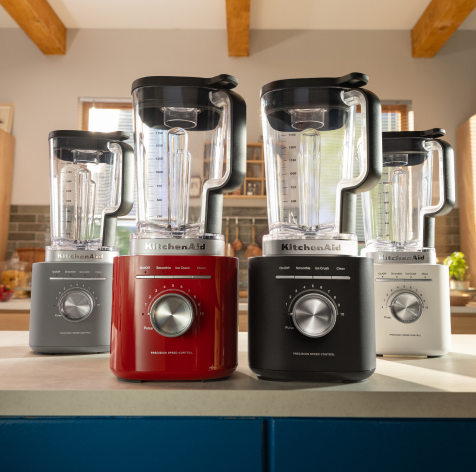
Credit: www.kitchenaid.com

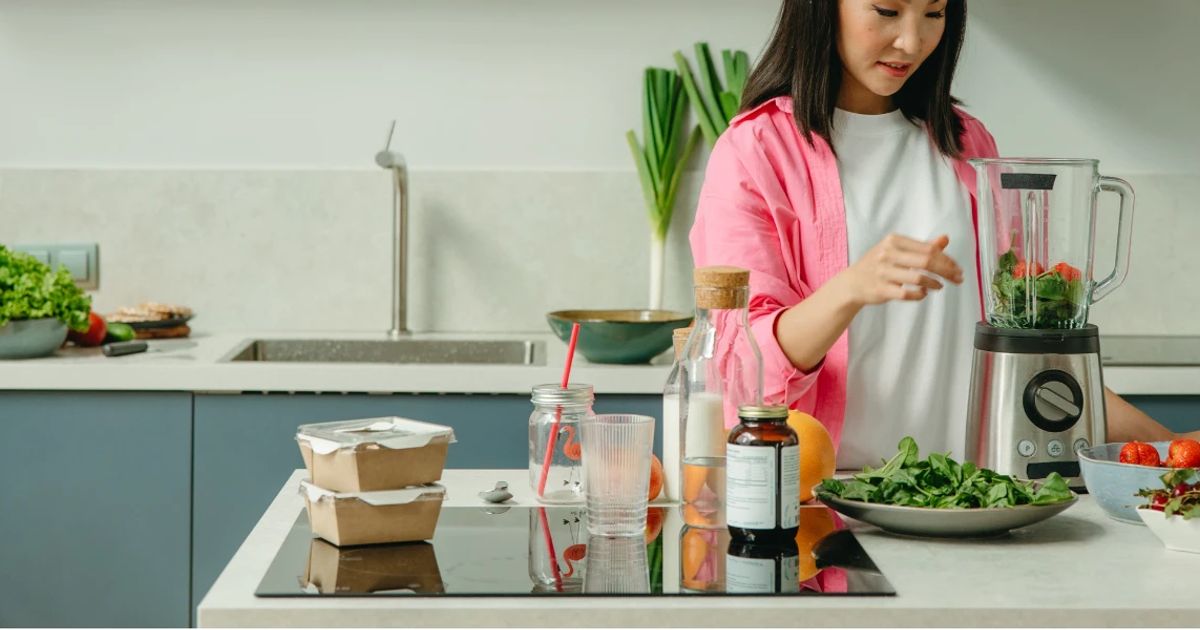
Credit: www.yahoo.com
Frequently Asked Questions
How Do I Safely Use A Kitchen Blender?
Always secure the lid before blending. Start at low speed, then increase gradually. Avoid overfilling the jar to prevent spills or damage.
What Ingredients Can I Blend In A Kitchen Blender?
You can blend fruits, vegetables, nuts, and liquids. Avoid hard items like bones or frozen blocks without chopping first.
How Do I Clean My Kitchen Blender Properly?
Disassemble the blender and rinse parts immediately. Use warm soapy water and a soft brush. Dry thoroughly before reassembling to prevent mold.
Can I Blend Hot Liquids In A Kitchen Blender?
Yes, but allow hot liquids to cool slightly first. Remove the center cap to release steam. Blend in small batches to avoid splattering.
Conclusion
Using a kitchen blender can transform your cooking experience. Blend smoothies, soups, and sauces with ease. Always start with liquids for smoother blending. Gradually add solid ingredients. Use the pulse function for chunky textures. Clean your blender immediately after use.
This prevents food from sticking. Keep sharp blades in mind for safety. Experiment with different recipes. Discover new flavors and textures. Enjoy the convenience and versatility a blender offers. With practice, blending becomes second nature. Your kitchen adventures will be more enjoyable.
Happy blending!