Are you tired of throwing away kitchen scraps and feeling guilty about the waste? Imagine turning those leftovers into something beneficial for your garden and the environment.
Enter the kitchen compost bin—a simple, yet powerful tool that can transform your daily routine. Learning How to Use a Kitchen Compost Bin allows you to reduce waste, enrich soil, and contribute to a healthier planet. But how exactly do you make the most of this eco-friendly device?
In this guide, you’ll discover easy-to-follow steps and tips to seamlessly incorporate composting into your kitchen routine. Ready to make a difference with just a few small changes? Let’s dive into the practical world of kitchen composting and find out how you can start today.
Choosing The Right Kitchen Compost Bin
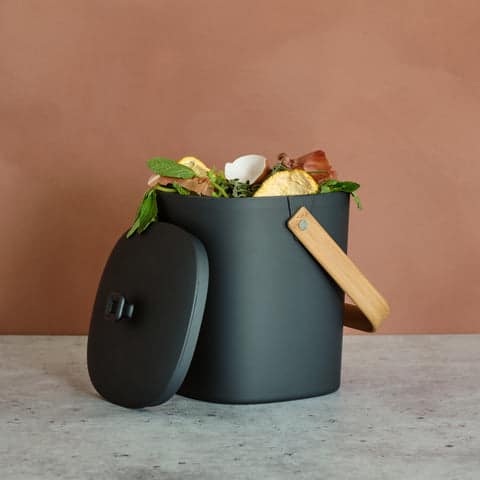
Using a kitchen compost bin helps reduce waste and create nutrient-rich soil. Picking the right bin makes composting easier and cleaner.
Consider your space, waste amount, and style before buying. This guide covers types, size, and materials to help your choice.
Types Of Compost Bins
There are several types of kitchen compost bins. Each type suits different needs and kitchen spaces.
- Countertop Bins: Small and compact, good for daily food scraps.
- Electric Bins: Use heat or electricity to speed up composting.
- Compost Crocks: Made of ceramic or plastic with a sealed lid to control odor.
- Worm Bins: Use worms to break down food faster.
Size And Capacity
Choose a bin size based on your kitchen space and how much waste you produce. Too small means emptying often. Too big may take too much space.
| Bin Size | Best For | Typical Capacity |
|---|---|---|
| Small | Single person or small kitchen | 1 to 2 gallons |
| Medium | Small families or moderate waste | 3 to 5 gallons |
| Large | Big families or heavy composters | 6 to 10 gallons |
Materials And Design
Material affects durability and odor control. Design impacts ease of use and cleaning.
- Plastic: Lightweight and affordable. Look for BPA-free options.
- Stainless Steel: Durable and resists stains and smells.
- Ceramic: Stylish and heavy. Good for odor control.
- Features: Look for lids with filters, handles, and easy-to-clean surfaces.
Setting Up Your Compost Bin
Using a kitchen compost bin helps reduce waste. It also creates rich soil for your plants.
Setting up the bin correctly keeps your kitchen clean and odor-free. Follow these tips to start composting easily.
Best Location In The Kitchen
Choose a spot that is easy to reach while cooking. It should be near the sink or food prep area.
Keep the bin in a place with good air flow. This helps reduce smells and moisture build-up.
- Near the sink for easy cleaning
- On the countertop or under the sink
- A spot with good ventilation
- Out of direct sunlight to avoid heat
Adding The Right Liner
Use a liner to keep your bin clean and make emptying easier. Choose liners that break down naturally.
Paper liners or compostable bags work well. Avoid plastic bags that do not decompose.
- Use unbleached paper liners or compostable bags
- Change liners regularly to prevent mess
- Do not use plastic liners that harm compost
- Keep liners dry to avoid mold growth
Preventing Odors
Odors can happen if compost gets too wet or full. Keep your bin balanced for fresh smells.
Empty the bin often and add dry materials to control moisture. Clean the bin regularly with mild soap.
- Empty the bin every 2–3 days
- Add dry scraps like shredded paper or leaves
- Keep the lid closed tightly
- Wash the bin with warm soapy water weekly
What To Compost
Using a kitchen compost bin helps reduce waste and enrich soil. Knowing what to put inside is important for good compost.
This guide explains which kitchen scraps you can compost and which to avoid. It also shows how to balance your compost ingredients.
Common Kitchen Scraps
You can compost many everyday kitchen scraps. Fruit and vegetable peels, coffee grounds, and eggshells are great choices.
These items break down quickly and add nutrients to your compost. They help create healthy soil for your garden.
- Fruit and vegetable scraps
- Coffee grounds and filters
- Eggshells, crushed
- Tea bags (without plastic)
- Nut shells (except walnuts)
- Stale bread and grains
Avoiding Problematic Items
Some kitchen waste can cause bad smells or pests in your compost bin. Avoid meat, dairy, and oily foods.
Also, skip pet waste and diseased plants. These items can harm your compost or attract animals.
- Meat, fish, and bones
- Dairy products like cheese and milk
- Oily or greasy leftovers
- Pet waste and litter
- Diseased or insect-infested plants
- Non-biodegradable items like plastic
Balancing Greens And Browns
Good compost needs a mix of green and brown materials. Greens are moist and rich in nitrogen.
Browns are dry and full of carbon. Too much green makes your compost wet and smelly.
- Greens: fruit scraps, vegetable peels, coffee grounds
- Browns: dry leaves, paper towels, cardboard pieces
- Mix roughly two parts browns to one part greens
- Turn the compost often to add air

Credit: www.self.com
Maintaining Your Compost Bin
Keeping your kitchen compost bin in good shape helps break down waste faster. It also stops bad smells and pests.
Simple care steps make your compost healthy and useful for your garden.
Regular Mixing And Aeration
Stir your compost every few days to add air. This helps the materials break down without smelling bad.
- Use a small shovel or compost fork to mix
- Turn the bin contents from bottom to top
- Mix lightly to avoid damaging the pile structure
- Aerate more often in warm weather
- Check that the compost feels loose, not packed
Managing Moisture Levels
Your compost needs to be damp like a wrung-out sponge. Too wet or dry slows decomposition.
| Moisture Condition | Signs | Action |
| Too Wet | Smelly, slimy, water pooling | Add dry materials like shredded paper |
| Too Dry | Dry, slow to break down, crumbly | Spray water lightly and mix well |
| Just Right | Damp, no bad smell, breaks apart easily | Keep mixing and monitoring |
Dealing With Pests
Pests can bother your compost if it smells or has exposed food scraps.
Try these tips to keep pests away:
- Cover food scraps with dry leaves or newspaper
- Use a bin with a tight lid
- Empty your compost bin regularly
- Keep the bin clean and dry around the edges
- Place the bin in a shaded area
Emptying And Using Compost
Using a kitchen compost bin helps reduce waste and creates rich soil for your garden. Knowing when and how to empty the bin is important for a smooth composting process.
This guide explains the best time to empty your kitchen bin, how to move compost outside, and ways to use finished compost in your garden.
When To Empty The Bin
Empty your kitchen compost bin when it is about three-quarters full. This avoids bad smells and keeps the bin easy to manage.
Check the bin every few days. If food scraps start to smell or attract flies, it is time to empty it right away.
- Empty before the bin is too full
- Look for unpleasant smells or bugs
- Regularly empty every 1-2 weeks
Transferring To Outdoor Compost
Move your kitchen scraps to an outdoor compost pile or bin. Outdoor composting helps break down materials faster with more space.
Mix kitchen waste with dry leaves, paper, or garden waste. This balance helps speed up decomposition and stops bad odors.
- Use a shovel or scoop to transfer scraps
- Mix green scraps with brown materials
- Turn the outdoor pile weekly for air
Using Finished Compost In Your Garden
Finished compost is dark, crumbly, and smells like soil. Use it to feed your plants and improve garden soil quality.
Add compost around flowers, vegetables, and trees. You can mix it into garden beds or use it as mulch on top of the soil.
- Sprinkle compost on garden soil
- Mix compost into potting soil
- Use as mulch to keep soil moist

Credit: www.amazon.ca
Tips For Successful Zero Waste Living
Using a kitchen compost bin helps reduce waste and protect the environment. It turns food scraps into rich soil for plants. This guide shares simple ways to use a kitchen compost bin and live with less waste.
Zero waste living means cutting down trash and reusing what you can. Composting is one key practice. Let’s explore ideas for reducing kitchen waste, combining composting with other habits, and getting everyone in the house involved.
Reducing Kitchen Waste
Start by planning meals to use all your ingredients. Save vegetable peels, coffee grounds, and eggshells for your compost bin. Avoid buying too much food that might spoil.
- Store leftovers in clear containers to see and eat them quickly
- Use a shopping list to buy only what you need
- Choose fresh produce with minimal packaging
- Freeze extra fruits and vegetables for later use
- Compost fruit and vegetable scraps daily to prevent bad smells
Combining Composting With Other Practices
Composting works best when paired with recycling and reusing. Sort your waste to separate compostable items from recyclables and trash. Keep your compost bin clean and dry to avoid pests.
| Waste Type | How to Handle |
|---|---|
| Food Scraps | Put in compost bin |
| Plastic Packaging | Recycle if clean |
| Paper Towels | Compost if unbleached |
| Glass Bottles | Recycle |
| Meat and Dairy | Dispose in trash or compost in special bins |
Encouraging Household Participation
Get everyone in your home to help with composting. Make it easy to use and explain why it matters. Keep the compost bin in a handy spot and check it together often.
Try these ideas to involve your family or roommates:
- Assign simple compost tasks to each person
- Use a chart to track composting progress
- Share tips and recipes using compost-grown plants
- Celebrate milestones with small rewards
- Keep the bin clean to avoid smells and bugs
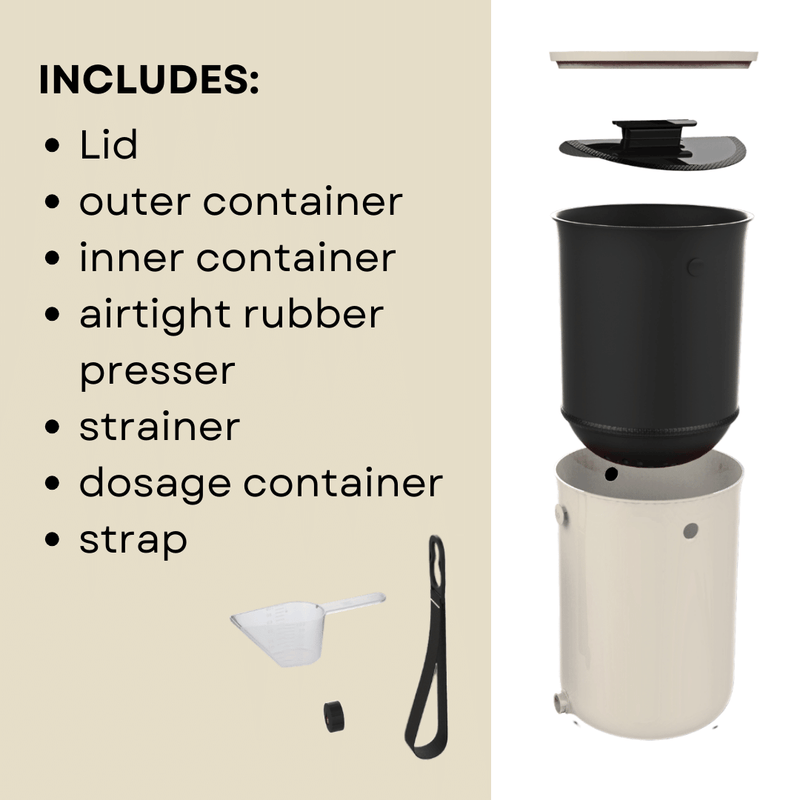
Credit: shop.epicgardening.com
Frequently Asked Questions
What Materials Can I Compost In A Kitchen Bin?
You can compost fruit scraps, vegetable peels, coffee grounds, eggshells, and tea bags. Avoid meat, dairy, and oily foods to prevent odors and pests.
How Often Should I Empty A Kitchen Compost Bin?
Empty your kitchen compost bin every 2 to 3 days. Regular emptying helps reduce odors and keeps the compost fresh and effective.
How Do I Prevent Odors In My Kitchen Compost Bin?
To prevent odors, add dry materials like shredded paper or leaves. Keep the bin ventilated and avoid composting meat or dairy products.
Can I Use A Kitchen Compost Bin Indoors?
Yes, kitchen compost bins are designed for indoor use. They are compact, odor-resistant, and help reduce food waste efficiently inside your home.
Conclusion
Using a kitchen compost bin helps reduce waste every day. It turns food scraps into useful soil for plants. You save money by making your own compost at home. It also helps keep your kitchen clean and fresh. Start small and add scraps regularly.
Soon, you will see how easy and helpful composting can be. Give it a try and help the environment in simple steps. Waste less, grow more. That’s the power of kitchen composting.